Tom Nichols is a distinguished academic specializing in national security affairs. His extensive teaching experience at prestigious institutions like the U.S. Naval War College and Harvard Extension School underscores his profound grasp of complex global issues. Nichols has also held significant research positions, contributing his expertise to think tanks and international organizations. His background includes advising governmental bodies and serving in legislative support roles, demonstrating a career dedicated to informing policy and public discourse on international affairs.
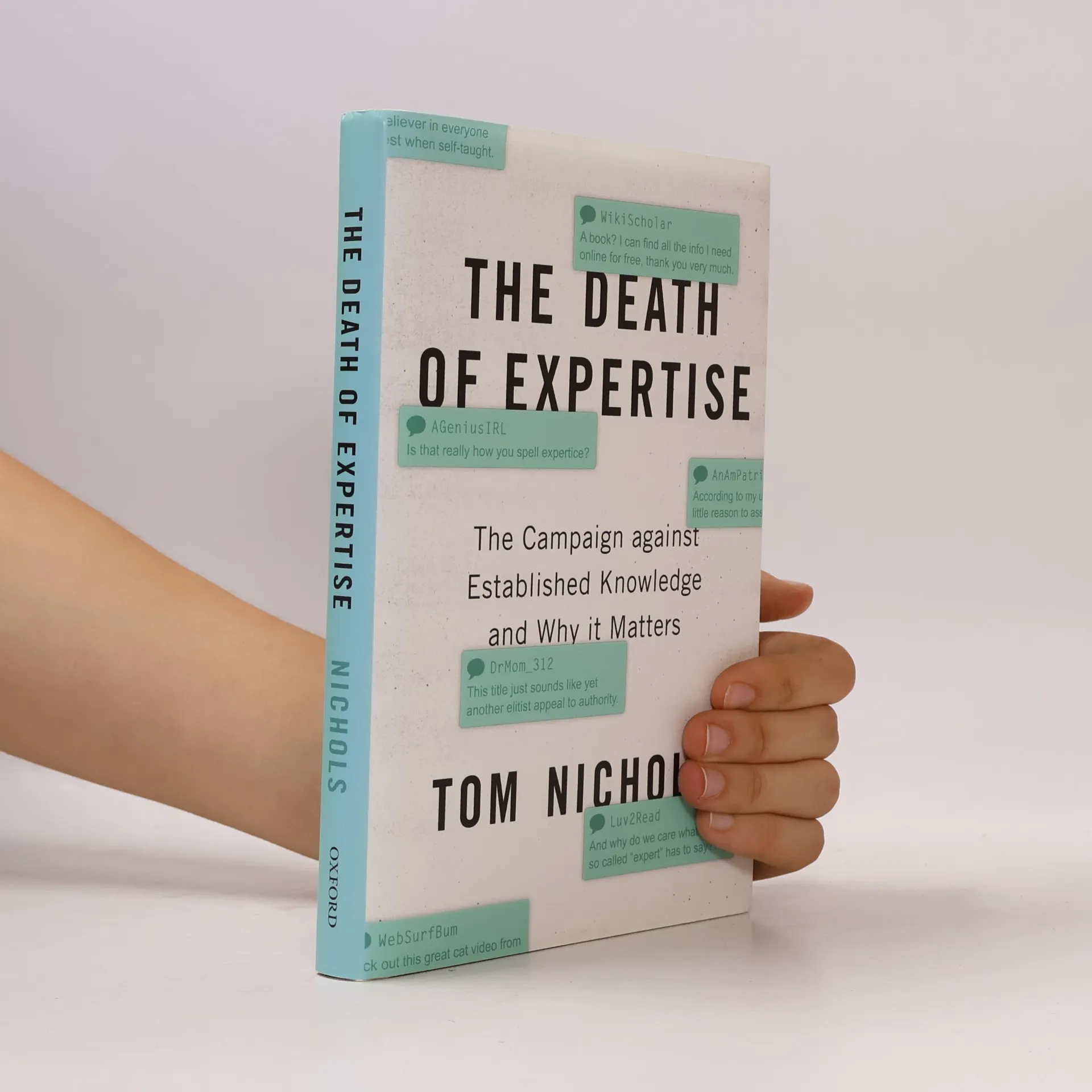
A cult of anti-expertise sentiment has coincided with anti-intellectualism, resulting in massively viral yet poorly informed debates ranging from the anti-vaccination movement to attacks on GMOs. As Tom Nichols shows in The Death of Expertise, there are a number of reasons why this has occurred-ranging from easy access to Internet search engines to a customer satisfaction model within higher education.
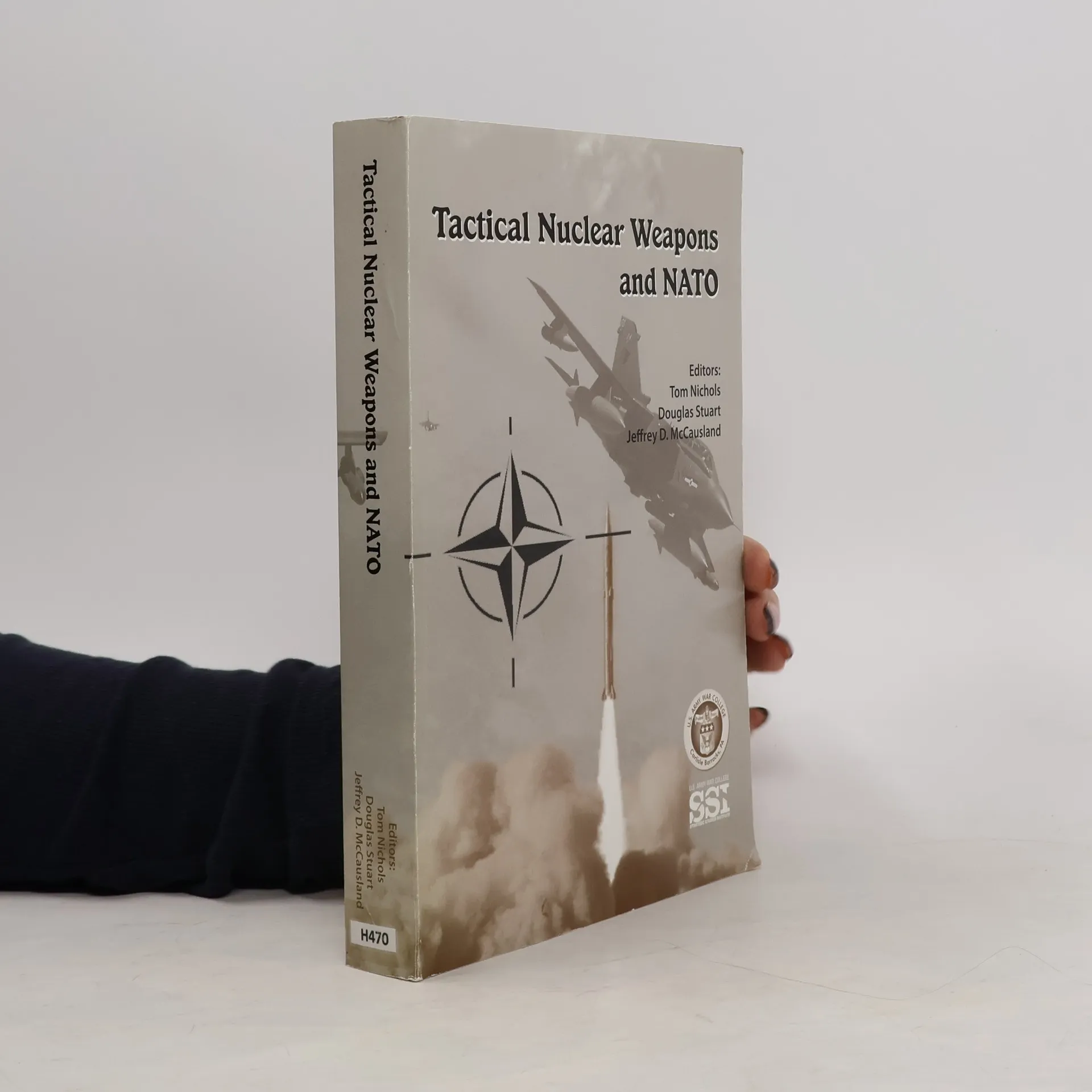
NATO has been a "nuclear" alliance since its inception, with nuclear weapons integral to its military planning and deterrence strategy. For over 40 years, NATO allies have worked to align conventional and nuclear forces, doctrines, and strategies linking the defense of Europe to that of the United States. However, the evolving security landscape necessitates a reevaluation of tactical or non-strategic nuclear weapons (NSNWs). Two key conclusions arise from this analysis. First, since the Cold War's end, the issue of how to address weapons designed for a bygone era remains understudied, both within and outside government circles. While tactical weapons may seem less formidable than strategic ones, they pose significant security and political risks that warrant greater attention. Second, the current status quo regarding these arms is unacceptable. NATO must make decisive choices, develop a coherent strategy, and establish clear plans regarding its nuclear posture. Decisions about the role of nuclear weapons are crucial to NATO's future identity. At the Lisbon Summit in November 2010, the Alliance committed to a Deterrence and Defense Posture Review (DDPR) to tackle these challenging questions ahead of the May 2012 NATO Summit. The United States and its allies need to define future threats, clarifying NATO's identity, purpose, and force requirements. So far, NATO remains at a crossroads.
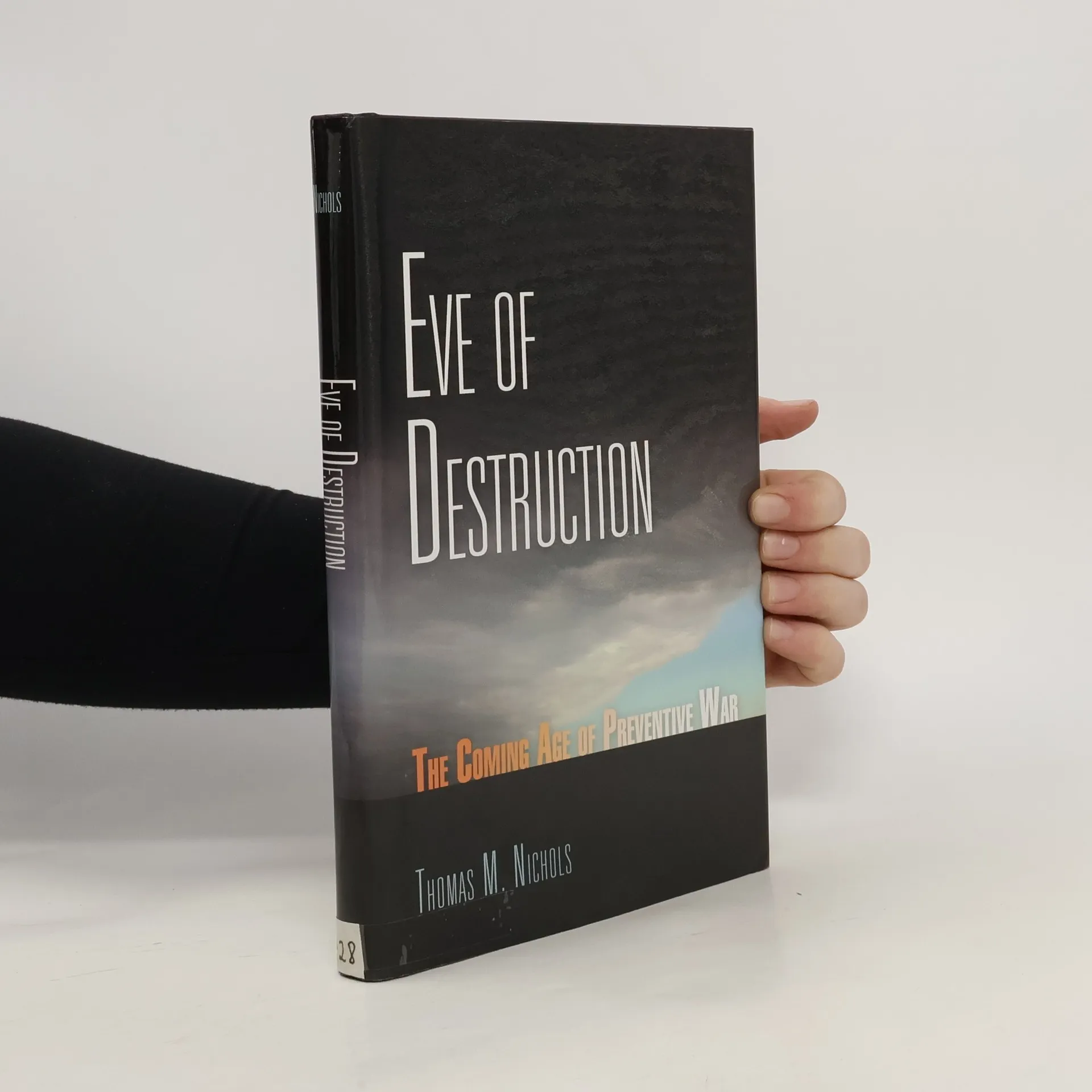
In an age of new threats to international security, the old rules of war are rapidly being discarded. The great powers are moving toward norms less restrictive of intervention, preemption, and preventive war. This evolution is taking place not only in the United States but also in many of the world's most powerful nations, including Russia, France, and Japan, among others. As centuries of tradition and law are overturned, will preventive warfare push the world into chaos?Eve of Destruction is a provocative contribution to a growing international debate over the acceptance of preventive military action. In the first work to identify the trends that have led to a coming age of preventive war, Thomas M. Nichols uses historical analysis as well as interviews with military officials from around the world to trace the anticipatory use of force from the early 1990s—when the international community responded to a string of humanitarian crises in Somalia, Bosnia, and Kosovo—to today's current and potential actions against rogue states and terrorists. He makes a case for a bold reform of U.S. foreign policy, and of the United Nations Security Council itself, in order to avert outright anarchy.