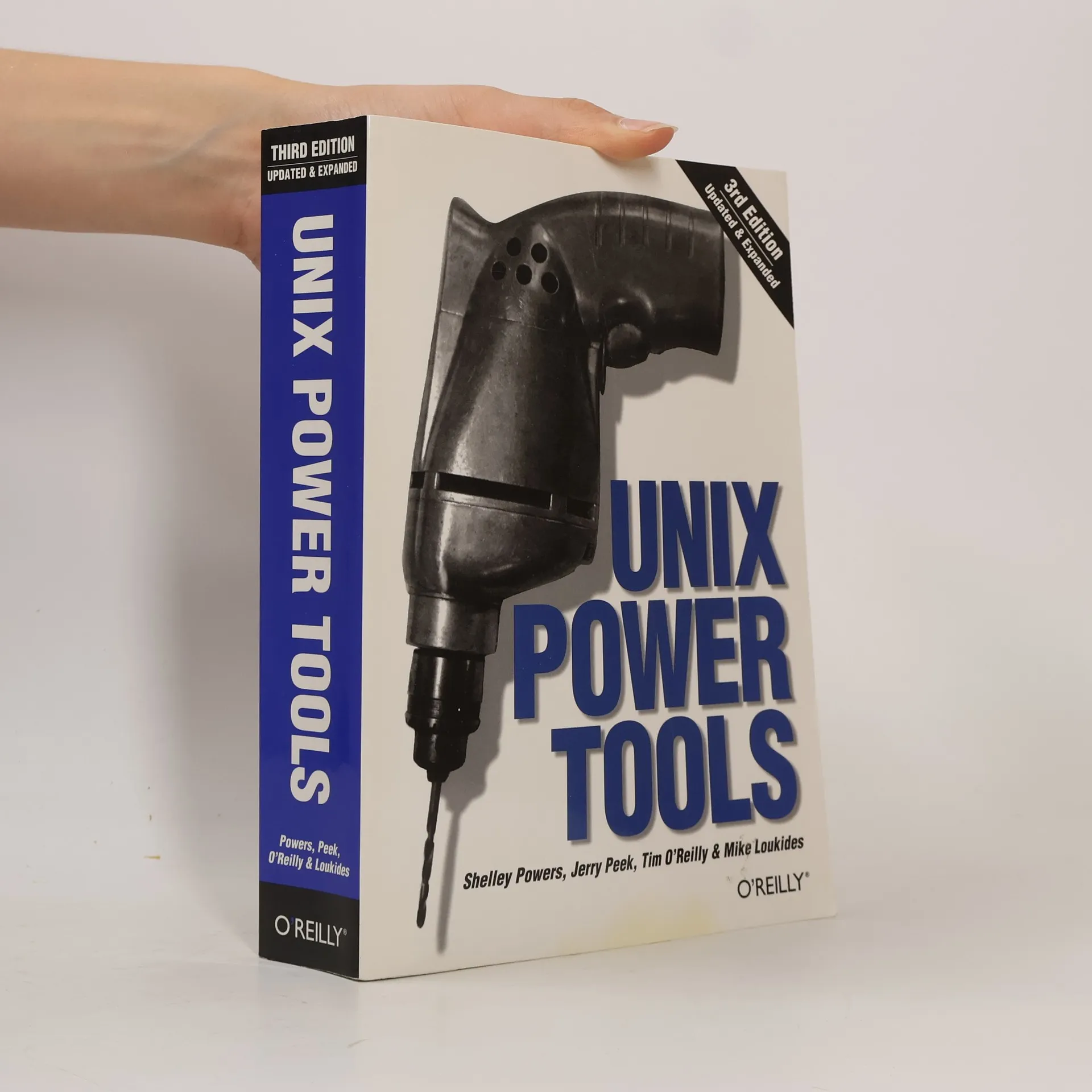
Unix is inherently a "power tools" environment, offering immense capabilities through shell programming, aliases, and various editing tools. However, many users struggle to fully master its potential due to the vast amount of information available. This book contains thousands of tips, scripts, and techniques designed to enhance the Unix experience, making it easier and more enjoyable. Organized into hundreds of short articles, it encourages exploration, with references that lead you from one intriguing tip to another. As Linux and Mac OS X gain popularity, Unix has evolved into a more accessible operating system, attracting new users eager to discover its benefits. This latest edition is packed with advice on all aspects of Unix, including essential updates on Linux, Mac OS X, and BSD. It features expanded coverage of bash, zsh, and new shells, along with discussions on modern utilities and applications. Key sections address security, Internet access, and a new chapter on accessing Unix from Windows, reflecting today’s diverse systems. Additionally, it offers insights into software installation, packaging, and basic Perl and Python information. The accompanying website provides valuable software for Unix users, enhancing your toolkit. Whether you are a newcomer or an experienced user, this edition serves as a treasure trove of information, helping you avoid common pitfalls and expand your knowledge.
Shelley Powers Books

Painting the Web
- 400 pages
- 14 hours of reading
Do you think that only professionals with expensive tools and years of experience can work with web graphics? This guide tosses that notion into the trash bin.Painting the Web is the first comprehensive book on web graphics to come along in years, and author Shelley Powers demonstrates how readers of any level can take advantage of the graphics and animation capabilities built into today's powerful browsers. She covers GIFs, JPEGs, and PNGs, raster and vector graphics, CSS, Ajax effects, the canvas objects, SVG, geographical applications, and more -- everything that designers (and non-designers) use to literally paint the Web.More importantly, Shelley's own love of web graphics shines through in every example. Not only can you master the many different techniques, you also can have fun doing it.Topics in Painting the Web Graphics are not essential to the web experience, but they do make the difference between a site that's functional and one that's lively, compelling, and exciting. Whether you want to spruce up a website, use photos to annotate your stories, create hot graphics, or provide compelling displays for your data, this is the book for you.
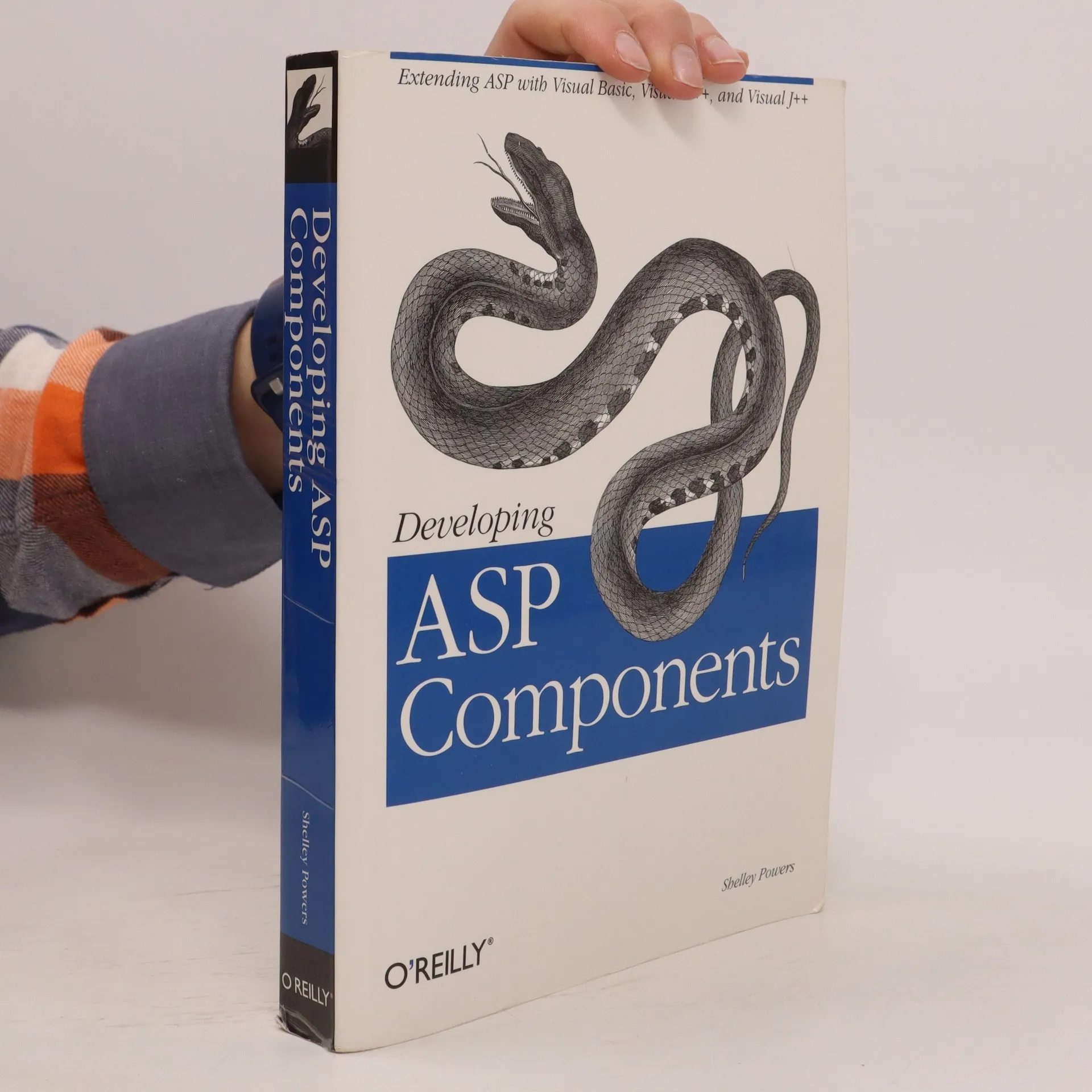
Developing add-on controls and components is increasingly attracting the attention of developers. This book provides information and real-world examples to create custom ASP components using one of the three major development tools: Visual Basic; C++ and Java++.
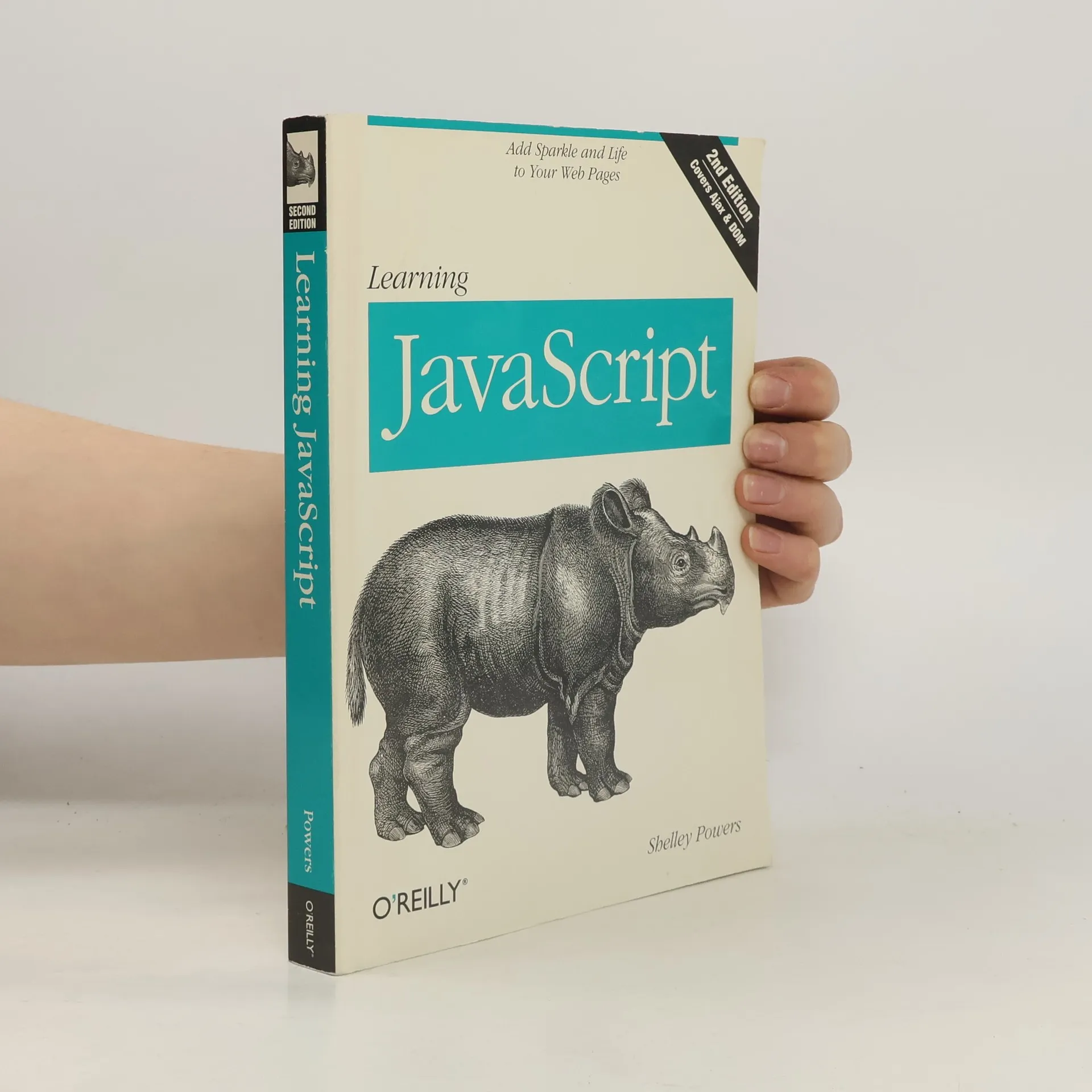
If you're new to JavaScript or an experienced web developer seeking to enhance your skills, this resource offers comprehensive coverage of this essential web development language. You'll explore everything from primitive data types to advanced features, including Ajax and dynamic page effects. By the conclusion, you'll be equipped to work with sophisticated libraries and web applications. This edition emphasizes best practices and provides examples of JavaScript in action, guiding you on integrating the language with the browser environment and adhering to proper coding techniques for standards-compliant websites. You'll learn the structure of JavaScript applications, including basic statements and control structures, and identify various JavaScript objects such as String, Number, Boolean, and Function. The book also covers browser debugging tools, event handling, and form events, along with the Browser Object Model and the Document Object Model. You'll gain insights into browser cookies and modern client-side storage techniques, as well as using XML or JSON with Ajax applications. Following proven learning principles, this resource helps you absorb concepts at a manageable pace, enabling you to create powerful and responsive applications across any browser.
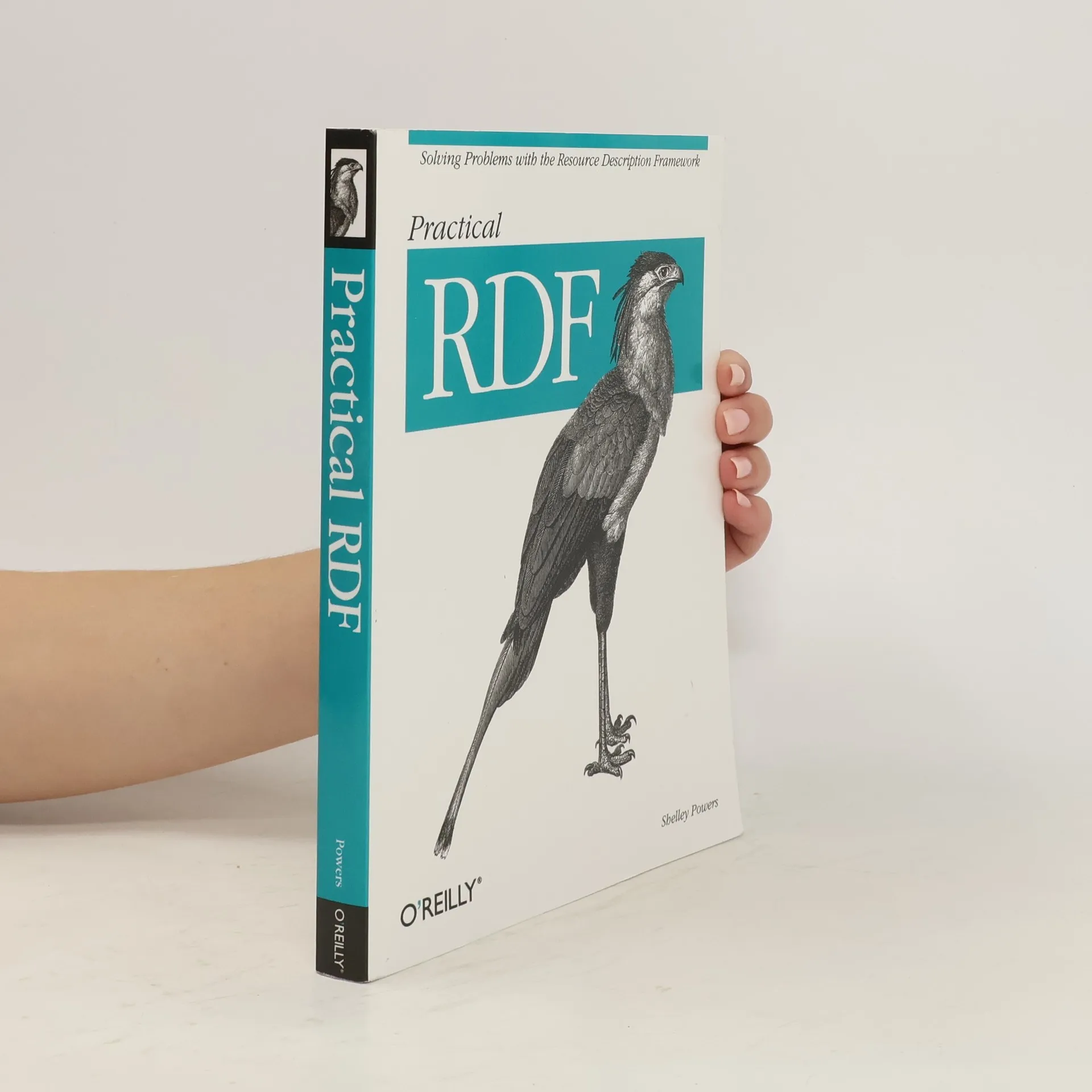
The Resource Description Framework (RDF) is a structure for describing and interchanging metadata on the Web, applicable to various domains such as library catalogs, bioinformatics, and artificial intelligence projects. Despite its potential, RDF has been perceived as complex due to its intricate specifications. This book aims to demystify RDF by addressing practical, solvable problems, enabling readers to understand and implement RDF solutions effectively. It provides a foundational explanation of RDF, featuring real-world applications like Mozilla and FOAF, along with infrastructure guidance for building custom applications. The initial part delves into RDF specifications, covering key documents such as RDF Semantics, Concepts, and the RDF Schema. The second section emphasizes programming language support and tools for reviewing, editing, parsing, storing, and manipulating RDF/XML. Subsequent sections explore RDF's data roots, programming support, and practical implementation strategies. Whether your focus is on large-scale information aggregation or smaller projects like weblog syndication, this book equips you with the essential knowledge to apply RDF in various contexts.
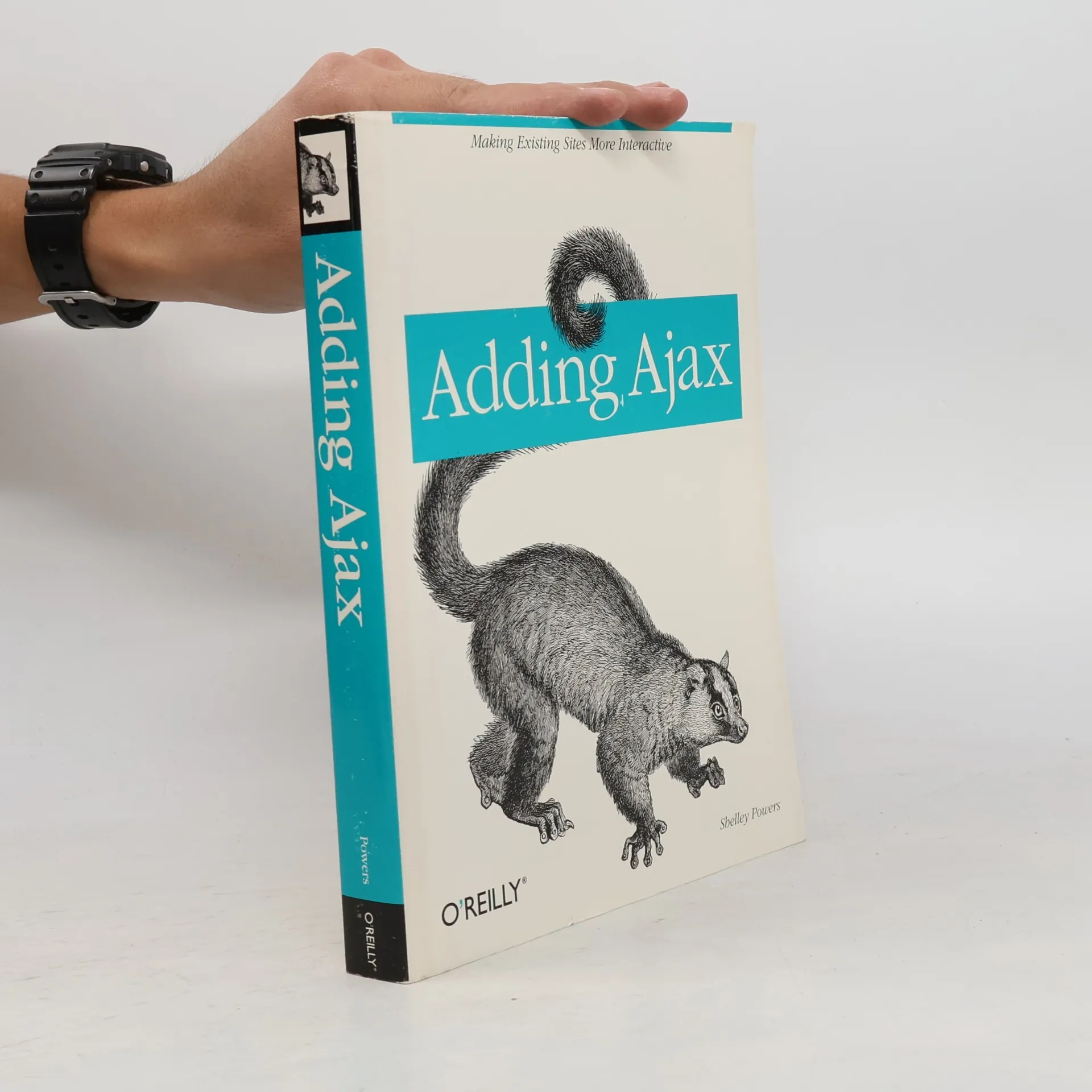
Ajax can bring many advantages to an existing web application without forcing you to redo the whole thing. This book explains how you can add Ajax to enhance, rather than replace, the way your application works. For instance, if you have a traditional web application based on submitting a form to update a table, you can enhance it by adding the capability to update the table with changes to the form fields, without actually having to submit the form. That's just one example.Adding Ajax is for those of you more interested in extending existing applications than in creating Rich Internet Applications (RIA). You already know the "business-side" of applications-web forms, server-side driven pages, and static content-and now you want to make your web pages livelier, more fun, and much more interactive. This You don't need to start over to use Ajax. You can simply add to what you already have. This book explains how.
Insider: Dynamic Web Publishing
Das komplette Wissen fürs Web Publishing - Kompletter Sourcecode zum Buch, Bonuskapitel zu VRML und Push-Techniken, nützliche HTML-Utilities und -Editoren, MS Internet Explorer 4 und Netscape Communicator 4, 30-Tage-Testversion von eSafe Protect 1.1. CD-ROM.
- 978 pages
- 35 hours of reading