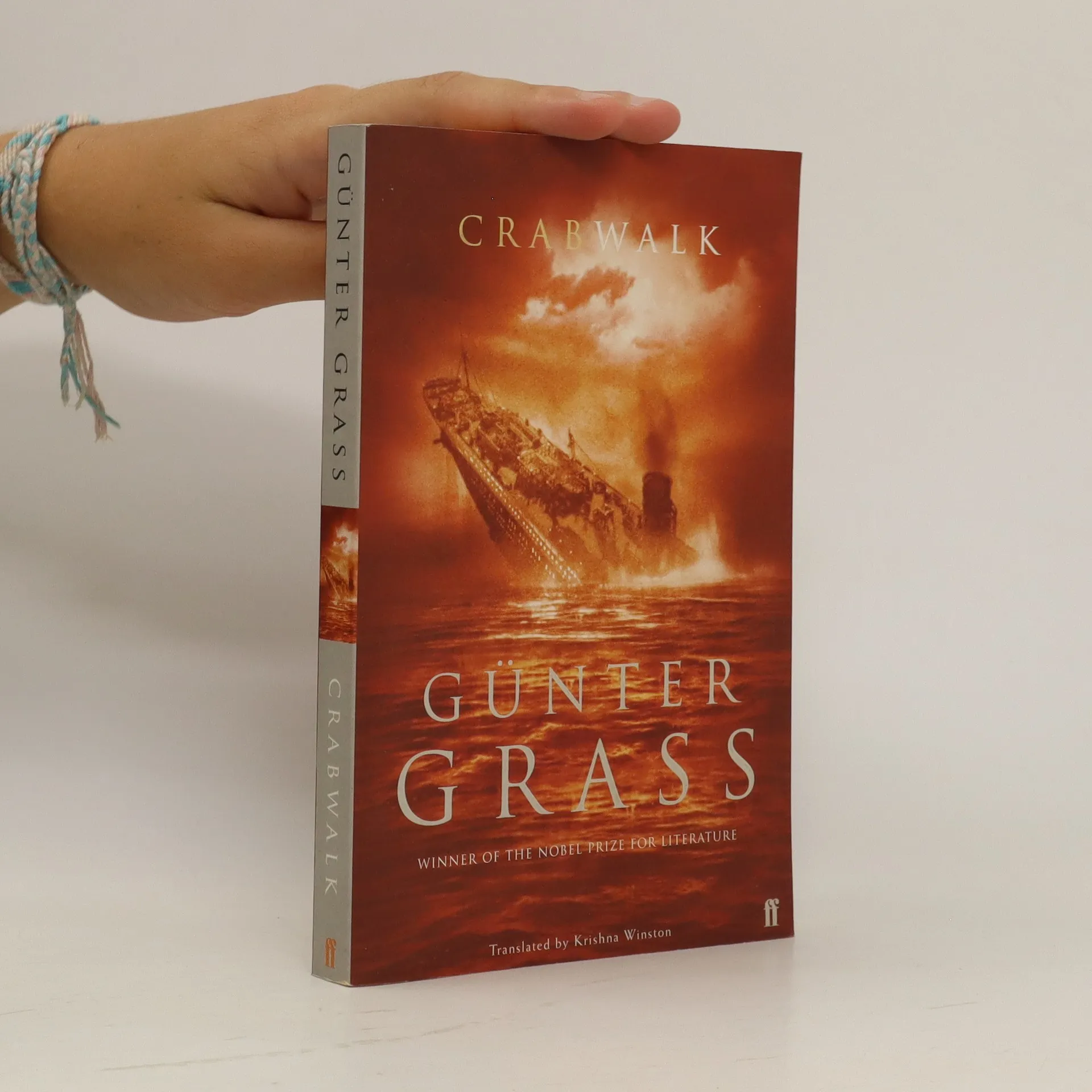
A collection of stories--one for every year of this century--offers an interlocking history of murder, war, wondrous technological achievement, persecution, athletic prowess, scientific advancement, and megalomania.
From Books Cover: Gunter Grass has been wrestling with Germany's past for decades now. In this new novel Grass examines a subject that has long been taboo - the suffering of Germans during World War II. It is the story of the sinking of the Wilhelm Gustloff, a former cruise ship turned refugee carrier, by a Soviet submarine in January 1945. Some 9,000 people, most of them women and children fleeing from the advancing Red Army went down in the Baltic Sea, making it the deadliest maritime disaster of all time. Grass's narrator is one of the few survivors, a middle-aged journalist who live in Berlin. Born to an unwed mother on a lifeboat the night of the attack, Paul Pokriefke tries to piece together the tragic events. While his mother Tulla sees her whole existence in terms of that calamitous moment, Paul wishes their life could have been more normal, less touched by the past. For his teenage son Konrad, who dabbles in the dark, far-right corner of the internet, the Gustloff embodies the denial of Germany's wartime agony.
A German art historian and a Polish art restorer find adventure and love in the cemetery business. Their vision is to offer plots in Gdansk to those Germans who had been exiled after World War II. A New York Times Notable Book of the Year. Line drawings by the Author. Translated by Ralph Manheim. A Helen and Kurt Wolff Book