
Explore the latest books of this year!
Bookbot

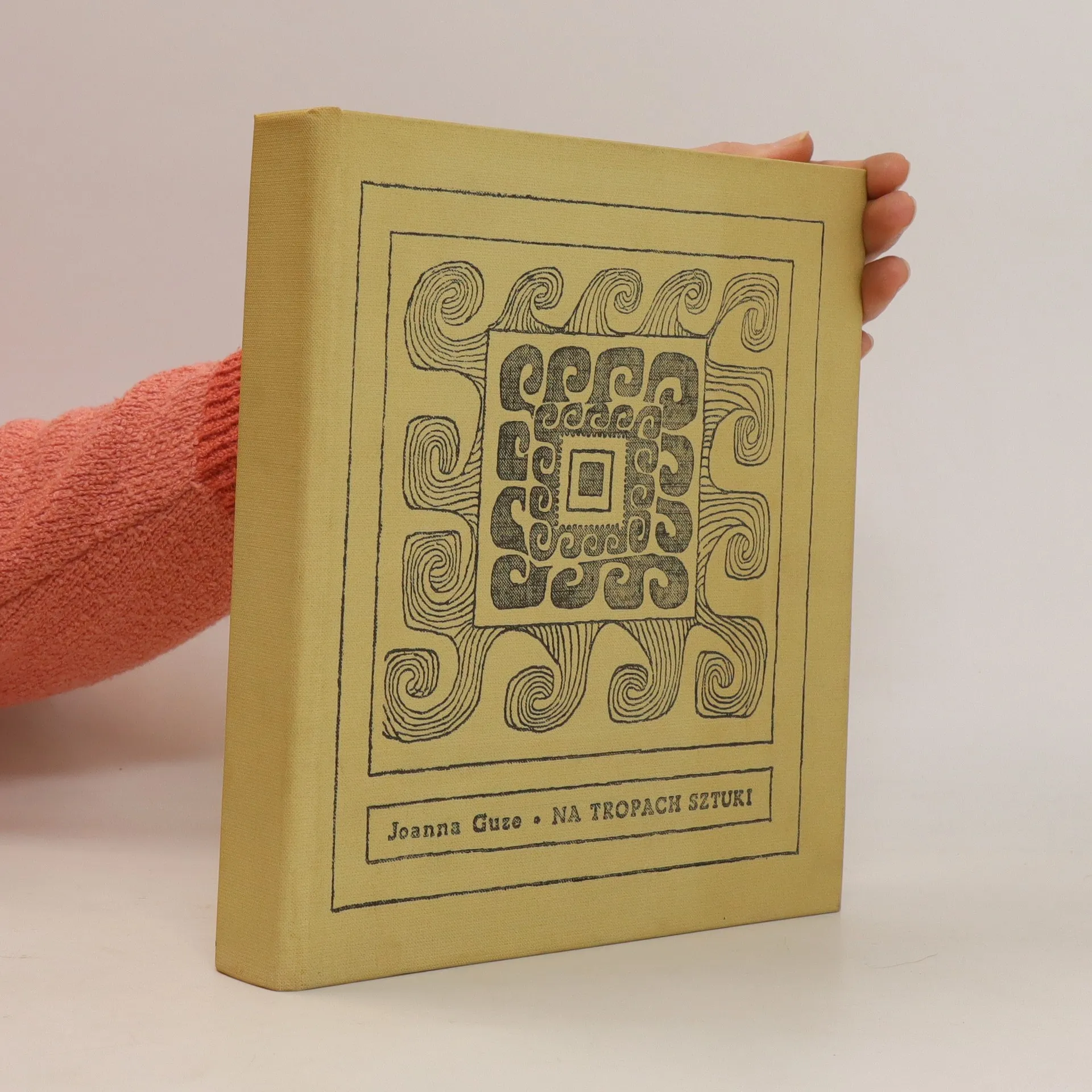
Joanna Guze

    Wśród bohaterów kina
    A művészet nyomában
    Kulisiewicz
    The Fall
    Tascabili Guanda. Narrativa: Lettere a Theo
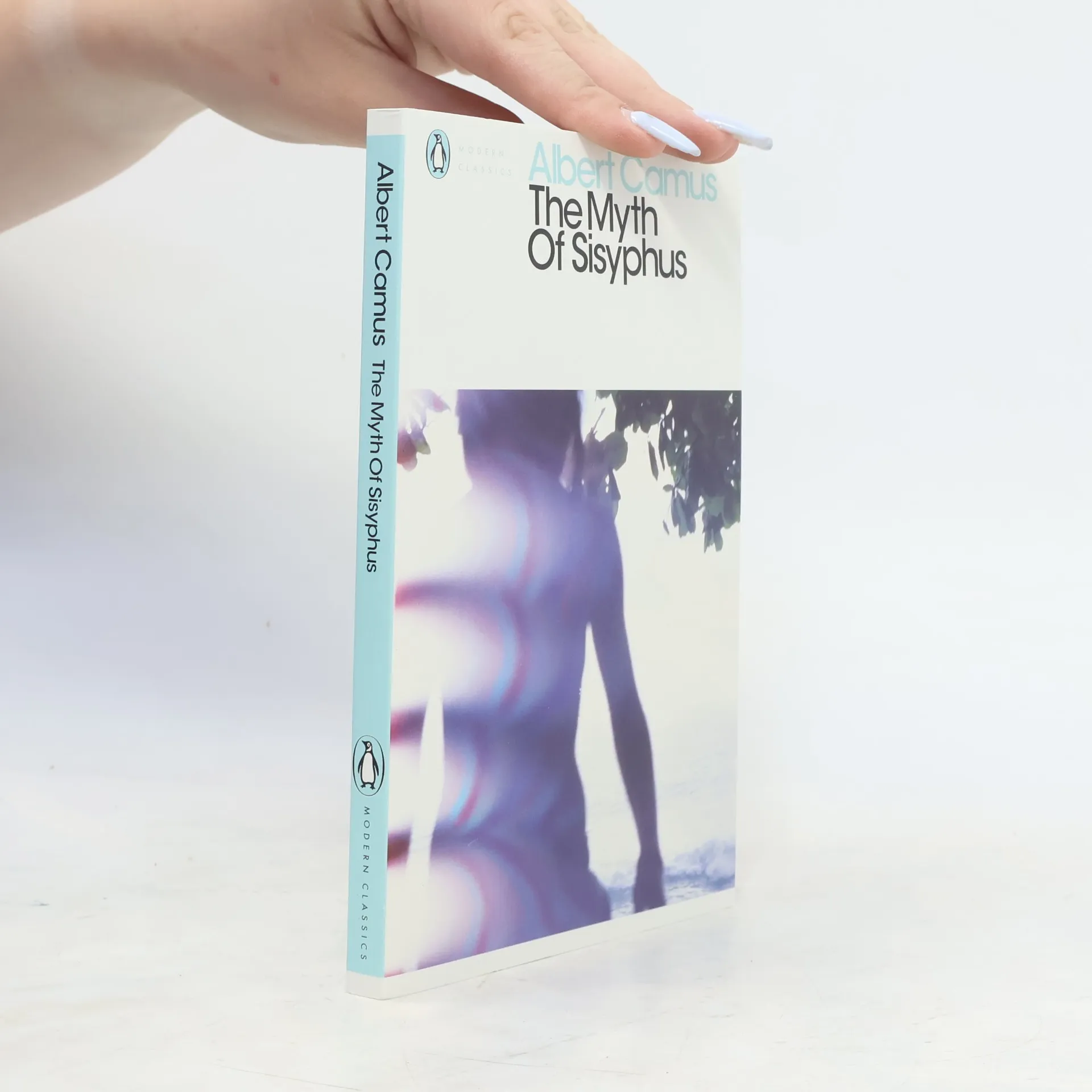
    The Myth Of Sisyphus
    • "Caro Theo": per molto tempo, dall'agosto 1872 fino al 27 luglio 1890, due giorni prima di morire dopo essersi sparato un colpo di rivoltella, Vincent Van Gogh scrisse al fratello Theo con una costanza che trova il solo termine di paragone nell'amore che egli nutriva per lui. Per molto tempo Theo fu il suo unico interlocutore; sempre fu quello privilegiato, il solo cui confidò le pene della mente e del cuore. Del resto, le lettere a Theo (qui presentate in una scelta che riprende, con qualche variante, la versione integrale apparsa in Italia nel 1959) costituiscono la gran parte dell'epistolario vangoghiano. Dalla giovinezza alla piena maturità, esse ci permettono di seguire, quasi quotidianamente, la vicenda artistica e umana del grande pittore.
      Tascabili Guanda. Narrativa: Lettere a Theo2002
      4.0
    • 'What I touch, what resists me-that is what I understand' The writings in this volume are all, in their own way, hymns to the physical world and the elemental pleasures of living. Through the story of a man condemned forever to roll a rock up a hill, The Myth of Sisyphus argues that, in a meaningless world, freedom and happiness can be gained through an awareness of pure existence. The other essays here include a lyrical evocation of the skies, shadows and silences of summer in Algiers, memories of street life in Oran and an exploration of beauty as our salvation.

      The Myth Of Sisyphus1999
      4.3
    • The Fall

      • 96 pages
      • 4 hours of reading

      Jean-Baptiste Clamence is a soul in turmoil. Over several drunken nights in an Amsterdam bar, he regales a chance acquaintance with his story. From this successful former lawyer and seemingly model citizen a compelling, self-loathing catalogue of guilt, hypocrisy and alienation pours forth. The Fall is a brilliant portrayal of a man who has glimpsed the hollowness of his existence. But beyond depicting one man's disillusionment, Camus's novel exposes the universal human condition and its absurdities - for our innocence that, once lost, can never be recaptured . . .

      The Fall1971
      4.1