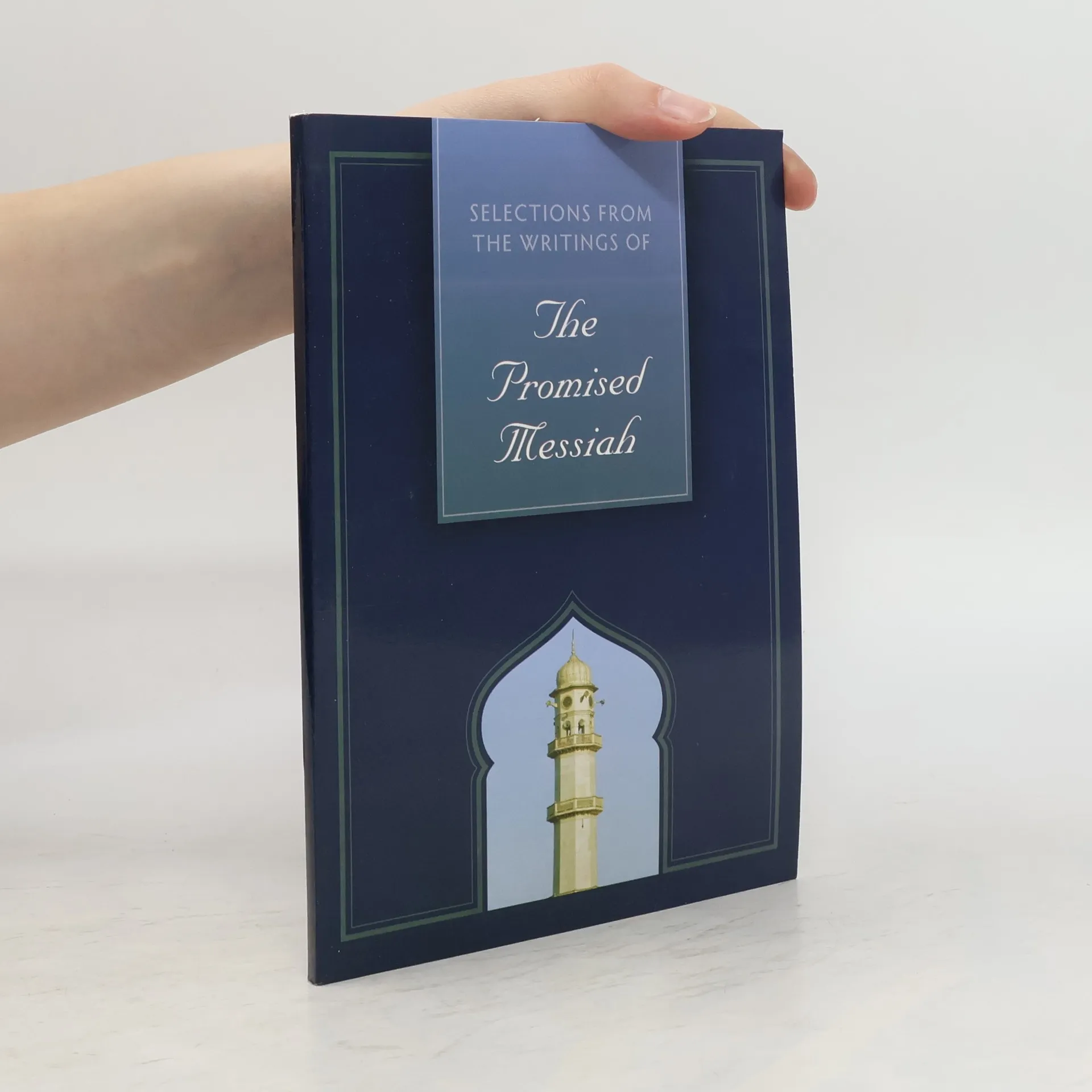
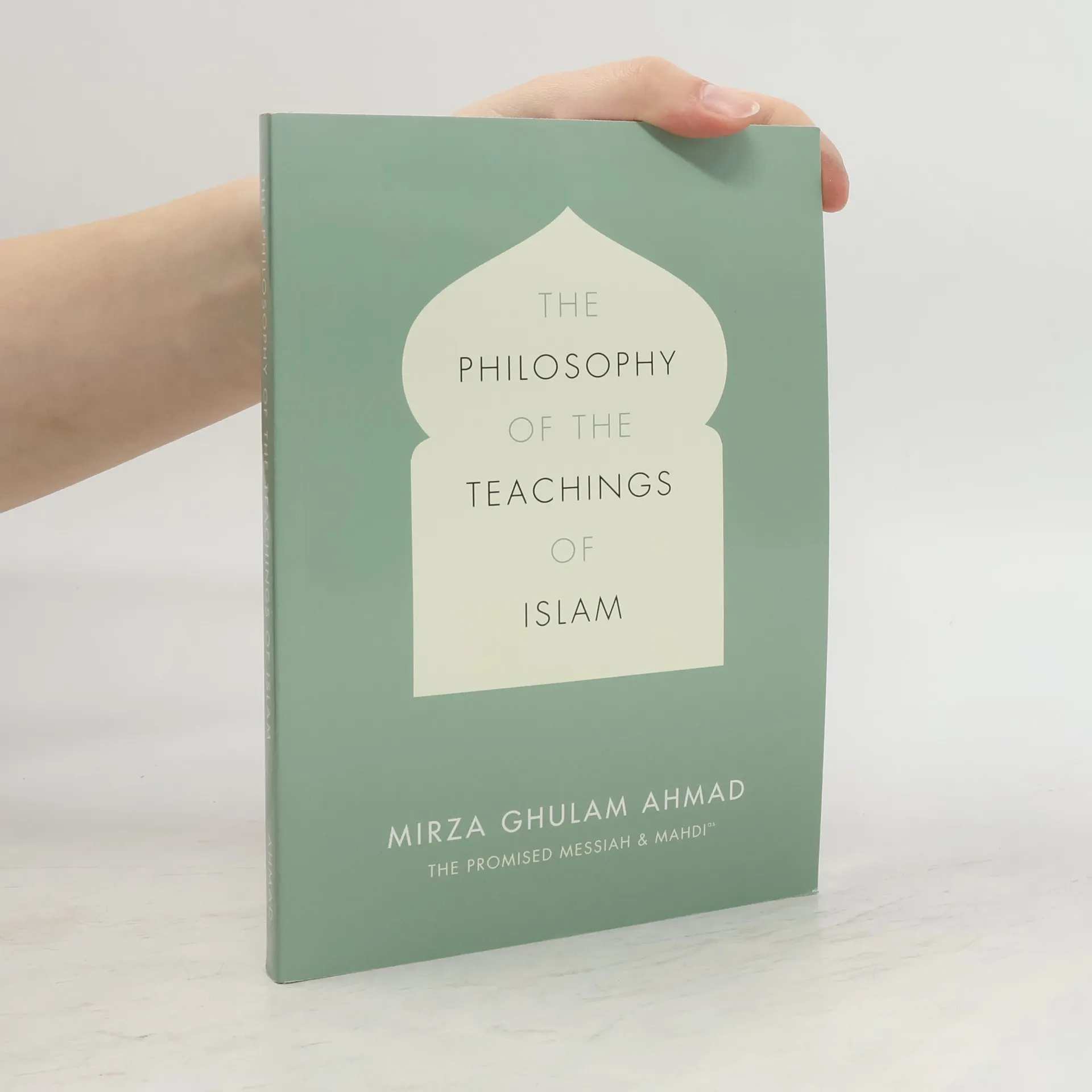
Exploring a range of Islamic teachings, this collection features excerpts that delve into fundamental topics such as Allah and the afterlife. The original text is presented alongside its English translation, allowing readers to engage with the material in both languages. This dual presentation enhances understanding and appreciation of the teachings.
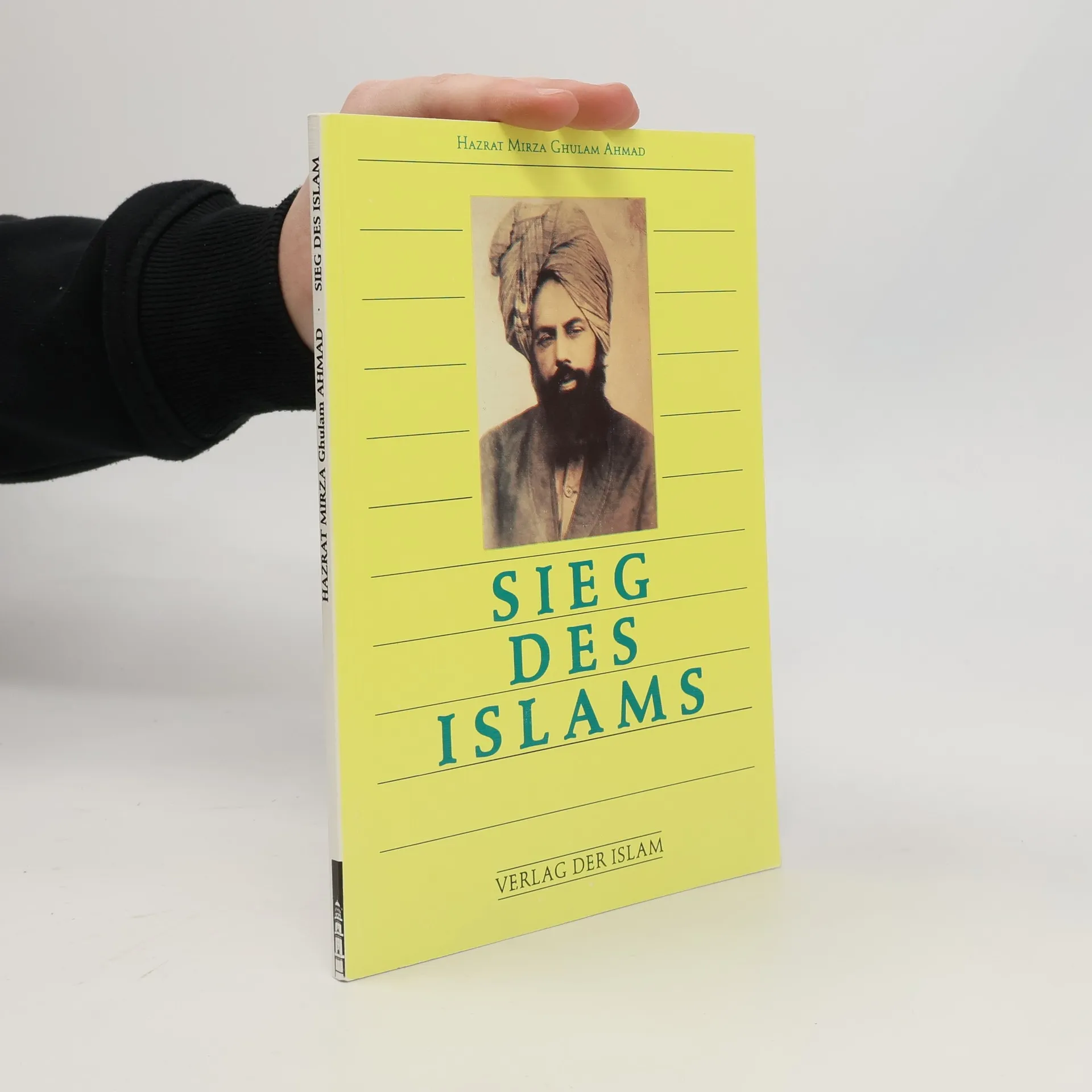
In late 1896, a great conference of religions was held in Lahore, India, where representatives of various faiths delivered speeches in response to five questions proposed by a designated committee, aimed at demonstrating the virtues and excellence of true religion. The five questions were: 1. The natural, moral, and spiritual states of humanity; 2. The state of humanity after death; 3. The true purpose of human life and the means to achieve it; 4. The impact of actions on human life in this world and the next; 5. The means of knowledge, or true understanding. Representatives from nine different religions and groups, including Hinduism, Arya Samaj, Christianity, Sikhism, and Islam, delivered speeches. Among all these speeches, only one provided a genuine and complete answer to the posed questions. This speech was an article by Mirza Ghulam Ahmad Qadiani, the founder of the Ahmadiyya Muslim Community. The fame of this article spread widely, and thinkers discussed it in various media. The book demonstrates the greatness of Islam and affirms it as the complete religion of God, answering the five questions and revealing lofty Quranic knowledge.
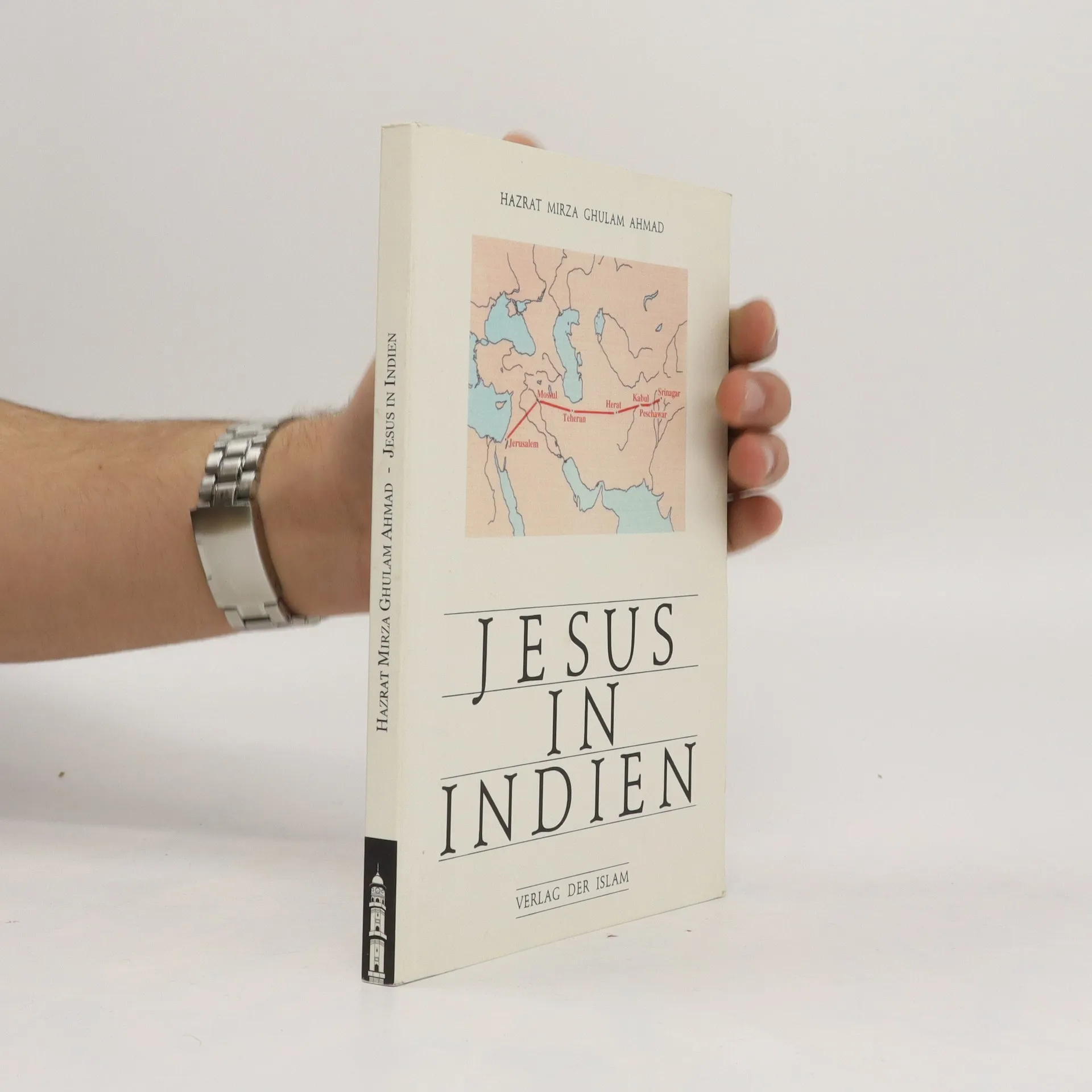
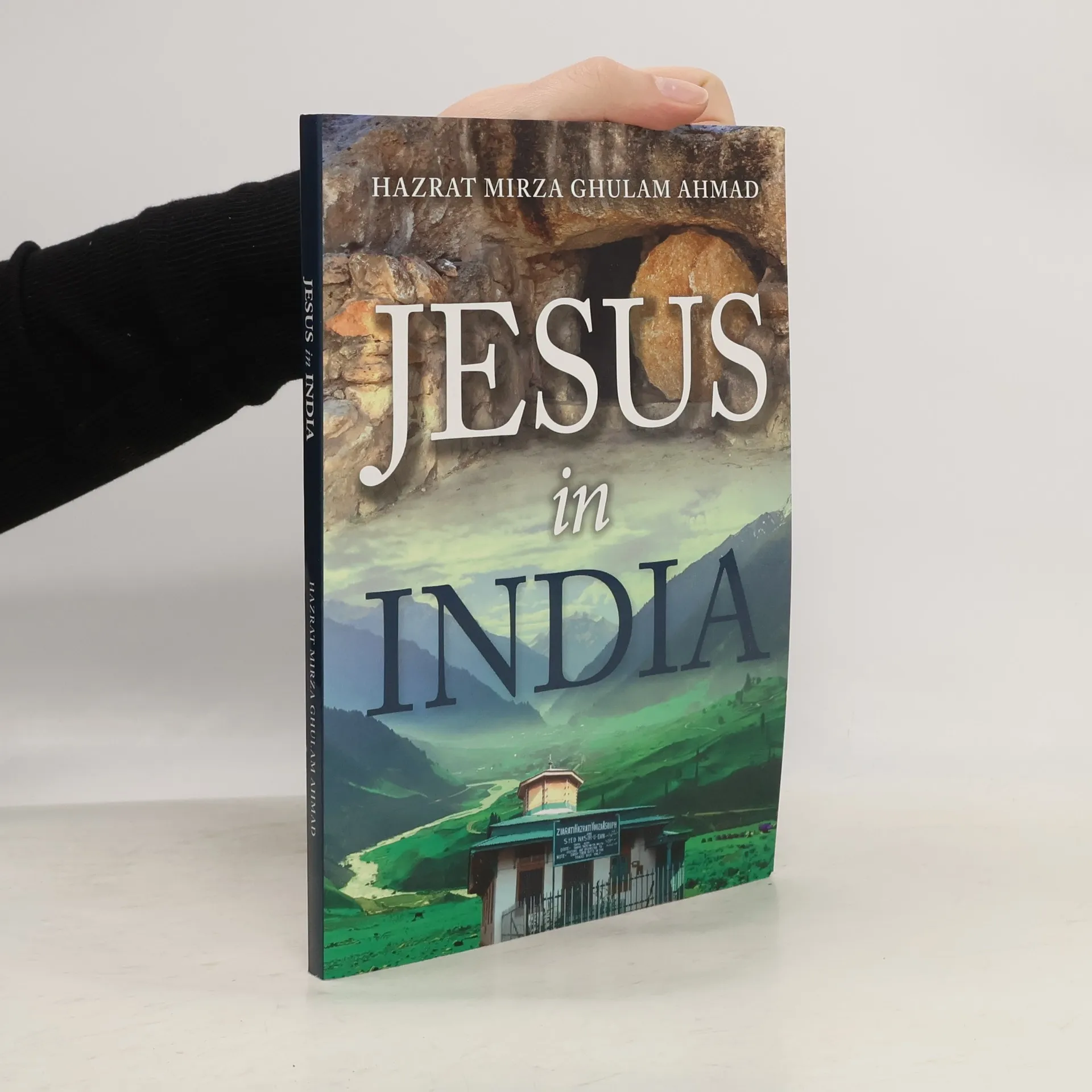
Die Auffassung, dass Jesus nicht am Kreuz starb, ist nicht neu. Im Verlaufe der Geschichte des Christentums wurde diese These immer wieder diskutiert, zumal im 19. Jahrhundert, als eine größere Anzahl von Theologen Europas diese Überzeugung verbreitete. So hat Hazrat Mirza Ghulam Ahmad, der Begründer der Ahmadiyya Muslim Gemeinde, auf dieser Grundlage mit Vernunftbeweisen dargelegt, dass Jesus dem Tode am Kreuz nicht nur entrinnen konnte, sondern auch nach seinem Überleben die Missionsarbeit fortsetzte und sich auf die Suche nach den verlorenen Stämmen Israels begab. So erreichte Jesus Indien und das Hochland Kaschmir. Der Autor dieses Buches hat anhand der unterschiedlichsten Schriften und Bücher Beweisaufnahmen vorgelegt, die auch dem heutigen Wissen entsprechen und einer Neuuntersuchung zu unserer Zeit standhalten würden. Er zeigte dies auch anhand von Erörterungen und Erklärungen religiöser Schriften, die sich nicht nur vor seiner eigenen Zeit oft stark gewandelt hatten - so der Buddhismus -, sondern die sich auch im Zeitalter der fast unbegrenzten Nachrichtenfreiheit, unserem eigenen, von anderen und meist sehr unterschiedlichen Seiten zeigen und vorstellen.