

Katarína Kravčíková Book order (chronological)

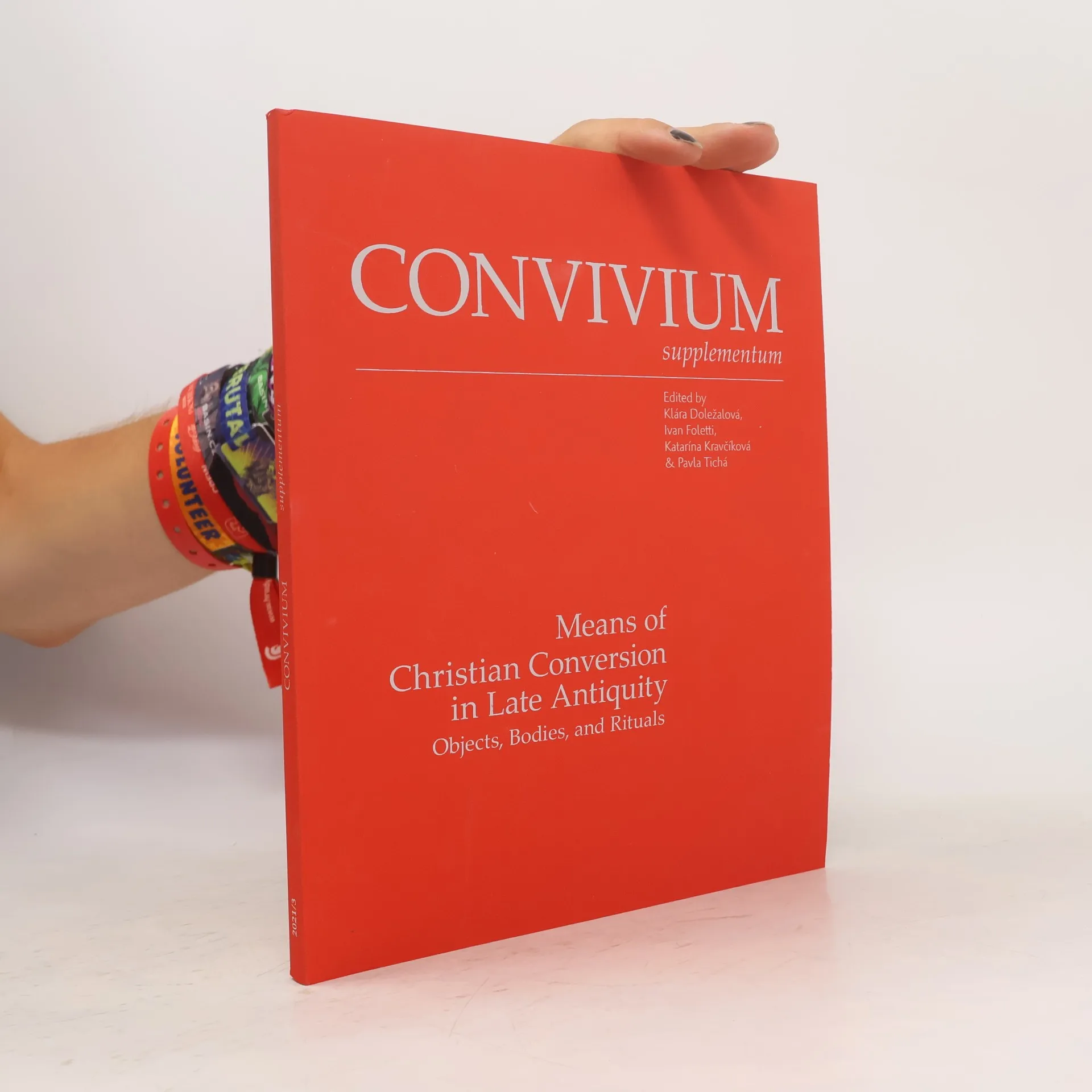
Convivium Supplementum - 2023/4: Means of Christian Conversion in Late Antiquity
Objects, Bodies, and Rituals
- 172 pages
- 7 hours of reading
This volume presents the proceedings of the conference Materiality and The Role of Material and Visual Cultures in the Christianization of the Latin West organized by the Centre for Early Medieval Studies in 2020. Its contributions thus focus on the Christianization of the Roman Empire between the fourth and sixth centuries. The studies examine the religious change through the "material turn" approach, building on the material and sensorial dimension of Christian conversion and especially the baptismal rite as one of the key components of the process. The material and visual cultures are regarded as vectors and witnesses of conversion to Christianity, while human body is viewed as one of the agents in ritual actions. The volume covers a wide range of topics, including the prebaptismal purification, the moment of immersion in the baptismal font, the postbaptismal alteration of perception, as well as the continuous changes in funeral forms. As such, the papers attempt to shed more light on the role of materiality in the complex and rapid conversion to Christianity in Late Antique West.
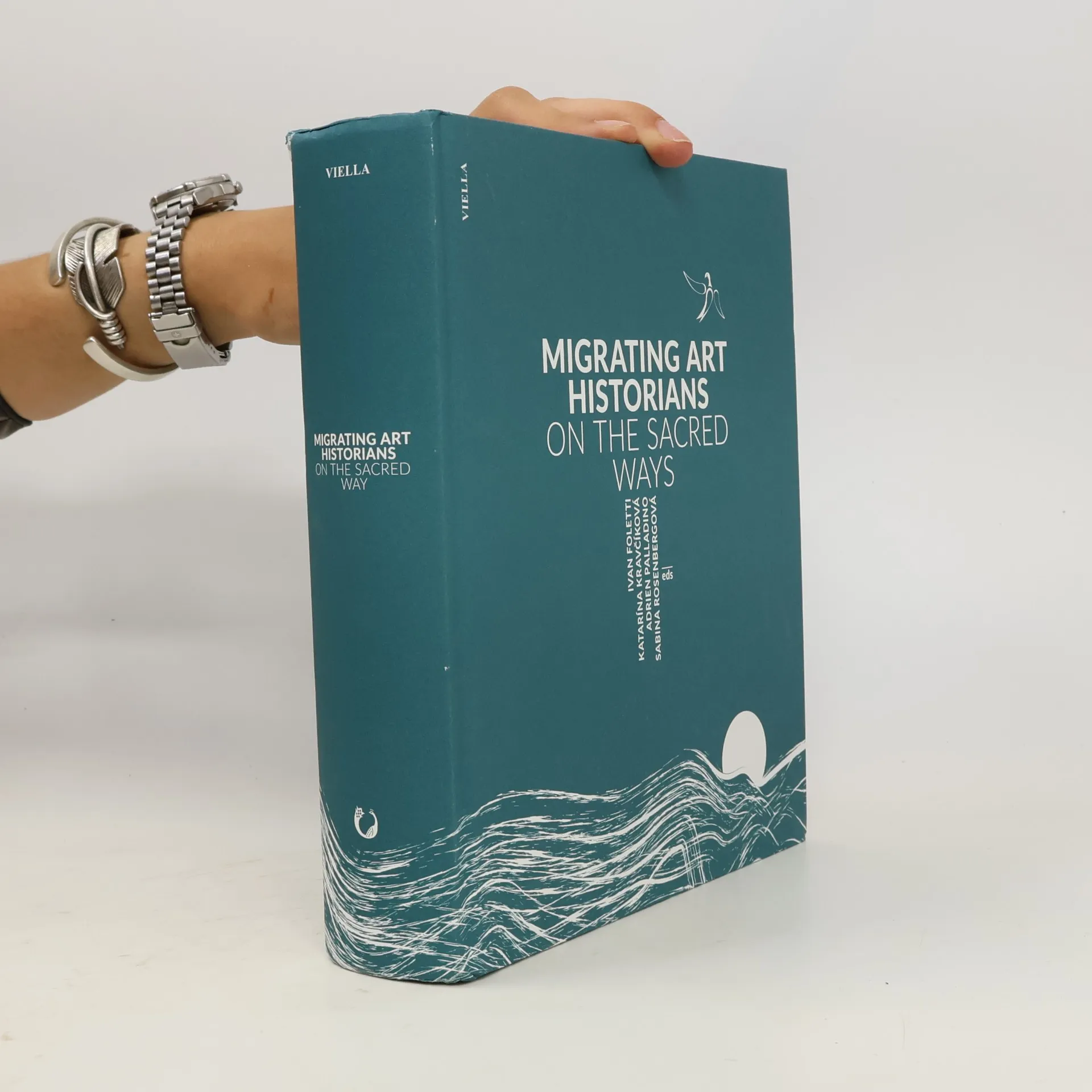
Migrating art historians on the sacred ways
- 467 pages
- 17 hours of reading
Is it possible to reconstruct the feeling of a medieval pilgrim walking towards the sacred? No, it is not. And yet, the experimental project Migrating Art Historians sought to delve into this impossibility. Journeying by foot over more than 1500km, twelve modern pilgrims - students and scholars from Masaryk University - reached some of the most impressive artistic monuments of medieval France. One year later, this book presents their intellectual, human, and art historical theoretical know-how, transformed by the experience of their bodies. In this context, exhausted and activated bodies became instruments asking new questions to medieval artworks and sources. Structured as a walk along pilgrimage routes, this book presents firstly the landscape, followed by liminal zones, before leading the reader inside medieval churches and ultimately towards the sacred. Original scientific art historical research combines with personal engagement. What emerges is the subject confronted with the experience of medieval art.