


Explore the latest books of this year!
Bookbot

Ronald M. Smelser

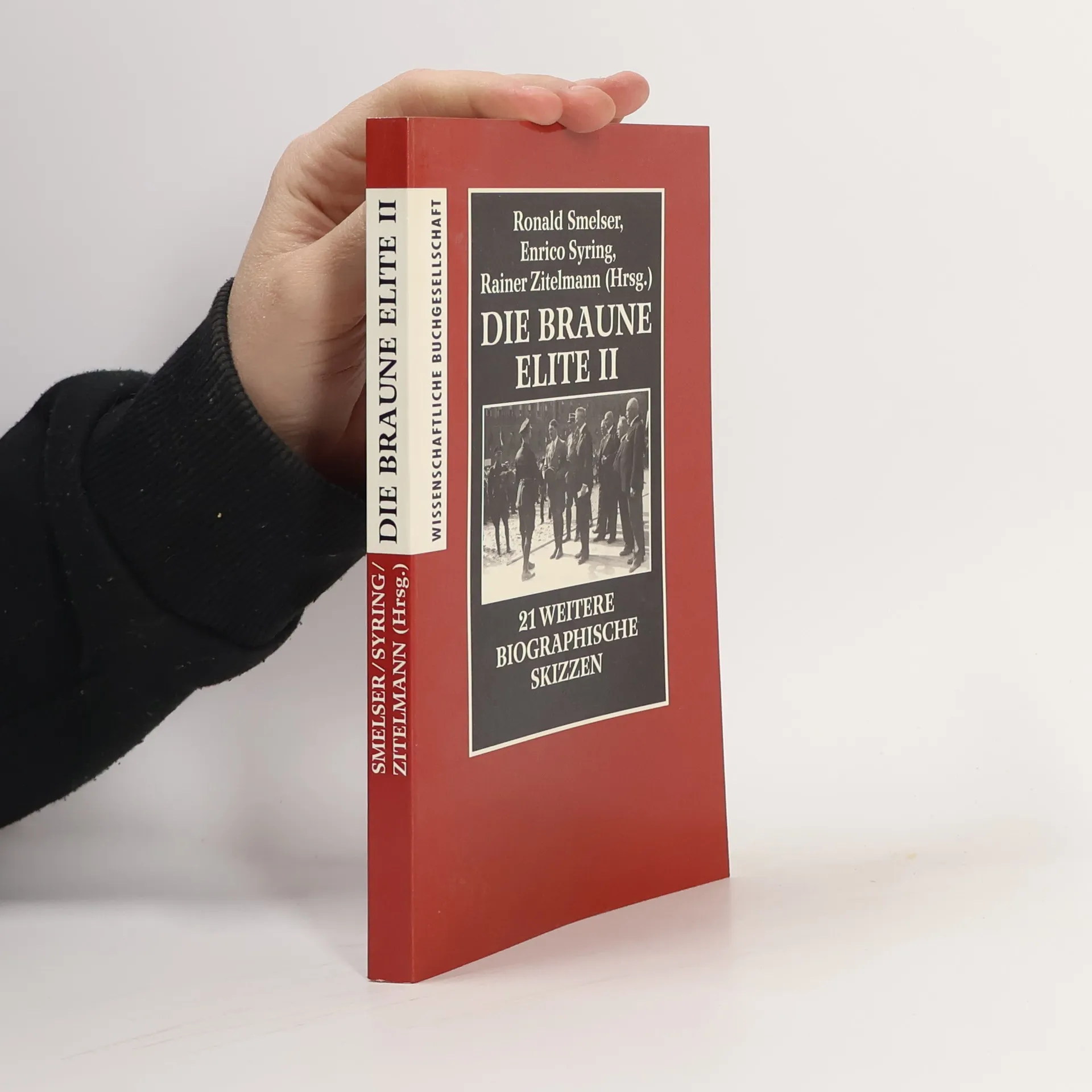
    Die braune Elite II
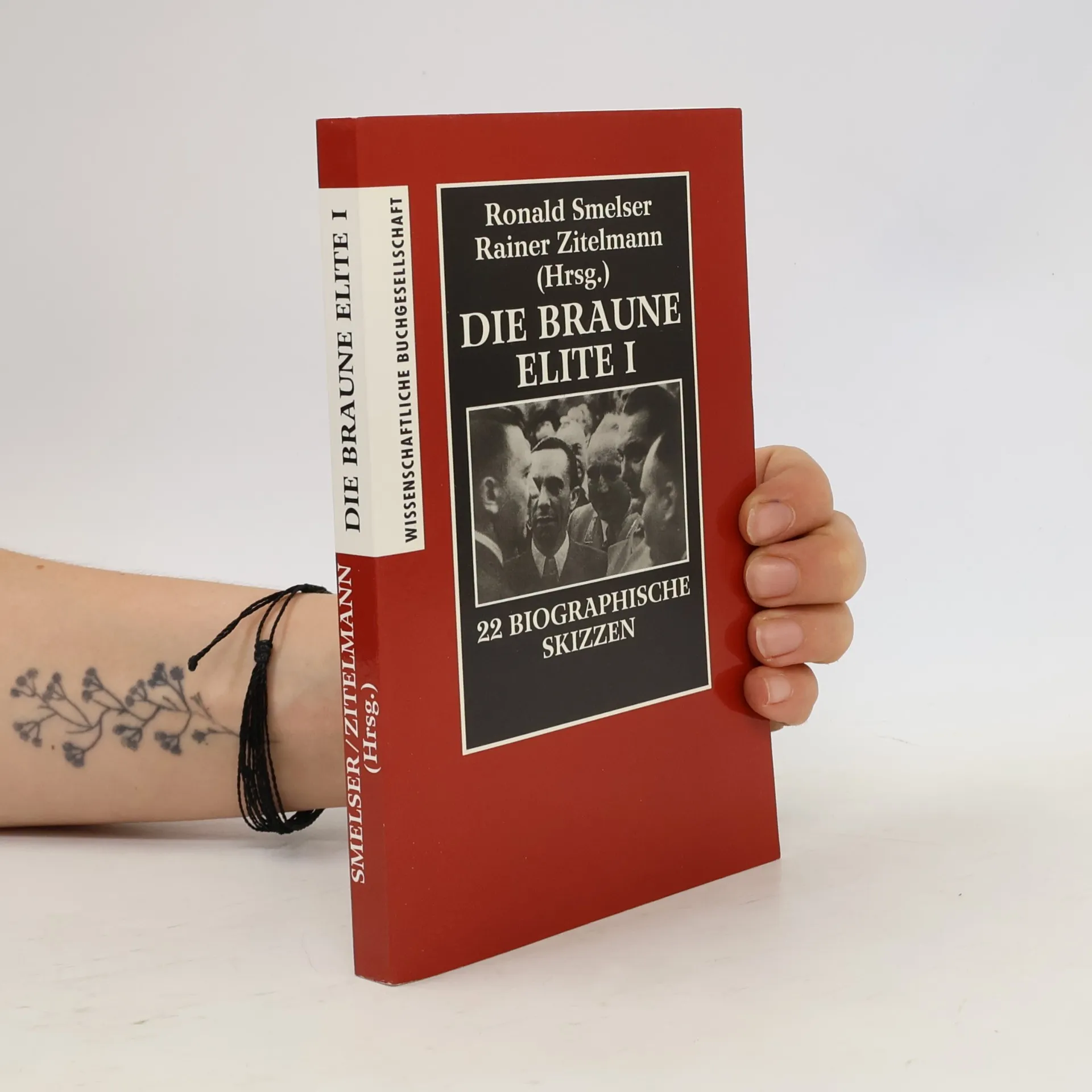
    Die Braune Elite I
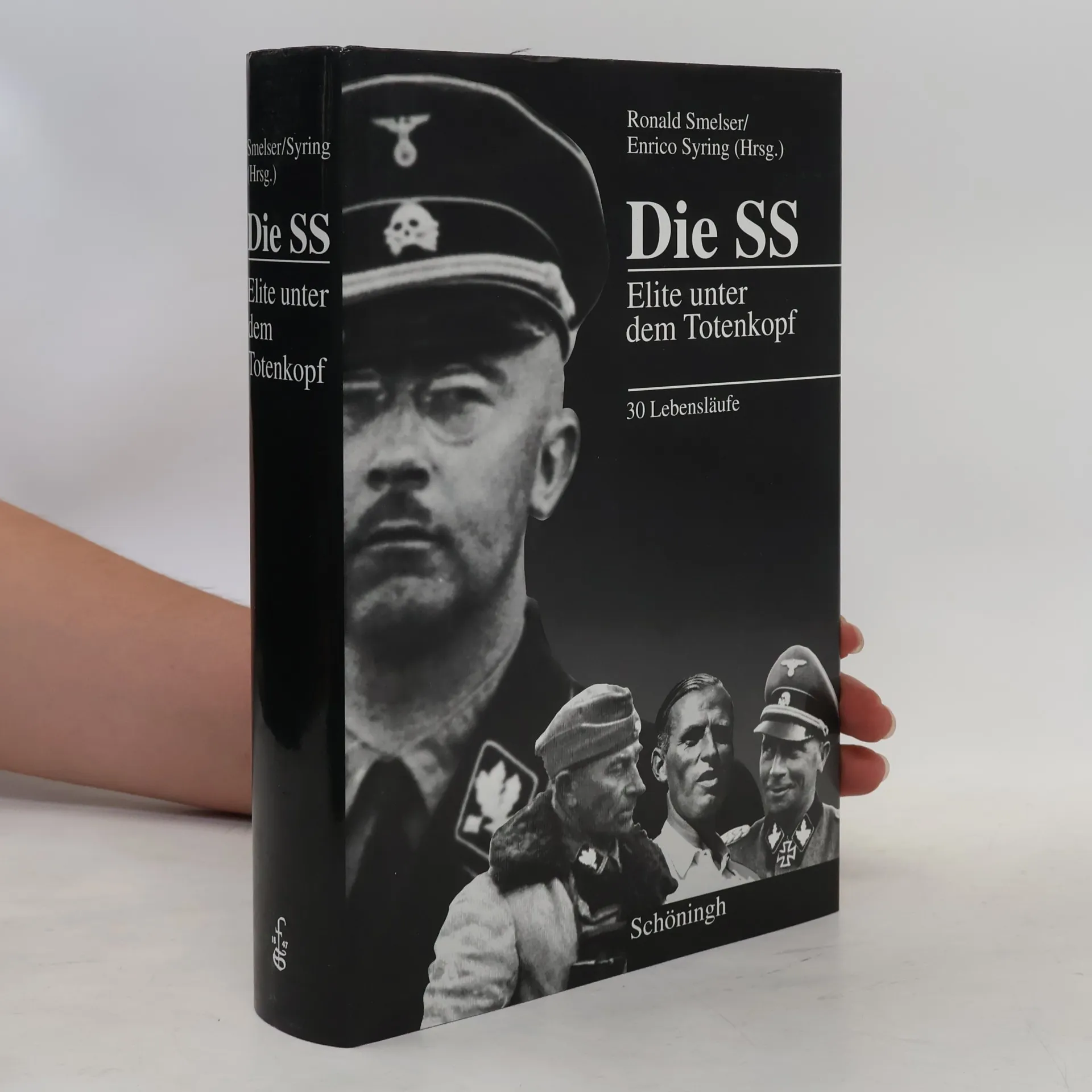
    Die SS: Elite unter dem Totenkopf
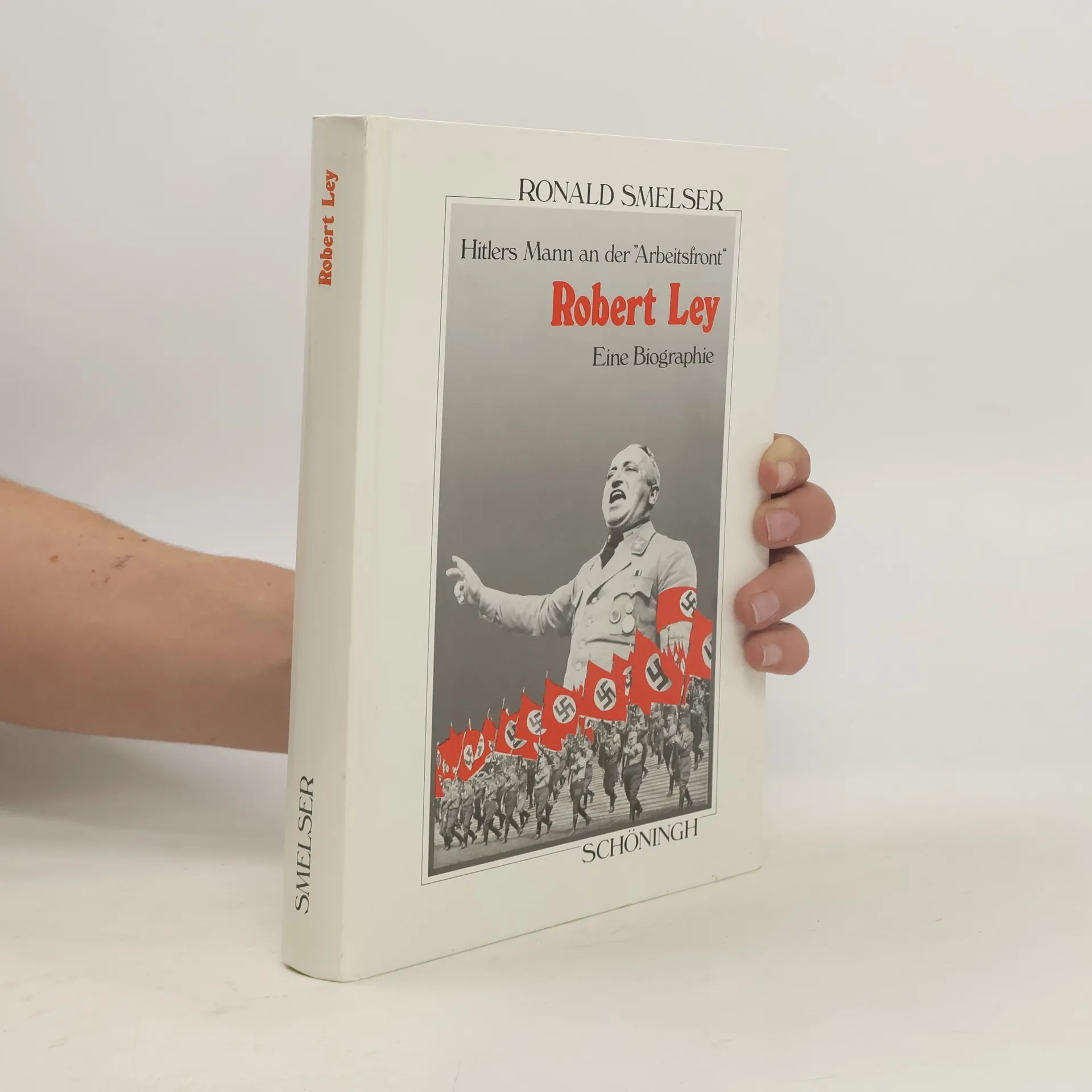
    Sammlung Schöningh zur Geschichte und Gegenwart: Robert Ley. Hitlers Mann an der Arbeitsfront
    The myth of the Eastern Front
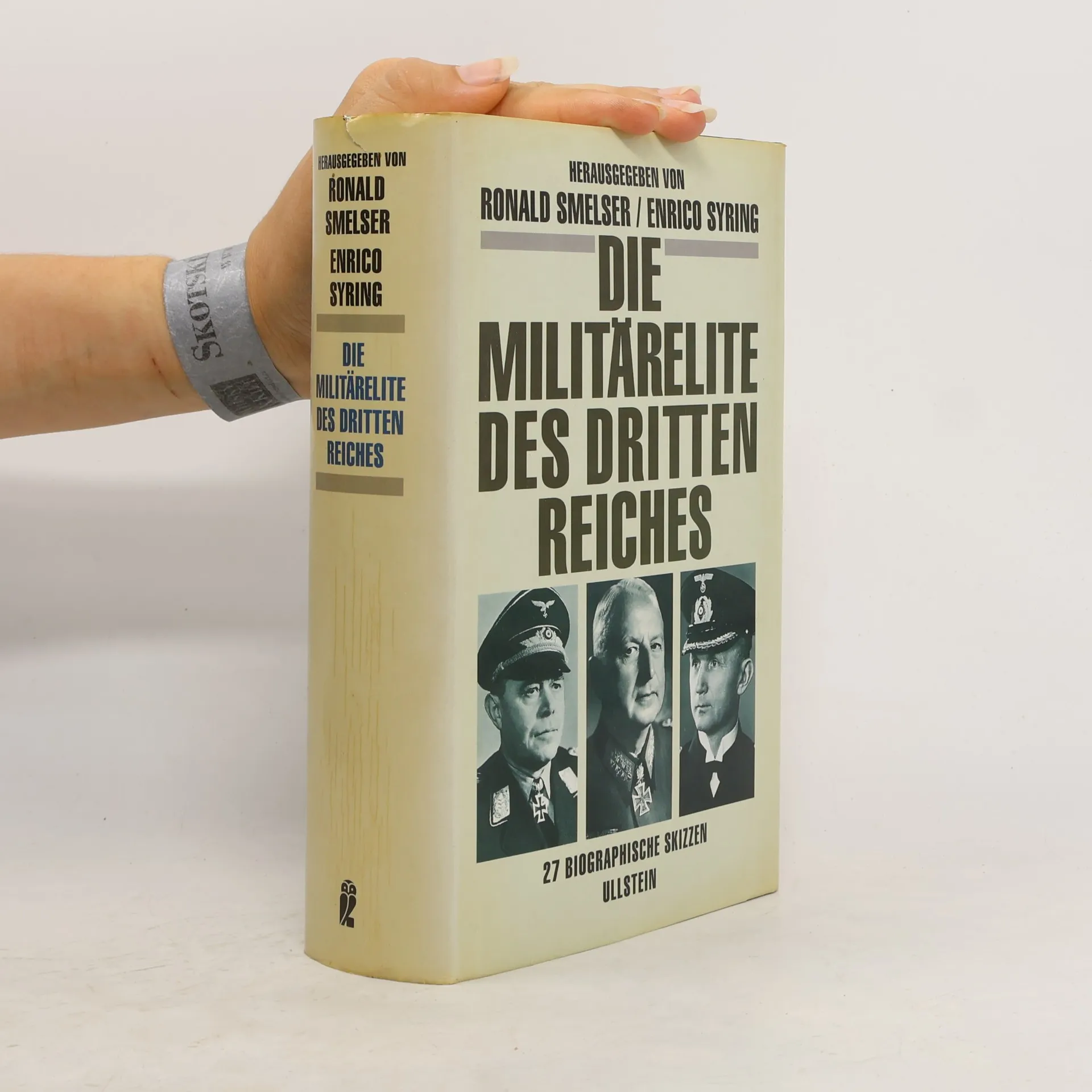
    The Nazi elite
    • The myth of the Eastern Front

      • 344 pages
      • 13 hours of reading

      From the 1950s onward, Americans were quite receptive to a view of World War II similar to the view held by many Germans and military personnel on how the war was fought on the Eastern Front in Russia. Through a network of formerly high-ranking Wehrmacht and Bundeswehr officers who had served on the Eastern Front, Germans were able to shape American opinions into an interpretation of World War II that left the Wehrmacht with a "clean" reputation in World War II history. A broad subculture of German military enthusiasts continues to romanticize the German army to this day.
      The myth of the Eastern Front2008
      3.8
    • Die SS: Elite unter dem Totenkopf

      30 Lebensläufe

      • 462 pages
      • 17 hours of reading

      'Ein wichtiges und zugleich populär geschriebenes Werk zum Verständnis des Nationalsozialismus.' Schwäbische Zeitung 'Die Biographien lesen sich spannend. Nicht nur für Fachleute, auch für interessierte Laien eine Bereicherung ihres Wissenstandes.' Archiv für Polizeigeschichte 'Ein Buch wider das Vergessen. ' Augsburger Allgemeine

      Die SS: Elite unter dem Totenkopf2003
      4.0
    • Hrsg. von Ronald Smelser und Rainer Zitelmann, umfasst das Buch 22 Fotografien und 323 Seiten. Es handelt sich um die 3. unveränderte Auflage.

      Die Braune Elite I1994
    • The Nazi elite

      • 259 pages
      • 10 hours of reading

      This volume addresses critical issues concerning 22 prominent figures in the Nazi Party and the NS regime, including their social origins, their experiences in World War I, how they came to join the Nazi Party, the role played by ideology in motivating them, their relationship with Hitler and with other NS leaders, and their historical importance for the NSDAP and the NS regime.

      The Nazi elite1993
      3.5
    • A biography of the leader of the Nazi labor organization, the Deutsche Arbeitsfront. Discusses factors which led Ley, a successful chemist, to join the Nazi Party in 1924. Argues that he saw in Hitler both a father figure and a messiah and accepted Nazism as a quasi-religious ideology which promised the racial regeneration of German society. Describes Ley's role as a party activist and Gauleiter in the Rhineland area, including his attacks on local Jews and antisemitic rabble-rousing, especially in his newspaper, the "Westdeutscher Beobachter." In 1928 he published an article accusing local Jews of ritual murder. The issue was confiscated and Ley was convicted and fined for insulting the Jewish religion and incitement to violence. In 1931 he became active in party organization, and as Labor Front leader from 1933 on he had little to do with anti-Jewish policy. The outbreak of war led to a revival in his antisemitic speeches and statements, but on his arrest in 1945 Ley denied involvement in actions against Jews. He committed suicide before he could be brought to trial.

      Sammlung Schöningh zur Geschichte und Gegenwart: Robert Ley. Hitlers Mann an der Arbeitsfront1989
      4.0