Zeitschrift der Deutschen Morgenländischen Gesellschaft - 174 - 2
- 292 pages
- 11 hours of reading


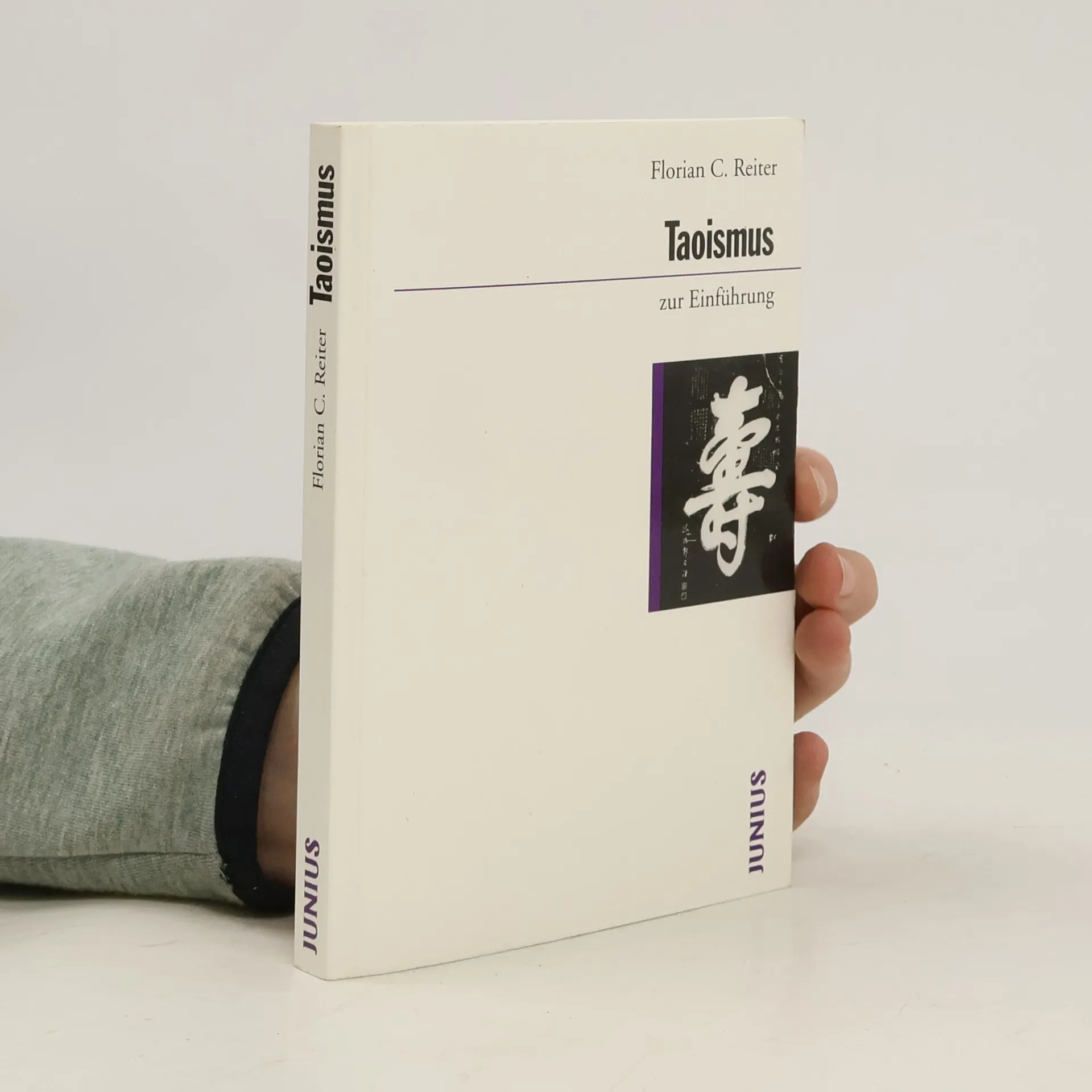

Florian C. Reiter untersucht die überraschende religiöse Renaissance in China nach der Kulturrevolution. Er beschreibt die Vielfalt von Tempeln, Festen und Gottheiten, die Tradition der Hausaltäre und die Ahnenverehrung. Zudem behandelt er Taoismus, chinesischen Buddhismus sowie Islam und Christentum in China und moderne Sekten wie Falun Gong.
Der Begriff "Taoismus" vereint zwei unterschiedliche, aber zusammengehörige Traditionen: eine philosophische Schulrichtung -als deren Hauptvertreter Lao-tzu und Chuang-tzu gelten - und den religiösen Taoismus. Die Heilsvorstellungen des religiösen Taoismus richten sich auf "Langlebigkeit" und "Unsterblichkeit". Die Exponenten solcher Vorstellungen waren Experten für die Techniken der Pflege des menschlichen Lebens wie Atemtechnik, Gymnastik, Diätetik und Sexualpraktiken. Florian C. Reiter, der heilige Schirften aus dem taoistischen Kanon übersetzt hat, lässt ein klares Bild des religiösen Taoismus entstehen, der infolge selektiver Kulturimporte in Europa oft missverstanden wurde.
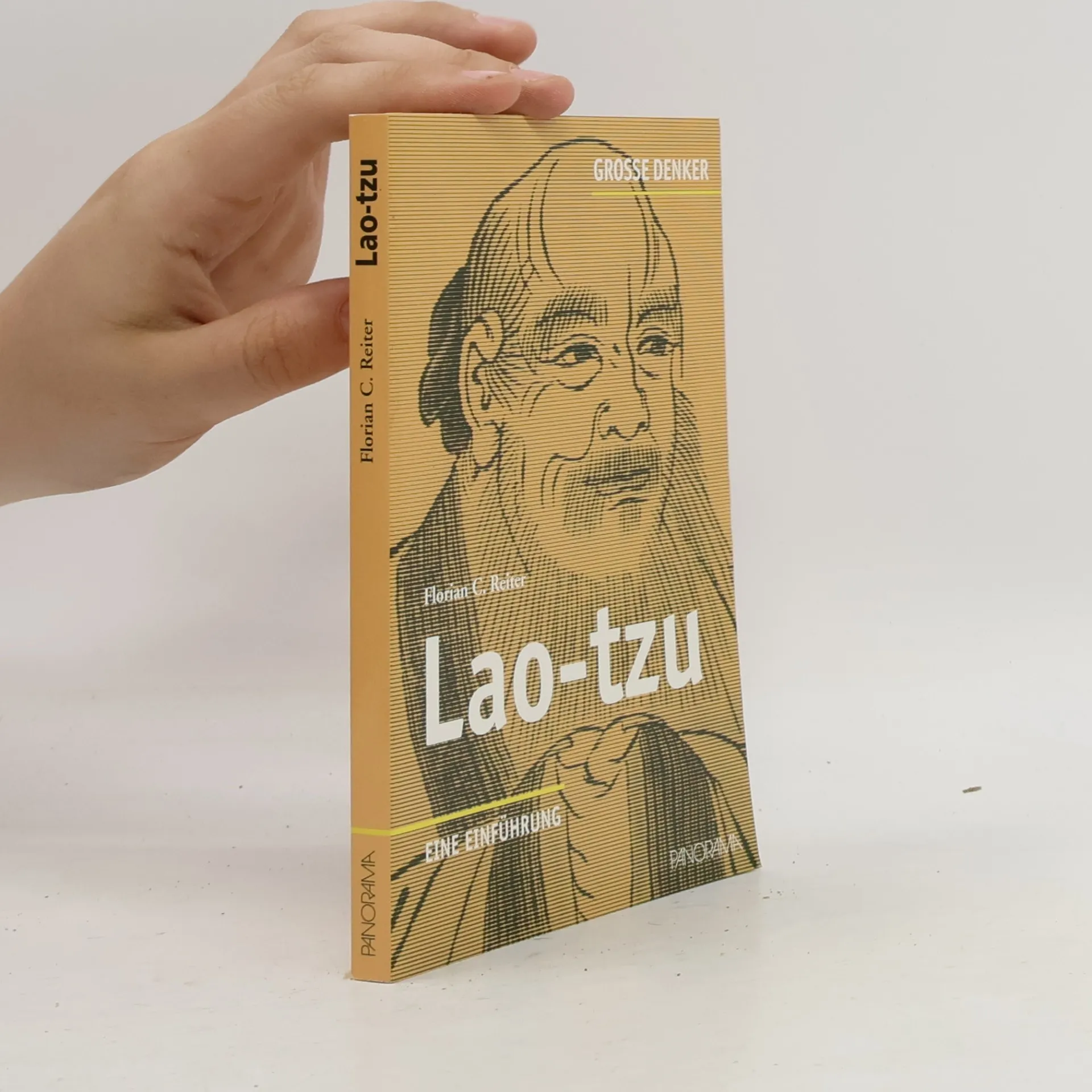
Lao-tzu (ca. 2. Hälfte des 4. Jhds. v. Chr.) - chinesischer Philosoph, Begründer des Taoismus und Verfasser der legendären Weisheitssprüche des Tao-te ching. Die Lehren des „Alten Meisters“, auch Laotse genannt, repräsentieren unvergängliche Inhalte, die aufs engste mit der östlichen Religions- und Philosophiegeschichte verknüpft sind. Eine kompakte Einführung in das Wirken des Lao-tzu, in die Grundlagen des Taoismus und in die Entstehungsgeschichte und chinesische Original-Rezeption des Tao-te ching.