2 Bände: Taschenbuchausgaben von 1980 (4. Aufl., 26.-30. Tausend), Suhrkamp Verlag. Gesamt: 717 Seiten.
4.3





2 Bände: Taschenbuchausgaben von 1980 (4. Aufl., 26.-30. Tausend), Suhrkamp Verlag. Gesamt: 717 Seiten.
Focusing on moral philosophy, this influential work by Immanuel Kant delves into practical reason and ethics. As the second of his three critiques, it systematically explores the foundations of moral decision-making, building on concepts introduced in the "Critique of Pure Reason" and setting the stage for the "Critique of Judgment." Published in 1788, it remains a significant contribution to philosophical thought.

Pluhar maintains a fine, even tone throughout. . . . Those who have found the prospect of teaching the third Critique daunting will admire its clarity. . . . No one will be disappointed. --Timothy Sean Quinn, The Review of Metaphysics
Stücke

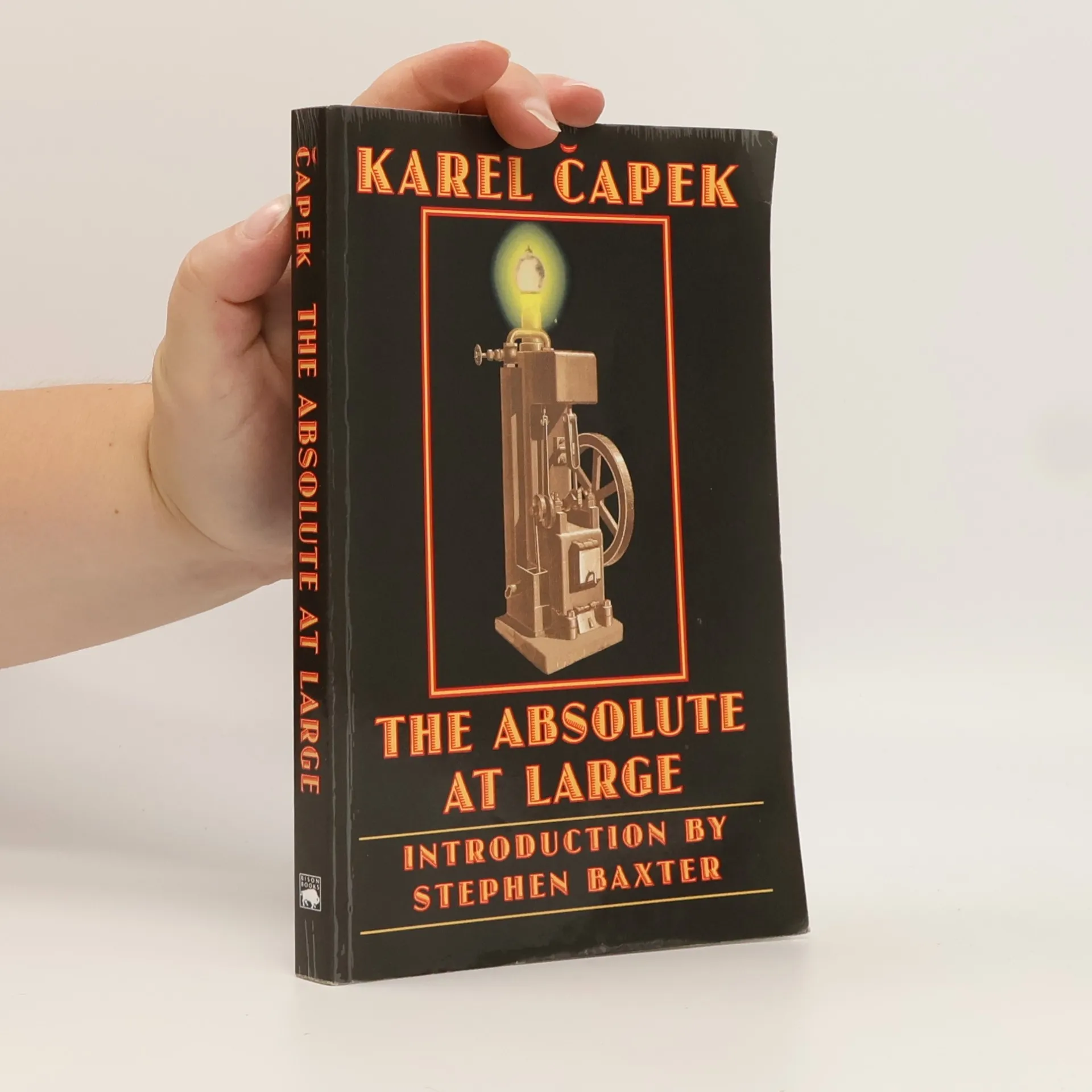
A brilliant scientist invents the Karburator, a reactor that can create abundant and practically free energy. However, the Karburator's super- efficient energy production also yields a powerful by-product the Absolute, the spiritual essence held within all matter, into the world.
This is the first novel by the author of "Immortality", which won "The Independent" Award for Foreign Fiction in 1991. Milan Kundera is also the author of "The Book of Laughter and Fogetting".
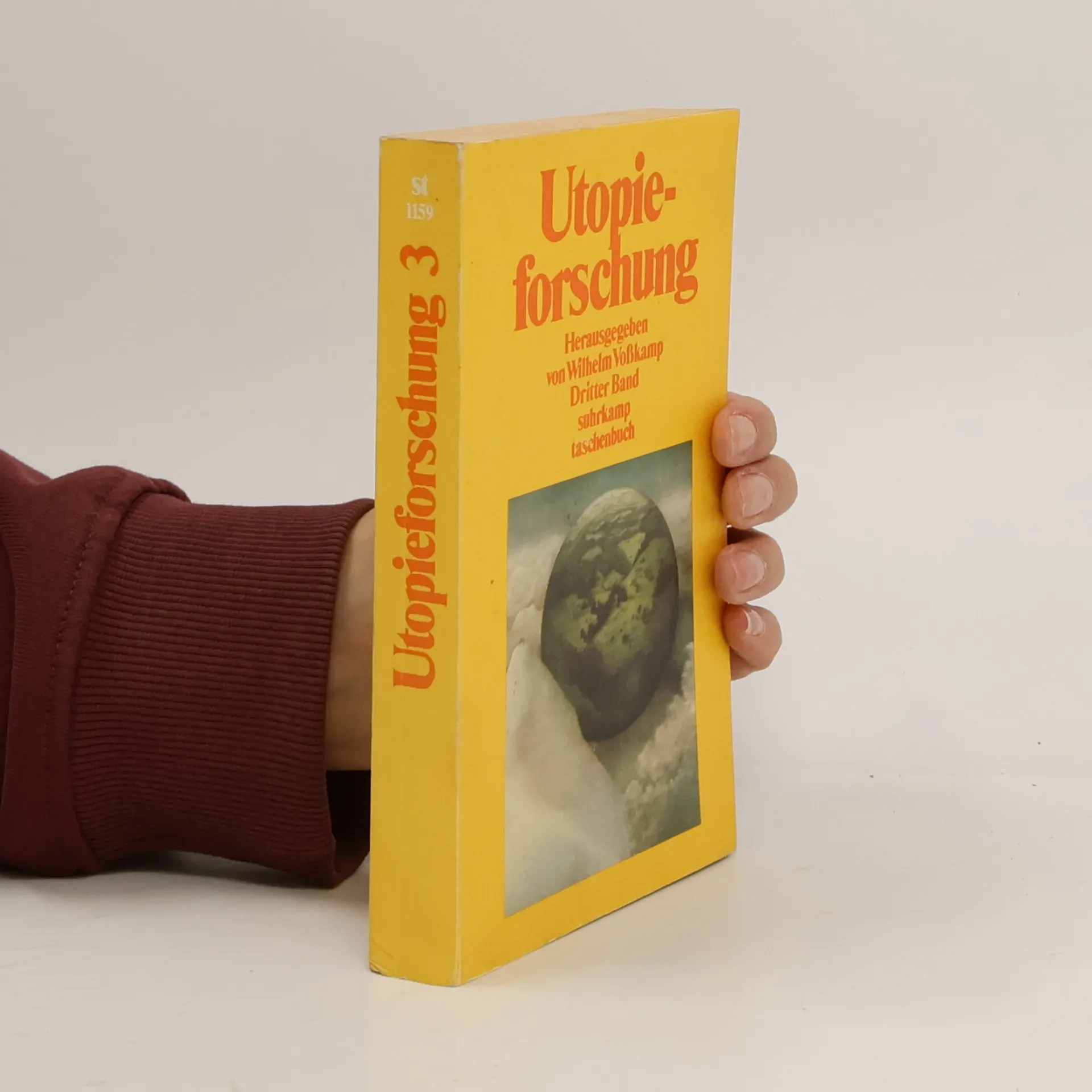


aeo This book is a sequel to the acclaimed Theory of Communicative Action. aeo The work is inter--disciplinary, covering the social sciences, philosophy and ethics. aeo Habermas is widely acknowledged to be the greatest living social and political theorist. aeo This book is a sequel to the acclaimed Theory of Communicative Action.
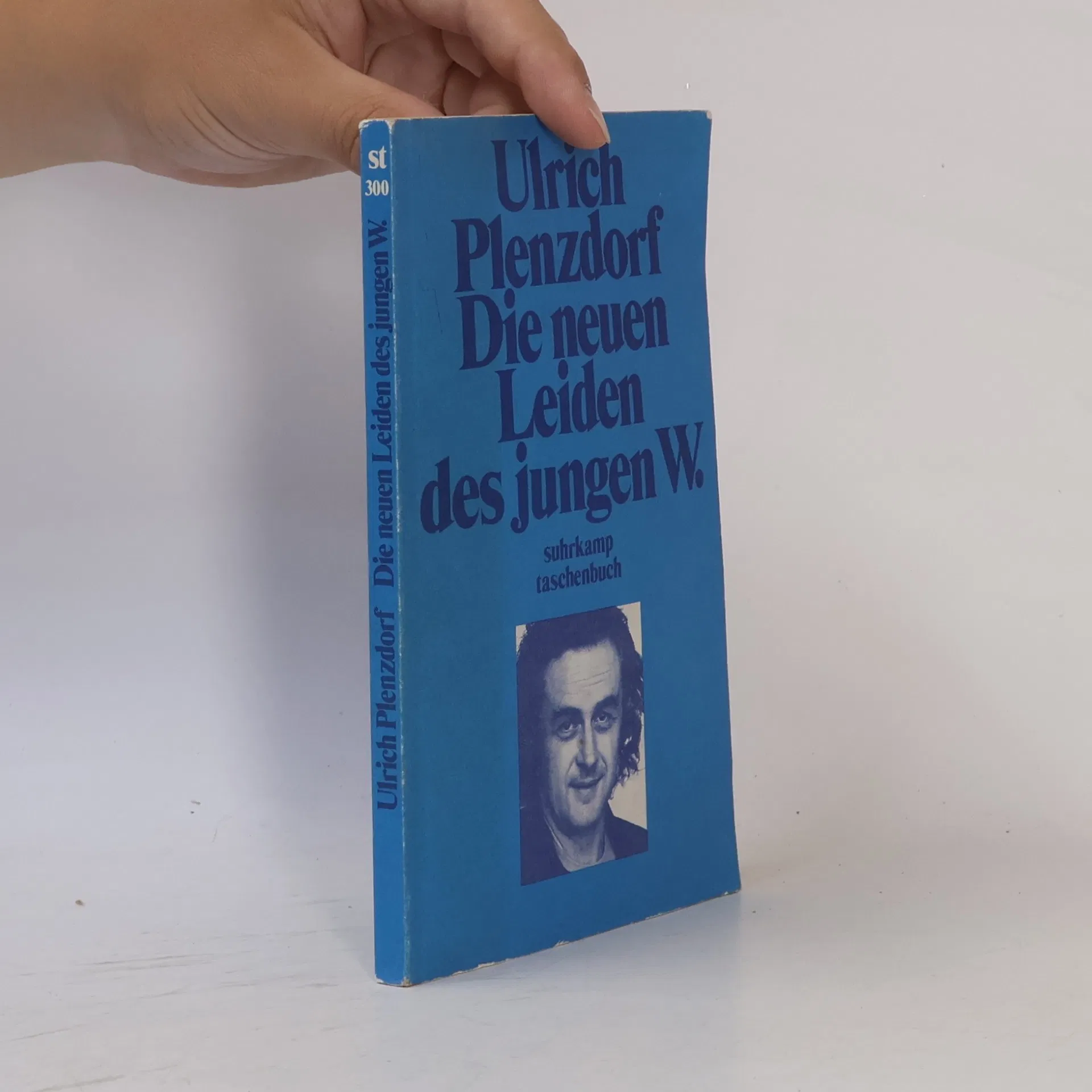
»Die ›neuen‹ Leiden des jungen W. sind die alten: Liebe, die als Eifersucht schmerzt, gestörtes Verhältnis zur Mitwelt, das als verletzter Ehrgeiz quält. Auch Werther 1972 liebt eine verlobte, später verheiratete Frau namens Charlotte, die er nicht wie sein Vorgänger Lotte, sondern ›Charlie‹ nennt« Rolf Michaelis, Frankfurter Allgemeine Zeitung.

Der Text gliedert sich in mehrere Teile, die verschiedene Aspekte menschlicher Wünsche und Träume beleuchten. Im ersten Teil wird die Thematik der Tagträume und deren Unterschiede zu Nachtträumen behandelt. Es wird erörtert, wie Wünsche im Alter variieren und welche Bilder sie hervorrufen. Der zweite Teil widmet sich dem antizipierenden Bewusstsein, das die Triebe des Menschen analysiert und deren historische Begrenztheit reflektiert. Hier wird auch die Rolle des Noch-Nicht-Bewussten und der utopischen Funktion in der menschlichen Psyche untersucht. Im dritten Teil wird die Darstellung von Wunschbildern in verschiedenen Medien wie Märchen, Film und Theater thematisiert. Es wird die Frage aufgeworfen, wie Menschen sich schöner darstellen und welche Rolle das Spiegelbild dabei spielt. Der vierte Teil beschäftigt sich mit der Konstruktion einer besseren Welt, indem er utopische Ideen in Bereichen wie Gesundheit, Gesellschaftssysteme und Technik betrachtet. Der letzte Teil thematisiert die Identität und die moralischen sowie spirituellen Dimensionen des erfüllten Augenblicks. Hier wird die Suche nach dem höchsten Gut und die Beziehung zwischen Individuum und Gemeinschaft beleuchtet. Der Text bietet eine facettenreiche Analyse von Wünschen, Träumen und der menschlichen Natur, die sowohl philosophische als auch praktische Perspektiven umfasst.
The acclaimed writer Peter Handke's extraordinary confrontation with his mother's suicide.
'A giant of twentieth-century science fiction' Guardian 'This Room Guaranteed BOMB-FREE. From the Management' Hapless cosmonaut Ijon Tichy has been sent back to earth to attend the Eighth Futurological Congress in smog-bound, overpopulated Costa Rica, holed up with an assortment of scientists in a luxury hotel (fully equipped with tear gas sprinklers in case things get out of hand). But when an unfortunate incident occurs involving a revolution and hallucinogenic drugs in the water supply, Tichy finds himself shot, frozen and thawed out in a future beyond anything he could ever have imagined.
Upon entering Switzerland, Mr. White is arrested on suspicion of being the missing sculptor Anatol Ludwig Stiller. Friends, his brother, his wife Julika, and the prosecutor support this suspicion in their statements. However, Mr. White's writings during his detention contradict this assertion, emphasizing, "I am not Stiller!" Through various narratives, he attempts to escape this identity assignment, which he finds questionable, yearning for the freedom to be someone else. The story explores how the self becomes a claim to the world, opposing it with a counterclaim, a non-self. Instead of the self, a fabricated identity emerges, becoming an object. The narrative transforms the self into a criminal case. Frisch, through this form, becomes a narrator who tells not first about Stiller but about himself, about White. Stiller becomes the other whose identity he investigates, as it is constantly asserted that he is identical to him. This narrative form allows for a self-presentation that engages the reader and encourages participation. Without this involvement, Stiller remains neither readable nor comprehensible.

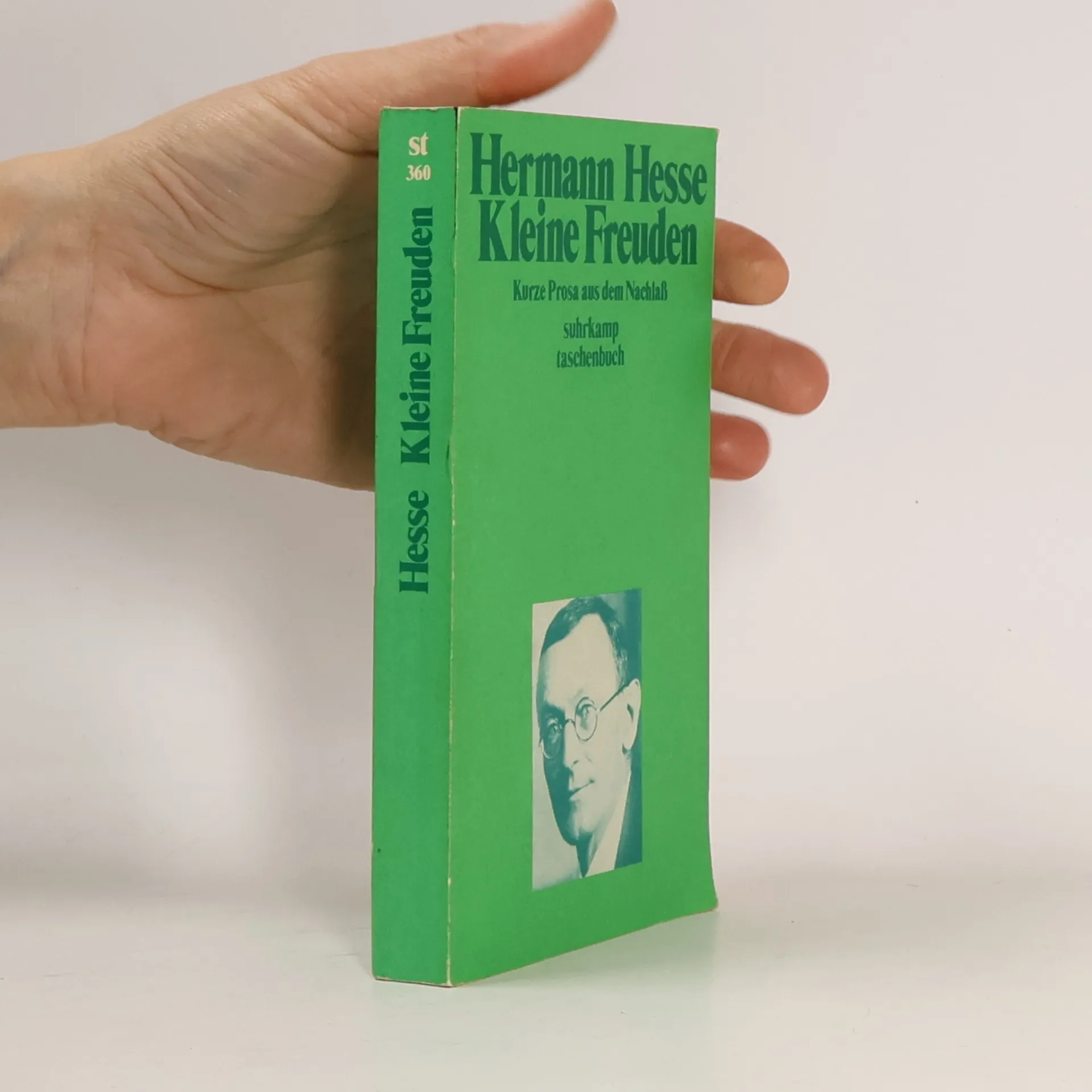
Kurze Prosa aus dem Nachlaß
Cusaner und Nolaner

"Die Soziologie des 20. Jahrhundertshatdie langfristigen Transformationen der Gesellschafts- und Persönlichkeitsstukturen weitgehend aus den Augen verloren. Im Werk von Norbert Elias sind gerade diese langfristigen Prozesse das zentrale Thema: Wie ging eigentlich die »Zivilisation« im Abendlande vor sich? Worin bestand sie? Und welches waren ihre Antriebe, ihre Ursachen oder Motoren? Bei Elias' Arbeit handelt es sich weder um eine Untersuchung über eine »Evolution« im Sinne des 19. Jahrhunderts noch um eine Untersuchung über einen unspezifischen »sozialen Wandel« im Sinne des 20.; seine Arbeit ist grundlegend für eine undogmatische, empirisch fundierte soziologische Theorie sozialer Prozesse."
Steppenwolf is a poetical self-portrait of a man who felt himself to be half-human and half-wolf. This Faust-like and magical story is evidence of Hesse's searching philosophy and extraordinary sense of humanity as he tells of the humanization of a middle-aged misanthrope. Yet this novel can also be seen as a plea for rigorous self-examination and an indictment of the intellectual hypocrisy of the period. As Hesse himself remarked, "Of all my books Steppenwolf is the one that was more often and more violently misunderstood than any other".

In this book, Claude Lévi-Strauss presents and applies the structural method to the study of ideas, arts, and societies. He addresses major questions of structural anthropology and discusses methodological issues. The work defines and illustrates his ambition to conduct a genuine scientific analysis of human phenomena without distorting them, preserving their concrete richness and the subtle nuances reflected in their diversity.
