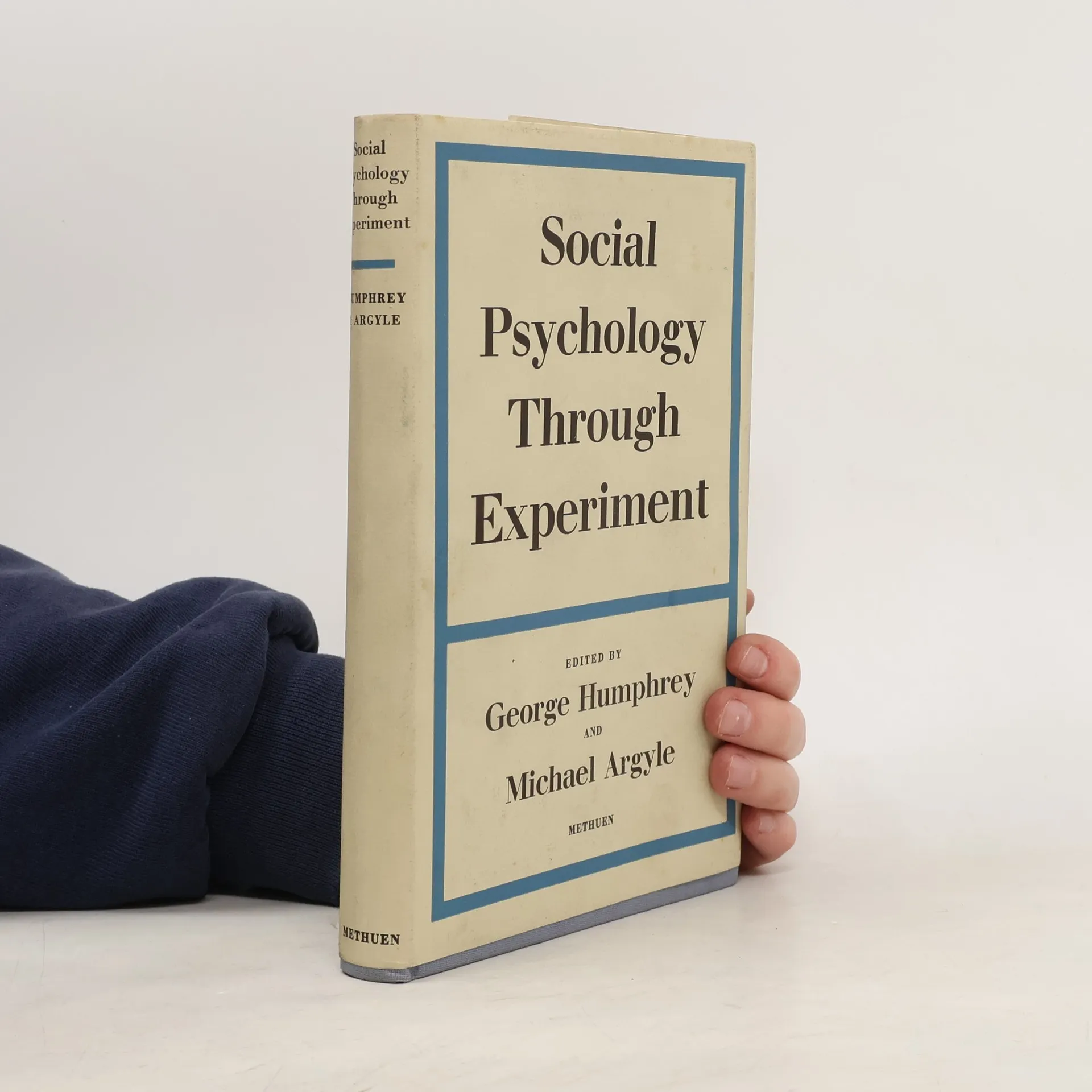
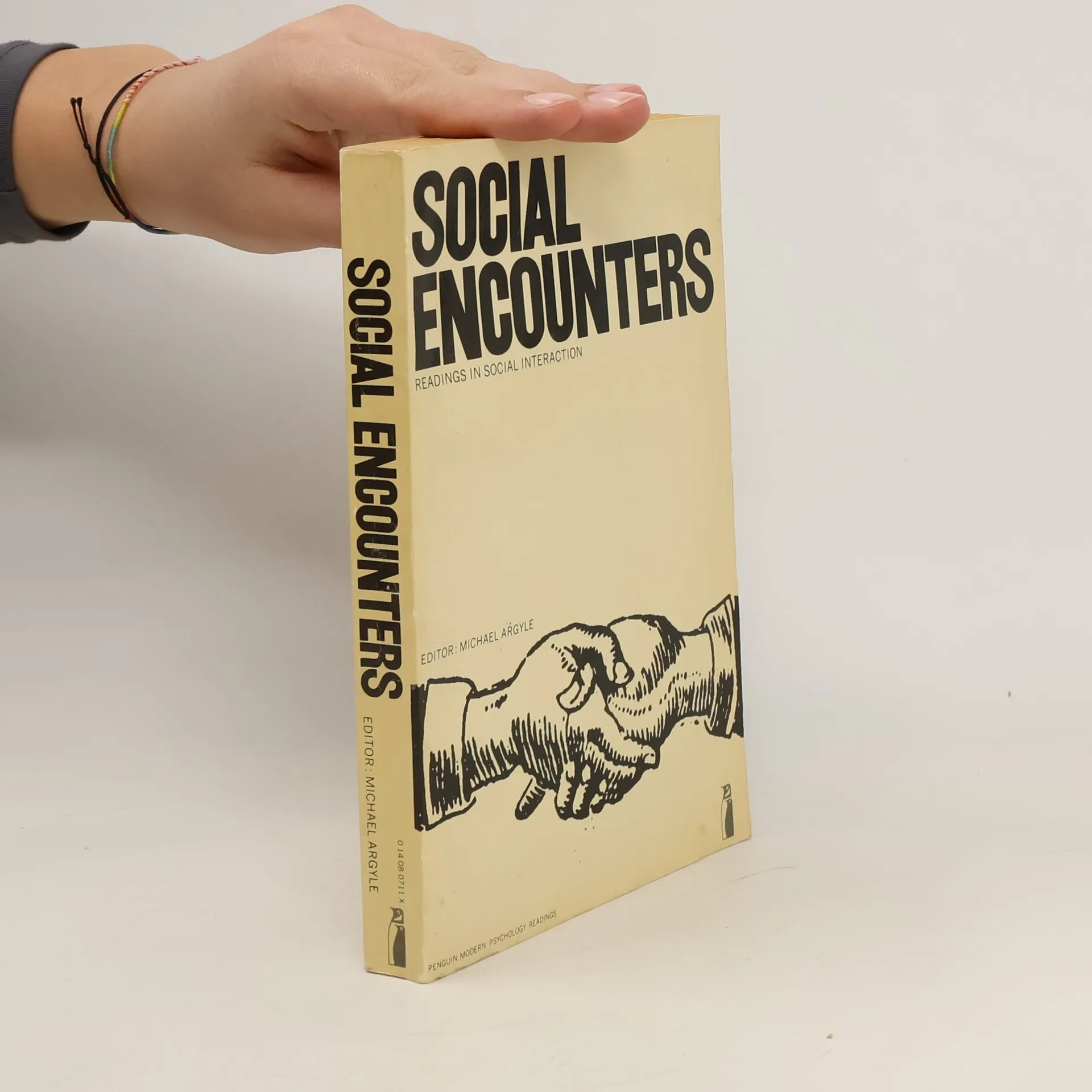
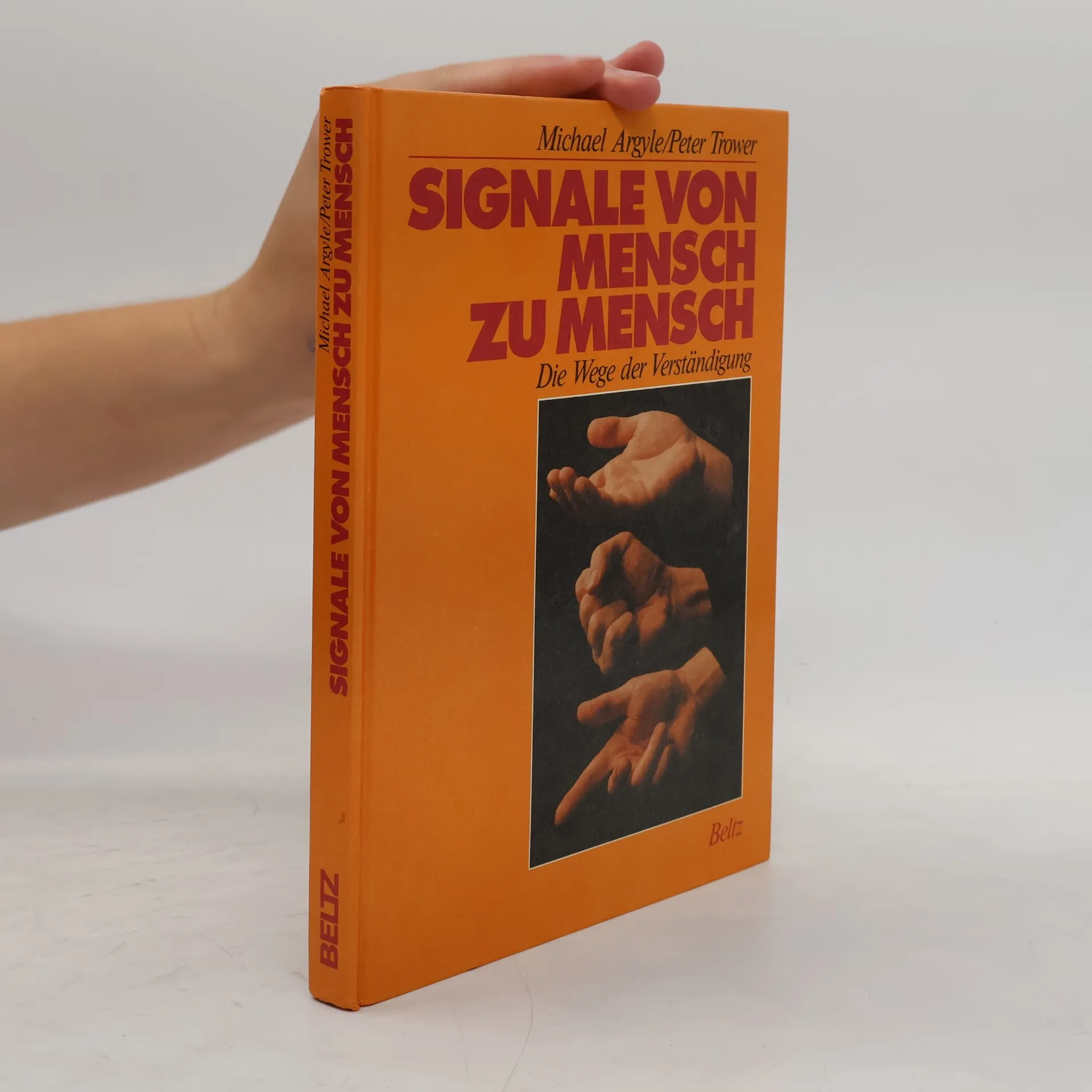
This author is a respected social psychologist known for his strong preference for experimental methods. His work delves into a deep understanding of human behavior and social interactions, eschewing alternative approaches. He is recognized for his productivity and significant academic contributions to the field of psychology. His analytical and methodical approach offers readers insightful perspectives on psychological principles.
Exploring the complex relationship between money and human behavior, this book delves into themes of power, self-image, and the psychology of giving versus receiving. It questions societal taboos surrounding money, comparing its impact on happiness to that of sex and death. Aimed at psychologists, sociologists, and those curious about economics, it offers insights into how financial dynamics influence personal fulfillment and social interactions.
Non-verbal communication - the eye movements, facial expressions, tone of voice, postures and gestures that we all use more or less consciously and more or less effectively - can enhance or diminish every form of social interaction. Michael Argyle's second edition of Bodily Communication is an invaluable up-to-date guide for students of the subject. In the last ten years NVC has become recognized as an important part of social psychology and of professional training, particularly in social work, education and management. Greatly expanded from the first edition, and significantly revised, this second edition has two completely new chapters on social skills and personality, and a new chapter on research methods. The author, a pioneer in the study of non-verbal communication, presents the second edition in the same accessible style as the first, bringing to the reader both his intense interest in the subject and his authoritative knowledge of it.
The first edition of this book outlined what amounted to a breakthrough in the analysis of social behaviour. Since then it has become widely used as an introductory textbook of social psychology. It is invaluable to anyone interested in the subject or whose work involves dealing with people, as well as anyone who wants to know how to make friends and influence people. For this new, fifth edition, Michael Argyle includes the latest research on non-verbal communication, social skills and happiness.
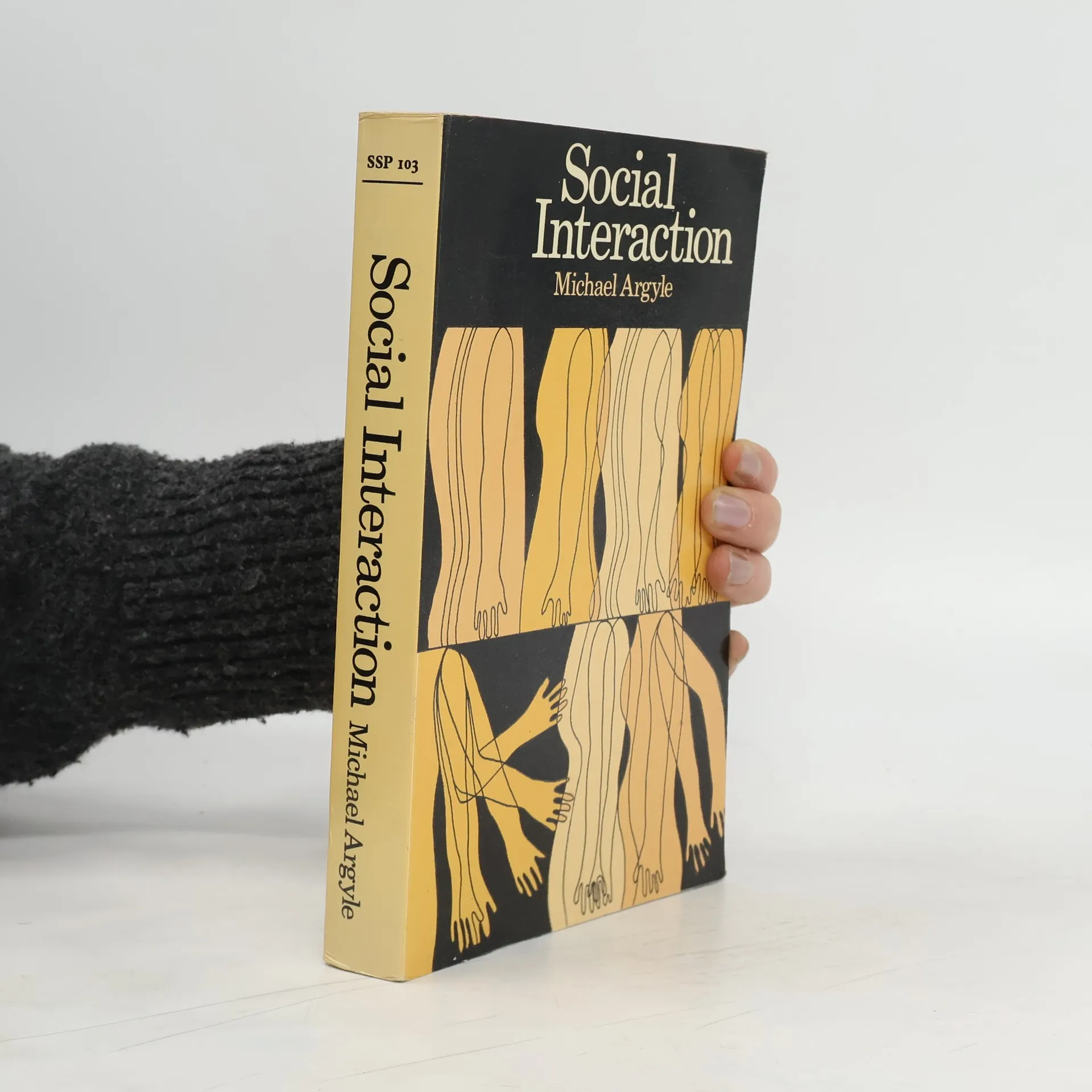
This is the first book-length work to reflect the recent trend in social psychology away from artificial laboratory test results. It focuses directly on the detailed, concrete elements of social behavior as they are observed in a real-life setting. Michael Argyle's approach here differs from that more generally taken in two respects. First, he discusses human interaction in terms of the basic elements of behavior-bodily and facial movements, gestures, eye-movements, facial expression, proximity, and orientation, the verbal and non-verbal aspects of communication. Second, he has drawn on research in such varied areas as psychiatry, anthropology, linguistics, ethology, developmental and organizational psychology, as well as on his own extensive experimental studies. Particular emphasis is given to the biological roots of interaction, and to its cultural setting. Social Interaction demonstrates a strong awareness of the current theories of social psychology, while restricting itself in exposition to the observable aspects of human interaction. The result is a comprehensive and stimulating introduction to social interaction. This is primarily a textbook for students of social psychology, but it covers a field that is of central importance for all students of the social and biological sciences.