
Explore the latest books of this year!
Bookbot

Ewa Kochanowska

    [Nie]moc dialogu
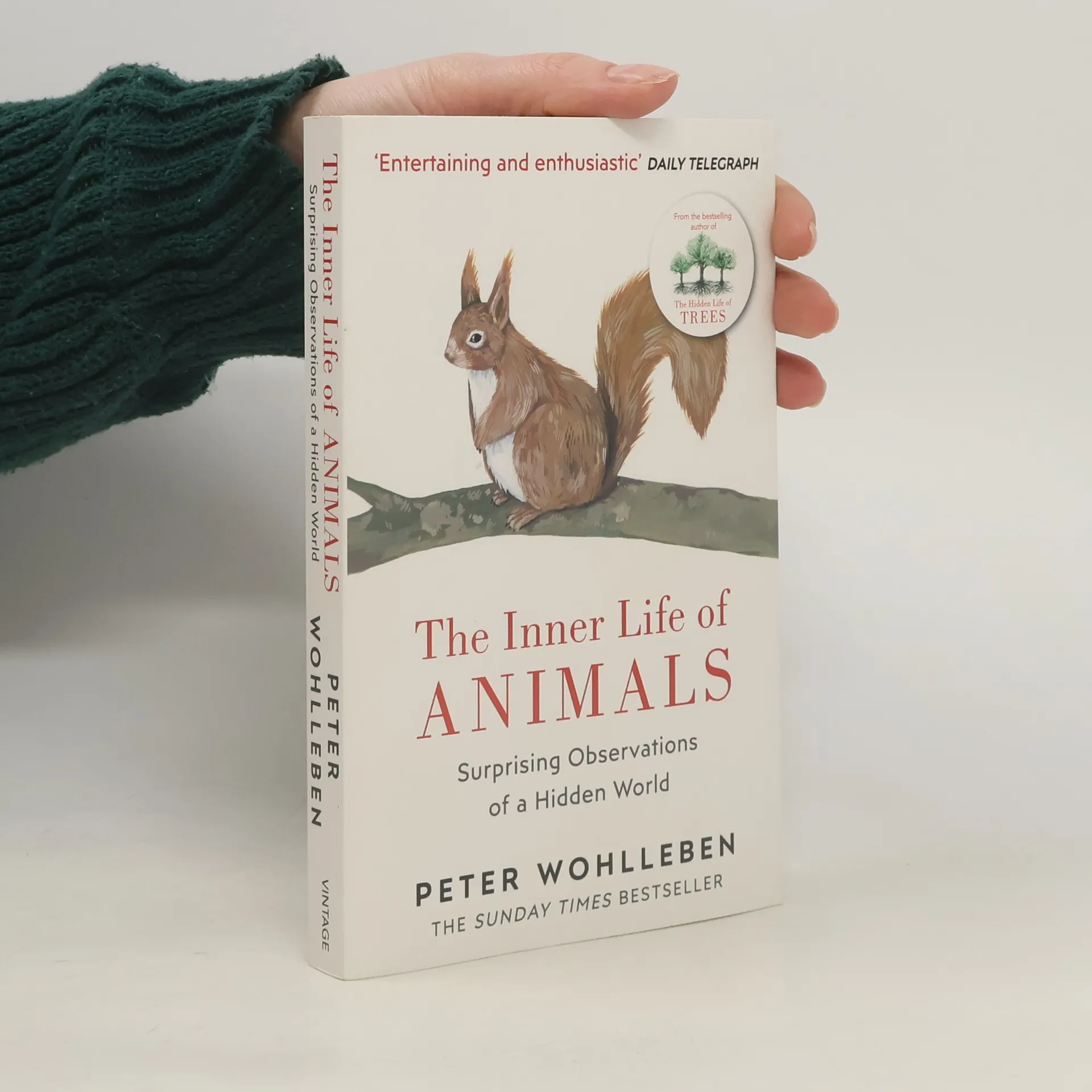
    The Inner Life of Animals
    Astrologia pomocna w życiu
    • Astrologia pomocna w życiu

      • 264 pages
      • 10 hours of reading

      Marii psihologi nu au ezitat să se dedice unor domenii discreditate de știința oficială. Astfel, Jung a revalorizat alchimia pentru psihologie, iar Freud, onirologia. În prezenta carte, Fritz Riemann oferă o viziune surprinzătoare asupra astrologiei. Aceasta nu este o colecție de superstiții și falsuri științifice și poate funcționa ca un ajutor important pentru psihoterapeut, indiferent de formația sa. Păstrătoare a ideii unității lumii, conform căreia omul este influențat nu numai de mediul familial și social, ci și de corpurile cerești, astrologia îl poate ajuta pe psihoterapeut să aibă acces la natura originară, nedeformată a clientului, pe care altfel cu greu o poate cunoaște. De asemenea, prin intermediul cunoașterii ritmului dezvoltării unui individ, astrologia poate oferi previziuni asupra posibilelor crize ale pacientului, care pot fi salvatoare în cazul pacienților suicidari. Consilierea profesională, matrimonială, educațională pot și ele beneficia de aportul astrologiei.

      Astrologia pomocna w życiu
      3.5
    • The Inner Life of Animals

      • 288 pages
      • 11 hours of reading

      Can horses feel shame? Do deer grieve? Why do roosters deceive hens? We tend to assume that we are the only living things able to experience feelings but have you ever wondered what's going on in an animal's head? From the leafy forest floor to the inside of a bee hive, The Inner Life of Animals opens up the animal kingdom like never before. We hear the stories of a grateful humpback whale, of a hedgehog who has nightmares, and of a magpie who commits adultery; we meet bees that plan for the future, pigs who learn their own names and crows that go tobogganing for fun. And at last we find out why wasps exist.

      The Inner Life of Animals
      3.7
    • Monografia ta stanowi ważny i aktualny głos w dyskusji na temat obecności dialogu w przestrzeni edukacyjnej współczesnej szkoły na różnych jej poziomach, w tym również na poziomie szkoły wyższej. Z zaprezentowanych analiz, przywołanych wyników badań i refleksji Autorek wyłania się obraz instytucji edukacyjnych ograniczonych niemocą, brakiem dobrej woli i strachem ludzi je tworzących i w nich funkcjonujących. (...) Monografia będzie interesującą pozycją dla wszystkich osób. którym leży na sercu dobro dzieci, młodych ludzi i nauczycieli we współczesnych instytucjach edukacyjnych. Z recenzji wydawniczej dr hab. Kingi Kuszak, prof UAM w Poznaniu

      [Nie]moc dialogu