
Explore the latest books of this year!
Bookbot

Leslie Fiedler Books

    March 8, 1917 – January 29, 2003

    Leslie Aaron Fiedler was an American literary critic known for his interest in mythography and his championing of genre fiction. His work also involved applying psychological theories to American literature. He was, in practical terms, one of the early postmodernist critics, engaging with literature generally from around 1970. His influential scholarship explored deeper symbolic layers and psychological motivations within American literary works, offering readers fresh perspectives and defining an early postmodern approach.

    Amerikanische Romane des 19. [neunzehnten] Jahrhunderts
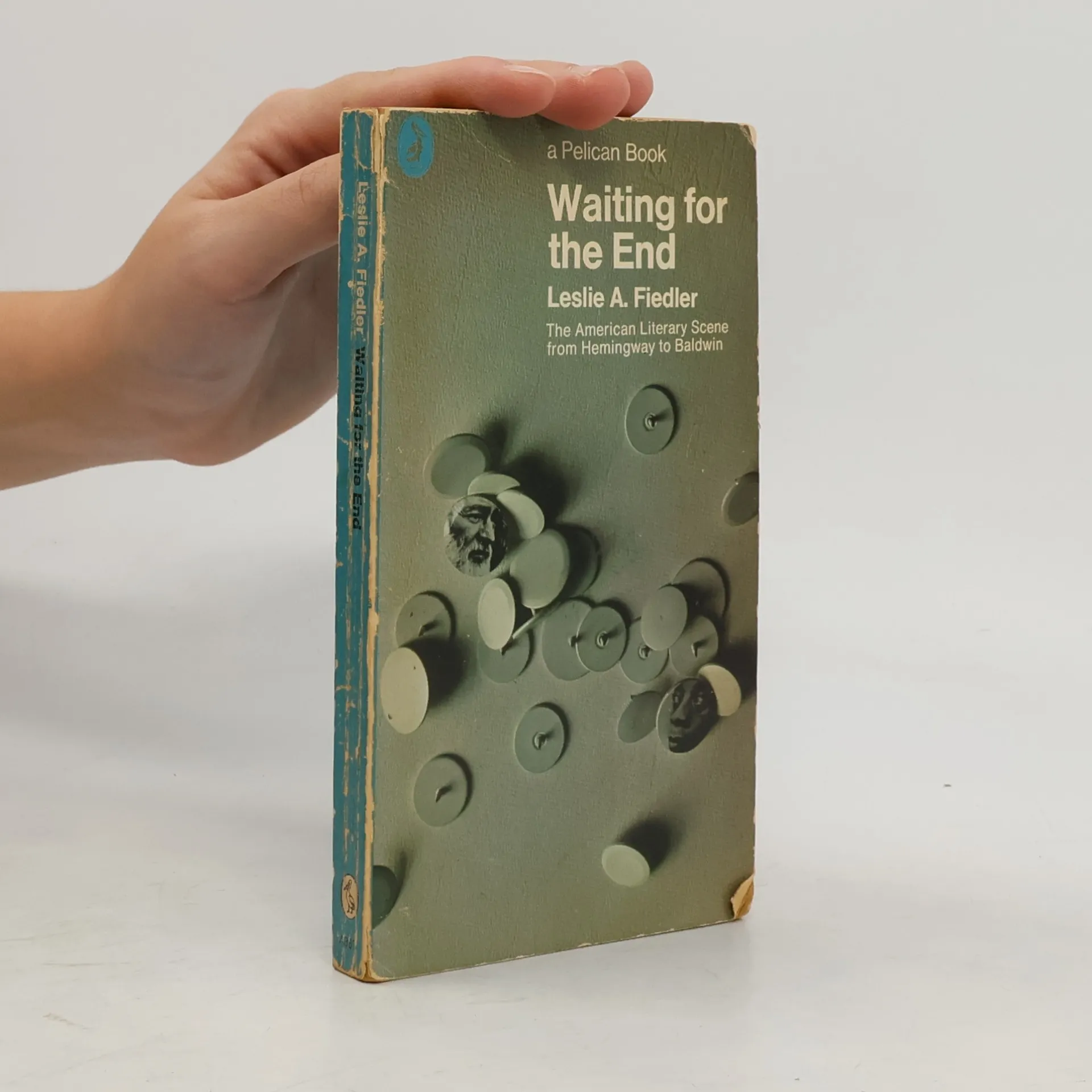
    Waiting for the End
    Love and Death in the American Novel
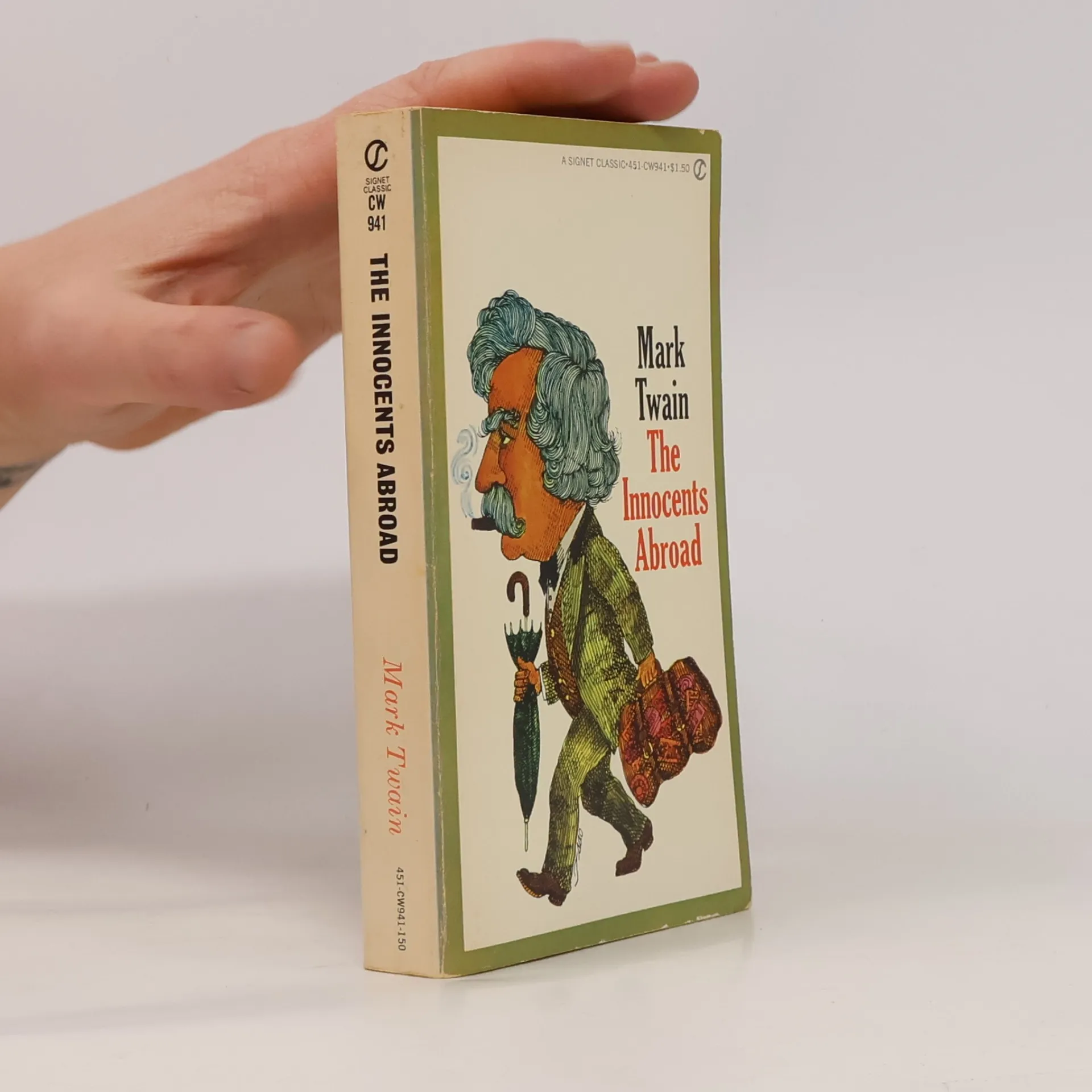
    The Innocents Abroad
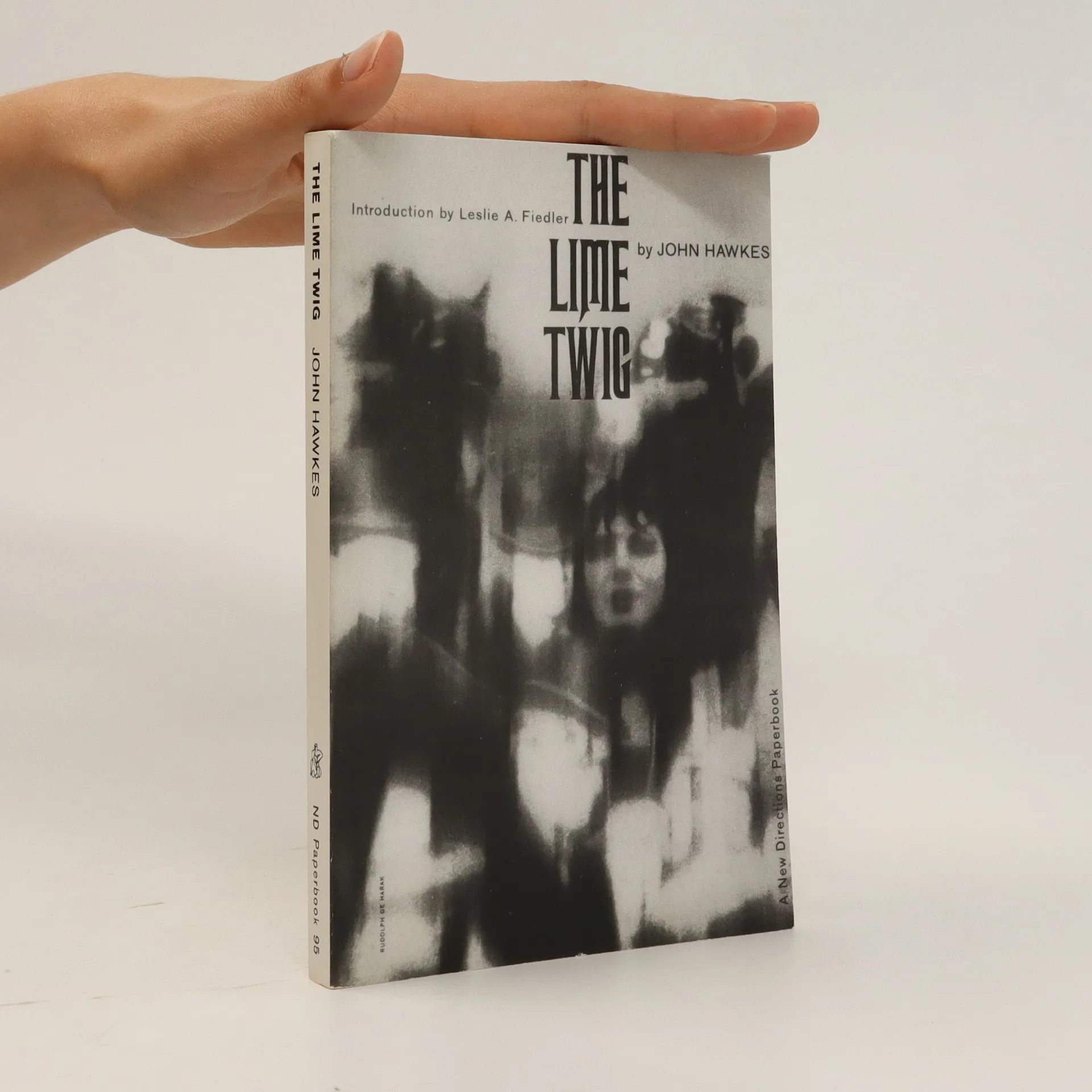
    The lime twig
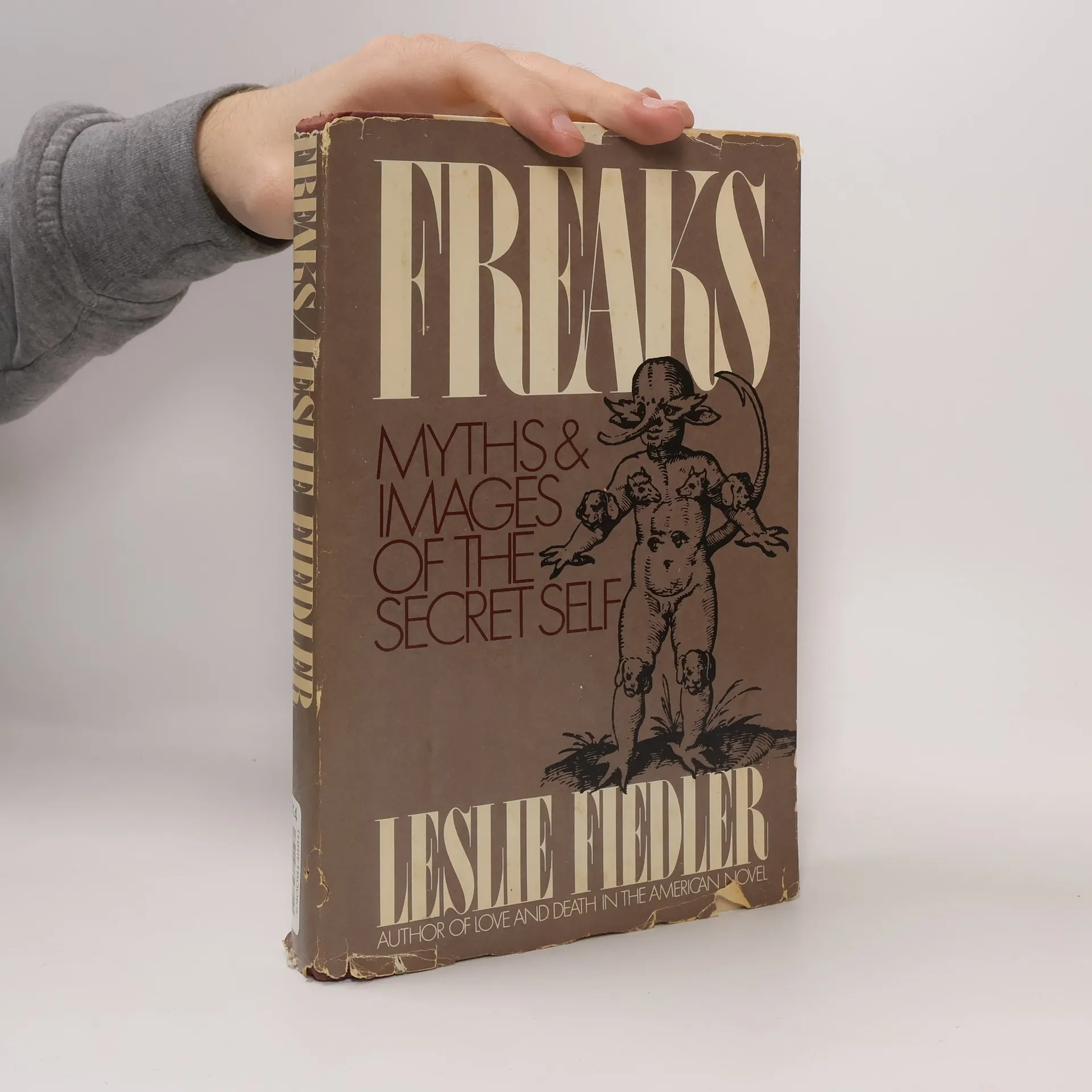
    Freaks
    • Freaks

      Myths and Images of the Secret Self (A Touchstone Book)

      • 367 pages
      • 13 hours of reading

      From two-headed men and dwarfs to Siamese twins, the phenomenon of the freak has fascinated people for centuries. In this classic study of the very nature of that fascination, the renowned literary and cultural critic Fiedler offers an in-depth examination of man's views of the freak from classical times to present. 150 photos and line drawings.
      Freaks
      4.3
    • But it would be unfair to the reader to reveal what happens when a gang of professional crooks gets wind of the scheme and moves to muscle in on this bettors' dream of a long-odds situation. Worked out with all the meticulous detail, terror, and suspense of a nightmare, the tale is, on one level, comparable to a Graham Greene thriller; on another, it explores a group of people, their relationships fears, and loves. For as Leslie A. Fiedler says in his introduction, "John Hawkes.. . makes terror rather than love the center of his work, knowing all the while, of course, that there can be no terror without the hope for love and love's defeat . . . ."

      The lime twig
      3.9
    • A sharp parody of 19th-century tourism, this travel narrative captures Mark Twain's observations from his 1867 voyage across Europe, Egypt, and the Holy Land. Through a blend of humor and keen insight, Twain critiques tourists who rely on travel books, contrasting serious and comical reflections on foreign cultures. His writing showcases a mix of styles, drawing from both regional storytelling and contemporary humorists. Celebrated for its wit and vivid descriptions, this work is often hailed as one of the finest travelogues ever penned.

      The Innocents Abroad
      3.1