

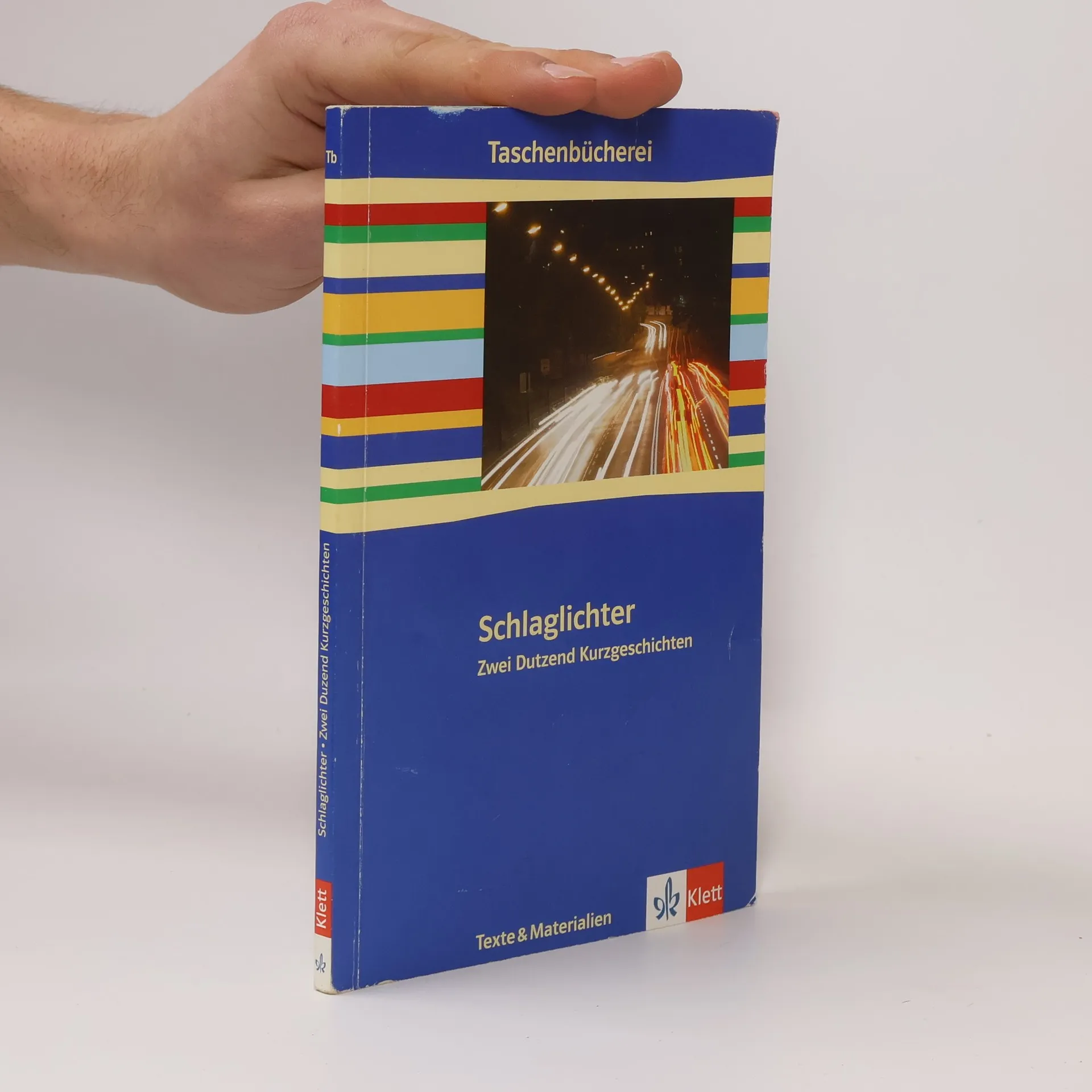
Kurzgeschichten erzählen auf besondere Art: knapp, geradlinig, kommentarlos. Schlaglichtartig beleuchten sie Situationen und Ereignisse. Katastrophen sind ebenso Gegenstand wie ganz alltägliche Begebenheiten: Liebe, Glück, Unglück, Krieg, Gewalt, Tod. Die Materialien im Anhang erläutern die Funktion und Bedeutung der Kurzgeschichte und regen zum kreativen Umgang mit den Texten an.
Rainer Siegle Book order (chronological)
Die Judenbuche
- 64 pages
- 3 hours of reading
Der 1842 erschienenen Novelle Die Judenbuche von Annette von Droste-Hülshoff liegt eine wahre Begebenheit zugrunde. Es ist die Geschichte des aus verarmten Verhältnissen stammenden Friedrich Mergel, dessen Mord an dem Juden Aaron erst Jahrzehnte nach der Tat aufgedeckt werden kann. Das große Interesse an Annette von Droste-Hülshoffs bekanntester Erzählung hat nicht nur mit dem Stoff zu tun: ein historisch verbürgter Kriminalfall, das westfälische Dorfmilieu und das Zeitkolorit (der Untertitel lautet: "Ein Sittengemälde aus dem gebirgigten Westfalen"); es ist vor allem die Darstellungsweise, die durch scheinbare oder tatsächliche Dunkelheit oder Mehrdeutigkeit eine Vielzahl von Deutungen und Deutungsebenen möglich macht. Diese Kunst der Darstellung macht Droste-Hülshoffs Judenbuche zu einem herausragenden Beispiel der Novellistik des 19. Jahrhunderts.
William Tell
- 32 pages
- 2 hours of reading
[Penguin Readers Level 1]William Tell is a good man, but his country is a dangerous place. The Swiss people don’t like the Austrian emperor or his governor in Switzerland. Can William Tell help them in their fight with the Austrians? Or is he a man of peace?
Effi Briest
- 256 pages
- 9 hours of reading
Unworldly young Effi Briest is married off to Baron von Innstetten, an austere and ambitious civil servant twice her age, who has little time for his new wife. Isolated and bored, Effi finds comfort and distraction in a brief liaison with Major Crampas, a married man with a dangerous reputation.
Stundenblätter "Emilia Galotti"
- 81 pages
- 3 hours of reading