
Explore the latest books of this year!
Bookbot

Omar Abbosh

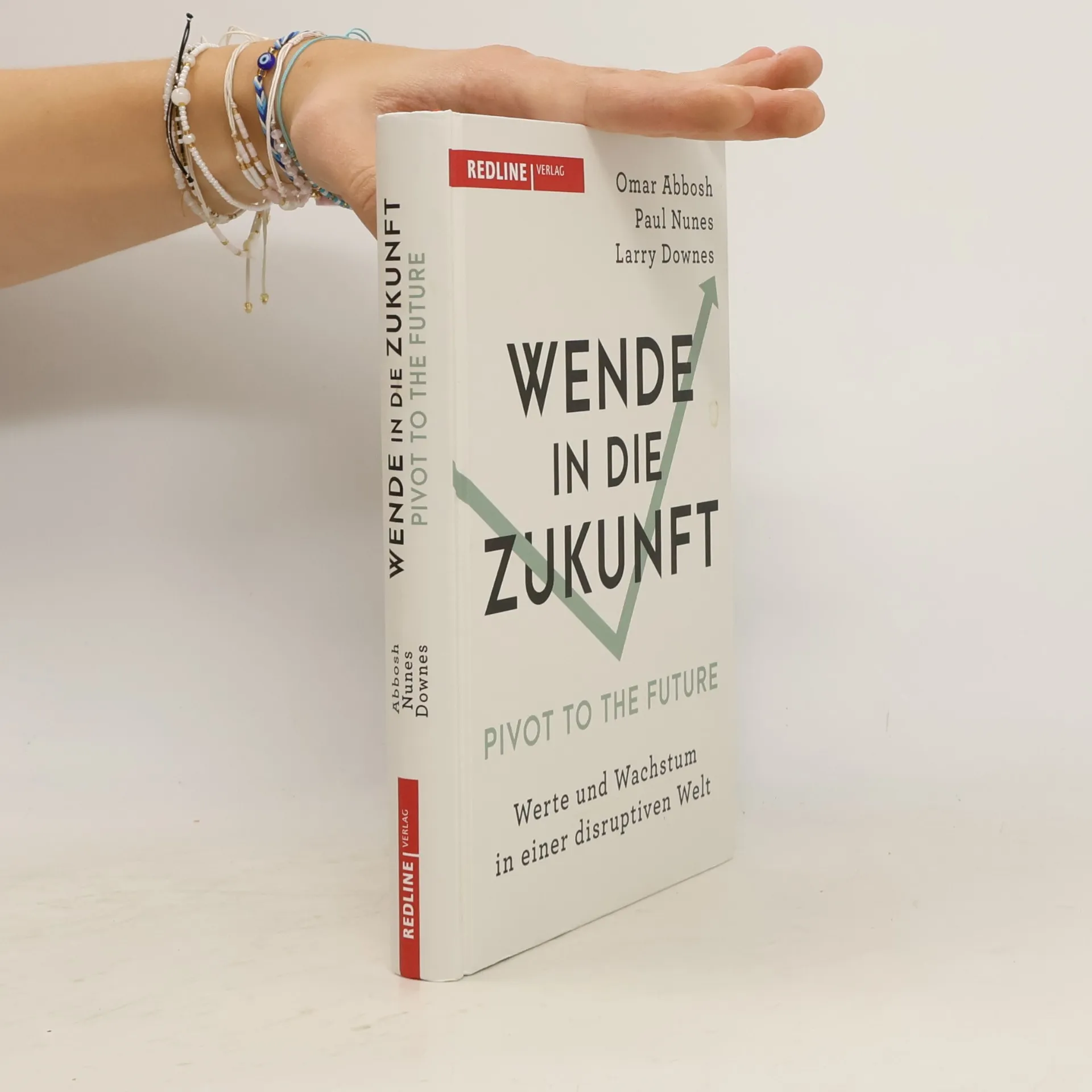
    Wende in die Zukunft - Pivot to the Future
    Concentric Space as a Life Principle Beyond Schopenhauer, Nietzsche and Ricoeur
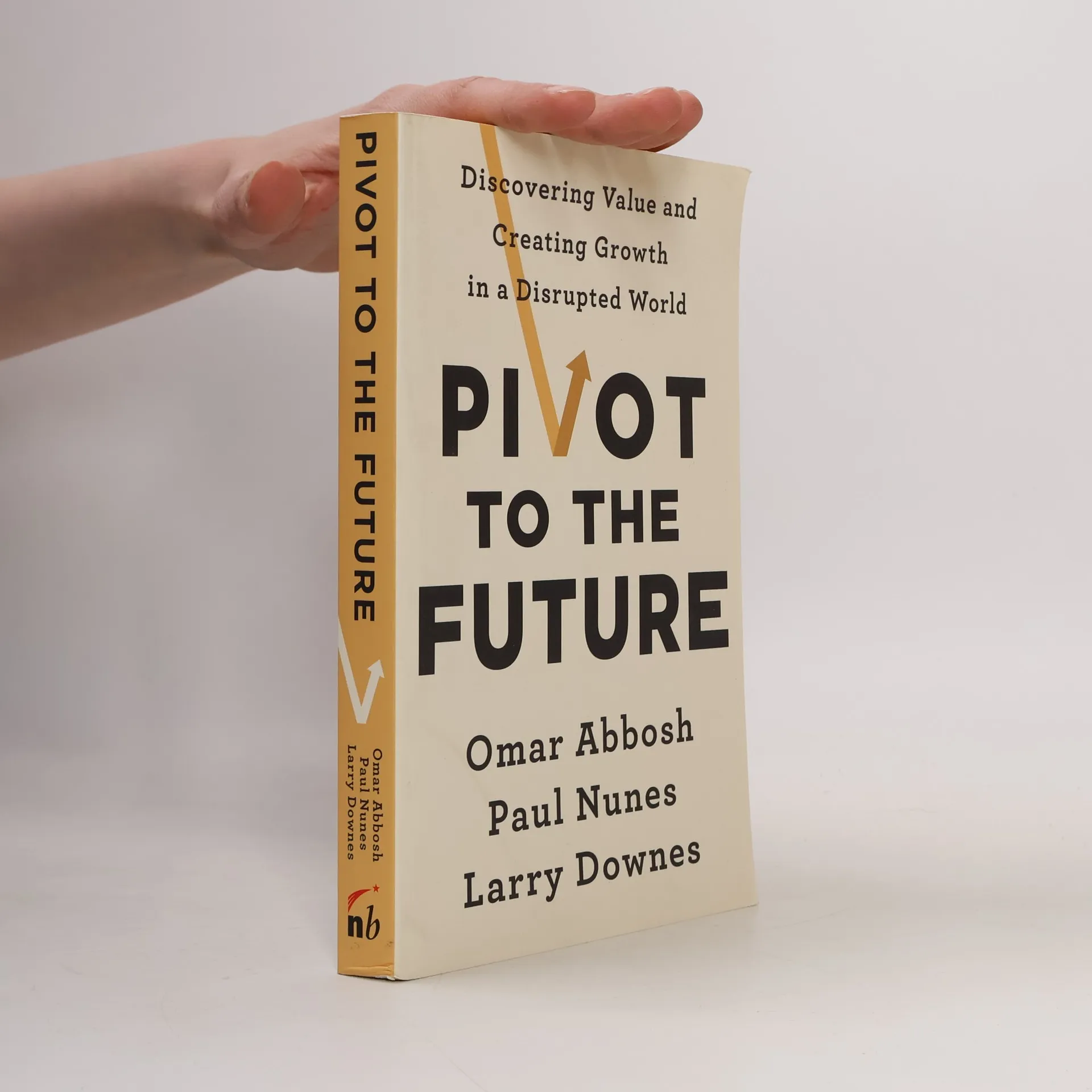
    Pivot to the Future
    Pivot to the future : discovering value and creating growth in a disrupted world
    • Disruption by digital technologies? That's not a new story. But what is new is the "wise pivot," a replicable strategy for harnessing disruption to survive, grow, and be relevant to the future. It's a strategy for perpetual reinvention across the old, now, and new elements of any business. Rapid recent advances in technology are forcing leaders in every business to rethink long-held beliefs about how to adapt to emerging technologies and new markets. What has become abundantly clear: in the digital age, conventional wisdom about business transformation no longer works, if it ever did. Based on Accenture's own experience of reinventing itself in the face of disruption, the company's real world client work, and a rigorous two-year study of thousands of businesses across 30 industries, Pivot to the Future reveals methodical and bold moves for finding and releasing new sources of trapped value-unlocked by bridging the gap between what is technologically possible and how technologies are being used. The freed value enables companies to simultaneously reinvent their legacy, and current and new businesses. Pivot to the Future is for leaders who seek to turn the existential threats of today and tomorrow into sustainable growth, with the courage to understand that a wise pivot strategy is not a one-time event, but a commitment to a future of perpetual reinvention, where one pivot is followed by the next and the next

      Pivot to the future : discovering value and creating growth in a disrupted world
    • Pivot to the Future

      • 288 pages
      • 11 hours of reading

      Disruption by digital technologies? That's not a new story. But what is new is the "wise pivot," a replicable strategy for harnessing disruption to survive, grow, and be relevant to the future. It's a strategy for perpetual reinvention across the old, now, and new elements of any business. Rapid recent advances in technology are forcing leaders in every business to rethink long-held beliefs about how to adapt to emerging technologies and new markets. What has become abundantly clear: in the digital age, conventional wisdom about business transformation no longer works, if it ever did. Based on Accenture's own experience of reinventing itself in the face of disruption, the company's real world client work, and a rigorous two-year study of thousands of businesses across 30 industries, Pivot to the Future reveals methodical and bold moves for finding and releasing new sources of trapped value-unlocked by bridging the gap between what is technologically possible and how technologies are being used. The freed value enables companies to simultaneously reinvent their legacy, and current and new businesses. Pivot to the Future is for leaders who seek to turn the existential threats of today and tomorrow into sustainable growth, with the courage to understand that a wise pivot strategy is not a one-time event, but a commitment to a future of perpetual reinvention, where one pivot is followed by the next and the next.

      Pivot to the Future
    • Concentric Space as a Life Principle beyond Schopenhauer, Nietzsche and Ricoeur invites a fresh vision of human experience and search for life meanings in terms of potential openings through relational space. Offering a radical spatial rereading of foundational ideas of influential thinkers Schopenhauer, Nietzsche and Ricoeur, it argues that these ideas can be rethought for a more fundamental understanding of life, self and other.This book offers a radical reconceptualisation of space as an animating principle for life through common, although previously hidden, features across the thought of Schopenhauer, Nietzsche and Ricoeur. It offers a fresh spatial interpretation of key themes in these thinkers' works, such as compassion, will to life, Dionysian rapture, will to power, selfovercoming, re-valuation of values, eternal recurrence, living metaphor and intersubjectivity. It proposes a spatial restructuring of experience from diametric spaces of exclusion towards concentric spaces of inclusion for an experiential restructuring towards unifying modes of experience. This spatial rereading of these major figures in philosophy directly challenges many previous understandings, to offer a distinctive spatial-phenomenological framework for examining a life principle.This book will appeal to academics, researchers and postgraduates engaged in the study of philosophy, wellbeing, education and human development. The book's interdisciplinary scope ensures that it is also of interest for those in the fields of psychology, anthropology, psychoanalysis and culture studies.

      Concentric Space as a Life Principle Beyond Schopenhauer, Nietzsche and Ricoeur