Juliet R. V. Barker is a British historian specializing in the Middle Ages and literary biography. Her scholarship delves deeply into historical periods and literary figures, focusing on themes of medieval tournaments and the lives of significant literary personalities. Barker's approach is characterized by meticulous research presented in an engaging, narrative style that draws readers into the past. Her work breathes life into history and literary subjects, offering readers fresh perspectives on familiar figures and events.
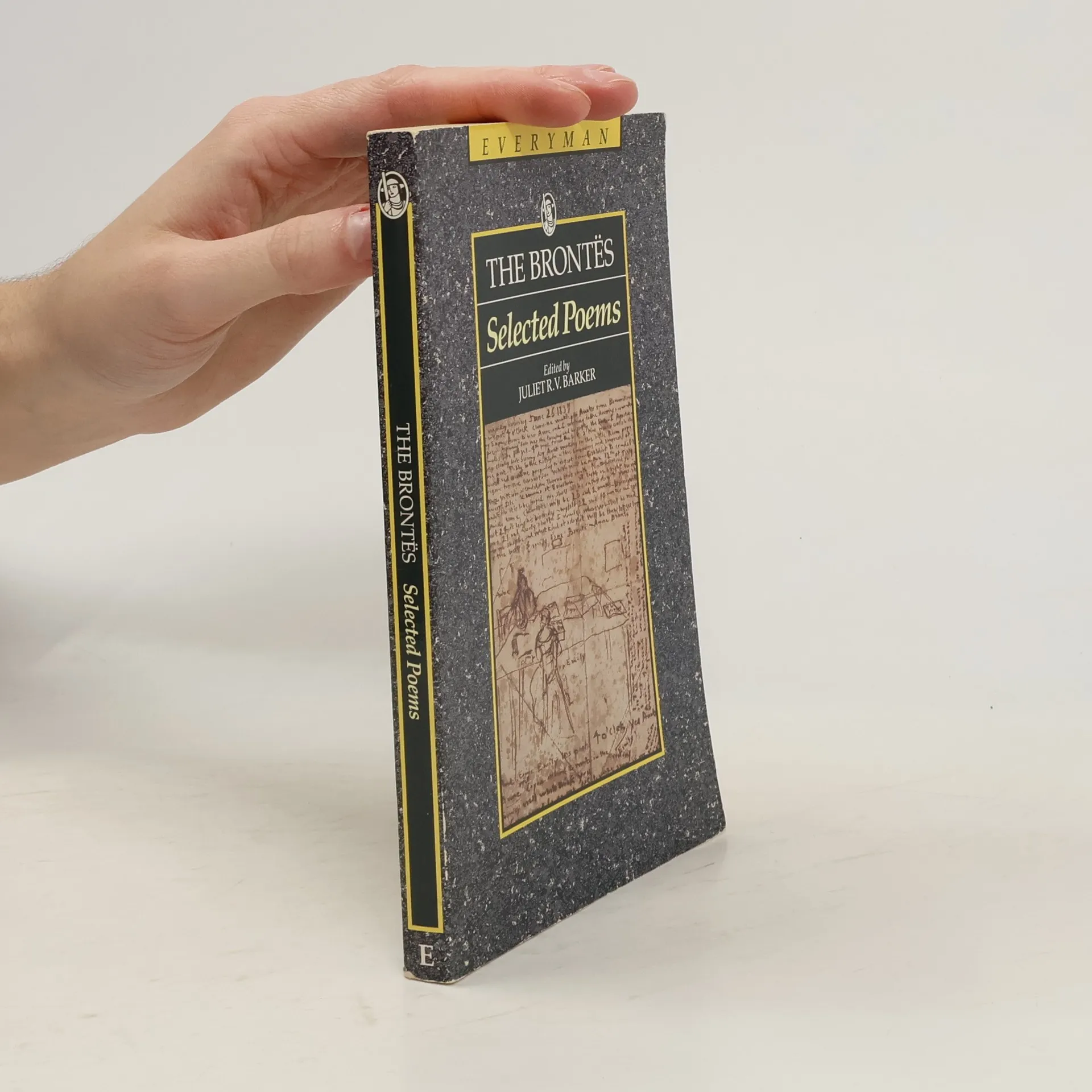
The Bront sisters won immortality through their novels, but they and their brother Branwell were also outstanding poets. This generous selection of their best poems gives readers access to the personal feelings and observations woven into their great novels, from Anne's loneliness as a governess to the thrill Emily felt on the wild moors.
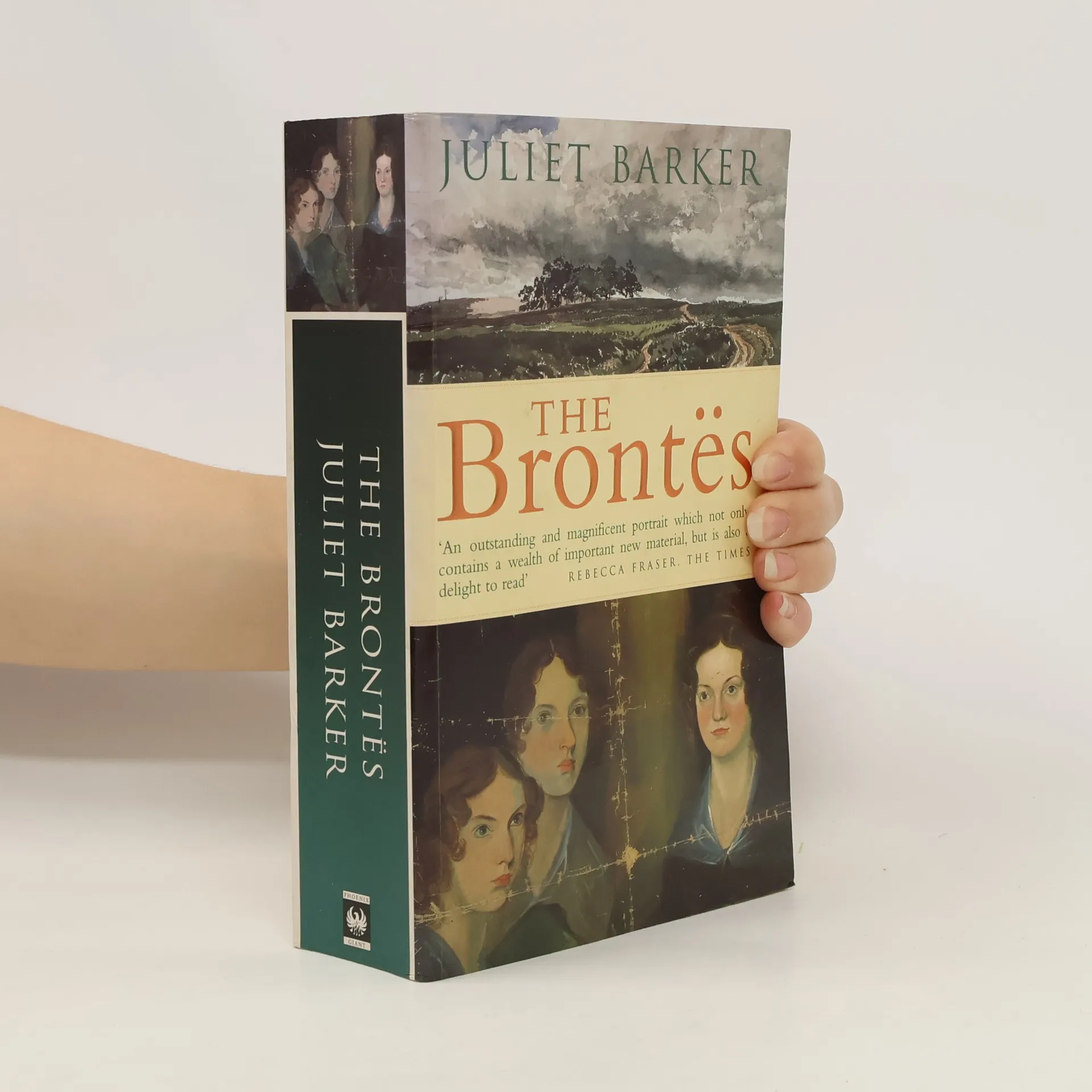
The story of the tragic Bronte family is familiar to everyone: we all know about that half-mad , repressive father, the drunken, drug-addicted wastrel of a brother, wild romantic Emily, unrequited Anne and 'poor Charlotte'. Or do we?
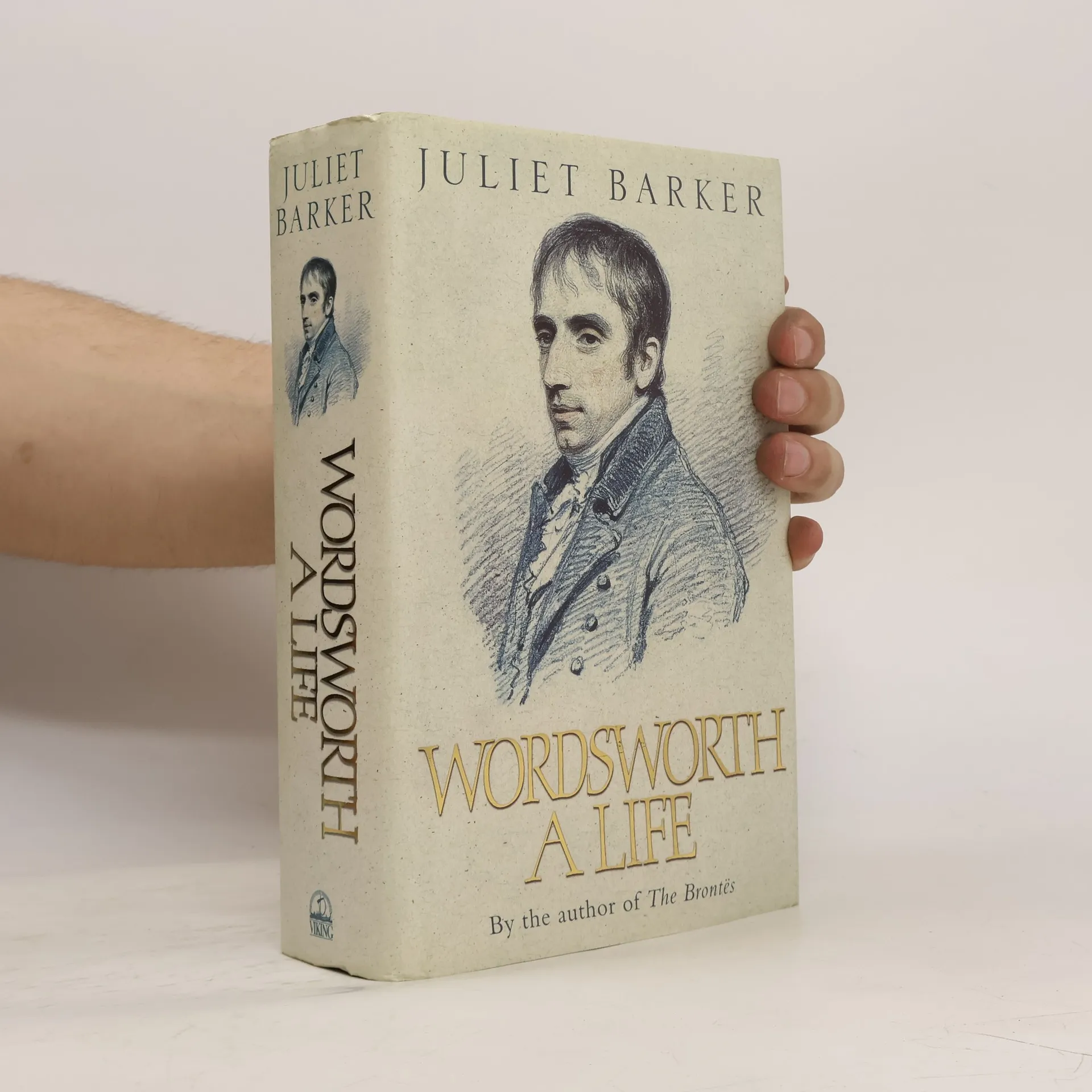
"In what is the first biography of Wordsworth to treat the latter part of his life as fully as the first, Juliet Barker employs the skills that made The Brontes a bestseller. Balancing meticulous research with a readable style, and scrupulous objectivity with an understanding of her subject, she reveals not only the public figure who was courted and reviled in equal measure but also the complex, elusive, private man behind that image. Drawing on unpublished sources, she vividly re-creates the intimacy of Wordsworth's domestic circle, showing the love, laughter, loyalty and tragedies which bound them together. Far from being the remote, cold, solitary figure of legend, Wordsworth emerges from this outstanding biography as a passionate, vibrant man who lived for his family, his poetry and his beloved Lakeland. His legacy, as a poet and as the spiritual founder of the conservation movement, remains with us today."--Jacket
Comprehensive yet practical guide to this most beautiful of crafts. Aimed at amateurs, students of violin making and woodworkers. Takes you through the delicate and precise techniques, and brings the art of violin making within the reach of all. Superbly illustrated with nearly 200 colour photographs and clear step-by-step instructions. Juliet Barker is a violinmaker, teacher and musician with over forty years' experience. New in paperback for 2022.
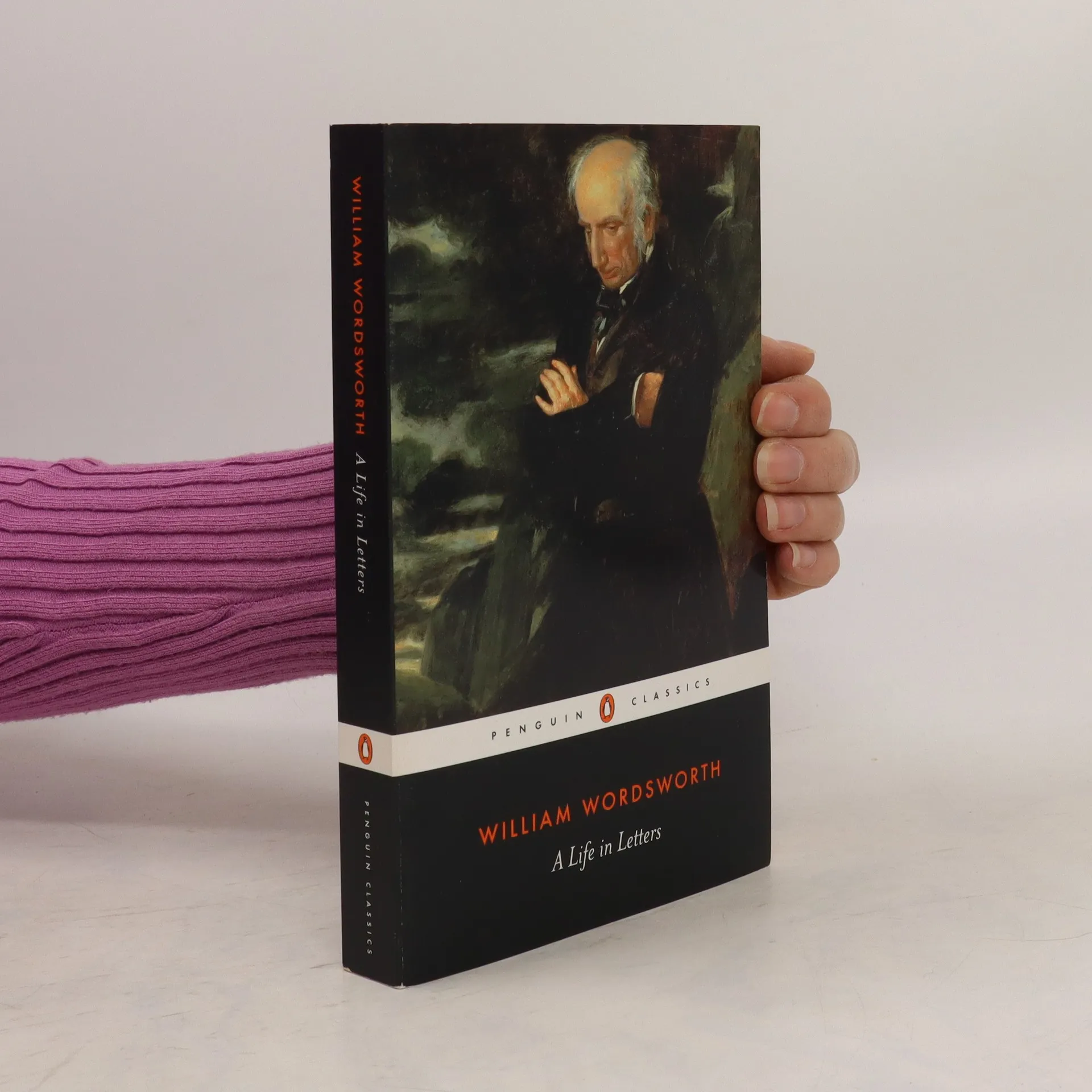
William Wordsworth is usually remembered as the quintessential Victorian Poet Laureate: a dull, worthy, establishment figure, with impeccable middle class, Tory, Anglican credentials, whose moralistic poetry has been required reading for generations of yawning school children. Yet there is so much more to Wordsworth than Daffodils and The Prelude. This selection of letters and autobiographical fragments introduces us to the real Wordsworth: the rebellious schoolboy, who vandalised his family portraits, became a supporter of the French Revolution and fathered an illegitimate daughter in France; the radical poet whose flouting of the conventions of the day attracted the ridicule of the reviewers and forced him to endure thirty years of rejection, obscurity and financial hardship before achieving belated critical and popular success; the devoted brother, husband and father who could still write passionate love letters to his wife after ten years of marriage and the birth of five children; and, finally, the revered patriarch whose poetry formed the hearts and minds of a generation, whose opinions were sought by writers, politicians, churchmen and educationalists throughout the English speaking world, but who thought nothing of vaulting walls, skating on the Lakes or climbing Helvellyn even in his seventies.
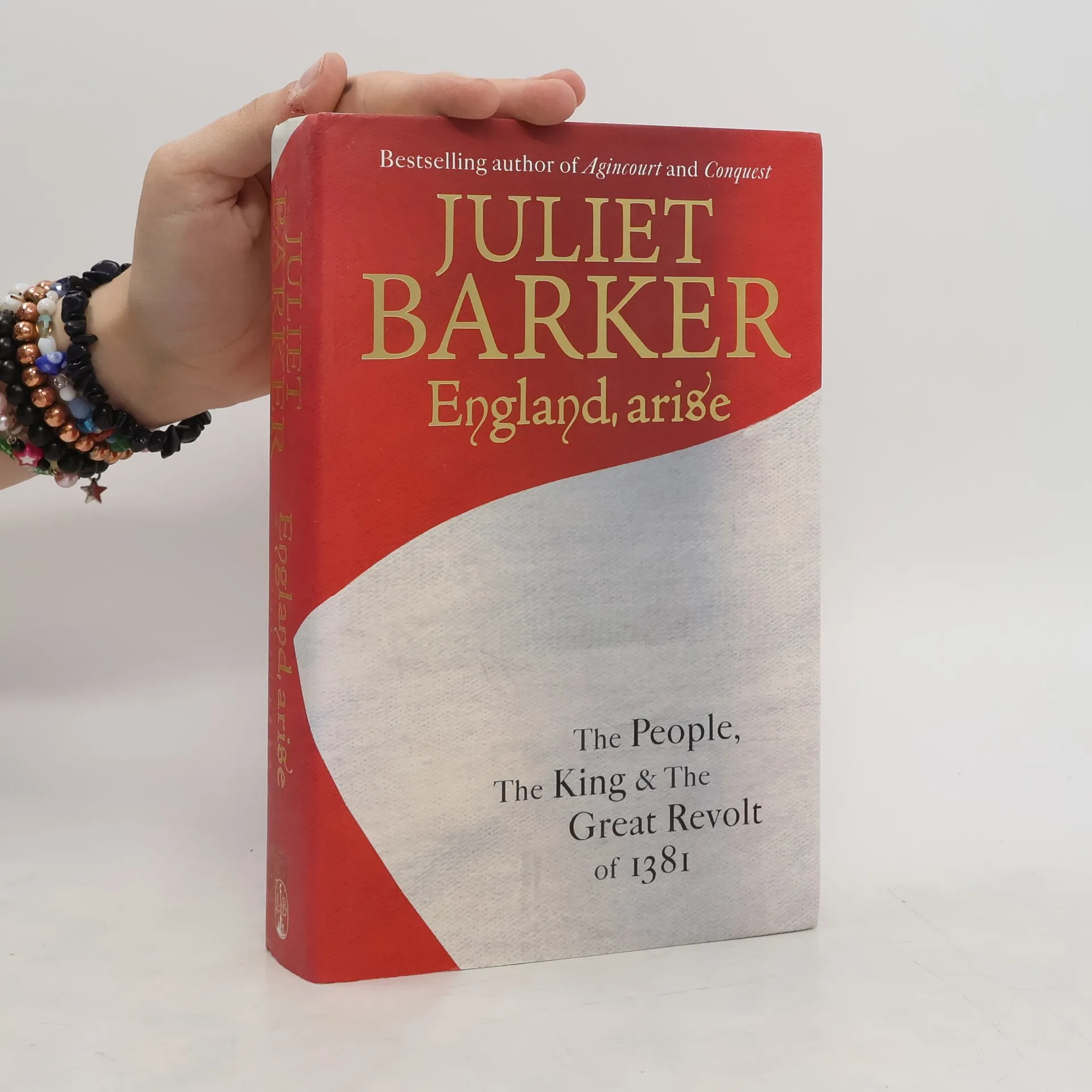
Written with the fluency readers have come to expect from Juliet Barker, 1381: The Year of the Peasants' Revolt provides an account of the first great popular uprising in England and its background, and paints on a broad canvas a picture of English life in medieval times. Skeptical of contemporary chroniclers' accounts of events, Barker draws on the judicial sources of the indictments and court proceedings that followed the rebellion. This emphasis offers a fresh perspective on the so-called Peasants' Revolt and gives depth and texture to the historical narrative. Among the book's arguments are that the rebels believed they were the loyal subjects of the king acting in his interests, and that the boy-king Richard II sympathized with their grievances.Barker tells how and why a diverse and unlikely group of ordinary men and women from every corner of England--from servants and laborers living off wages, through the village elite who served as bailiffs, constables, and stewards, to the ranks of the gentry--united in armed rebellion against church and state to demand a radical political agenda. Had it been implemented, this agenda would have transformed English society and anticipated the French Revolution by four hundred years. 1381: The Year of the Peasants' Revolt is an important reassessment of the uprising and a fascinating, original study of medieval life in England's towns and countryside.
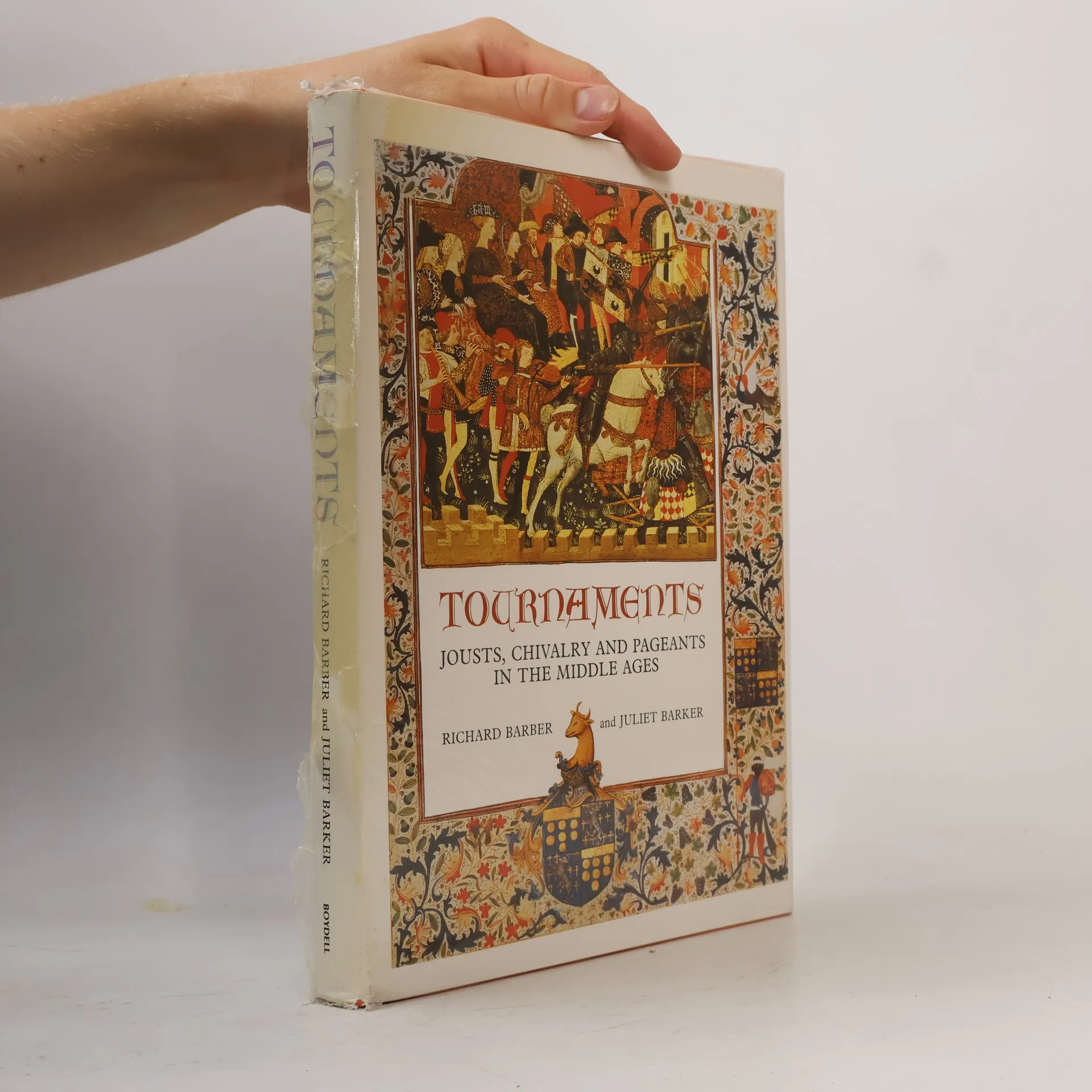
This book draws on recent research into the tournament, the first sport for which detailed rules and regulations survive, and gives insight into the medieval mind. There are parallels with modern sport and a series of illustrations which include some of the finest surviving medieval manuscripts.
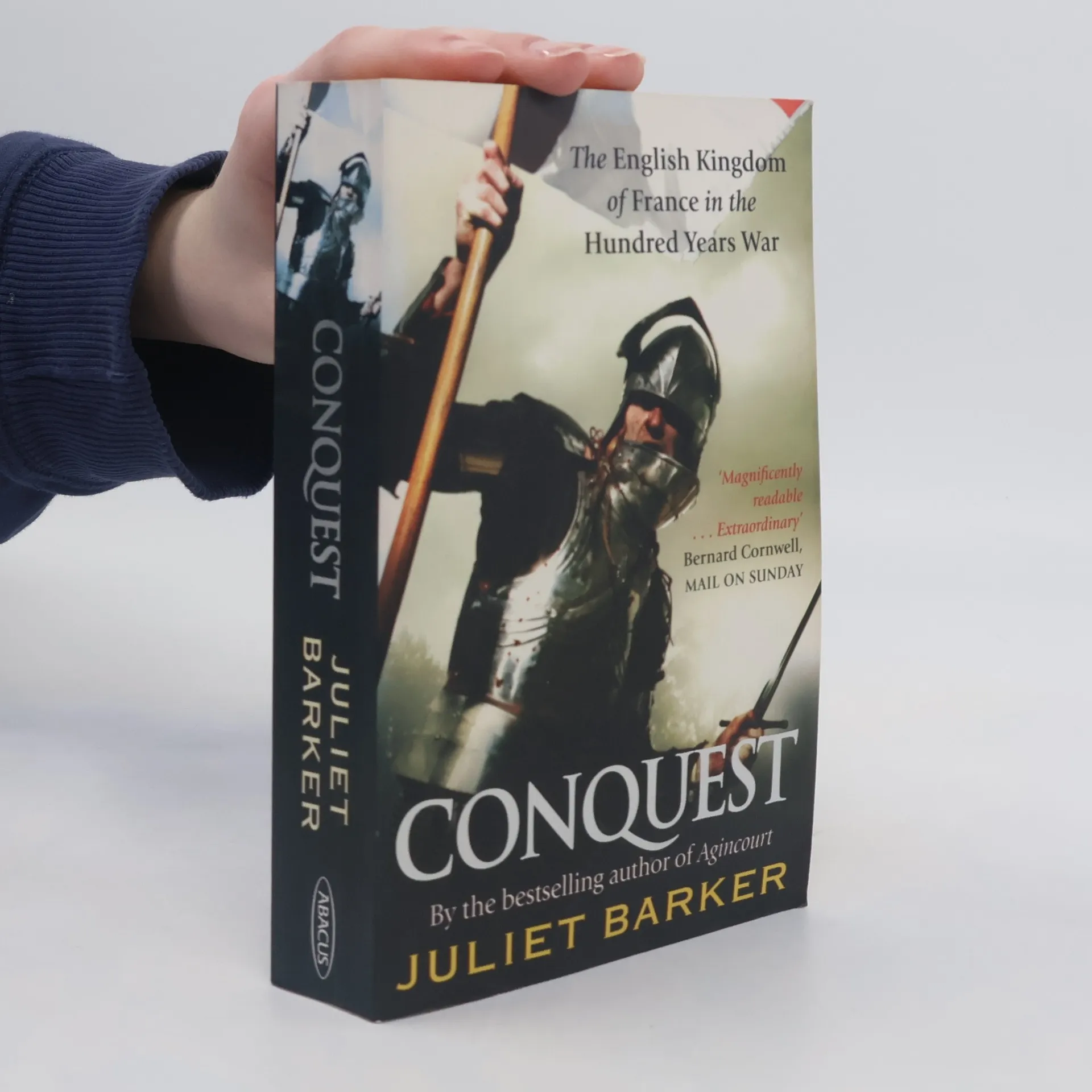
Die Autorin Juliet Barker erzählt die bemerkenswerte, aber weitgehend vergessene Geschichte der dramatischen Jahre, als England Frankreich mit dem Schwert regierte. Die zweite Invasion Frankreichs durch Heinrich V. im Jahr 1417 leitete eine Kampagne ein, die die Krone Frankreichs auf einen englischen Kopf setzen sollte. Nur das wunderbare Erscheinen eines visionären Bauernmädchens - Jeanne d'Arc - konnte den englischen Vormarsch stoppen. Trotz ihrer Siege war ihr Einfluss jedoch kurzlebig: Heinrich VI. wurde sechs Monate nach ihrem Tod in Paris gekrönt, und sein Königreich hielt weitere zwanzig Jahre an. Als er volljährig wurde, war er nicht der Anführer, den sein Vater gewesen war. Es war der Dauphin, den Jeanne gekrönt hatte, Charles VII., der schließlich die Engländer aus Frankreich vertreiben würde. Diese Erzählung ist eine lebendige und fesselnde narrative Geschichte über diejenigen, die für ein englisches Königreich in Frankreich kämpften.