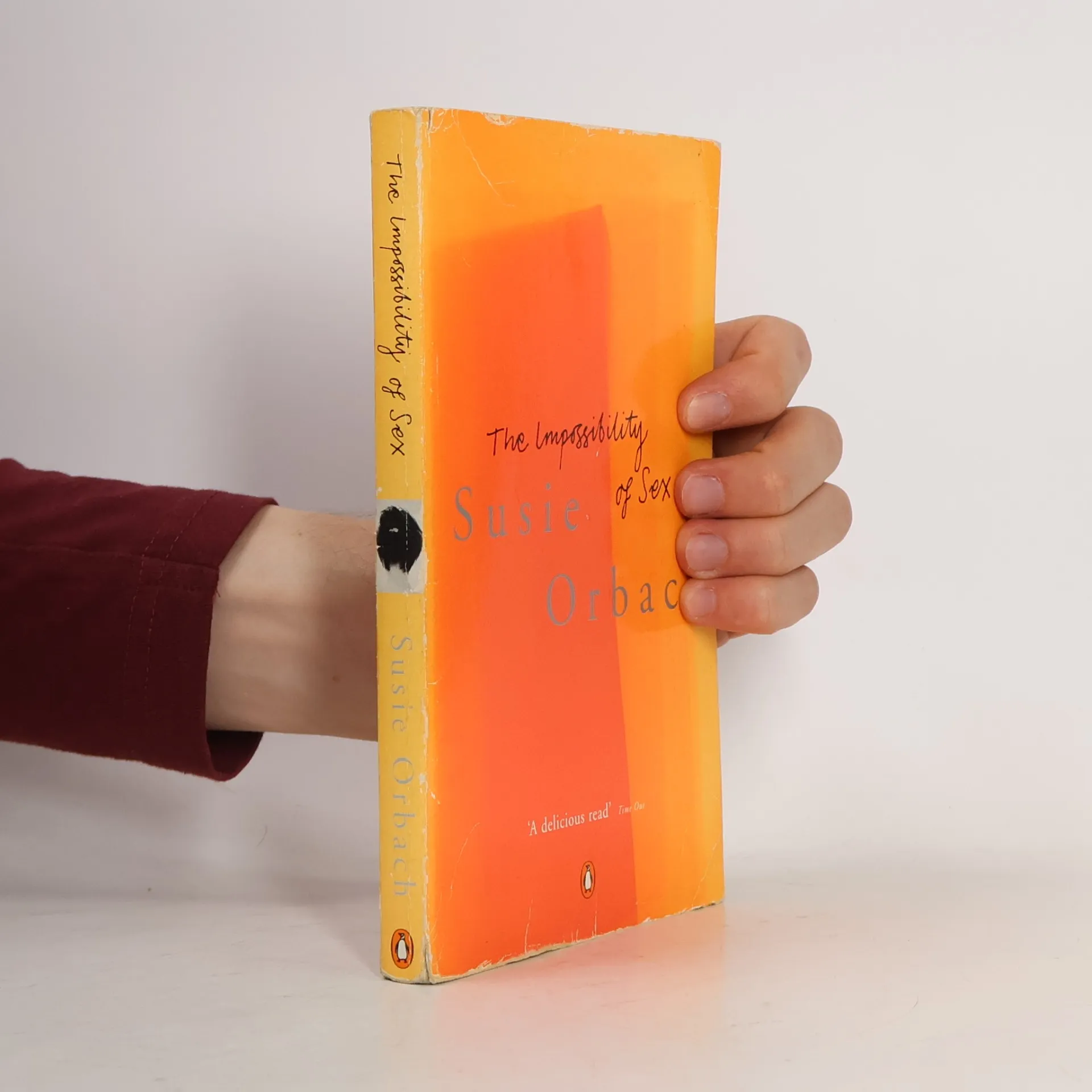
Dr. Susie Orbach is a prominent figure in therapy, delving into psychotherapy and its societal impacts. Her work explores the profound connection between the body and mind, often focusing on themes such as eating disorders and body image. Orbach approaches therapy with a feminist lens, challenging societal norms and their influence on individual mental well-being. Her perspective encourages deeper reflection on personal experiences and societal pressures.
Told in the form of eight stories about contemporary men and women, this text shows the thinking and practice of psychoanalysis today - the emotional encounter between analyst and client laid bare.
The crucial struggle between connectedness and autonomy and its effect on friendships between women forms the heart of this brilliant and timely book. Helps develop a sense of self in order to enjoy richer friendships.
In her examination of the anorectic's struggle, Susie Orbach sees women's eating problems as symbolizing the battle for autonomy in which every woman is engaged by identifying the first and most important arena of contention, a woman's body. As the author demonstrates, a woman's obsessive monitoring, severe reduction in food intake and the accompanying bingeing are a reflection of society's demands that she does not take up too much space, that she looks a certain way in order to be acceptable and that she curtails her needs in general. Yet anorexia also expresses a rebellion againts such ideas. It is, at another level, a cry of protest, a hunger strike against the contradictory and intolerable demands women face in contemporary society.
'Eating is pleasurable, eating is delicious, eating is sensual' says Susie. But for so many of us eating is associated with anguish and abstinence. From the first page this little book shows us how to think and feel differently about what we eat. So that we eat when we are hungry, eat what we want to eat to satisfy us and stop when we are full. Each page contains an easily absorbed bite-sized statement to transform eating that hurts into eating that nourishes and calms. This book isn't magic but it feels as if it is.
We may be the last generation to inhabit bodies not routinely reconstructed by surgical enhancements. Over the last decades, our body has become an individual statement and a crucial personal responsibility. For many of us, it is the source of terrible difficulty while for others it is an expensive commodity ...
Worldwide, increasingly large numbers of people are seeing therapists on a regular basis. In the UK alone, 1.5 million people are in therapy. We go to address past traumas, to break patterns of behaviour, to confront eating disorders or addiction, to talk about relationships, or simply because we want to find out more about what makes us tick. Susie Orbach, the bestselling author of Fat is a Feminist Issue and Bodies, has been a psychotherapist for over forty years. Here, she explores what goes on in the process of therapy - what she thinks, feels and believes about the people who seek her help - through five dramatised case studies. Originally broadcast as a Radio 4 series, here the improvised dialogue is replicated as a playscript, and Orbach offers us the experience of reading along with a session, while revealing what is going on behind each exchange between analyst and client. Insightful and honest about a process often necessarily shrouded in secrecy, In Therapy is an essential read for those curious about, or considering entering, therapy.
This work examines the impact of a diet-obsessed society on women and girls, highlighting how they internalize eating anxieties. It explores the complex love/hate relationship with food and emphasizes that issues surrounding fat extend beyond mere dietary concerns.
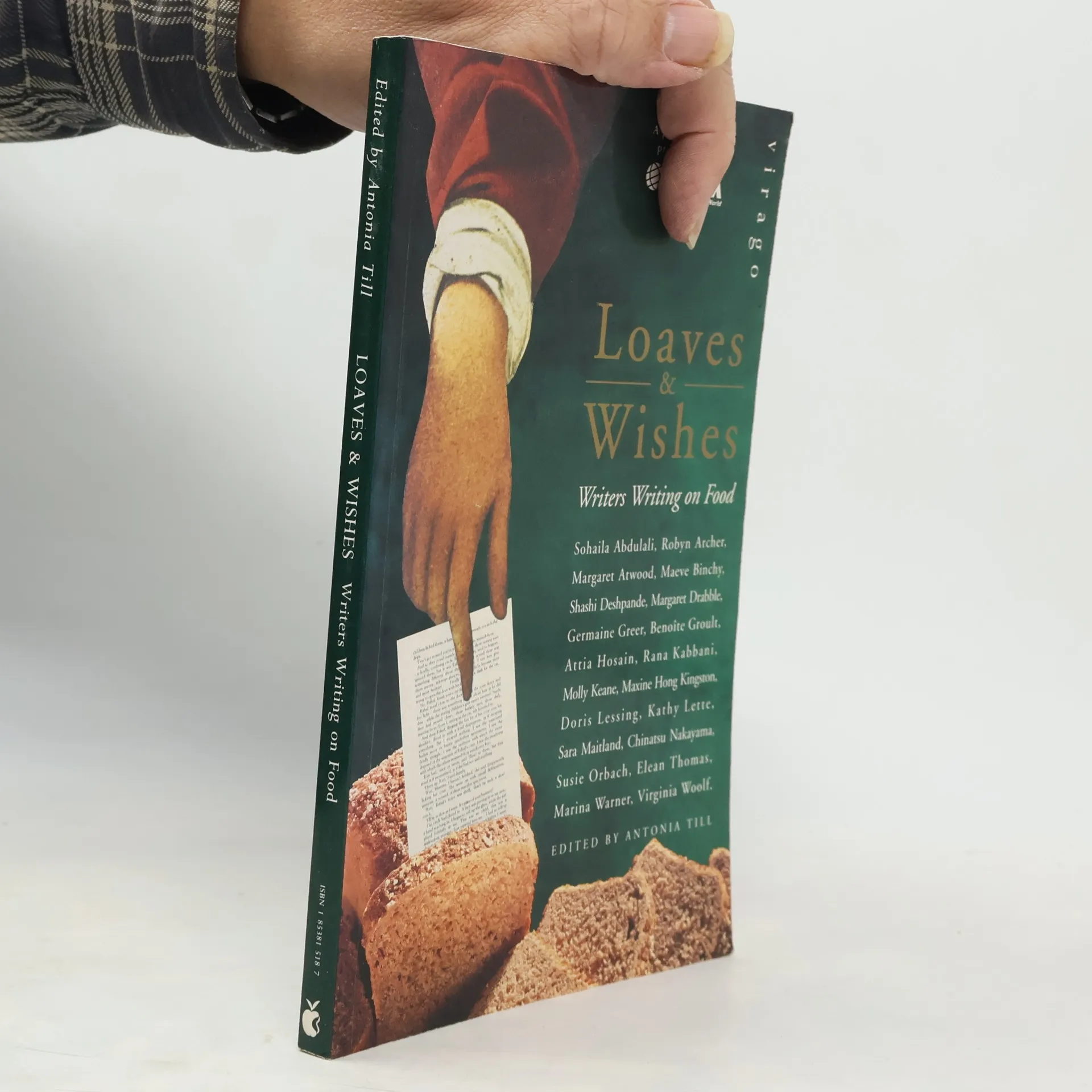
To mark Oxfam's 50th anniversary, Virago and Oxfam present an anthology of international writers on food, with contributions from, among others, Maeve Binchy, Germaine Greer, Margaret Drabble, Attia Hosain and Maxine Hong Kingston. The 20 well-known women writers explore the nuances of love, nurturing, festivities, family and social bonds that people associate with growing, cooking and eating food through a mixture of autobiography, fiction, poetry and polemic. A photograph of each author introduces her piece and a favourite completes it. The book is also interspersed throughout with Worldwide Food Facts.
A New Expanded Version of 'Outside In... Inside Out'
212 pages
8 hours of reading
This is an appraisal of women's psychological development based on clinical evidence. In their work as psychotherapists at the Women's Therapy Centre in London, the authors have isolated many problems that largely affect women: depression, phobias, eating disorders and poor self-image, for example. In this book, they relate these to the role of women in society, the dynamics of the mother-daughter relationship and the familial and social context in which women grow up. Challenging the views of Freud and the theories of biological determination, the authors demonstrate their own findings with examples from the consulting room and the revelations of both individual and group therapy.
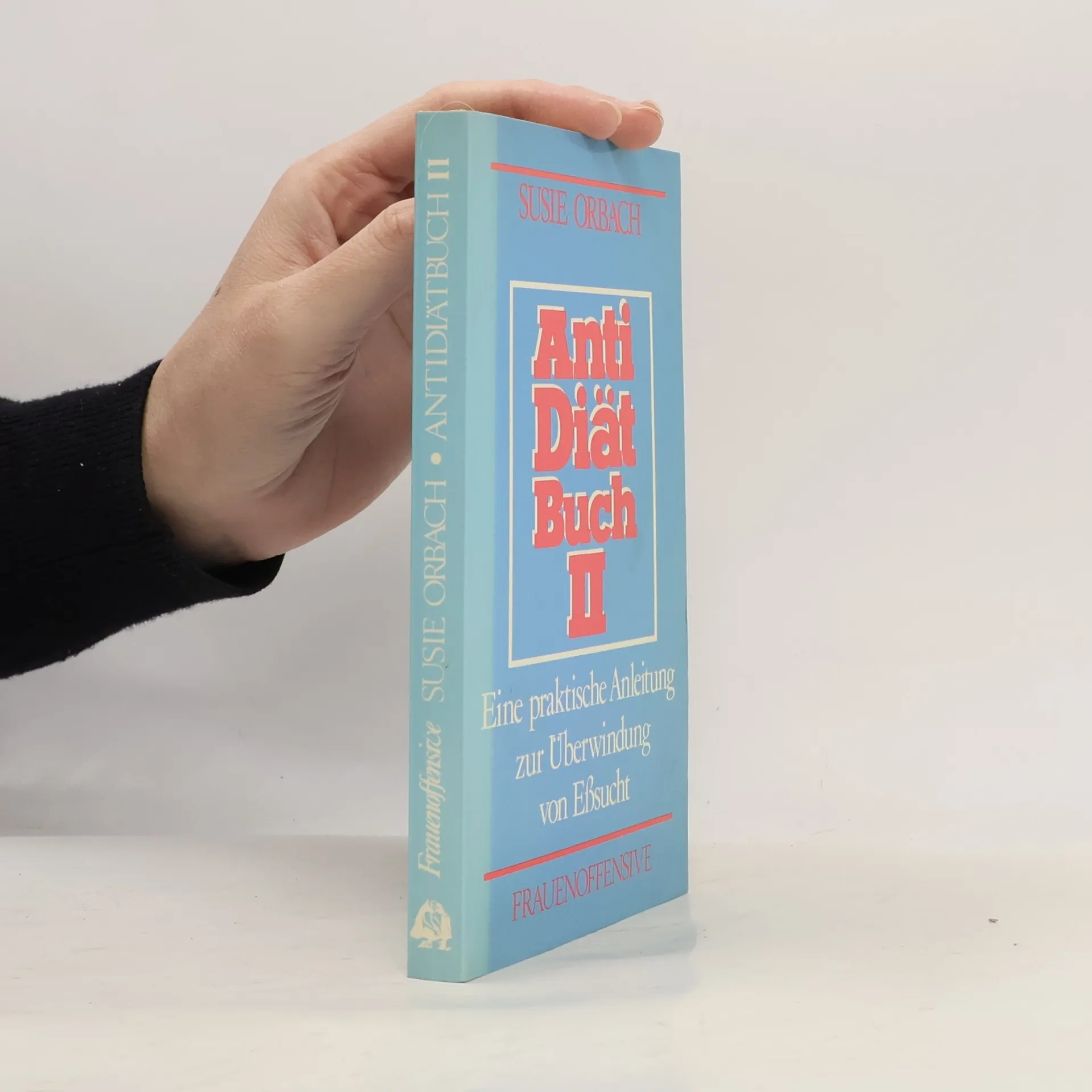
Orbach hat einen Schritt-für-Schritt-Leitfaden erstellt, der zeigt, wie man den Binge-Purge-Zyklus durchbricht und für immer mit dem Diäten aufhört. Dieses Buch enthält keine Rezepte, keine Menüvorschläge, keine Vorschriften. Es bietet praktische Übungen, die speziell darauf ausgelegt sind, die Bedürfnisse Ihres Körpers zu erkennen, zu spüren, wann Sie genug haben, und Essen auf Ihrem Teller zu lassen. Dies ist das Programm, das es Ihnen ermöglicht, die Kontrolle zu übernehmen und Ihr Leben für immer zu verändern.