Jose Luis Sancho Book order (chronological)
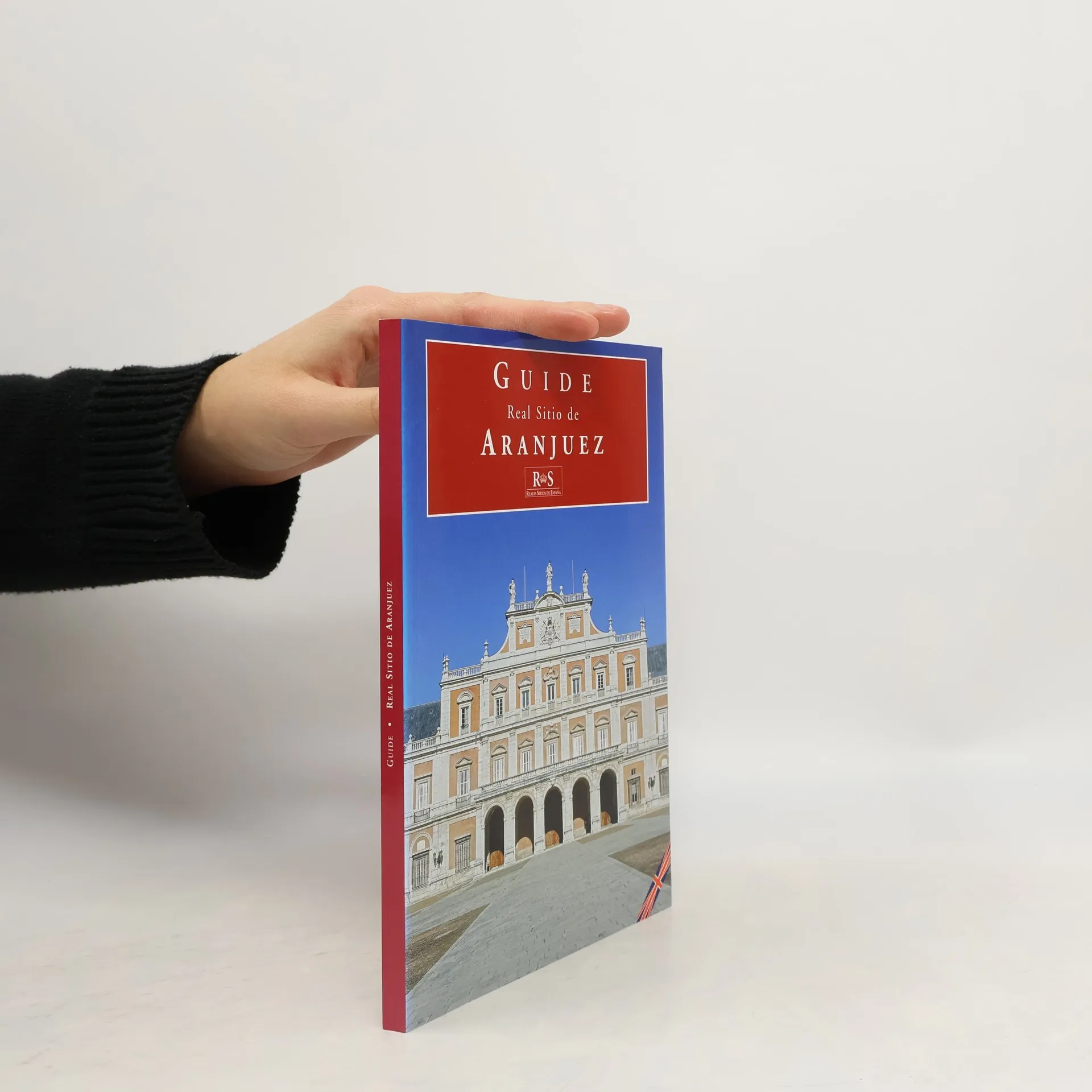
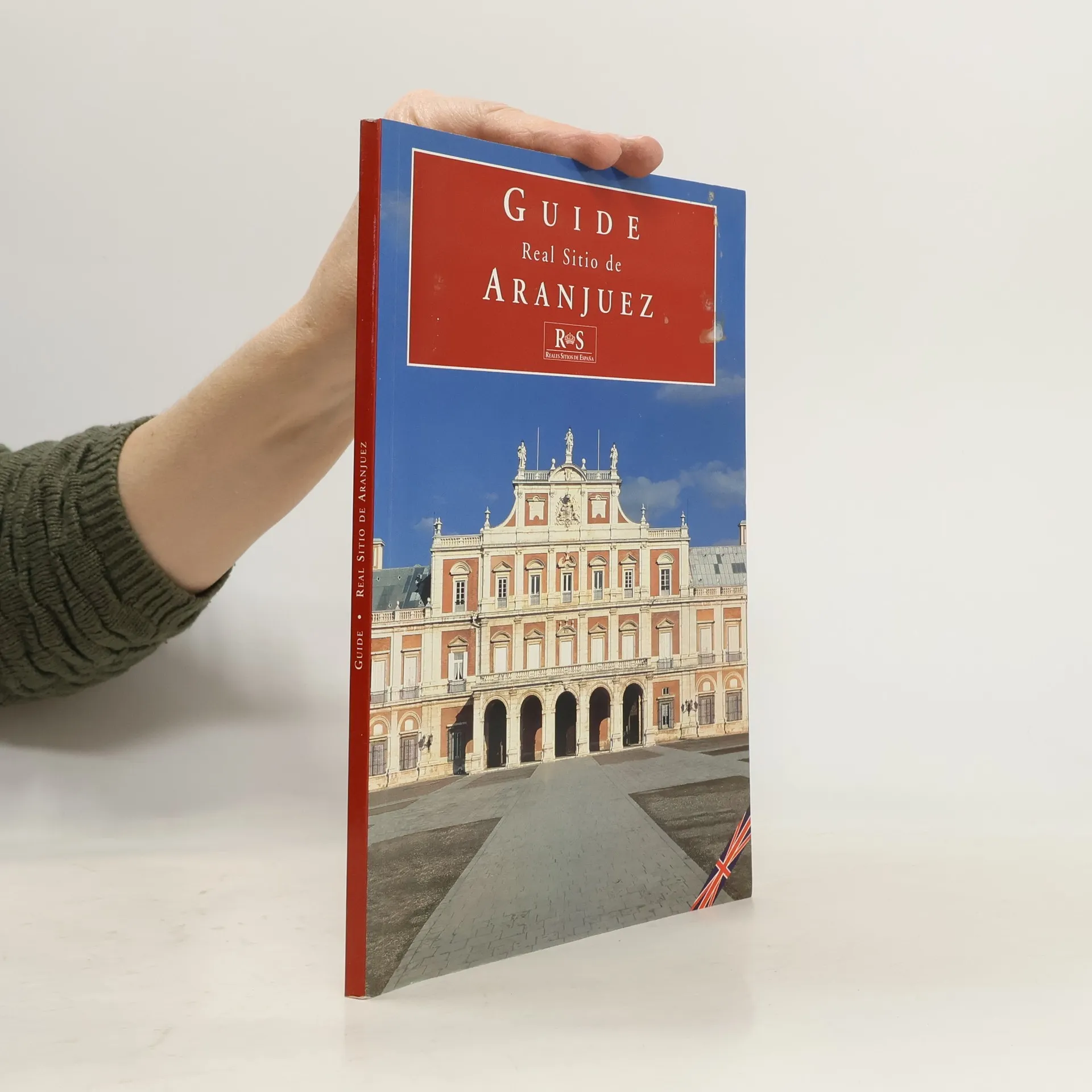
Real sitio de Aranjuez
- 128 pages
- 5 hours of reading
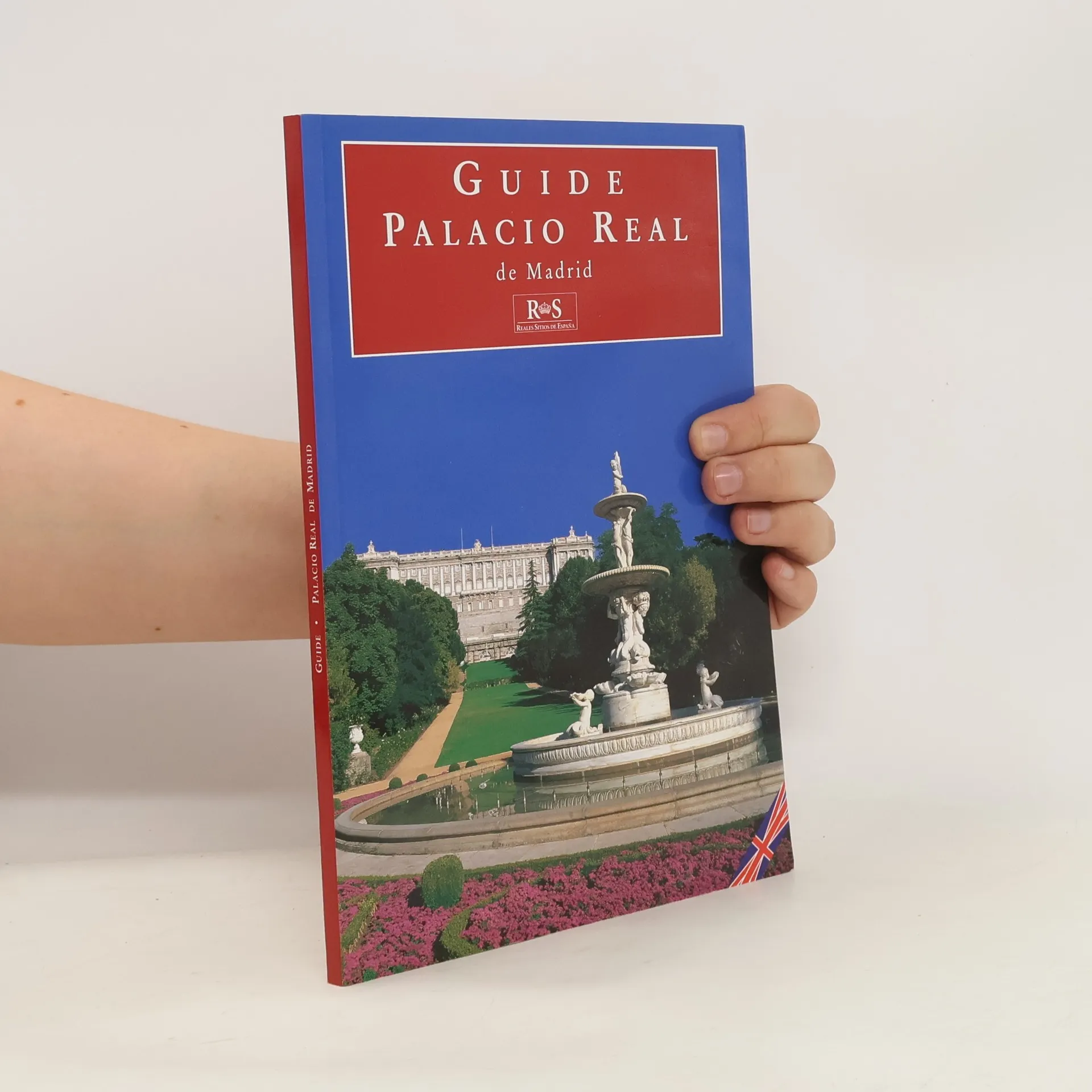
6 3/4"x9 1/2" 82 page softcover book on The Royal Palace of Madrid with color illustrations-Visitor's Guide series.Publisher-Aldeasa in 1998
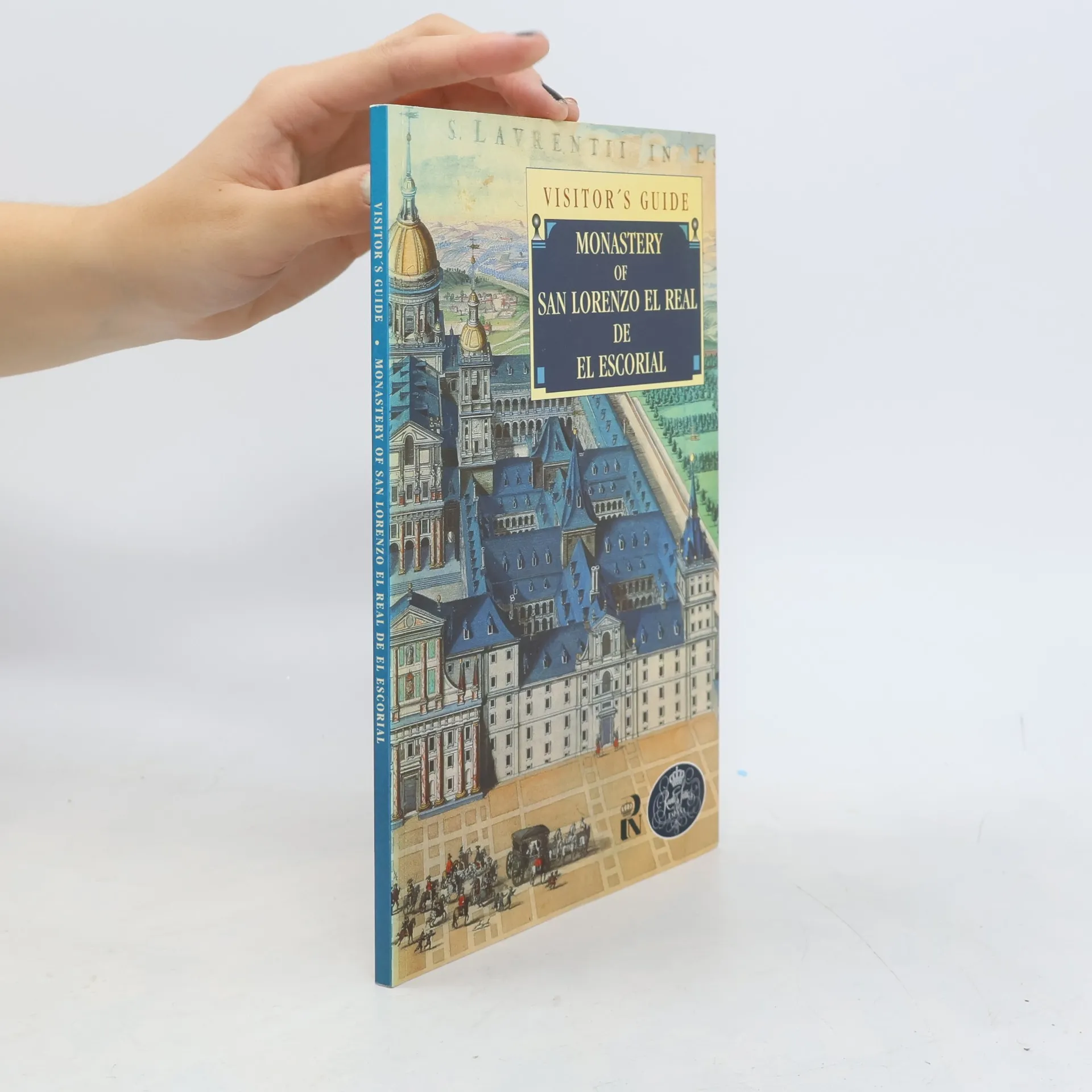
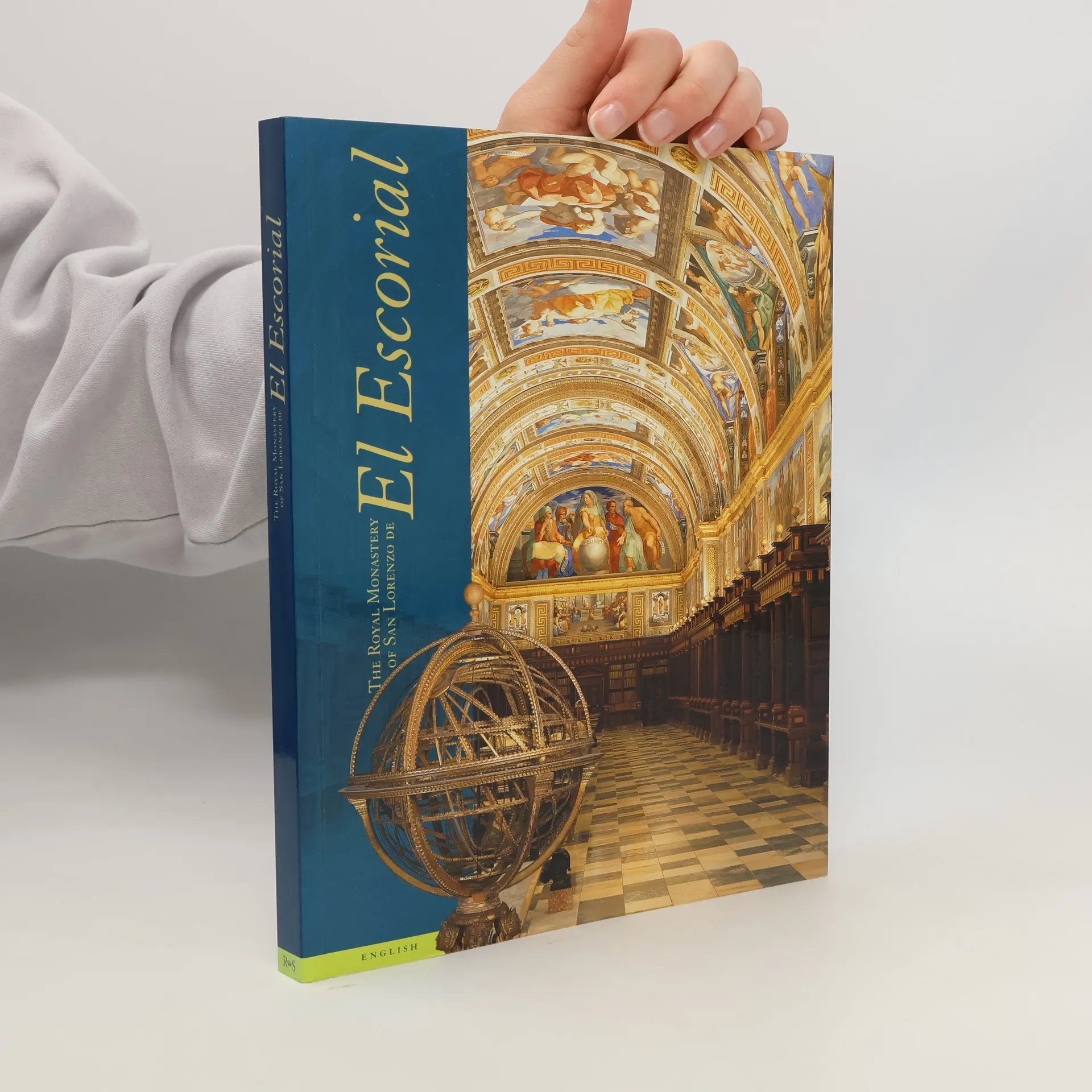
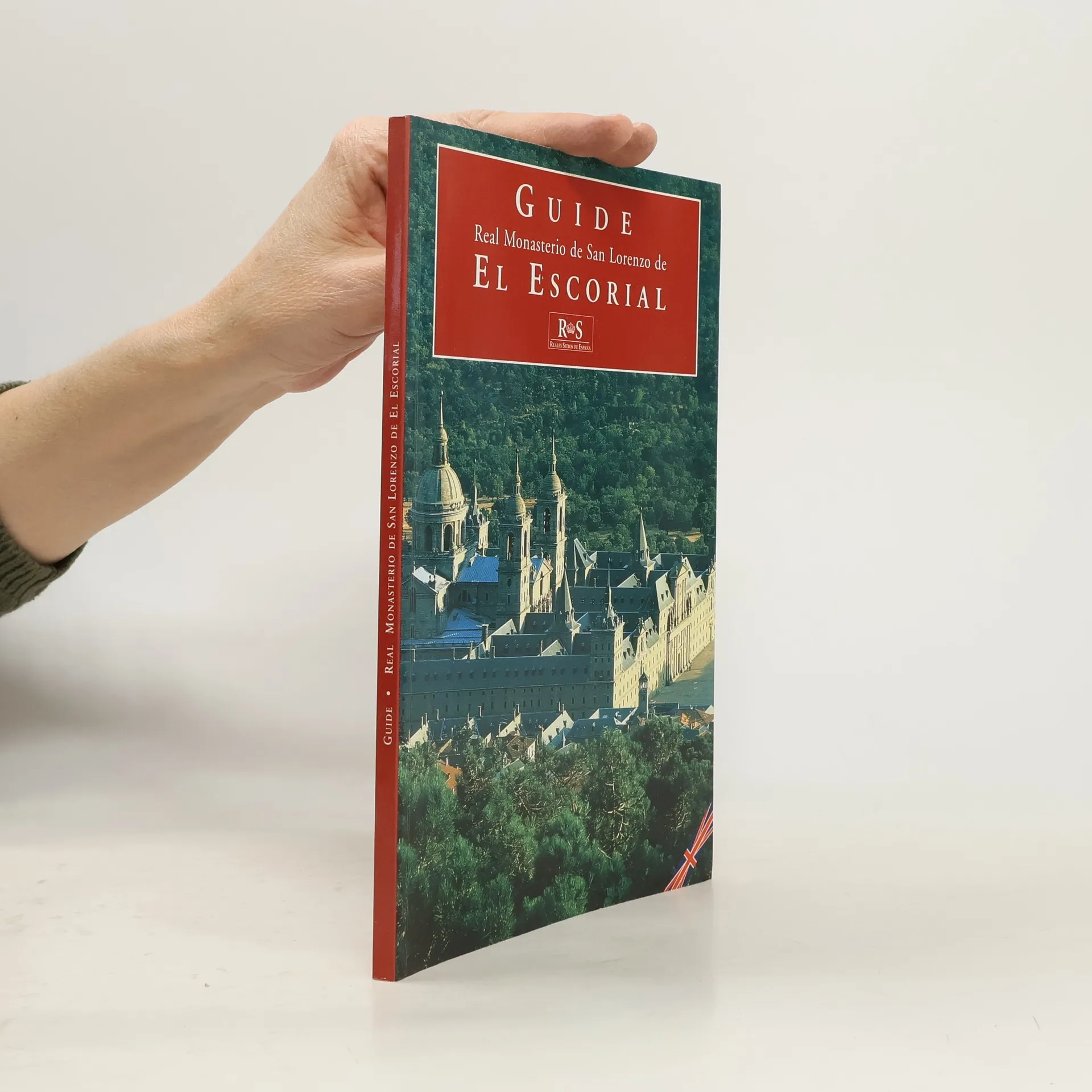
The Royal Monastery of San Lorenzo Escorial
- 207 pages
- 8 hours of reading
This book, with its more than 200 full-colour illustrations, provides a complete overview of the Monastery of El Escorial and the enormous wealth of artistic treasures which it houses, assembled by the kings of Spain over the course of the last four centuries.It features large-format images of key masterpieces of architectu
The book explores the historical and architectural significance of the Monastery of El Escorial, a UNESCO World Heritage site located near Madrid. It delves into the rich cultural heritage of this monumental complex, highlighting its role as a royal palace, monastery, and burial site for Spanish monarchs. The narrative provides insights into the artistic and religious dimensions of the monastery, examining its intricate design and the historical context of its construction during the reign of King Philip II. Themes of power, faith, and artistry are interwoven throughout, offering readers a comprehensive understanding of the significance of El Escorial in Spanish history and its enduring legacy. The book serves as a valuable resource for those interested in Spanish architecture, history, and the interplay between religion and politics in the formation of national identity.
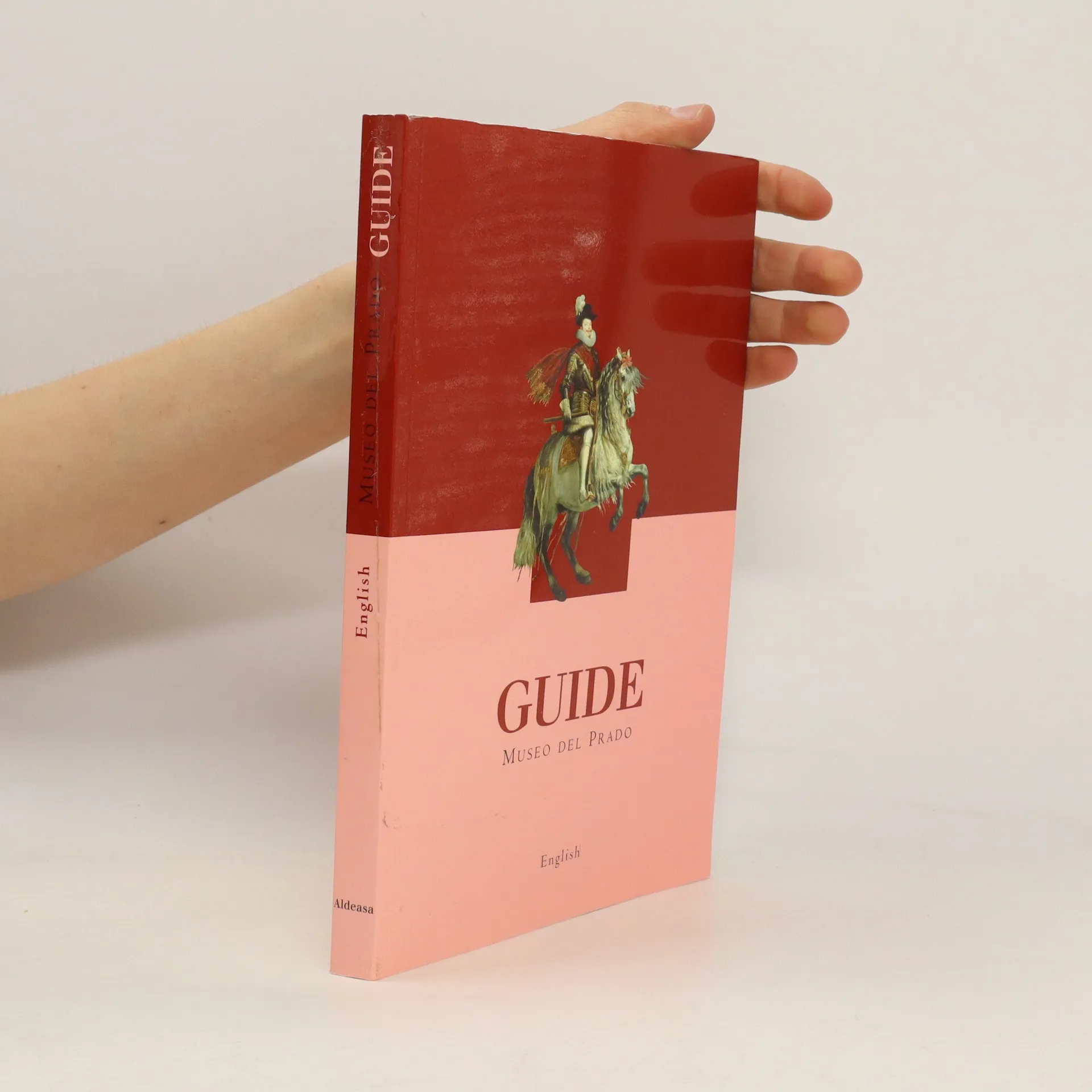
Führer - Museo del Prado
- 192 pages
- 7 hours of reading
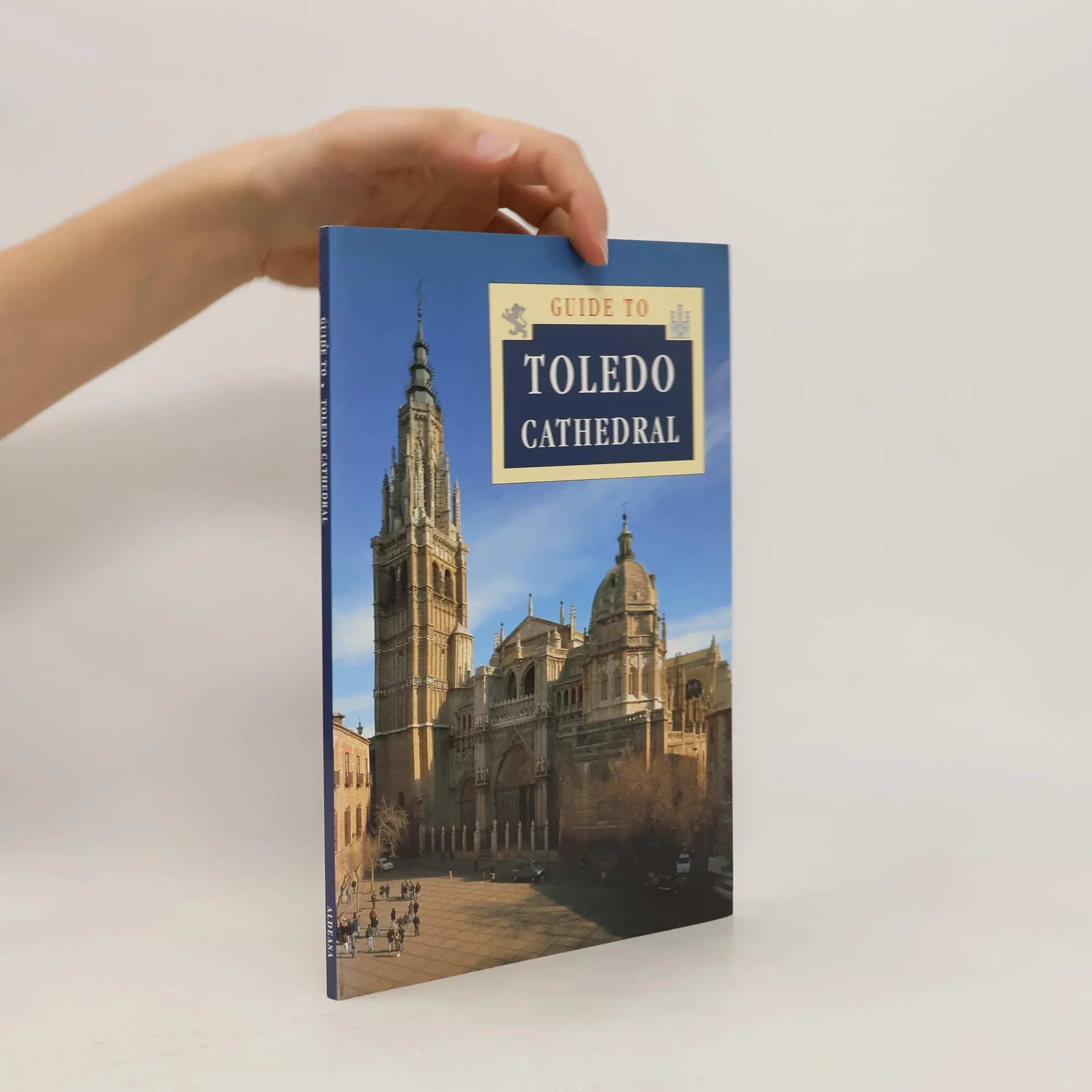
Guide to Toledo Cathedral
- 63 pages
- 3 hours of reading
Le monastère de San Lorenzo el Real de El Escorial est le monument qui représente le mieux les aspirations idéologiques et culturelles de l'« Âge d'Or espagnol ». Pendant cette époque, la Couronne espagnole, qui était la principale puissance mondiale non seulement pour ses alliances dynastiques et son pouvoir territorial en Europe, mais aussi pour son contrôle sur presque tout le continent américain récemment découvert, s'est établie comme le principal défenseur de la Contre-Réforme catholique, par opposition aux pays ayant embrassé la Réforme protestante. La lutte du roi « catholique » pour l'hégémonie européenne, la défense de la religion traditionnelle et le culte de la dynastie et du Monarque comme l'un des peuples choisis de Dieu se reflètent fortement dans El Escorial par sa combinaison originale de formes artistiques italiennes et flamandes. Aujourd'hui, El Escorial continue sous la confiance royale de S.M. le Roi et sa gestion et tutelle sont assurées par le Patrimoine national.