

Explore the latest books of this year!
Bookbot

Ernest P. Chan Books

    Nam Kee, de oesters en andere gerechten
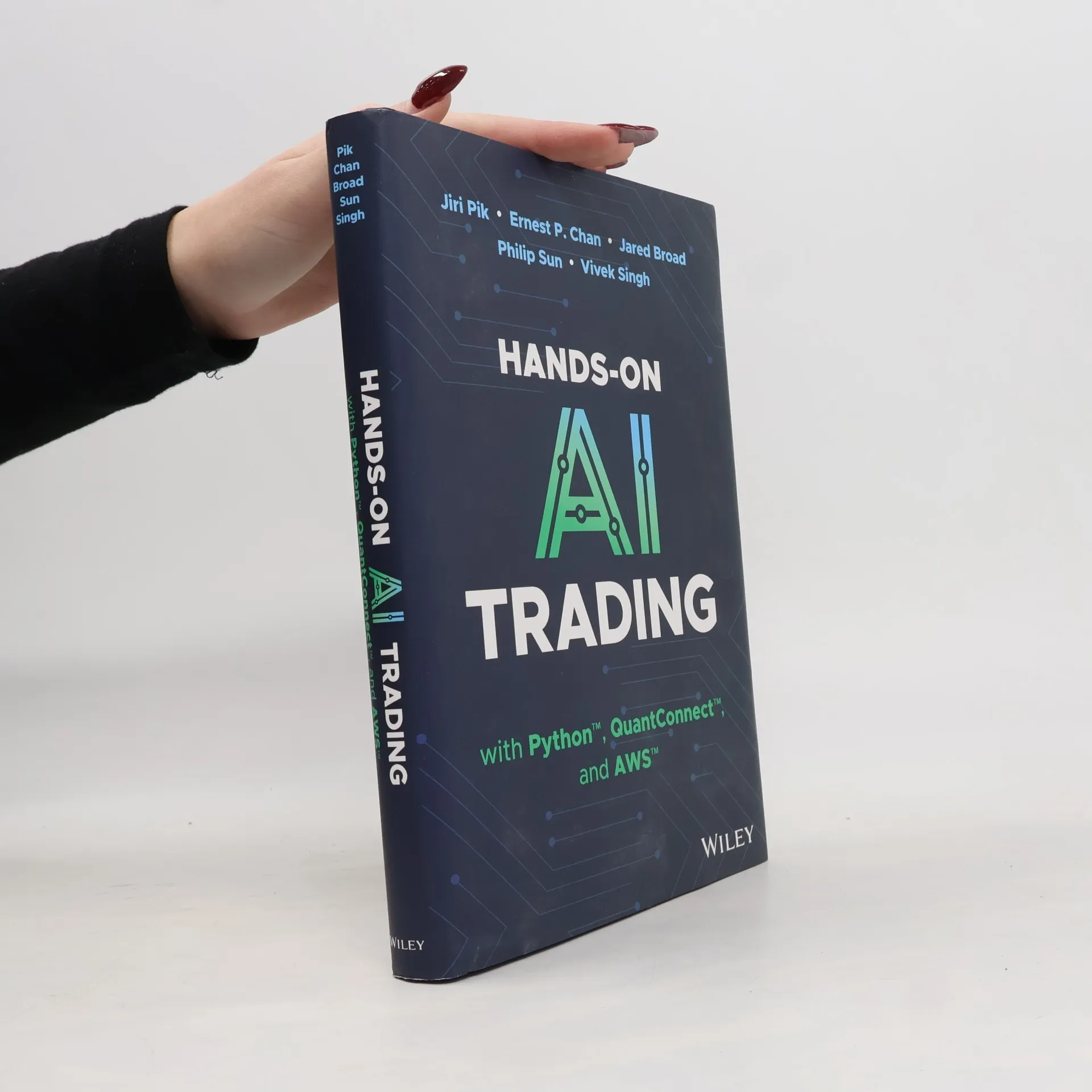
    Hands-On AI Trading with Python, QuantConnect, and AWS
    Algorithmic Trading
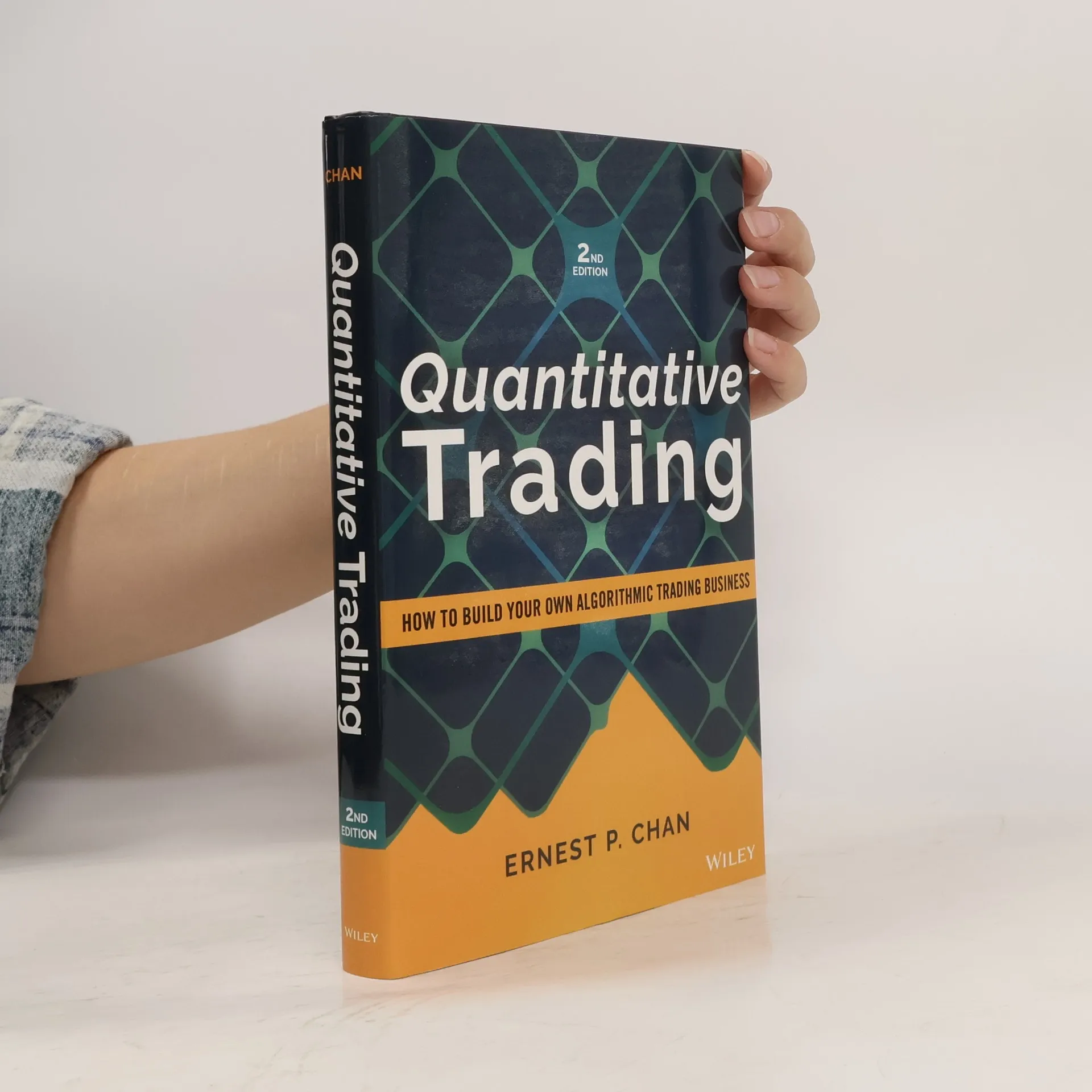
    Quantitative Trading
    • Quantitative Trading

      • 256 pages
      • 9 hours of reading

      Master the lucrative discipline of quantitative trading with this insightful handbook from a master in the field In the newly revised Second Edition of Quantitative Trading: How to Build Your Own Algorithmic Trading Business, quant trading expert Dr. Ernest P. Chan shows you how to apply both time-tested and novel quantitative trading strategies to develop or improve your own trading firm. You'll discover new case studies and updated information on the application of cutting-edge machine learning investment techniques, as well as: Updated back tests on a variety of trading strategies, with included Python and R code examples A new technique on optimizing parameters with changing market regimes using machine learning. A guide to selecting the best traders and advisors to manage your money Perfect for independent retail traders seeking to start their own quantitative trading business, or investors looking to invest in such traders, this new edition of Quantitative Trading will also earn a place in the libraries of individual investors interested in exploring a career at a major financial institution.
      Quantitative Trading
      4.1
    • Algorithmic Trading

      • 224 pages
      • 8 hours of reading

      Praise for Algorithmic TRADING “Algorithmic Trading is an insightful book on quantitative trading written by a seasoned practitioner. What sets this book apart from many others in the space is the emphasis on real examples as opposed to just theory. Concepts are not only described, they are brought to life with actual trading strategies, which give the reader insight into how and why each strategy was developed, how it was implemented, and even how it was coded. This book is a valuable resource for anyone looking to create their own systematic trading strategies and those involved in manager selection, where the knowledge contained in this book will lead to a more informed and nuanced conversation with managers.” —DAREN SMITH, CFA, CAIA, FSA, Managing Director, Manager Selection & Portfolio Construction, University of Toronto Asset Management “Using an excellent selection of mean reversion and momentum strategies, Ernie explains the rationale behind each one, shows how to test it, how to improve it, and discusses implementation issues. His book is a careful, detailed exposition of the scientific method applied to strategy development. For serious retail traders, I know of no other book that provides this range of examples and level of detail. His discussions of how regime changes affect strategies, and of risk management, are invaluable bonuses.” —ROGER HUNTER, Mathematician and Algorithmic Trader

      Algorithmic Trading
      3.7
    • Master AI-driven algorithmic trading strategies through hands-on examples, in-depth insights, and step-by-step guidance. This resource delves into real-world applications of AI in algorithmic trading, offering practical examples with complete code to enhance your AI toolkit. Unlike other texts, it emphasizes designing actual trading strategies over backtesting infrastructure. Utilizing QuantConnect, it grants access to essential market data from Algoseek and others. Code examples are available on GitHub, written in Python, and include performance tearsheets and research Jupyter notebooks. The book begins with an overview of financial trading and the QuantConnect platform, organized by the AI technologies employed. It covers constructing portfolios with regression models, predicting dividend yields, and using machine learning packages like SKLearn and MLFinLab to mitigate market volatility. Learn to apply principal component analysis, identify trading pairs, and run statistical arbitrage with LightGBM. It also addresses predicting market volatility regimes, daily returns of tech stocks with classifiers, and Forex price forecasting using Support Vector Machines and wavelets. Explore momentum and reversion risk prediction using TensorFlow and temporal CNNs, and leverage large language models for stock research analysis and sentiment analysis on real-time news feeds. Implement reinforcement learning for hedging options with PyTo

      Hands-On AI Trading with Python, QuantConnect, and AWS