Arvind Sharma is a distinguished scholar in the field of comparative religion, with his work delving deeply into Indian studies and theology. His research illuminates the intricate connections between faith and culture, emphasizing a comparative perspective. Sharma's academic approach is rooted in a multidisciplinary understanding of religious traditions. He brings a profound insight to his analyses, helping readers better grasp the diversity of spiritual thought.
Essays on the Discourse and Practice of the Phenomenology of Religion
This book offers a thorough exploration of Phenomenology of Religion, structured in three parts. The first analyzes the term's connotations, the second situates the method within religious studies, and the last discusses current debates, culminating in the author's unique contribution.
This book explores the role of women across major world religions, including Buddhism, Christianity, Confucianism, Hinduism, Islam, Judaism, Taoism, and tribal religions. It addresses essential facts and ideological issues regarding women's positions within these traditions. A key feature is its phenomenological approach, where scholars analyze sacred texts from both an internal perspective and a feminine viewpoint. Each contributor is a knowledgeable historian of religions, grounding her insights in verifiable facts. The work effectively balances empirical evidence with nuanced perceptions, embodying the strengths of phenomenology and religious history. It highlights the evolution of religious practices and beliefs over time. Contributors include experts from various academic institutions, such as Katherine K. Young from McGill University, Nancy Schuster Barnes in Sanskrit and Indian Studies, M. Theresa Kelleher from Manhattanville College, and Barbara Reed from St. Olaf College. Additionally, Denise L. Carmody from the University of Tulsa, Jane I. Smith from Harvard Divinity School, Rosemary Radford Ruether from Garrett-Evangelical Theological Seminary, and Rita M. Gross from the University of Wisconsin, Eau Claire, provide diverse insights into the intersection of gender and religion.
In his Autobiography Gandhi wrote 'What I want to achieve-what I have been striving and pining to achieve these thirty years-is self-realization to see God face to face. . . . All that I do by way of speaking and writing and all my ventures in the political field are directed to this same end.' While hundreds of biographies and histories have been written about Gandhi (1869-1948) nearly all of them have focused on the national political social economic educational ecological or familial dimensions of his life. Very few in recounting how Gandhi led his country to political freedom have viewed his struggle primarily as a search for spiritual liberation. Shifting the focus to the understudied subject of Gandhi's spiritual life Arvind Sharma retells the story of Gandhi's life through this lens. Illuminating unsuspected dimensions of Gandhi's inner world and uncovering their surprising connections with his outward actions Sharma explores the eclectic religious atmosphere in which Gandhi was raised his belief in karma and rebirth his conviction that morality and religion are synonymous his attitudes toward tyranny and freedom and perhaps most important the mysterious source of his power to establish new norms of human conduct. This book enlarges our understanding of one of history's most profoundly influential figures a man whose trust in the power of the spirit helped liberate millions.>
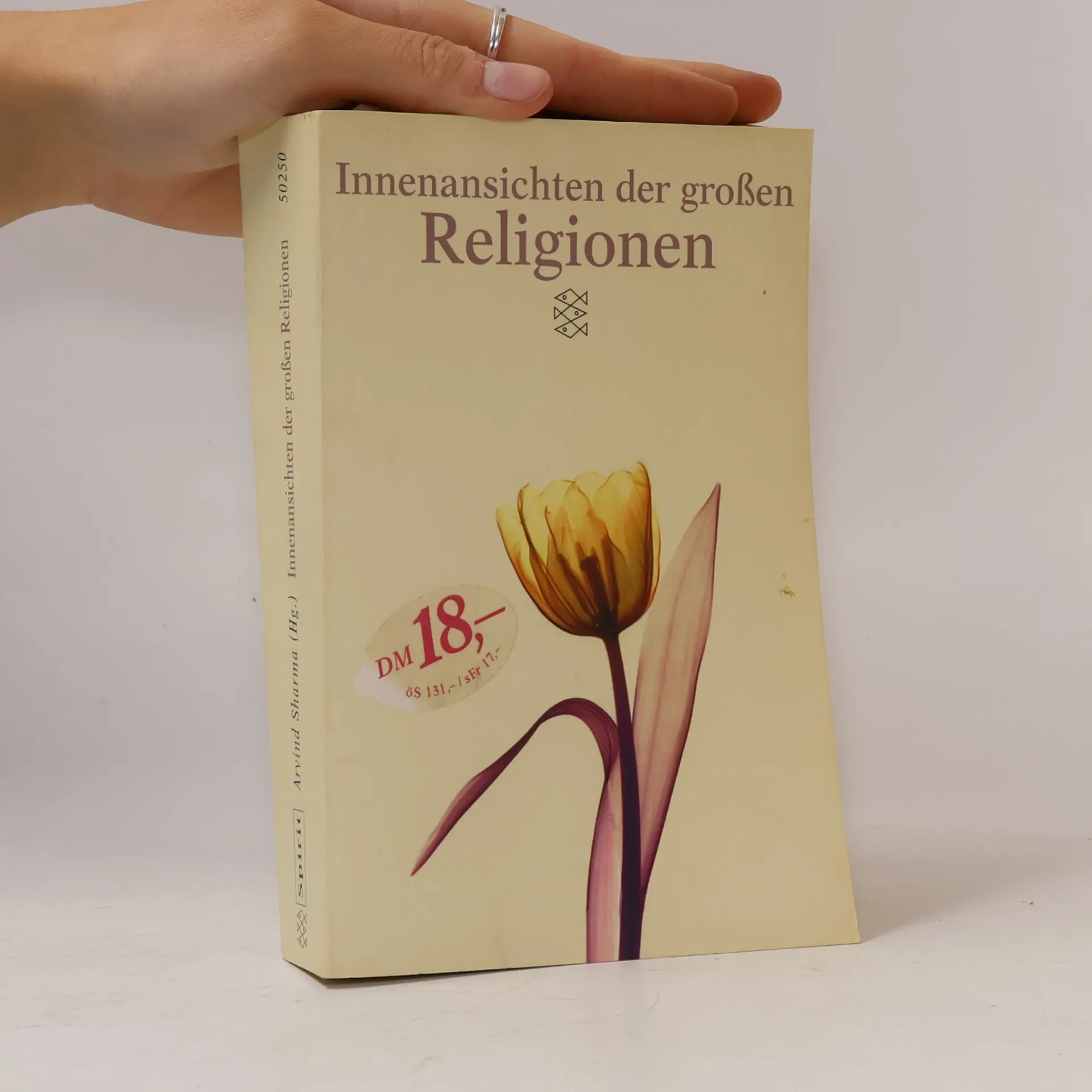
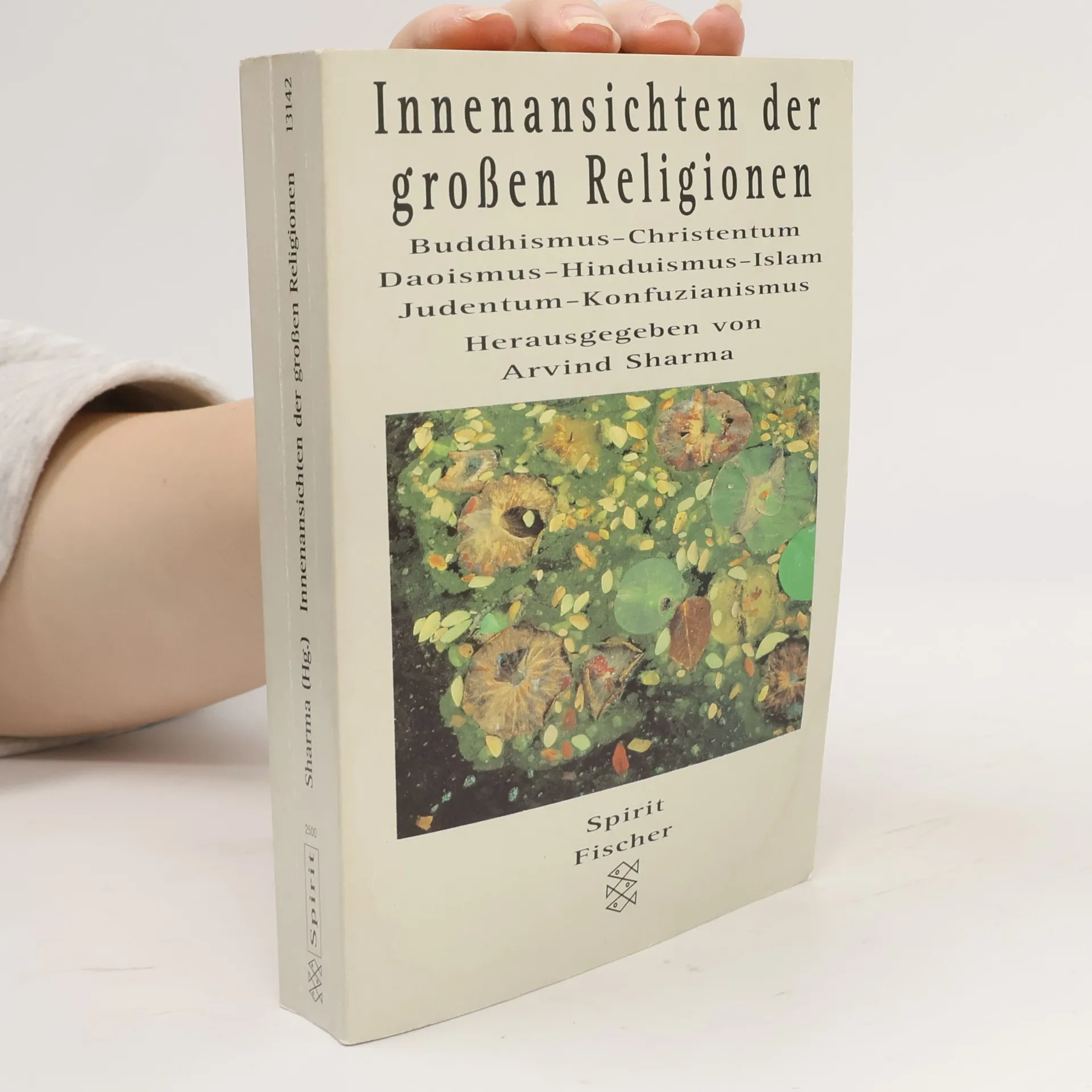
In einer von Konflikten zerrissenen Welt ist es wichtig, den friedenstiftenden Kern der Weltreligion zu verstehen, um ihren von gegenseitigen Mißverständnissen geschürten Dissens überwinden zu können. Dieses Buch leistet einen großen Beitrag dazu. Hier werden die einzelnen spirituellen Traditionen nicht von außen oder durch die Brille einer anderen Religion betrachtet. Die Autoren, alle international anerkannte Fachleute, machen uns ihre jeweilige religiöse Tradition, deren Entwicklung bis in die Moderne und deren essentiellen Kern vielmehr von innen her begreifbar.
Dieses Werk bietet eine didaktische Einführung in eine der radikalsten Denktraditionen Indiens und des Ostens, den Advaita Vedanta oder die Philosophie der Non-Dualität. Der anerkannte Professor Arvind Sharma behandelt den Advaita Vedanta aus drei unabhängigen und komplementären Perspektiven: der schriftlichen (fundiert auf den Lehren der Upanishaden), der rationalen (hauptsächlich basierend auf der Philosophie von Sankara) und der erfahrungsbasierten (wie sie von Lehrern wie Ramana Maharshi und Jiddu Krishnamurti praktiziert wurde). Es handelt sich um eine zugängliche und zugleich rigorose Einführung, die sich nicht auf die technischen Details dieses philosophischen Systems konzentriert, sondern auf seinen Geist. Daher wird die Lektüre dieser Seiten nicht nur für Studierende der vergleichenden Religionswissenschaft von großem Nutzen sein, sondern auch für diejenigen, die das hinduistische Denken und die Spiritualität Indiens verstehen möchten.