
Explore the latest books of this year!
Bookbot

Friedel Lenz

    October 2, 1897 – November 16, 1970
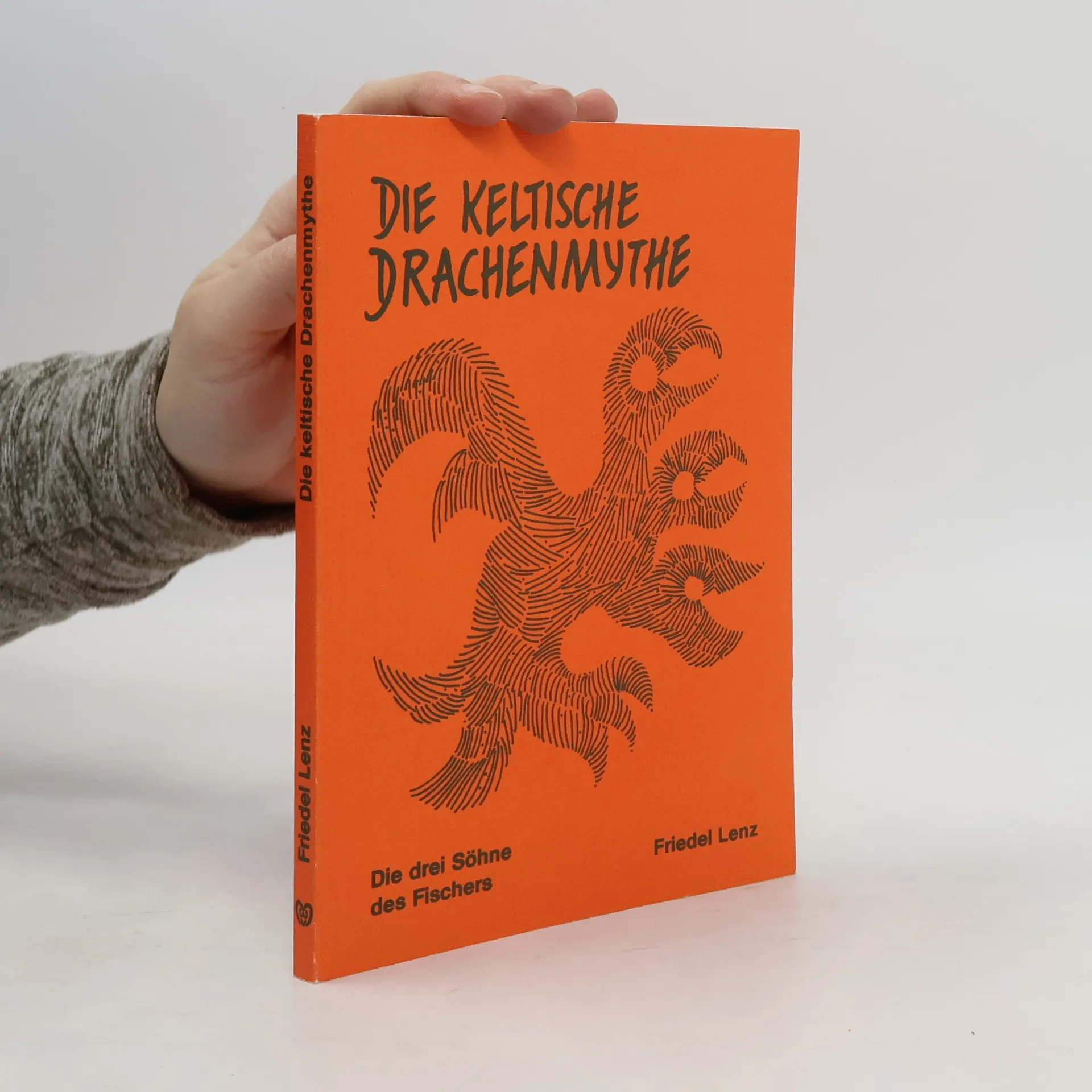
    Die keltische Drachenmythe. Die drei Söhne des Fischers
    Auf der Schwelle von Weltzeitaltern
    Sinndeutung
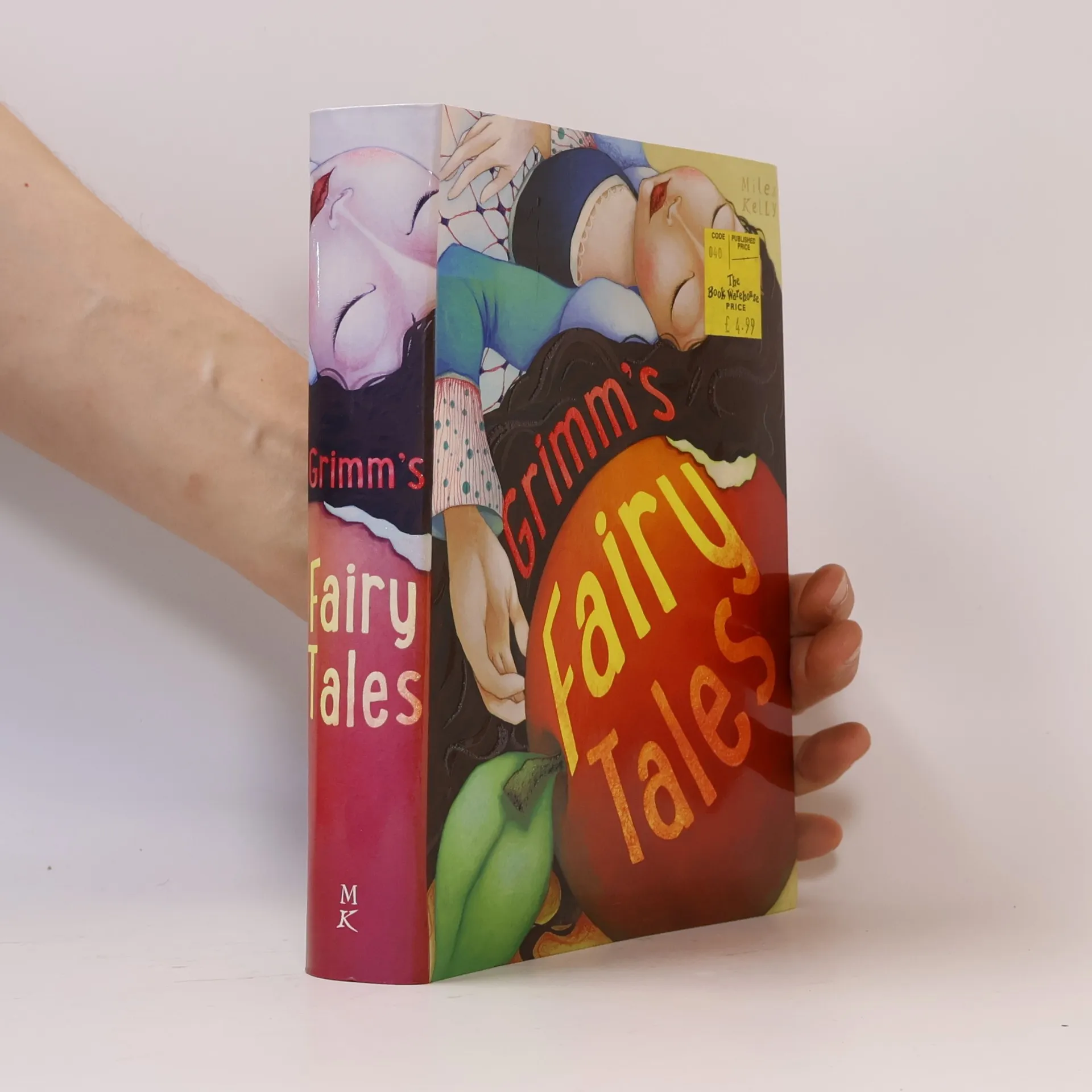
    Grimms' fairy tales
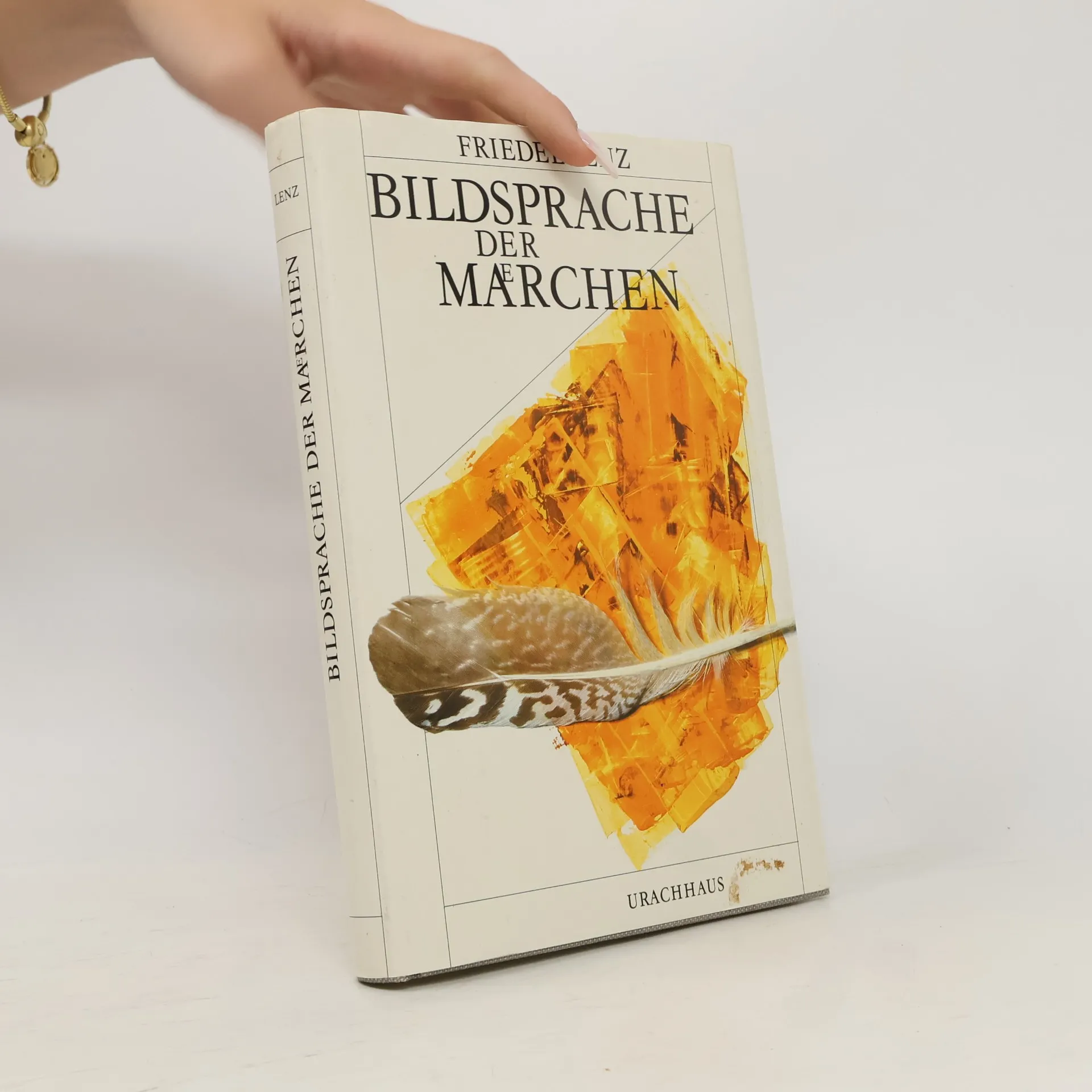
    Bildsprache der Märchen
    The picture language of folktales
    • The picture language of folktales

      • 300 pages
      • 11 hours of reading

      Interspersing commentary with the telling of the tale, Friedel Lenz explores the meaning of twenty-five of the Grimm folktales. She uses the concepts of the nature and evolution of the human being developed by Rudolf Steiner in his basic books on Anthroposophy. In particular, Lenz views the human being as possessing body, soul and spirit and the soul as having three functions: feeling, thinking and willing. She shows how the Grimm stories depict spiritual growth and human dignity. Her interpretations show how right Wilhelm Grimm was that the folktales are fragments of a "shattered jewel", an ancient faith based on deep knowledge of the spiritual nature and evolution of mankind. Rightly understood, the stories are probably the most profound literature we possess. The child of four, five and six can still sense that profound truth. Lenz's commentary enables even modern adults to grasp the deep significance of the stories. Friedel Lenz (1897 - 1970) knew Rudolf Steiner and studied in the Waldorf teacher training program. In World War II, her husband and two daughters were killed; she and two sons survived. She then made a new life for herself as a teller of folktales to children and a lecturer who brought them alive and made them understandable to adults.
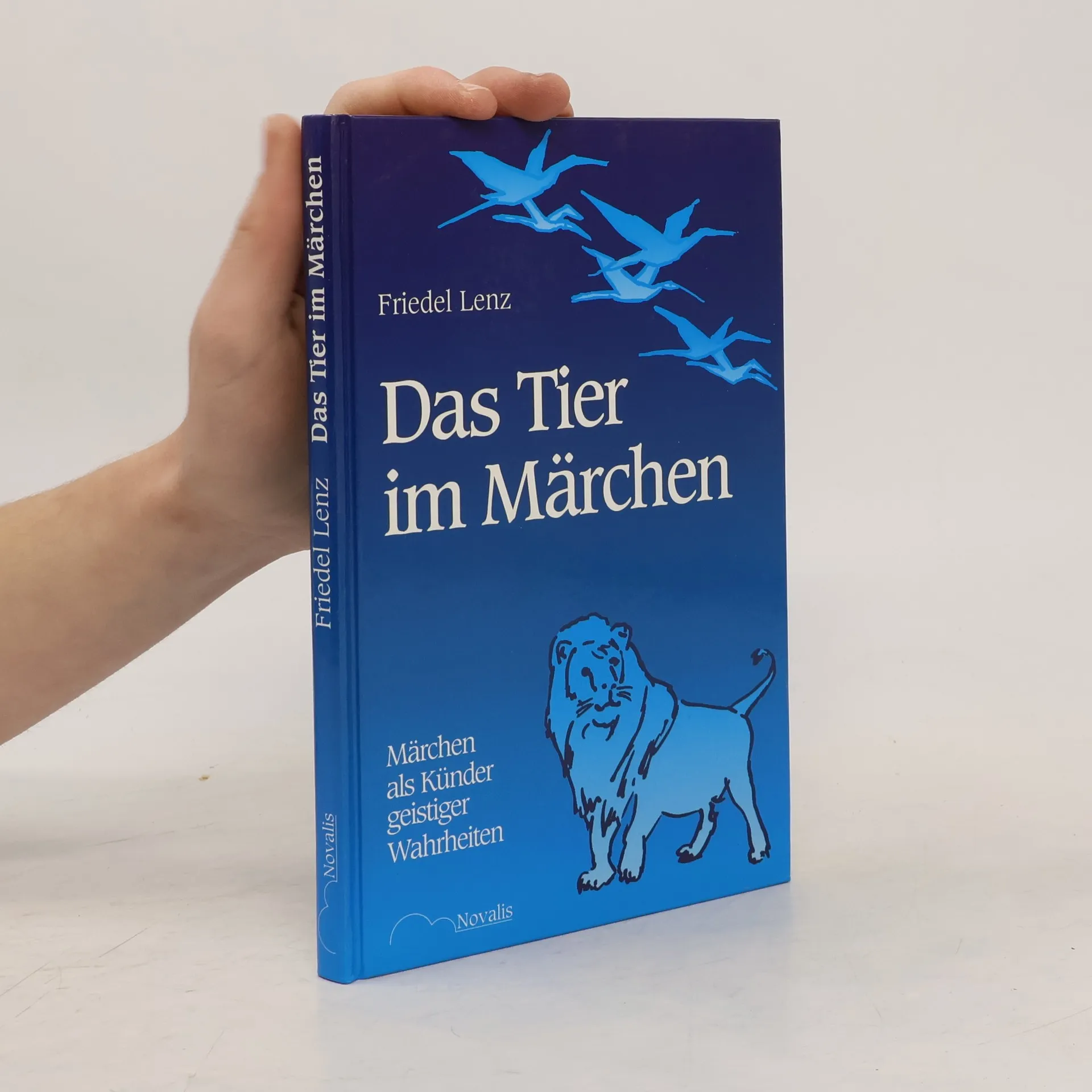
      The picture language of folktales
    • Bildsprache der Märchen

      • 296 pages
      • 11 hours of reading

      Ein Leben lang hat sich die Autorin mit Volksmärchen befaßt und deren Deutung auf dem Hintergrund christlicher Religion und geisteswissenschaftlichen Studiums zu ihrer Lebensarbeit erhoben. Wie sieht sie denn nun aus, diese Bilderwelt? Was bedeuten sie, die Riesen, Zauberer, Zwerge, Feen und Elfen, die sprechenden Tiere, Pflanzen und Steine? Ist es nicht verwegen, zu behaupten, Märchen seien Spiegelbilder geistiger Schaffensprozesse? Aus dem Inhalt: Schicksalsmärchen / Der Mensch als Mitgestalter / Kleine Symbol-Übersicht.

      Bildsprache der Märchen
      4.5
    • HarperCollins is proud to present its new range of best-loved, essential classics. 'The wolf thought to himself, "What a tender young creature! what a nice plump mouthful - she will be better to eat than the old woman. I must act craftily, so as to catch both."' Collected by the German Grimm brothers, these folk tales have captured the imaginations of children and adults alike since they were first published in 1812. The best-known stories such as The Golden Goose, Hansel and Gretel, The Frog Prince, and Snow-White and Rose-Red remain as popular today as when first told, although there is an underlying darkness and violence to the original stories that has softened over time.

      Grimms' fairy tales
      4.1
    • Die keltischen Drachenmythen entstammen einem alten mythologischen Erbe, das über den gälisch-keltischen Raum hinausgeht. Sie erzählen von Wasserwesen und Gaben, wobei die Geschichte der drei Söhne eines Fischers und ihrer Begegnung mit einem Seeungeheuer im Mittelpunkt steht.

      Die keltische Drachenmythe. Die drei Söhne des Fischers