
Explore the latest books of this year!
Bookbot

Johannes Itten

    November 11, 1888 – March 25, 1967

    A Swiss expressionist painter, designer, teacher, writer, and theorist associated with the Bauhaus school. His multifaceted career encompassed painting, design, education, and theoretical writings, establishing him as a central figure in his field. He was an integral part of the core leadership at the Weimar Bauhaus, collaborating with other notable artists and architects.

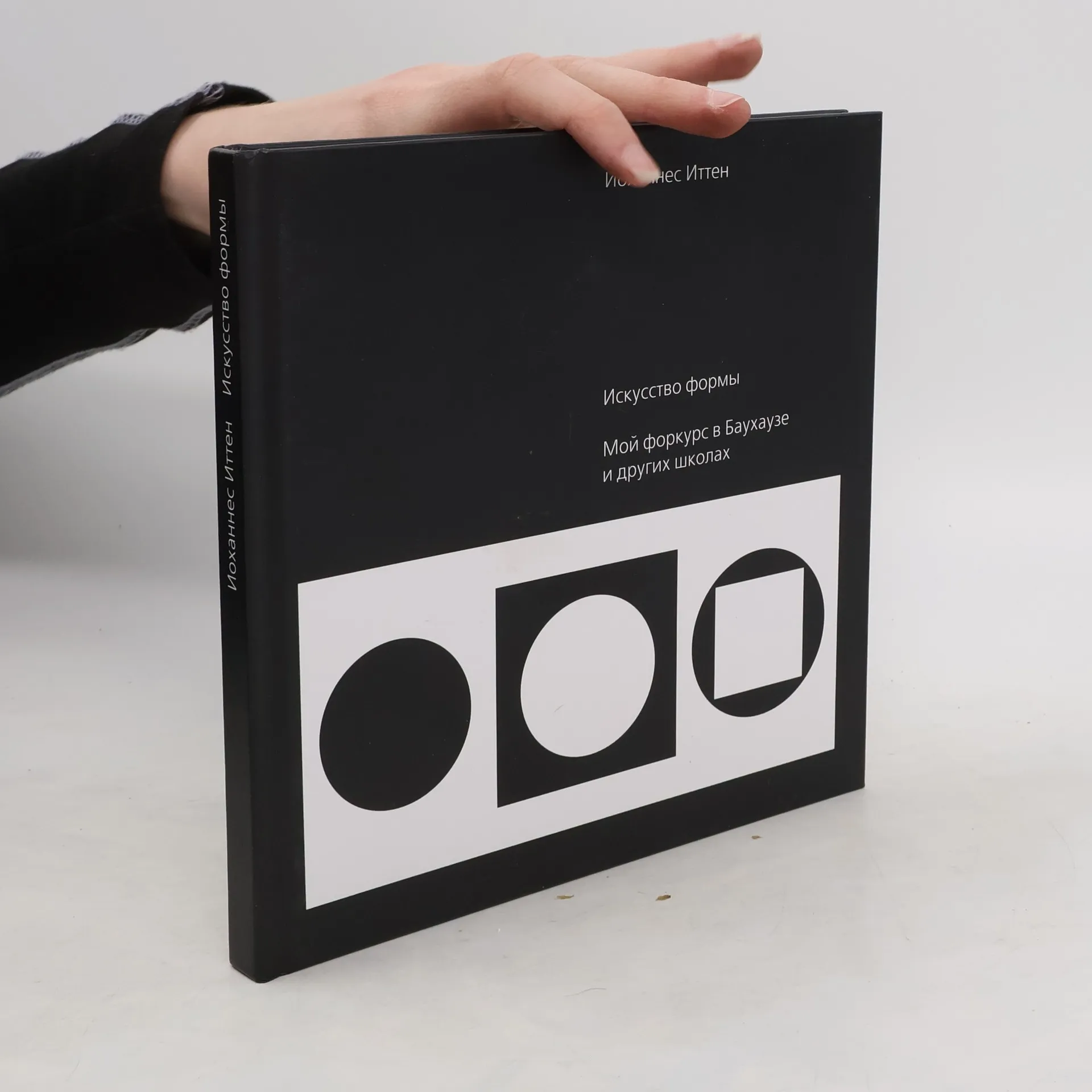
    Искусство цвета
    Iskusstvo formy
    Iskusstvo cveta
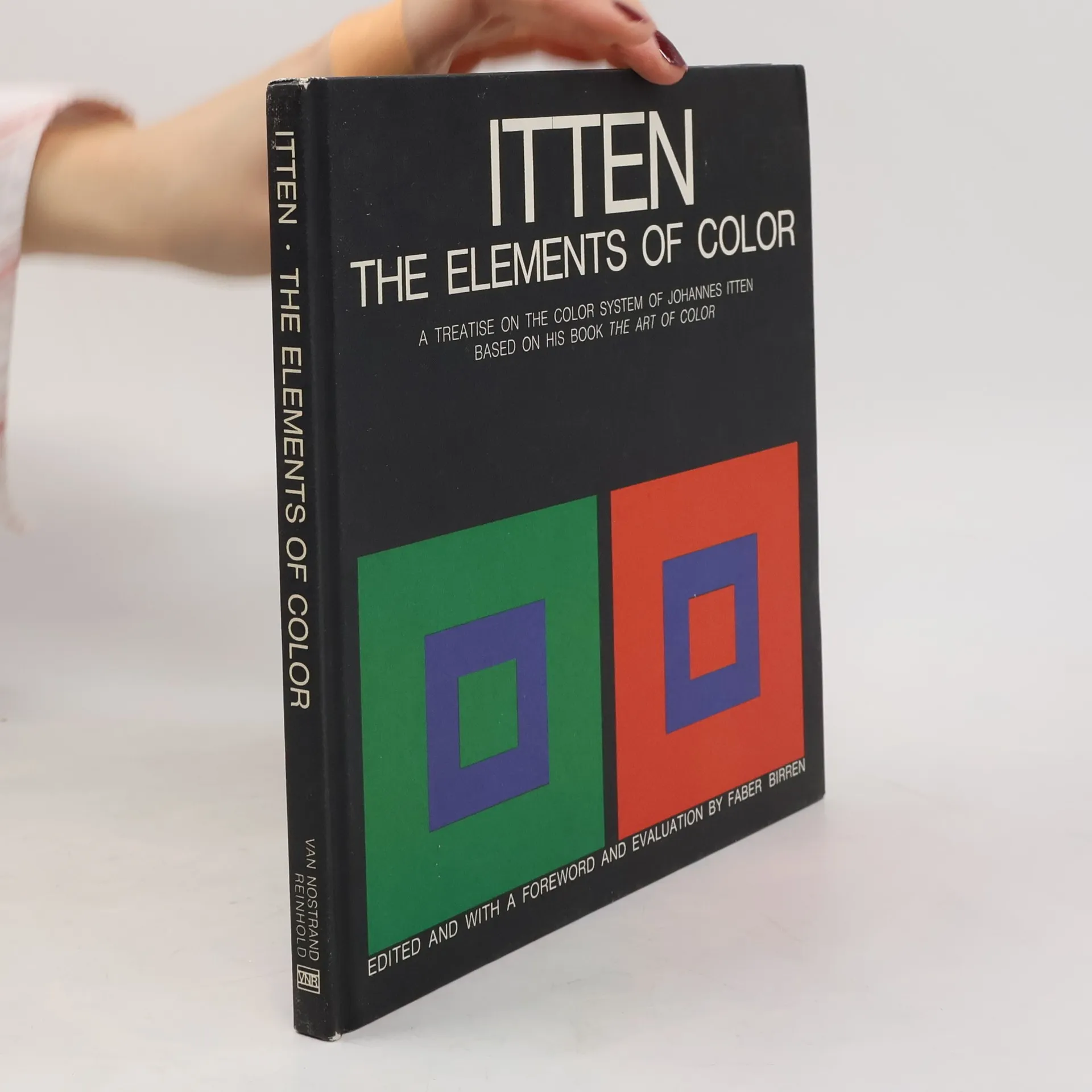
    A Basic Color Library: The Elements of Color
    Design and Form: the Basic Course at the Bauhaus
    The elements of color
    • The elements of color

      • 96 pages
      • 4 hours of reading
      4.2(2605)Add rating

      This is a condensation of Itten's major work, "The Art of Color", published in Germany in 1961. It calls attention to the outstanding visual effects of simultaneous contrast and offers several dramatic examples. It also describes Itten's famous twelve-part star for colour organization.

      The elements of color
    • Selected for its cultural significance, this work contributes to the foundational knowledge of civilization. It is recognized by scholars for its importance in understanding historical and societal contexts, making it a valuable resource for those exploring the development of human thought and culture.

      Design and Form: the Basic Course at the Bauhaus
    • A Basic Color Library: The Elements of Color

      A Treatise on the Color System of Johannes Itten Based on His Book The Art of Color

      • 96 pages
      • 4 hours of reading

      A useful simplification and condensation of Johannes ltten's major work. The Art of Color, this book covers subjective feeling and objective color principles in detail. It presents the key to understanding color in ltten's color circle and color contrasts.
      A Basic Color Library: The Elements of Color
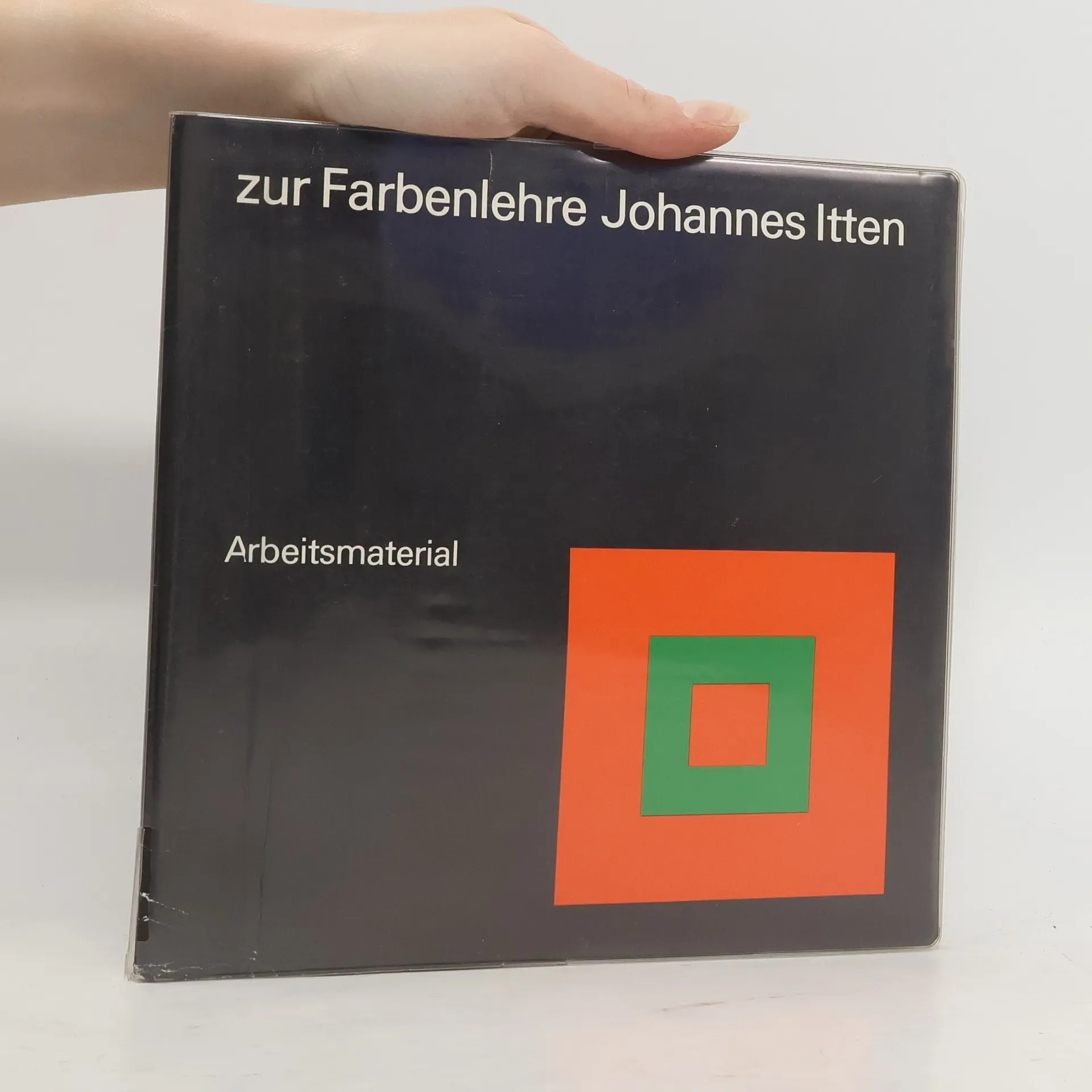
    • Mit diesem Farbstern und den beiliegenden Klangscheiben ist es möglich, harmonische Farbklänge zu finden. Zweiklänge, Dreiklänge, Vierklänge, Fünfklänge und Sechsklänge können gebildet werden. Zu jeder Farbe des zwölfteiligen Farbsterns gehören zwei aufgehellte und zwei verdunkelte Farbtöne. So eröffnet sich ein weites Feld der Farbakkordik und Akkordvariationen. Die acht Klangscheiben sind nach Belieben auf der weißen oder schwarzen Seite verwendbar und auf dem Farbstern drehbar.

      Der Farbstern