
Explore the latest books of this year!
Bookbot

Reinhold Merkelbach

    June 7, 1918 – July 28, 2006
    Mithras
    Die Bedeutung des Geldes für die Geschichte der griechisch-römischen Welt
    Welche Folgen hatte der Gebrauch der Schrift?
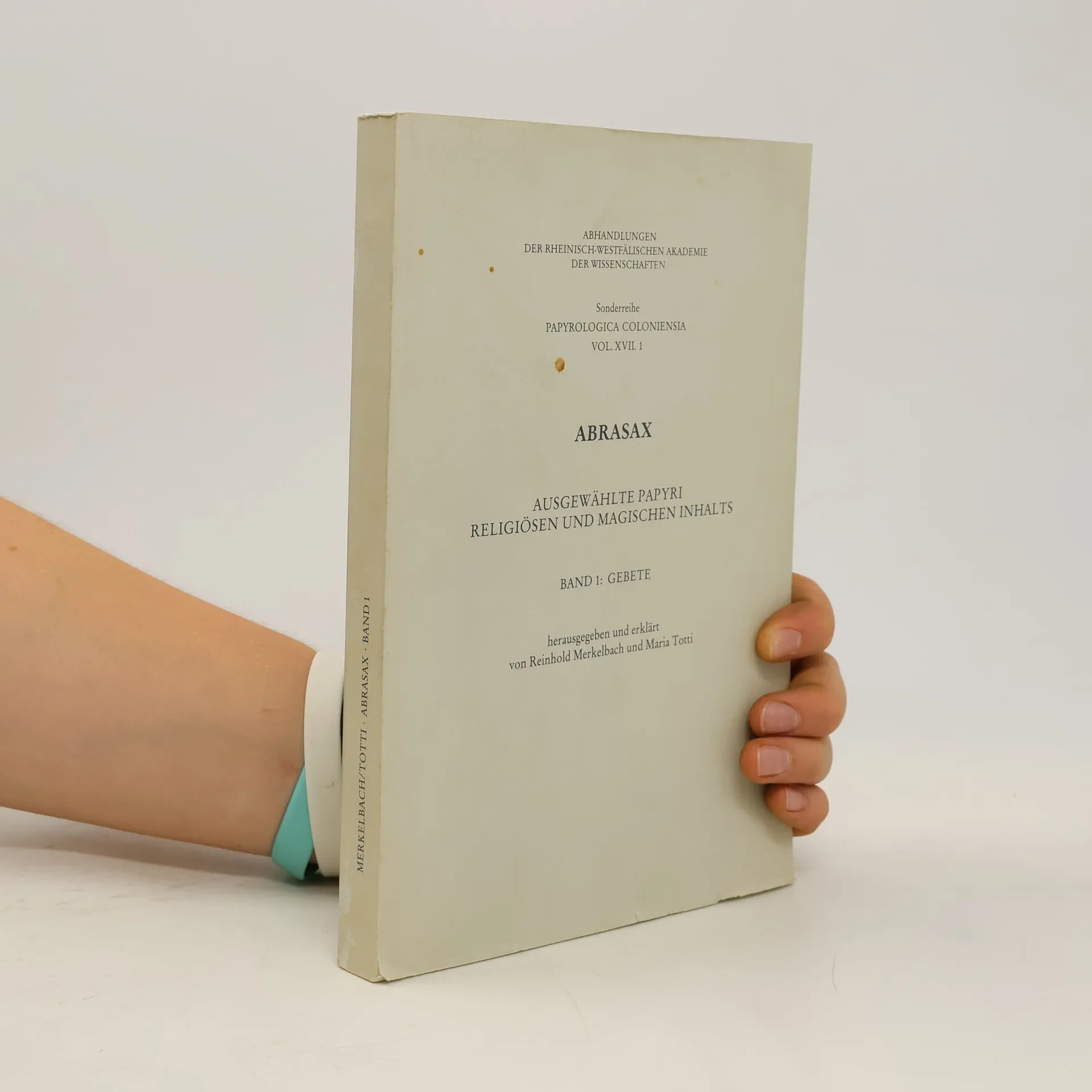
    Abrasax: Ausgewählte Papyri Religiösen und Magischen Inhalts
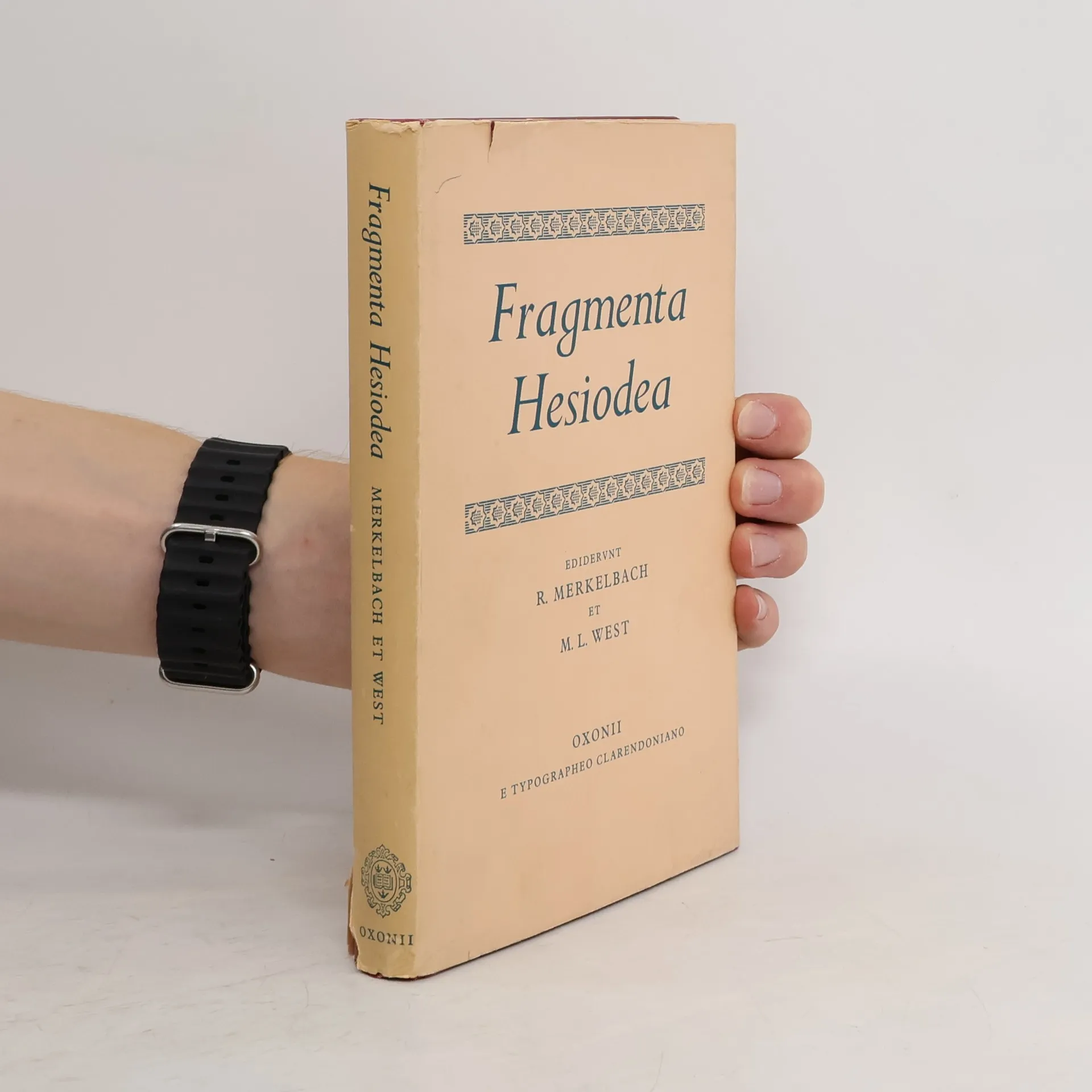
    Fragmenta Hesiodea
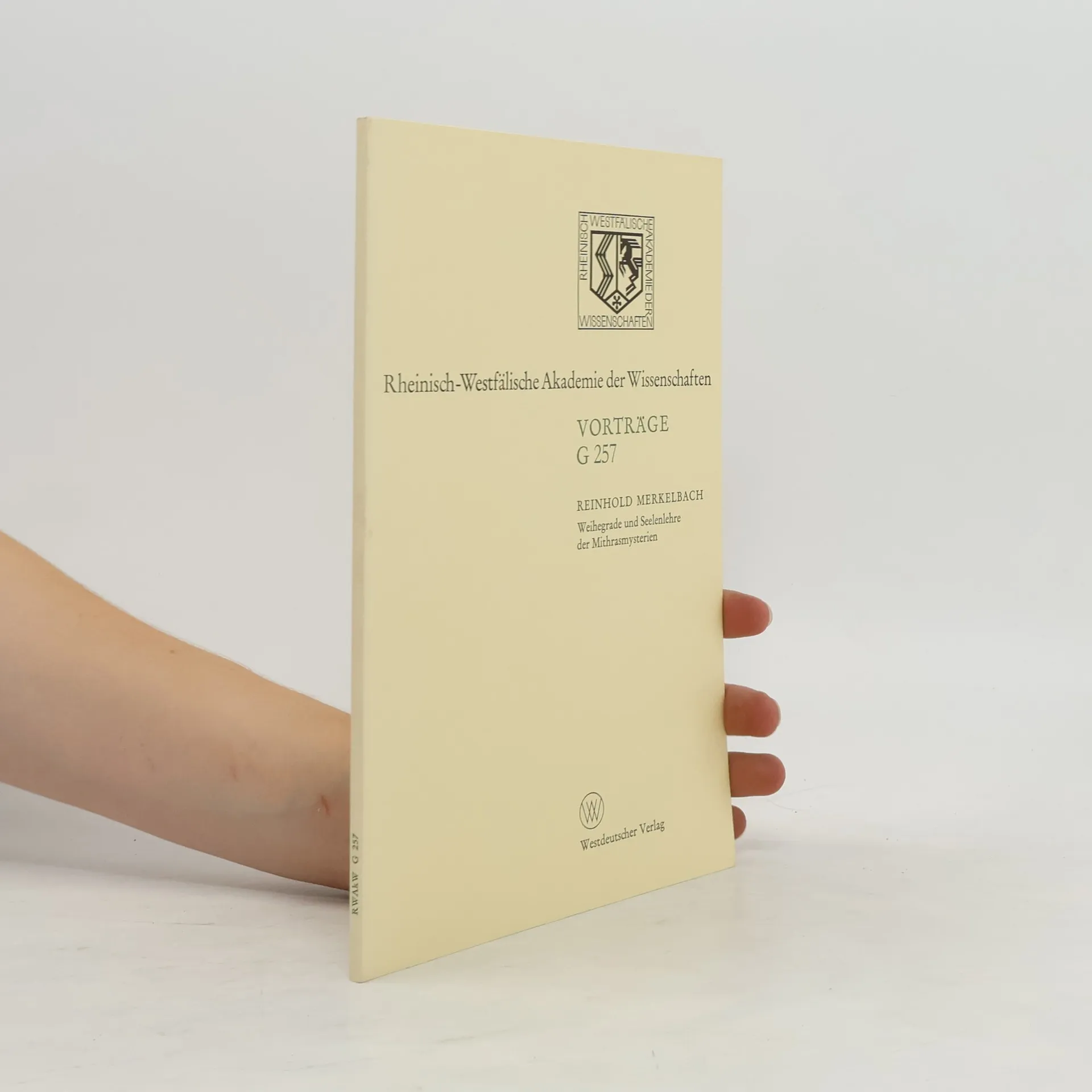
    Vorträge - G 257: Weihegrade und Seelenlehre der Mithrasmysterien
    • Mithras

      • 412 pages
      • 15 hours of reading

      Die Mitrasreligion war eine der Formen, in denen die kosmische Fr mmigkeit der Sp tantike Ausdruck fand. Im Zentrum des Heiligtums stand das Relief des Mithras, der den Stier opfert. Die Kultst tten waren als H hlen konstruiert und entsprachen der H hle in Platons Staat, in welcher die Menschen als Gefangene angekettet sitzen; ihre Aufgabe ist es, ihre Ketten zu zerbrechen, sich 'umzuwenden' (conversio) und zum Licht aufzusteigen. Es gab sieben Weihegrade, die sich auf die sieben Planeten bezogen. Die Anh nger waren meist kaiserliche Funktion re und Soldaten an den Milit rgrenzen des r mischen Reiches, am Rhein, an der Donau, am Hadrianswall in Britannien. Dort finden sich noch heute zahlreiche Spuren der alten Kultst tten.

      Mithras1994
    • I misteri di Dioniso

      • 308 pages
      • 11 hours of reading

      Nietzsche parla di Dioniso come del dio delle passioni violente e sfrenate: le sue Menadi danzavano sui monti solitari, dilaniavano gli animali sacrificali divorandoli crudi. Ma questo "dio della tragedia" per i Greci o i Romani dell'età imperiale aveva tratti molto più inoffensivi. Era il dio degli alberi da frutto, del vino, dell'eterna palingenesi del ciclo delle stagioni. I suoi seguaci celebravano feste pastorali nei campi: Dioniso era il dio della pace e dell'Età dell'Oro. La più grande festa in suo onore coincideva con la vendemmia e la pigiatura dell'uva, la sua religione predicava il benessere, l'armonia, era culto della Bellezza. Si trattava comunque di un grande culto misterico, tanto segreto che di esso non è restato alcun testo sacro. Era una religione non scritta che per natura si prestava ad essere tramandata per immagini più che per parole. La novità di questo libro sta nel ricostruire il culto misterico di Dioniso attraverso le iconografie dionisiache pervenuteci e nel metterlo a confronto con la famosa storia d'amore di Dafni e Cloe, il romanzo pastorale di Longo che tanto influenzò la poesia arcadica, scoprendo che esso non è altro che una versione letteraria dei misteri di Dioniso.

      I misteri di Dioniso1991
    • Dieses Buch untersucht die griechischen magischen Papyri und zielt darauf ab, ein besseres Verständnis der darin enthaltenen Zeremonien und Gebete zu erlangen. Es enthält kommentierte Abschnitte aus den Papyri und rekonstruiert einige Gebetsformen. Der Fokus liegt auf der inhaltlichen Erklärung der Texte.

      Abrasax: Ausgewählte Papyri Religiösen und Magischen Inhalts1990
    • Plato: Meno

      • 80 pages
      • 3 hours of reading

      "As one would expect from the team of Brann, Kalkavage and Salem, their edition of Plato's Meno is a fine one. The translation meets their stated goal of remaining 'as faithful as possible to the Greek, while using lively, colloquial English.' Their notes are consistently helpful and will be particularly useful to those readers willing to explore the nuances of Plato's extraordinary prose. Their introduction is clear and compact, and it highlights the most philosophically important themes of the dialogue. One particularly useful feature of this edition is the manner in which it displays the diagrams Socrates draws in order to illustrate his famous 'square within a square.' Instead of relegating them to the notes, it integrates them into the text of the dialogue itself. Readers are able to follow along, and 'watch' Socrates actually construct them." --David Roochnik, Boston University

      Plato: Meno1988
      3.6