The first major study of the powerful Borromeo family of Milan in the seventeenth century, uncovering their growing entanglement with the Spanish monarchy, and the ways in which the Borromeo grappled with the ethical implications of this controversial relationship, repeatedly reinventing themselves to preserve their social privilege.
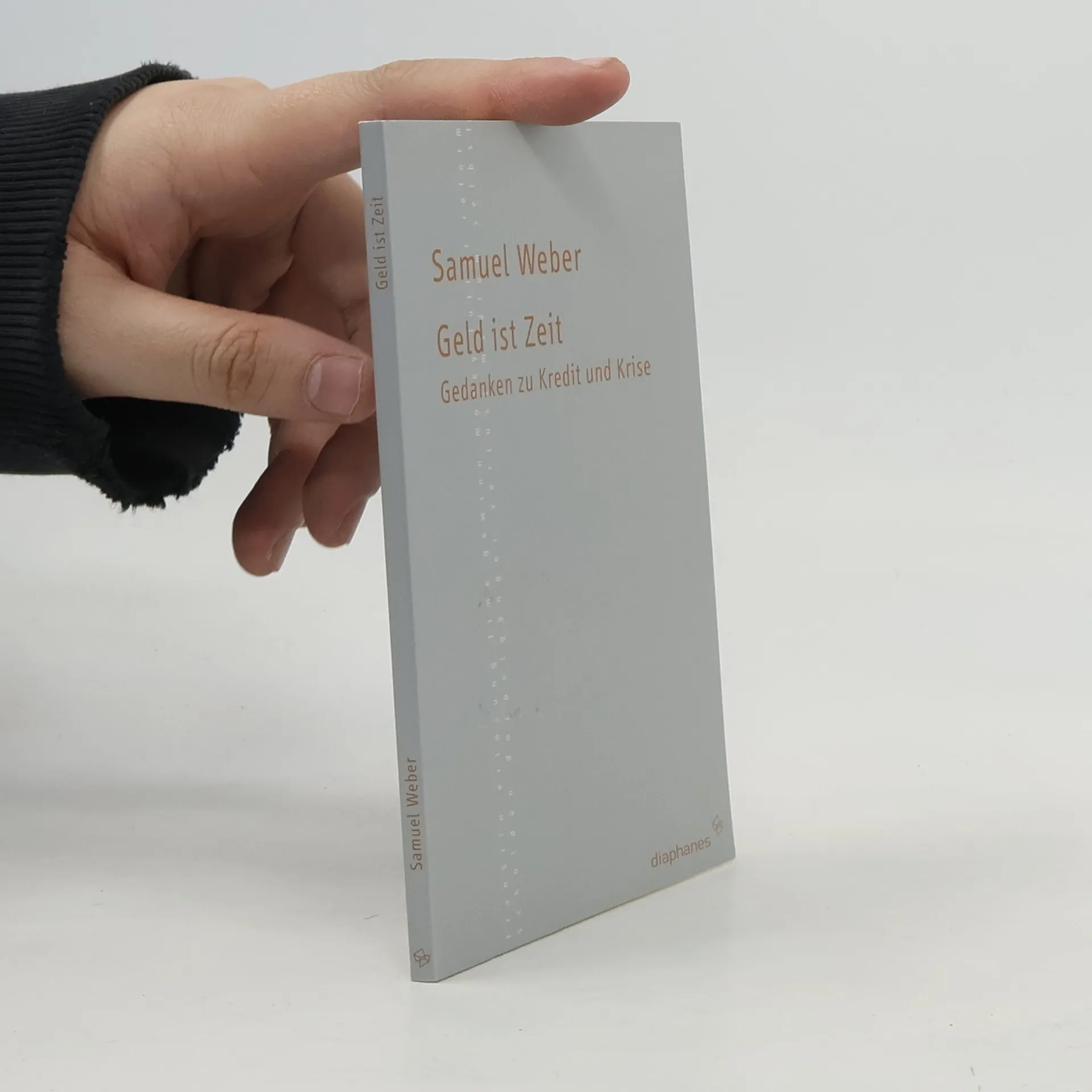
A leading theorist on literature and media reveals a new and productive aspect
of Benjamin's thought by focusing on the critical suffix -ability that
Benjamin so tellingly deploys in his work. The result is an illuminating
perspective on Benjamin's thought by way of his language.
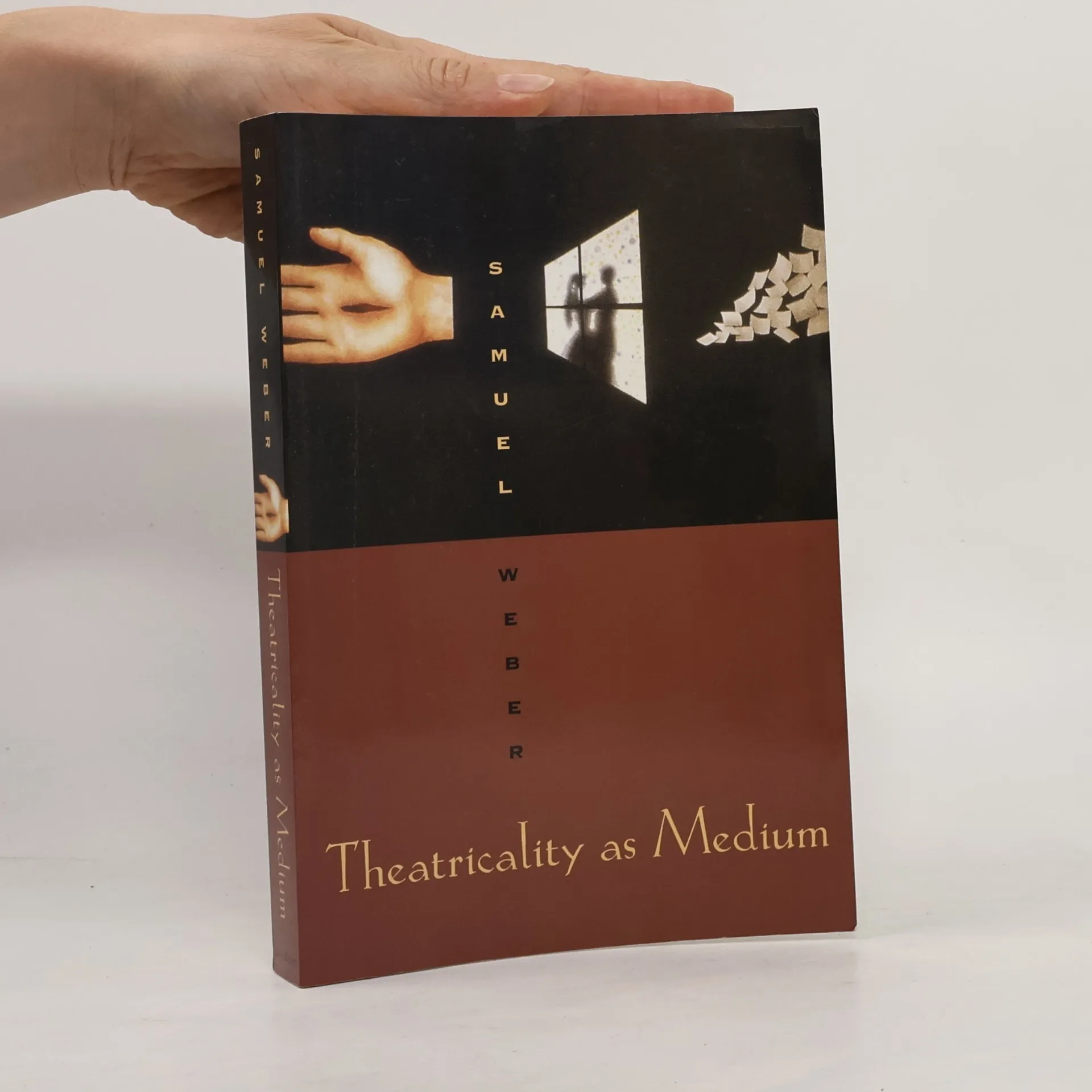
This readable, thought-provoking, and multidisciplinary study explores theatrical writings that question the Aristotelian aesthetical-generic conception and seek instead to work with the medium of theatricality itself.
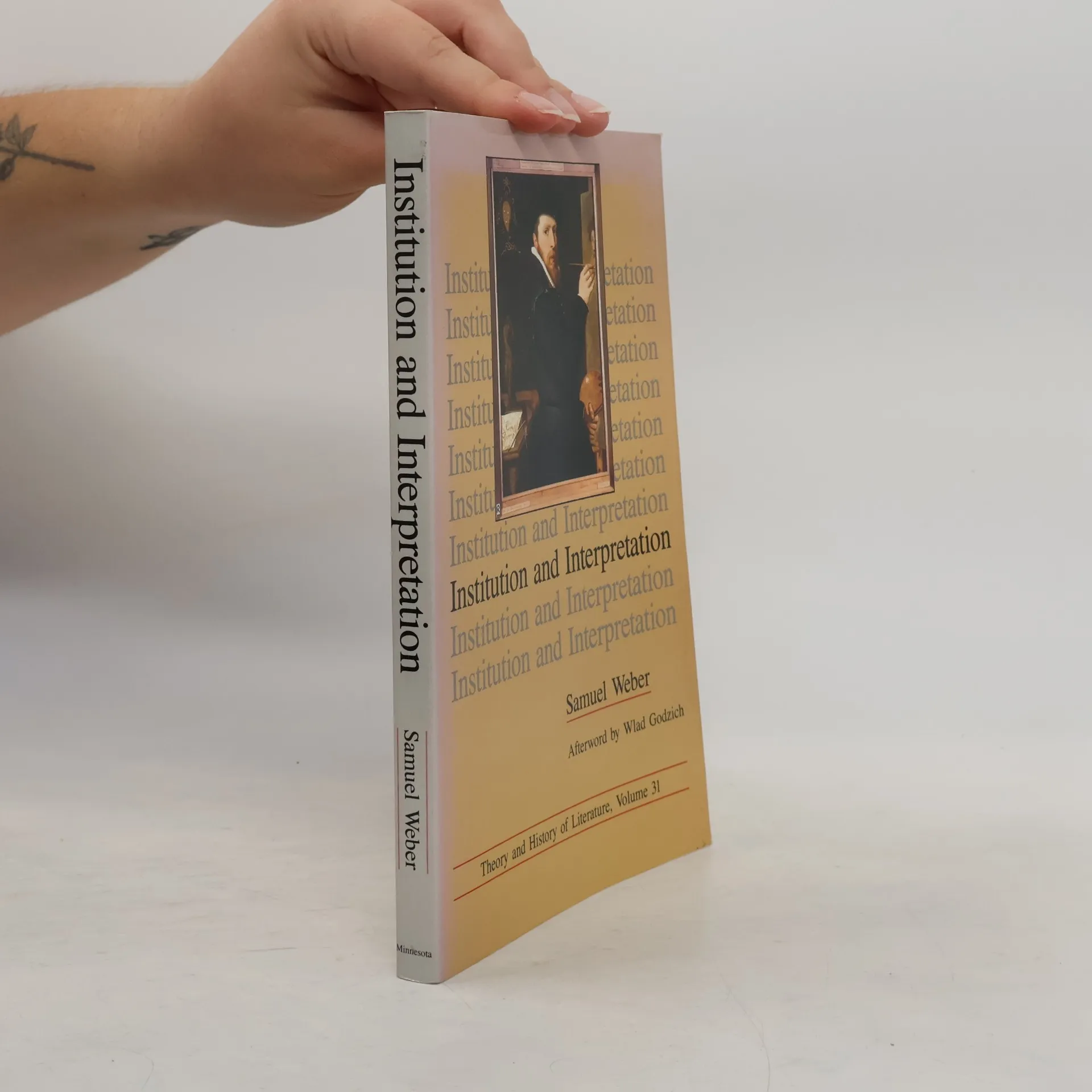
Institution and Interpretation explores the forces that shape and limit interpretive practices. While institutions are often seen as maintaining the status quo, Weber argues that they must continually consolidate their authority through a complex process of reinstitution, where interpretation plays a vital role. Interpretation is not just an activity enabled by institutions; it is essential to their functioning. This edition includes the original nine essays on topics like professionalism in criticism, the relationship between psychoanalysis and hermeneutics, and the humanities' contemporary situation, along with six additional essays, one unpublished. New discussions cover the future of universities and humanities, Kierkegaard's concept of "repetition," Josiah Royce's idea of a "community" of interpretation, and the challenges of reading in reader-response theory. Reviews of the first edition highlight its significance: it prompts examination of what institutions exclude and delimit, defines the complexities of these questions, and encourages a reevaluation of gender in its "contingent essentiality." This rigorous appraisal invites a deeper understanding of how oppositions are established within interpretive frameworks.