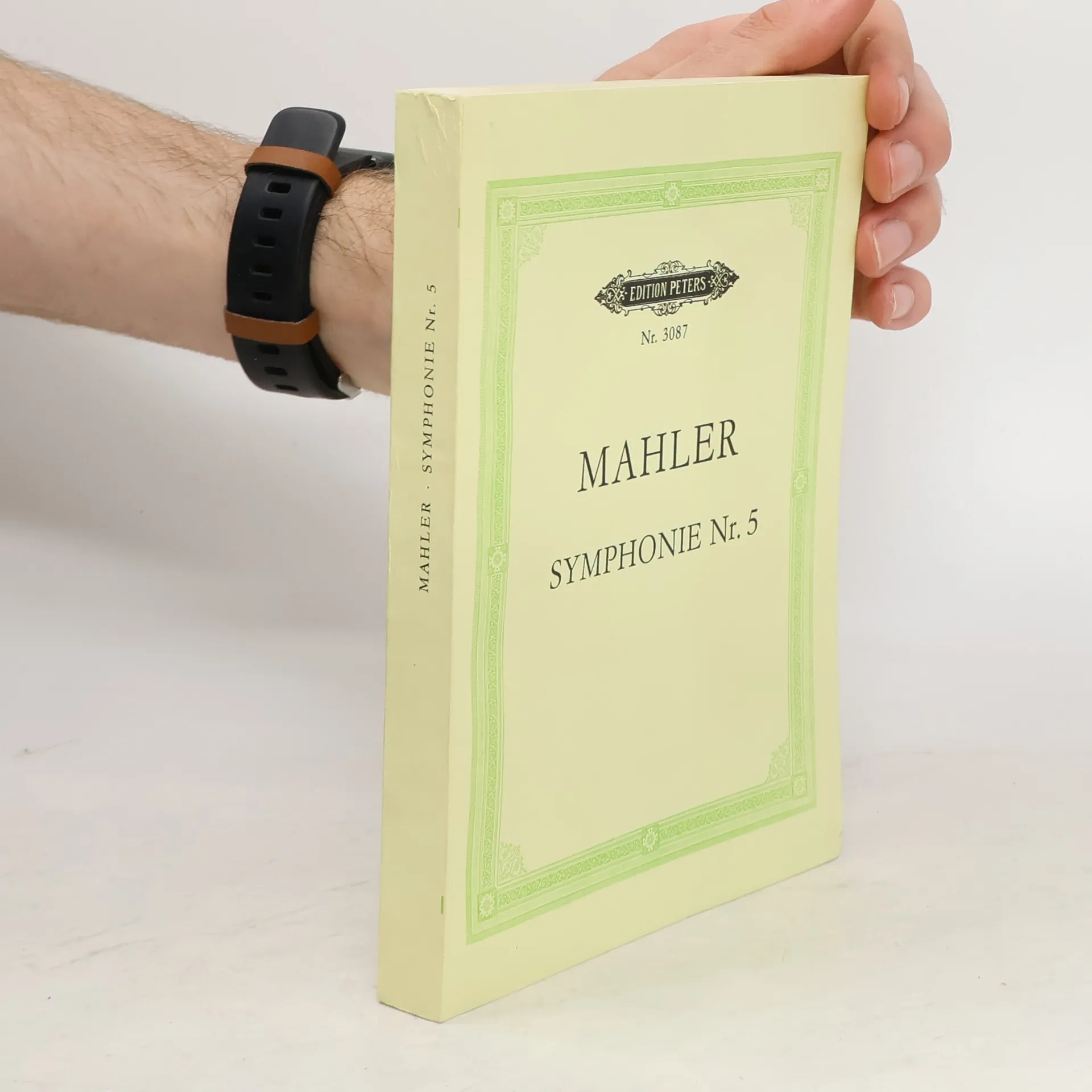
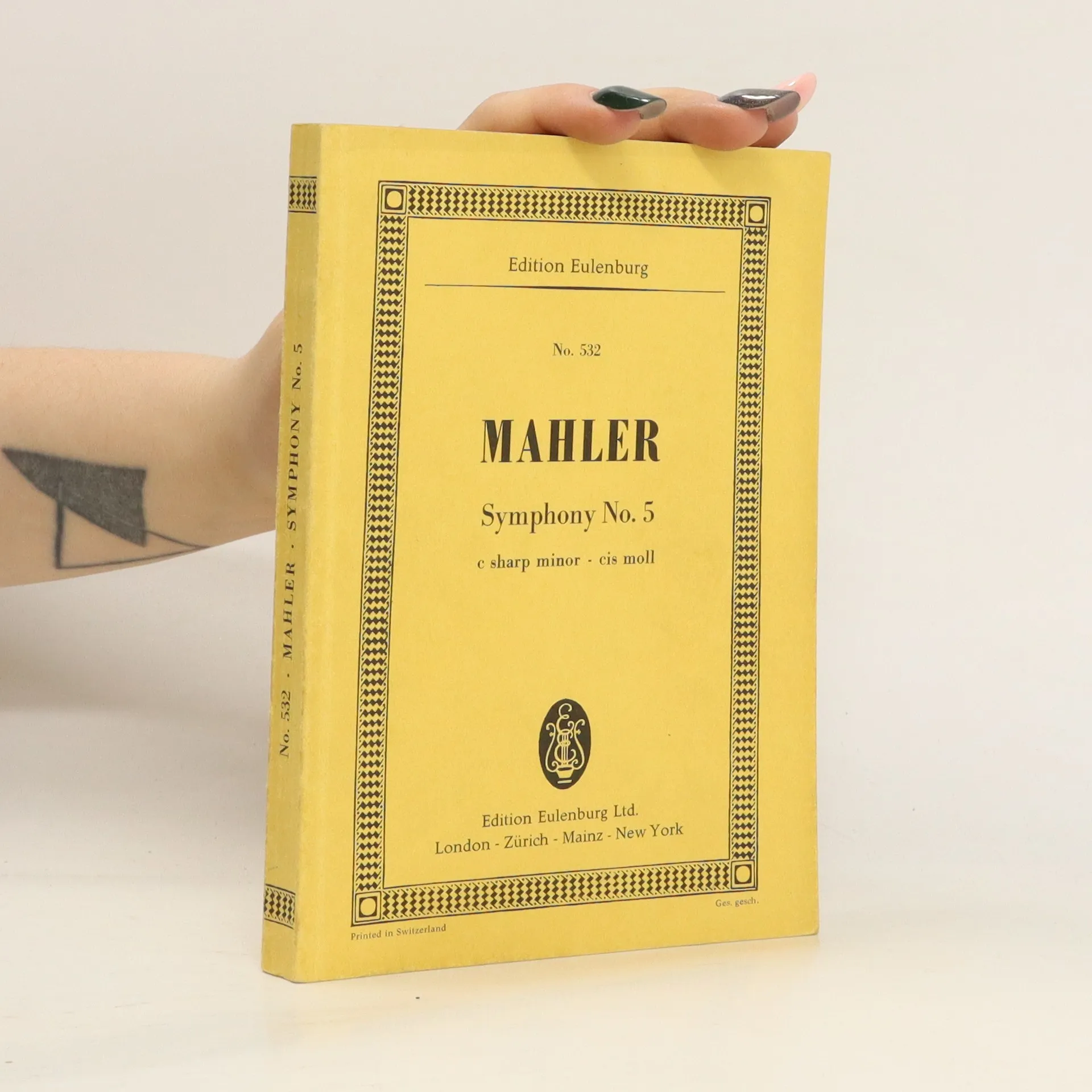
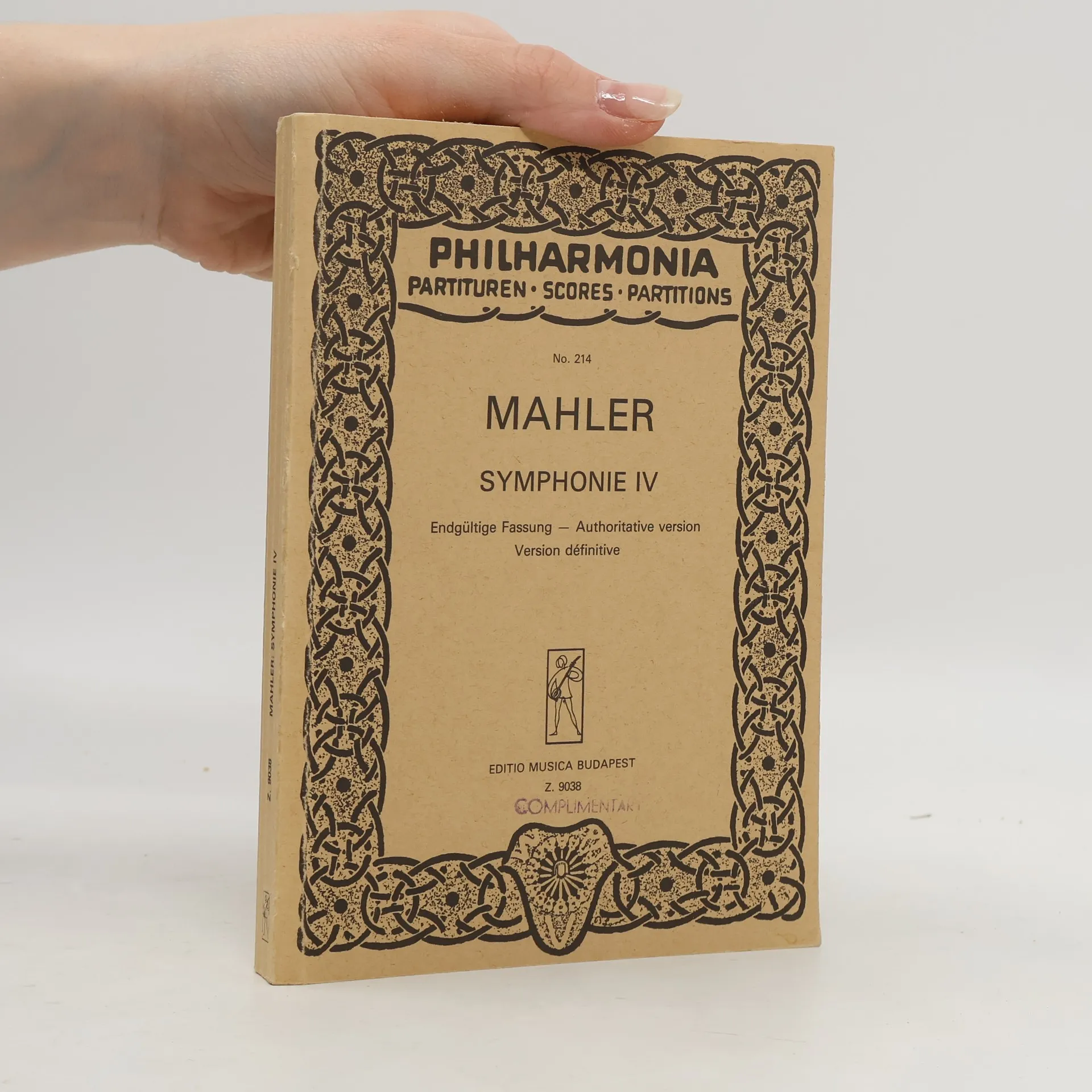
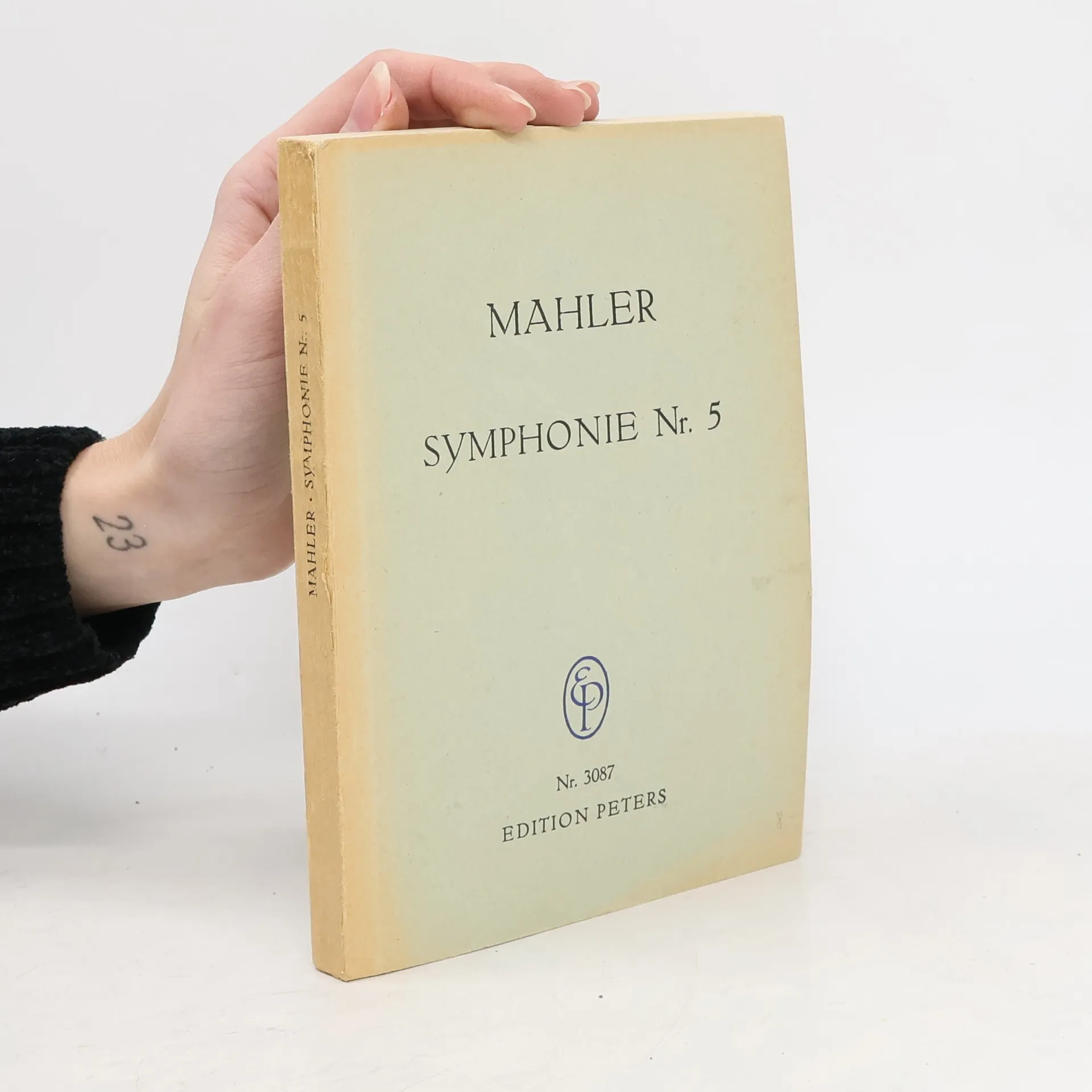
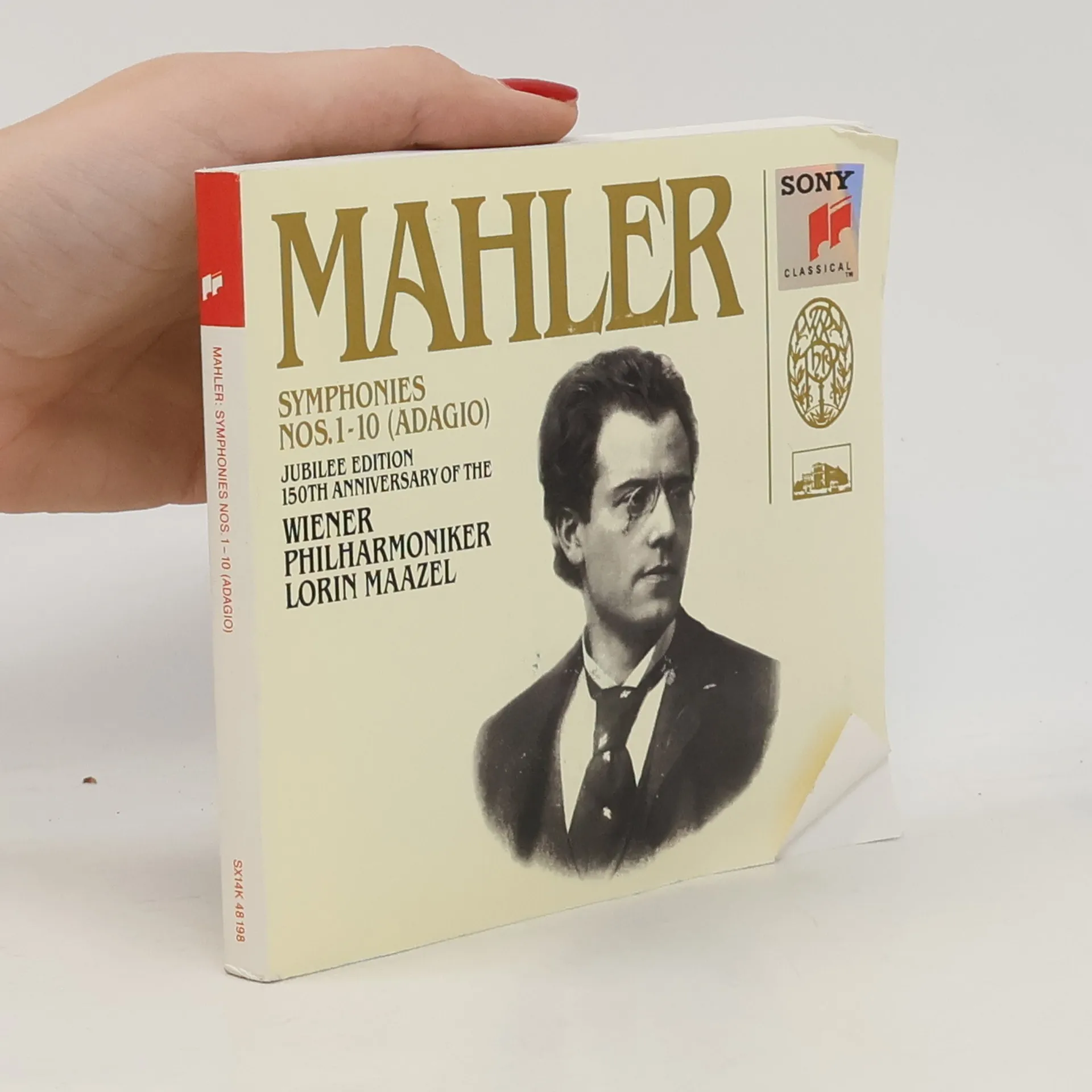
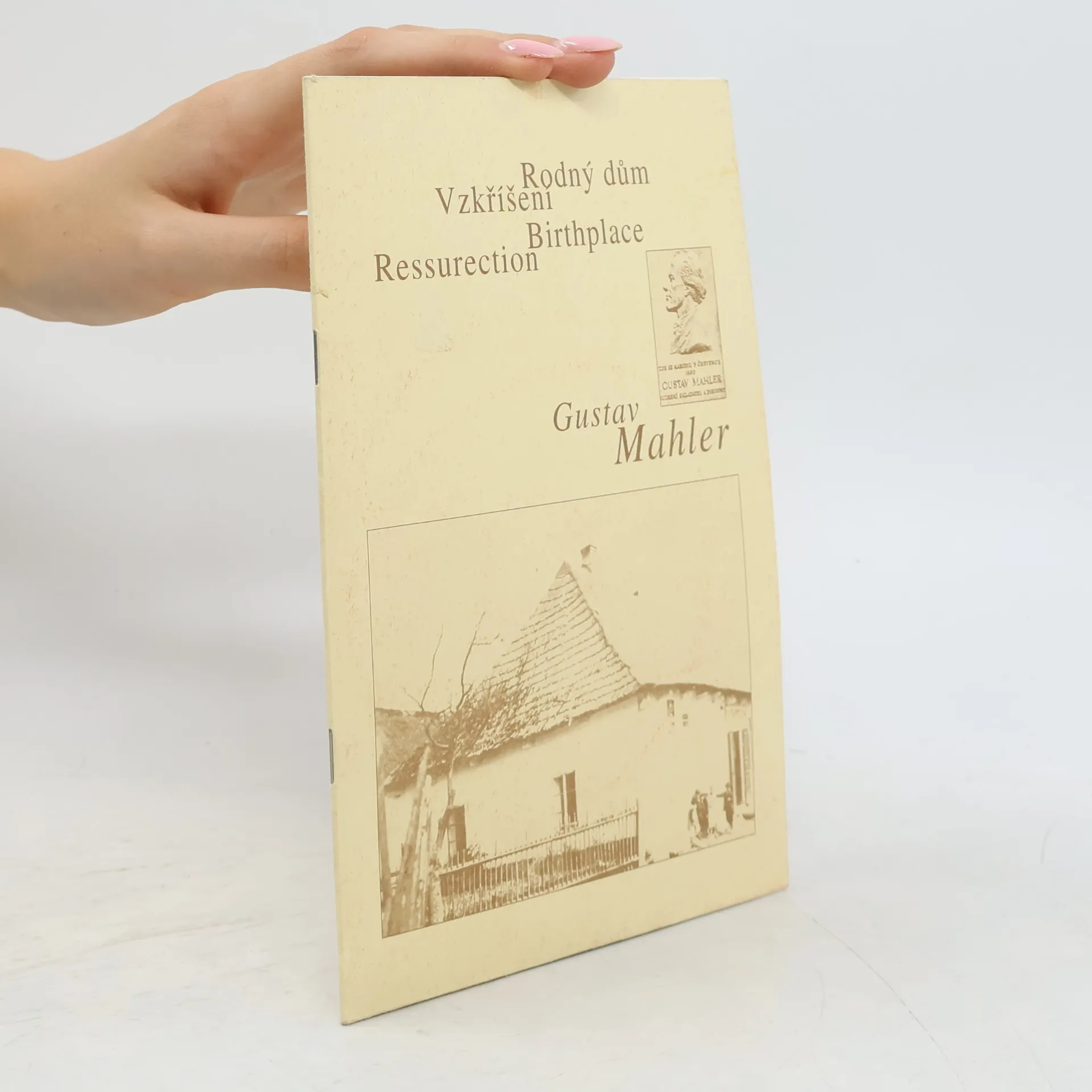
Symphonies Nos. 3 and 4 in Full Score
- 368 pages
- 13 hours of reading
Two brilliantly contrasting masterworks ? one scored for a massive ensemble, the other for small orchestra and soloist ? reprinted from authoritative Viennese editions.


Gustav Mahler stood as a pivotal late-Romantic composer and a leading conductor of his era, bridging the 19th-century Austro-German tradition with early 20th-century modernism. While his conducting prowess was undisputed in his lifetime, his own music only achieved widespread acclaim after periods of neglect and even prohibition during the Nazi era. His compositions were rediscovered and championed by a new generation, cementing his status as a frequently performed and recorded artist into the 21st century. Mahler's works, often composed part-time due to his conducting career, are characterized by their grand scale, utilizing large orchestras, symphonic choruses, and vocal soloists, with many pieces initially sparking controversy.

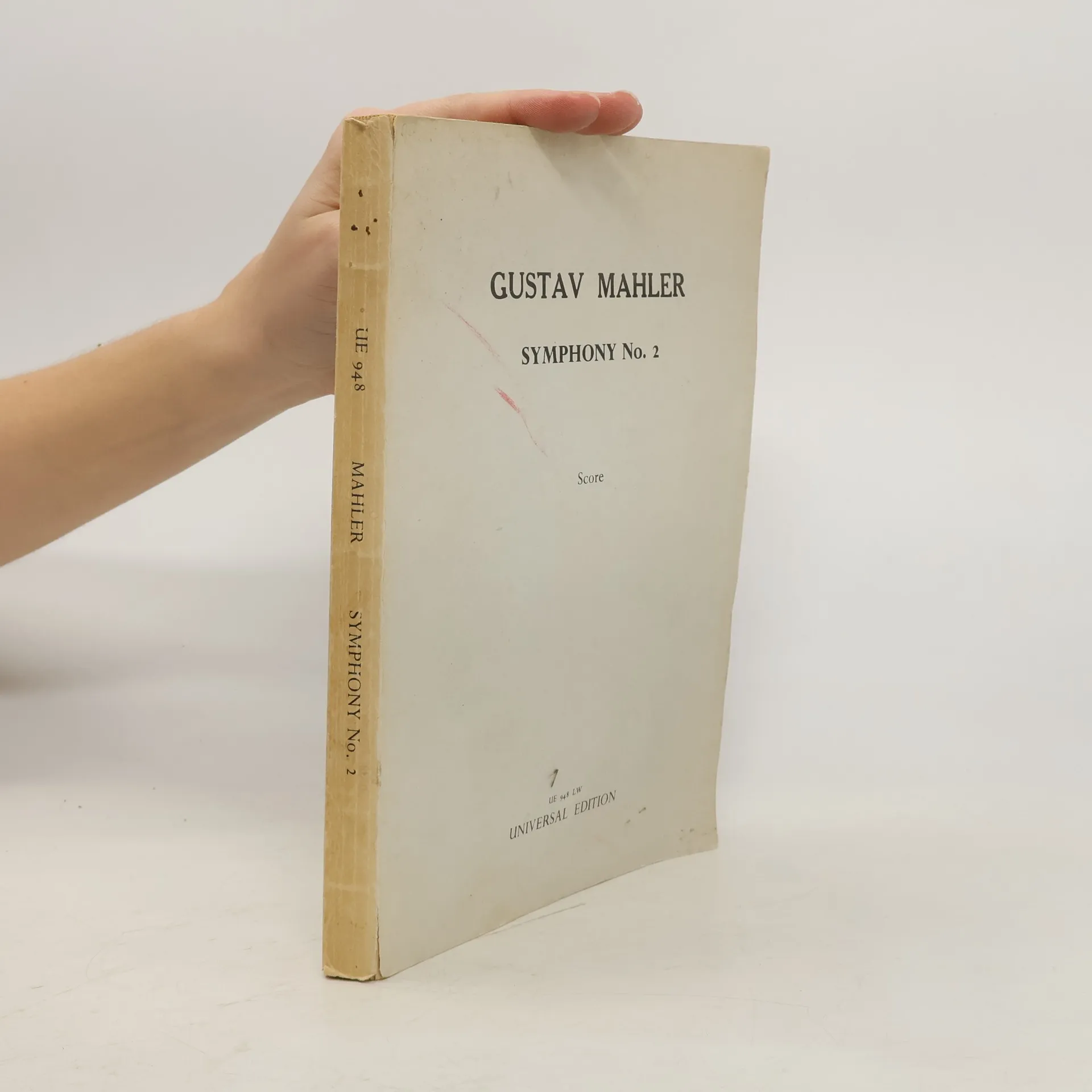
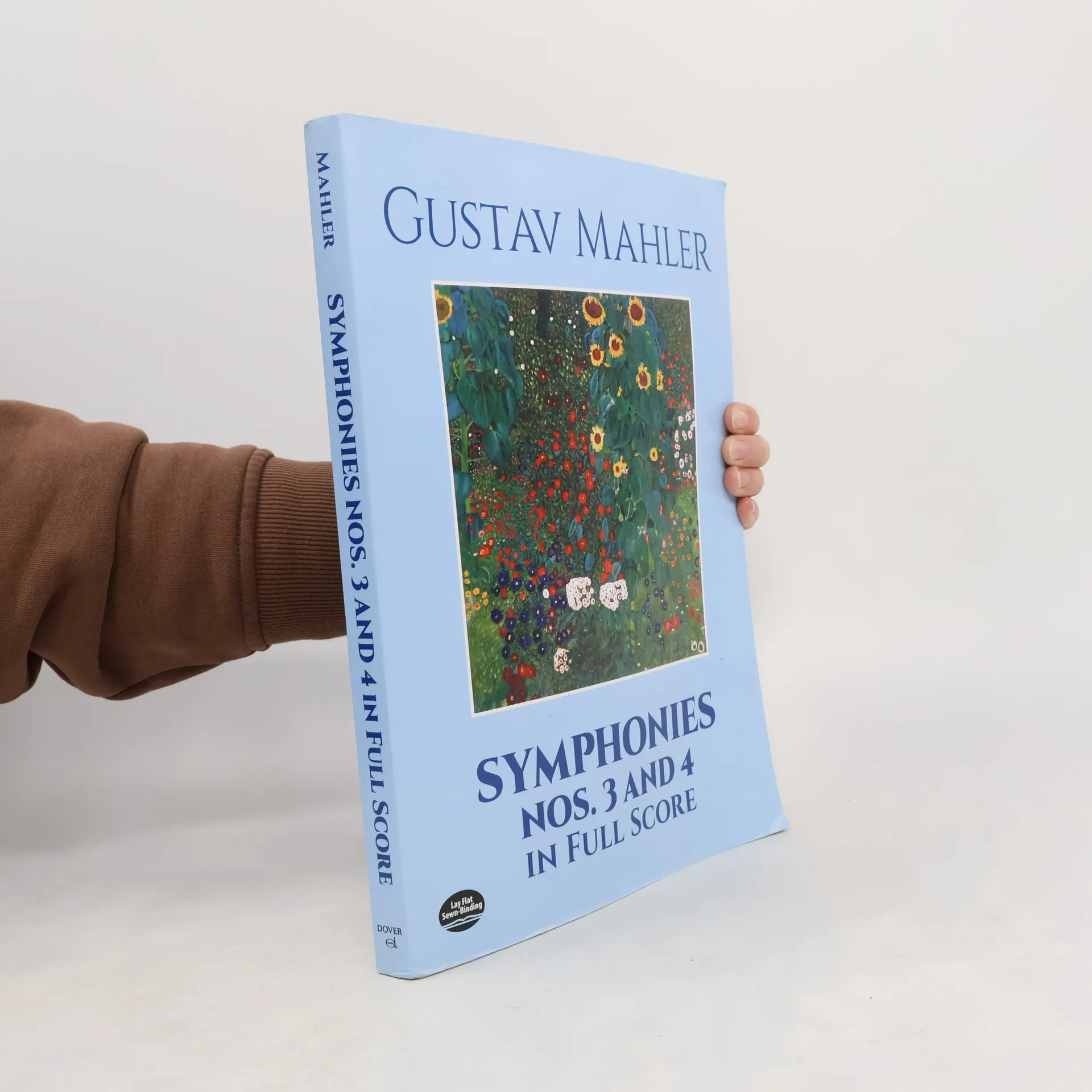
Two brilliantly contrasting masterworks ? one scored for a massive ensemble, the other for small orchestra and soloist ? reprinted from authoritative Viennese editions.
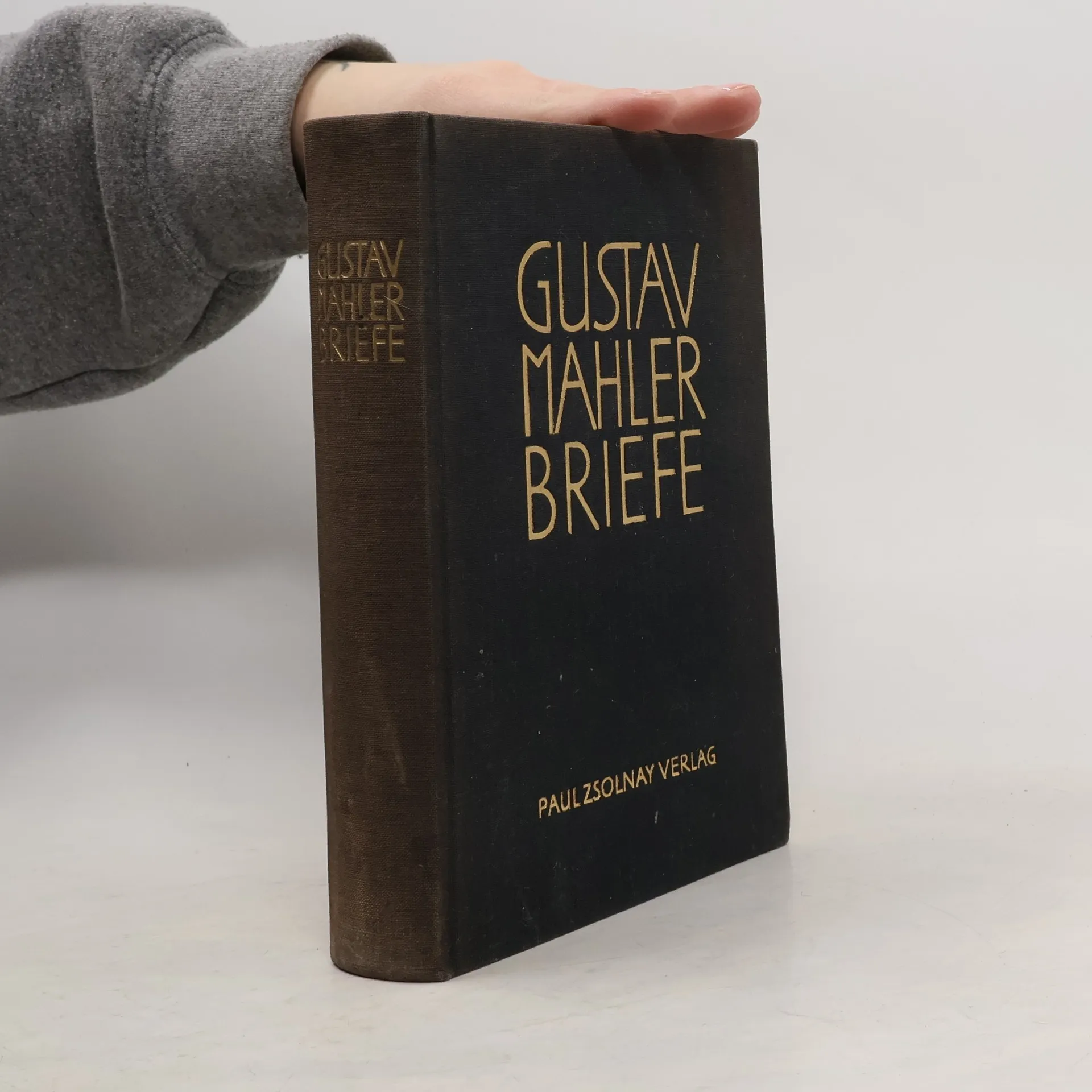
Gustav Mahler: Letters to his Wife is undoubtedly the best way to understand Mahler as a man and as a composer: in his own words, intimately detailing his inner world to his wife, Alma. 'Are Collected Letters a superior form of biography? When as numerous and meticulously edited as these of Gustav Mahler, when they provide a time capsule ride back to the last days of the Austro-Hungarian Empire, the answer must be yes . . . This remarkable book is unputdownable, even for a non-Mahlerite.' Literary Review 'The letters are linked by a commentary that makes the volume both an easy and gripping read . . . There is passion in this book to scald the hand.' Sunday Times 'A vivid and telling portrayal of Mahler's personality in his voice.' Times Literary Supplement
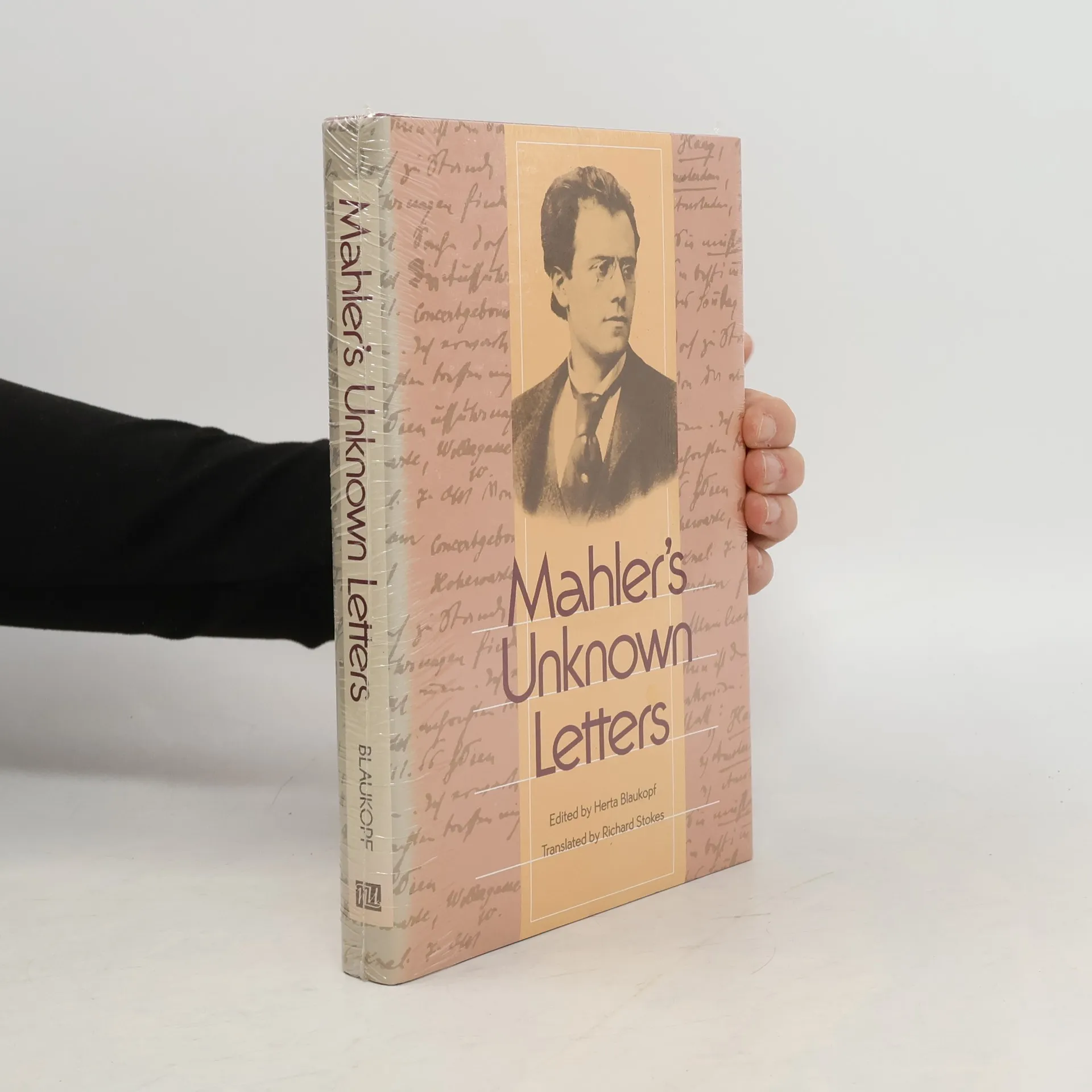
"Hundreds of the letters that Gustav Mahler addressed to his parents and sisters survive, yet they have remained virtually unknown. Spanning the mid-1880s through 1910, the letters record the excitement of a young man with a burgeoning career as a conductor and provide a glimpse into his day-to-day activities rehearsing and conducting operas and concerts in Budapest and Hamburg, and composing his first symphonies and songs. On the private side, they document his parents' illnesses and deaths and the struggles of his siblings Alois, Justine, Otto, and Emma." "The letters also give Mahler's impressions of contemporaries such as Johannes Brahms, Richard Strauss, and Hans von Bulow, as well as his personal feelings about significant events, such as his first big success - the completion of Carl Maria von Weber's Die drei Pintos in 1889. In the fall of 1894, the character of the letters changes when Justine and Emma come to live with Mahler in Hamburg and then Vienna, removing the need to communicate by letter about quotidian matters. At this point, the letters relay noteworthy events such as Mahler's campaign to be named director of the Vienna Court Opera, his conducting tours throughout Europe, and his courtship of Alma Schindler."--BOOK JACKET.
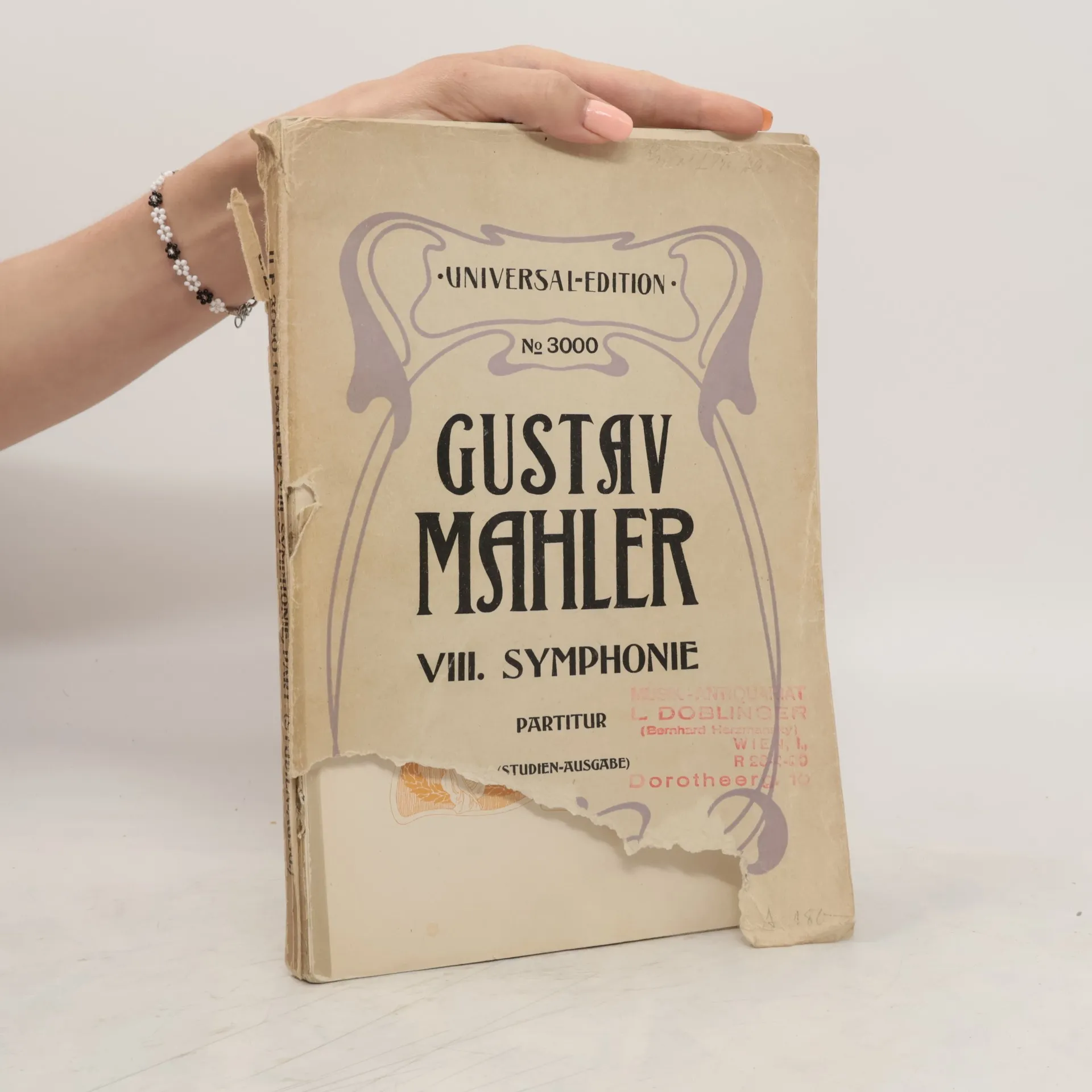
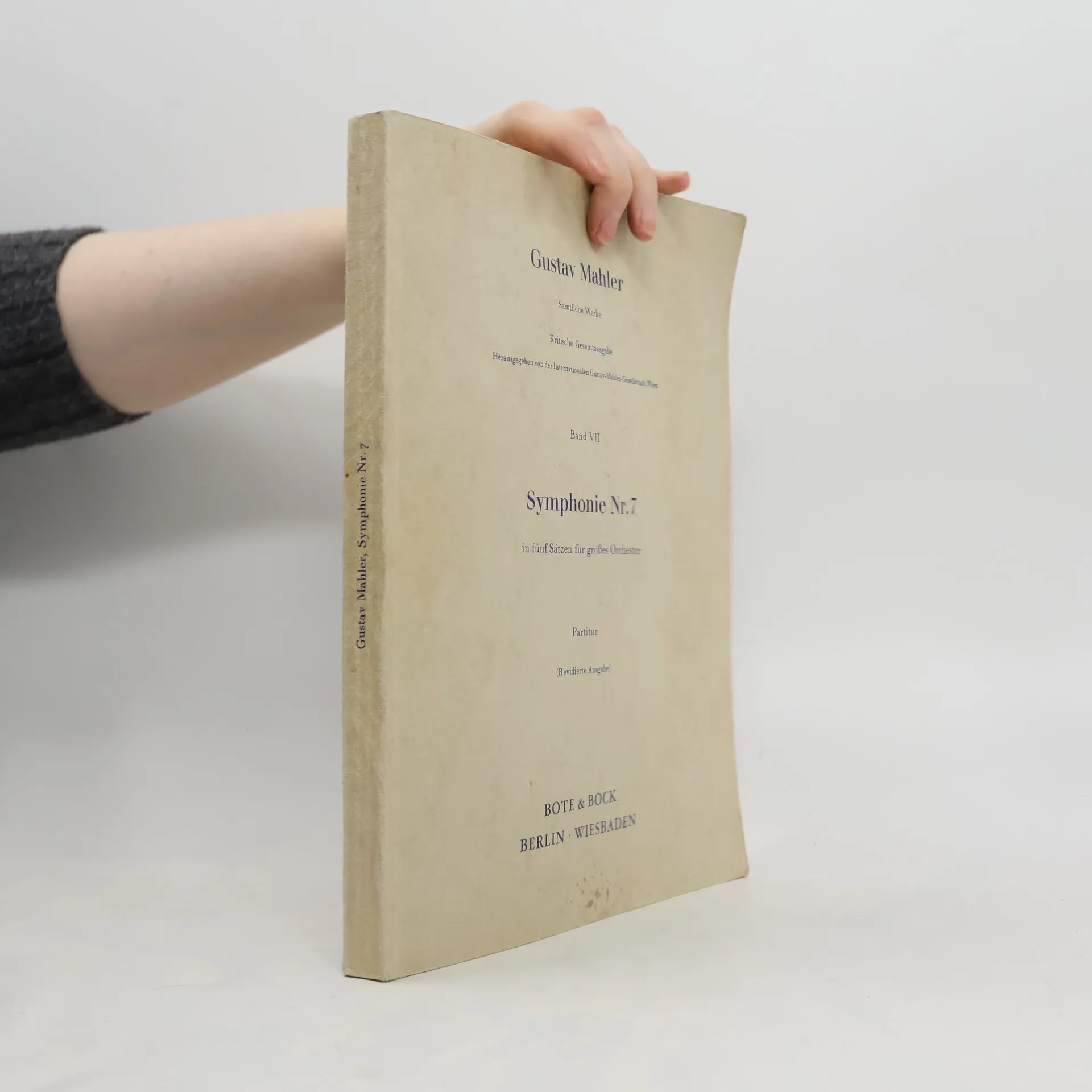
Score
Instrumentation: 4d4, 4d2, 3d1+2Eb(1d cl4), 4d2 - 10(4 off-stg), 10(4 off-stg), 4, 1, timp, perc, 2hp, org in set, str, soli SA, mx chor
Mahler's masterpiece from Symphony No. 5, this arrangement is quite true to the original. Will require at least three advanced players, with skills in tenor and treble clef. Being able to subdivide is a MUST, and counting is crucial!
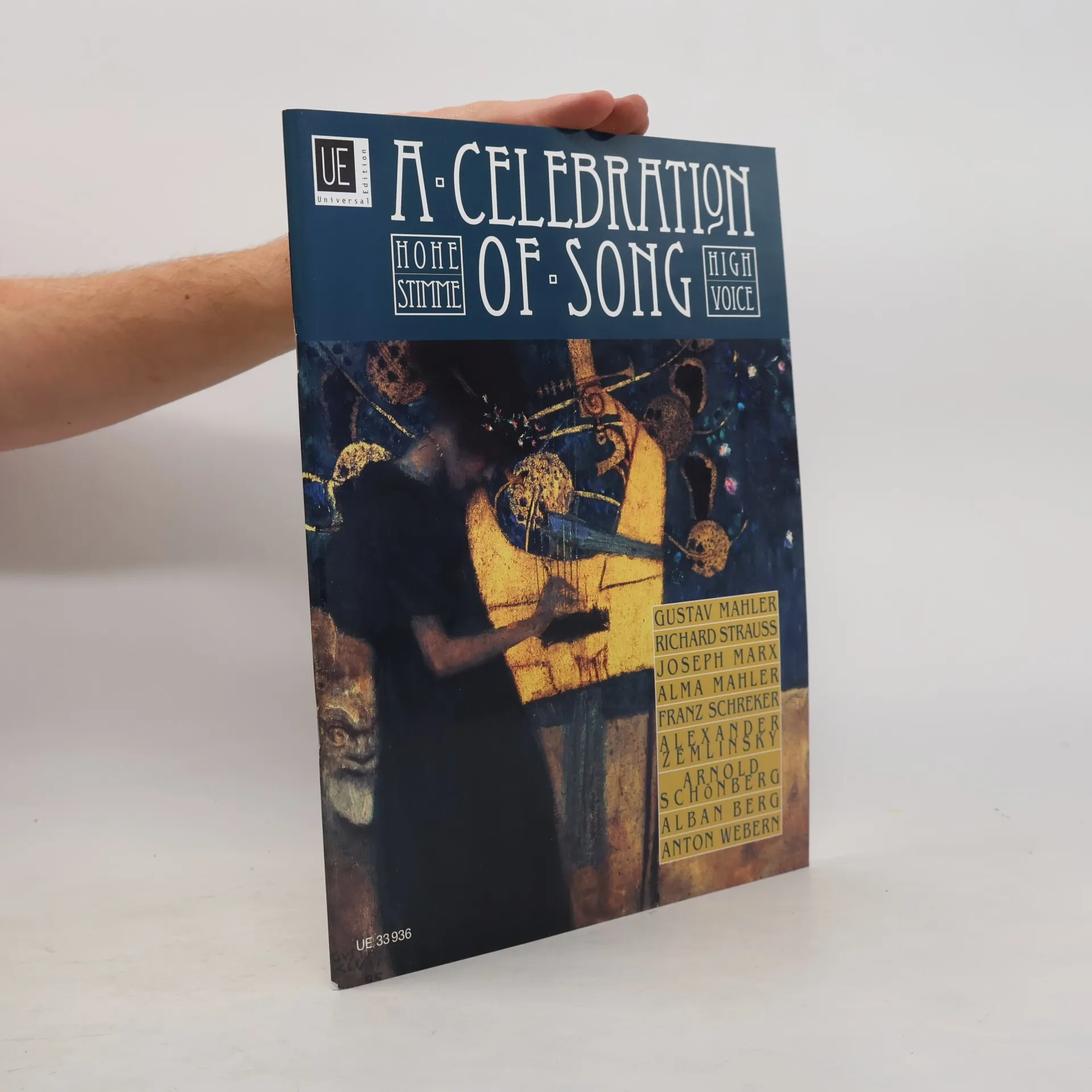
Hohe Stimme / High Voice
Gathers letters written from Mahler to his critics, colleagues, family, and friends, and provides background information concerning each letter
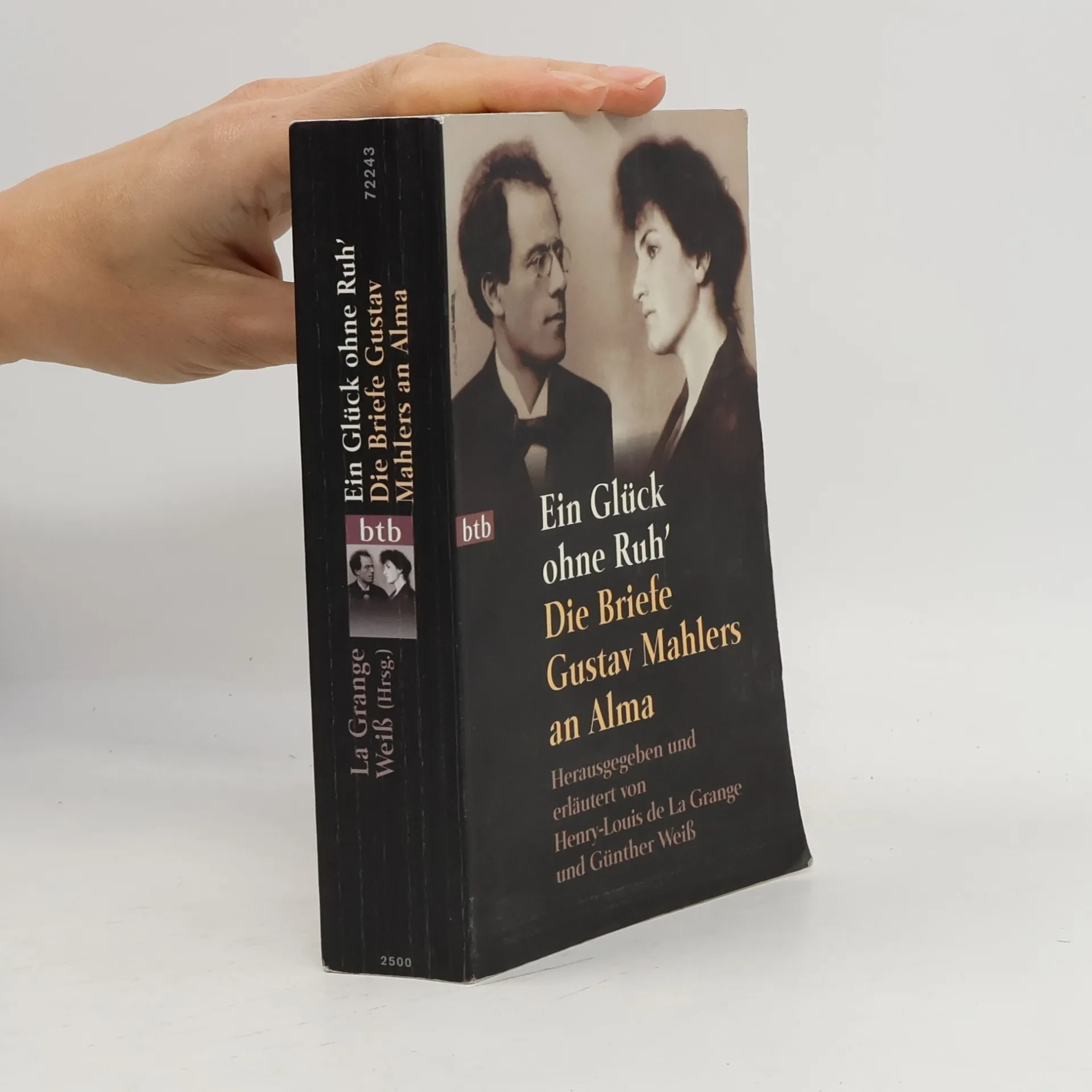
Neben den erstmals in ihrer Originalfassung zugänglichen Briefen Mahlers an Alma enthält dieser Band 191 noch nie veröffentlichte Dokumente. Im Licht der unverfälschten und neuen Quellen wird ein Mahler-Bild sichtbar, das sich in wesentlichen Zügen von dem bisher überlieferten unterscheidet. Bisher unveröffentlichte Tagebuchaufzeichnungen Almas korrigieren die von Alma überlieferte "offiziöse" Version und gestatten tiefe Einblicke in das komplizierte Verhältnis der beiden und die psychische Verfassung des Komponisten.
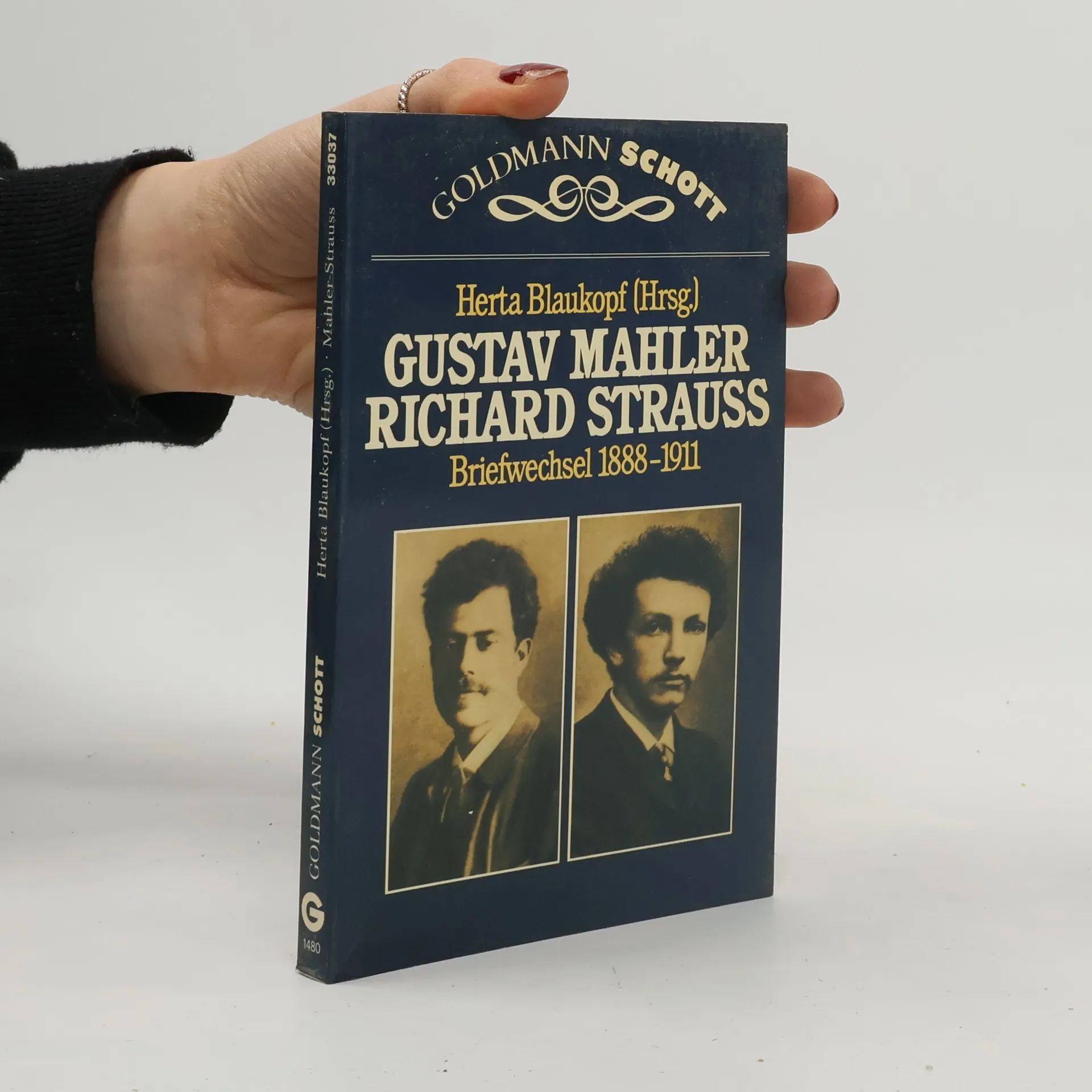
Gustav Mahler und Richard Strauss lernten sich 1887 als junge Dirigenten in Leipzig kennen. Von da an bis zu Mahlers Tod im Jahr 1911, dem Jahr der Uraufführung von Der Rosenkavalier, hielten sie Kontakt. Mahler selbst beschrieb ihre Beziehung als die von zwei Bergleuten, die aus entgegengesetzten Richtungen graben, in der Hoffnung, sich irgendwann zu treffen. Diese erste Veröffentlichung ihrer Korrespondenz, die fünfundzwanzig zuvor unbekannte Briefe von Strauss enthält, bietet ein Porträt von zwei Männern, die in ihren musikalischen Mitteln und Zielen sowie in ihren Temperamenten und Persönlichkeiten gegensätzlich waren, aber eine starke Faszination füreinander ausübten. Diese dreiundsechzig Briefe zeigen, wie beide Komponisten in ihren Karrieren vorankommen, während sie gegen widrige Bedingungen in der Musikwelt zu Beginn des 20. Jahrhunderts ankämpfen. Sie präsentieren Mahlers energische Unterstützung von Strauss' Symphonia Domestica, die Mahler 1904 dirigierte, und im Gegenzug Strauss' Förderung von Mahlers Musik, insbesondere der Zweiten und Dritten Symphonie. Die Korrespondenz ist vollständig annotiert und wird durch einen umfangreichen Aufsatz von Herta Blaukopf ergänzt.
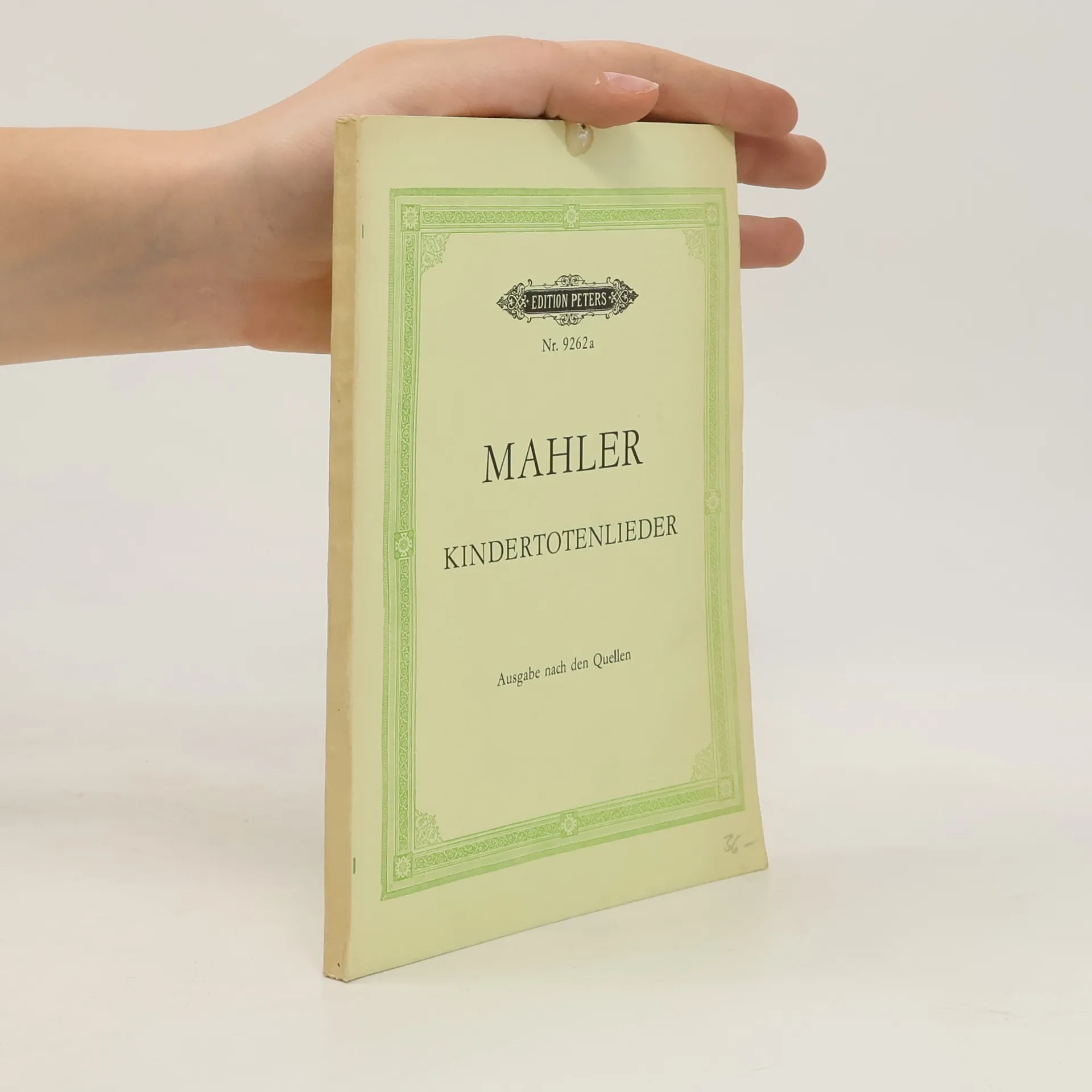
aus "Fünf Lieder nach Texten von Friedrich Rückert". für zwölfstimmigen gemischten Chor a cappella. Chorpartitur.
aus "Fünf Lieder nach Texten von Friedrich Rückert". für zwölfstimmigen gemischten Chor a cappella. Chorpartitur.
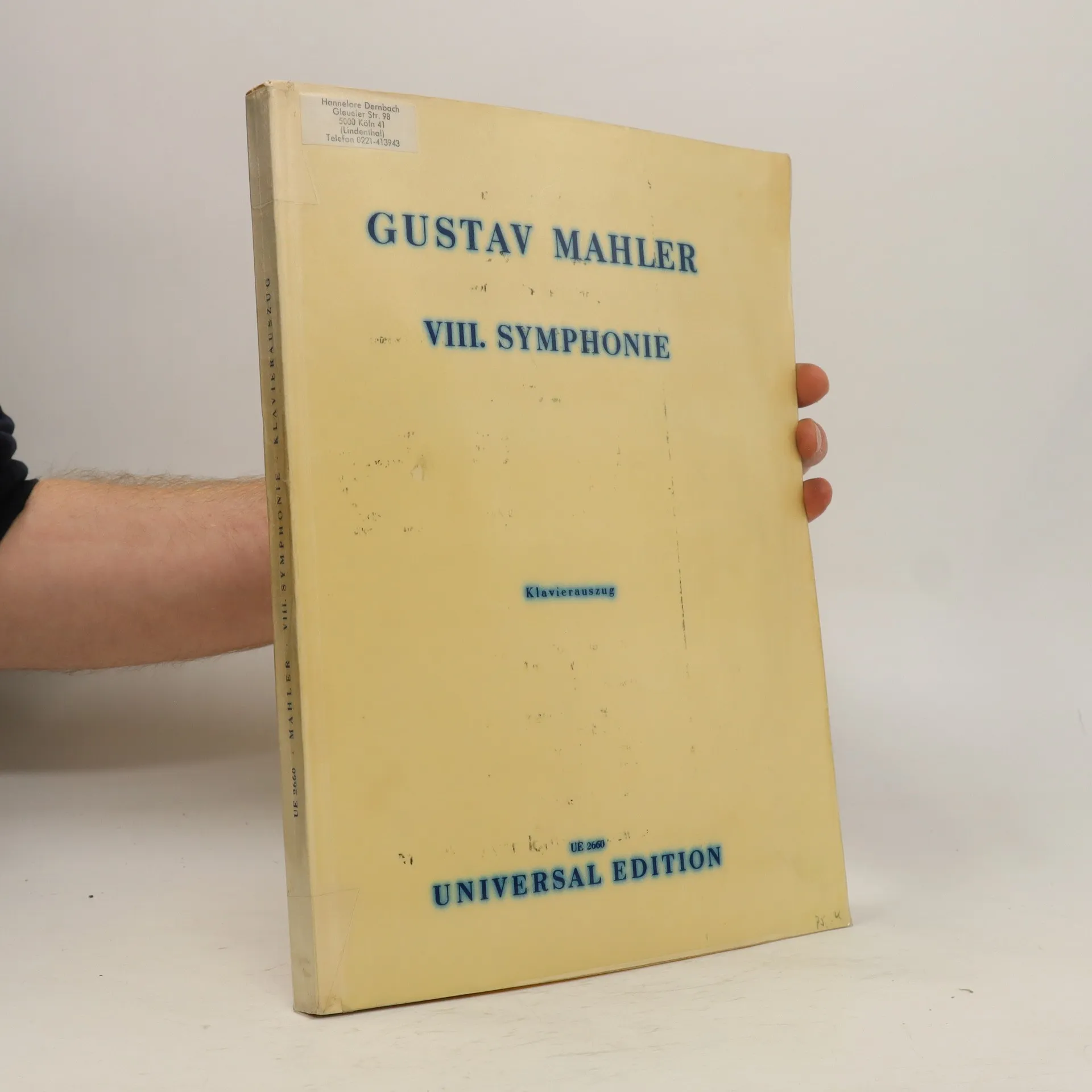
Sopran und großes Orchester. Klavierauszug.
aus "Fünf Lieder nach Texten von Friedrich Rückert". für zwölfstimmigen gemischten Chor a cappella. Chorpartitur.
aus "Fünf Lieder nach Texten von Friedrich Rückert". für zwölfstimmigen gemischten Chor a cappella. Chorpartitur.
aus "Fünf Lieder nach Texten von Friedrich Rückert". für zwölfstimmigen gemischten Chor a cappella. Chorpartitur.
Воспоминания. Vospominaniya
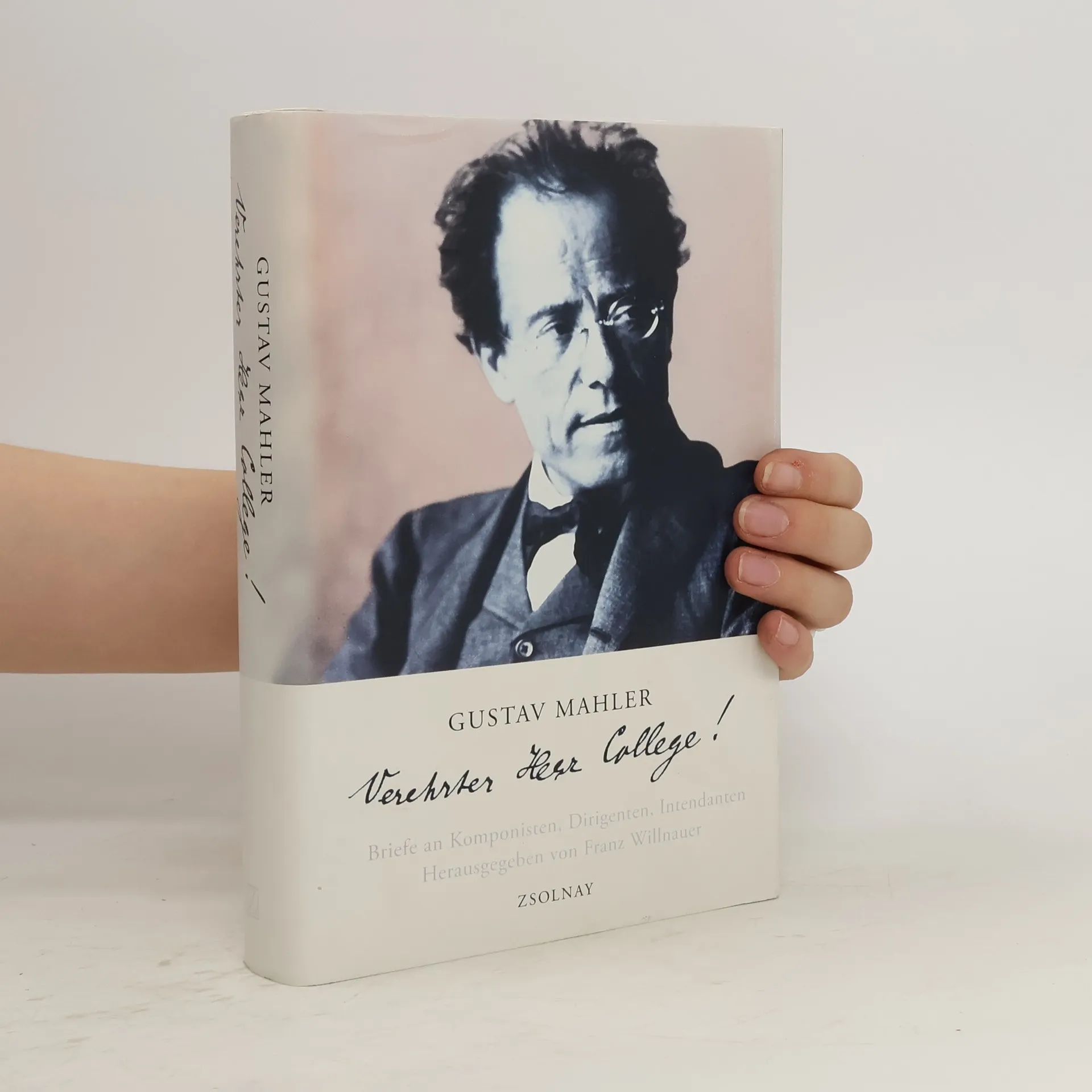
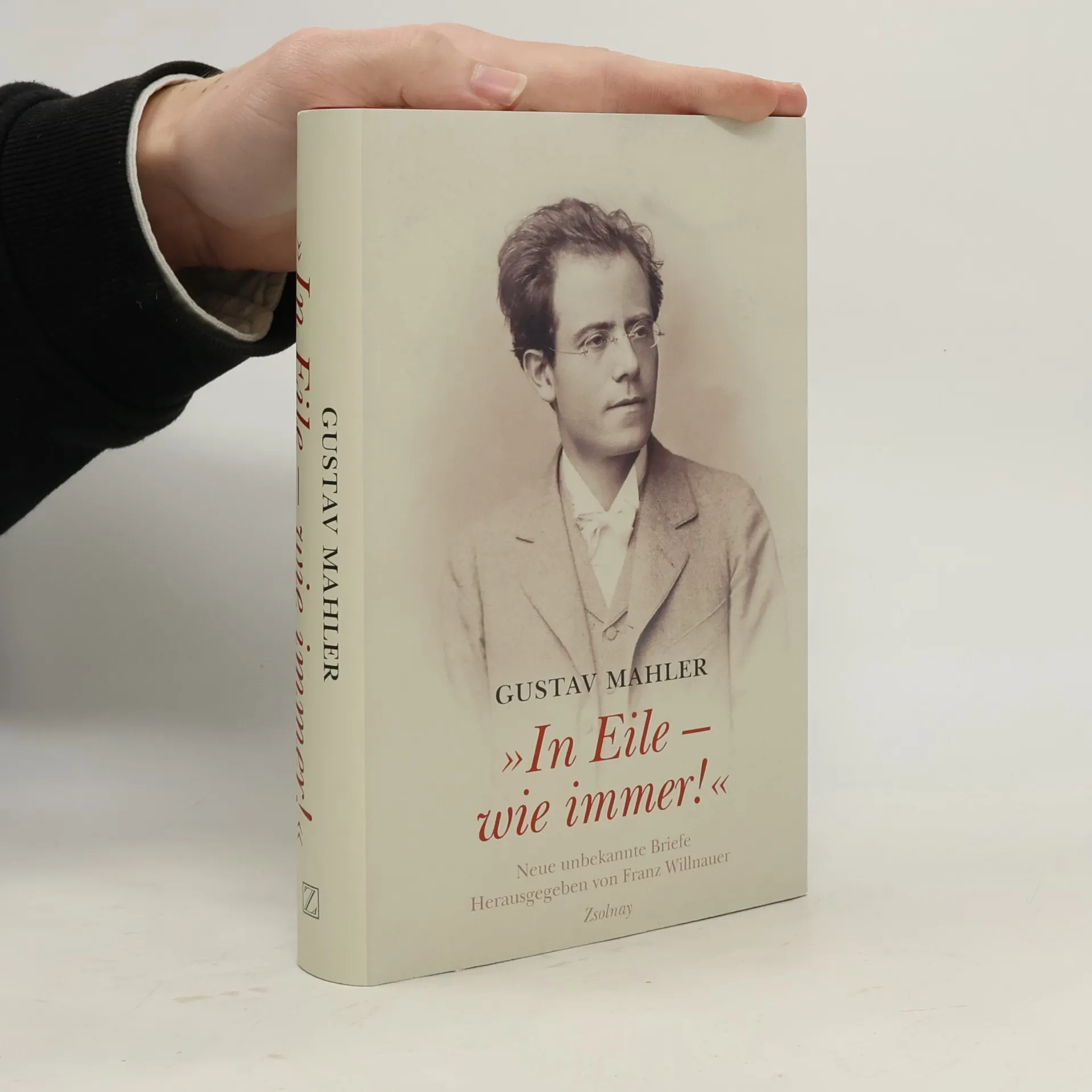
Als Gustav Mahler 1911 starb, hinterließ er eine äußerst umfangreiche, mehrere Tausend Briefe umfassende Korrespondenz. Unter den Adressaten finden sich die Komponisten Anton Bruckner, Antonín Dvorák, Richard Strauss, Ferruccio Busoni und Arnold Schönberg, die Dirigenten Bruno Walter, Hans von Bülow und Franz Schalk sowie die Herrin von Bayreuth, Cosima Wagner. Aus dieser Fülle hat der Mahler-Forscher Franz Willnauer zum 150. Geburtstag Mahlers eine Auswahl getroffen - darunter noch nie Veröffentlichtes -, die sich dem Berufsleben Mahlers widmet und nebenbei ein fesselndes Bild der deutschen und österreichischen Musik um die Jahrhundertwende zeichnet.
Die umfangreiche, von Herta Blaukopf herausgegebene Briefsammlung macht das Leben und die Entstehung der großen Werke Mahlers aus nächster Nähe nachvollziehbar und gewinnt damit den Charakter einer biographischen Selbstdarstellung. Die Briefe dokumentieren alle Lebensphasen des Komponisten: von den Knabenjahren in Iglau, dem „verlorenen Posten“ in Kassel, über Budapest und Hamburg bis zum Traumziel Wien. Die Briefe Mahlers sind nicht nur Dokumente einer bewegten Künstlerbiographie, sie lassen auch eine der glanzvollsten Epochen der Wiener Musikkultur noch einmal lebendig werden.
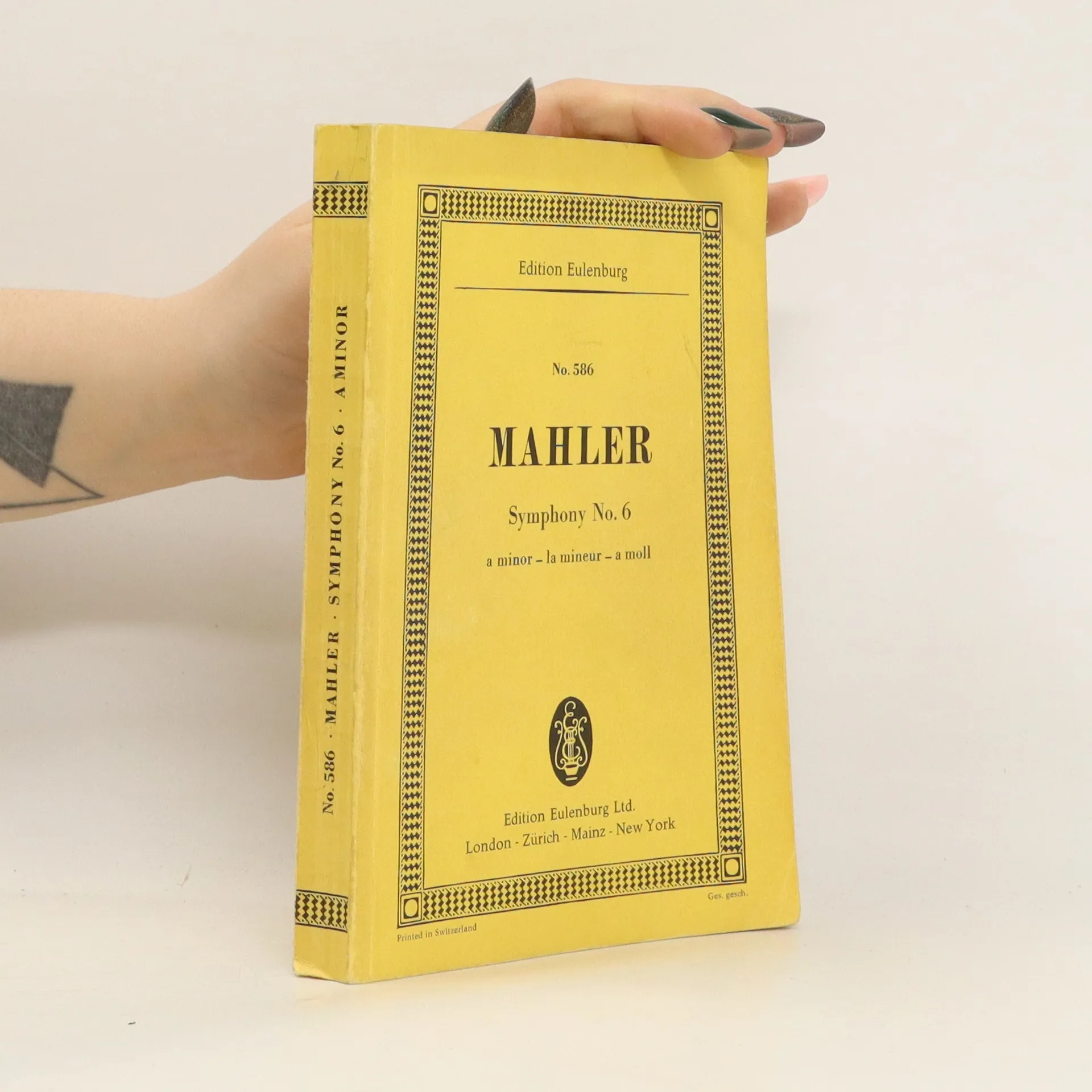
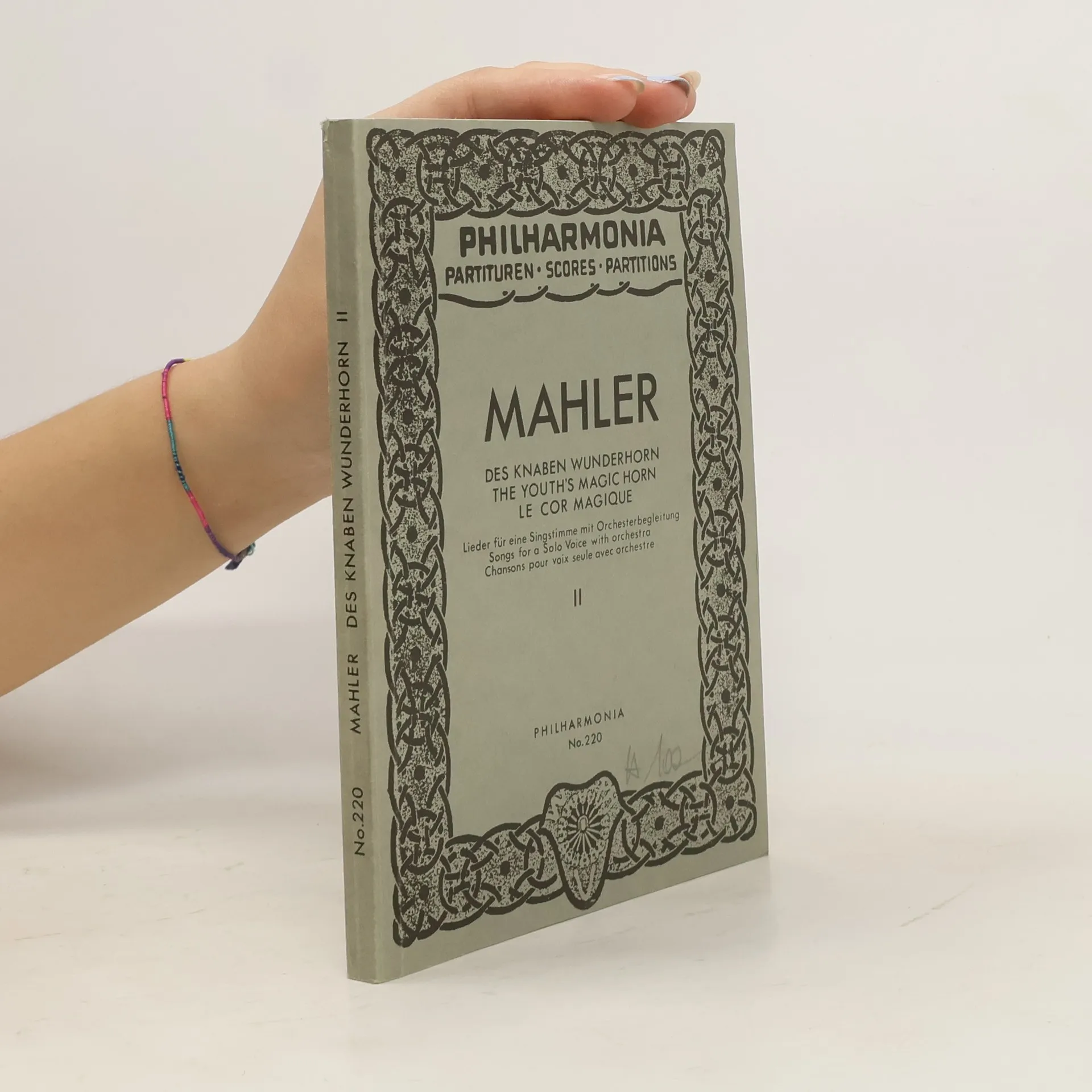
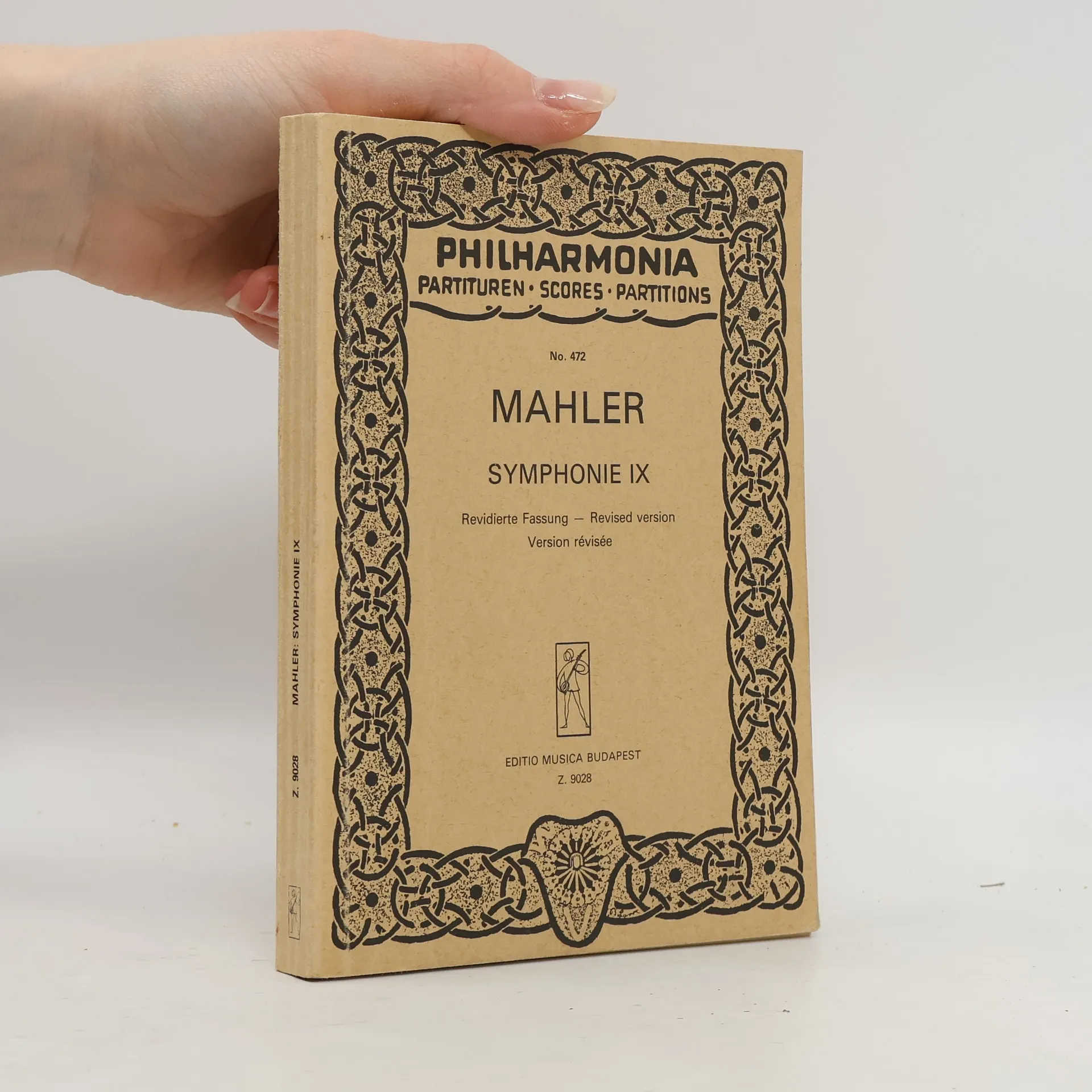
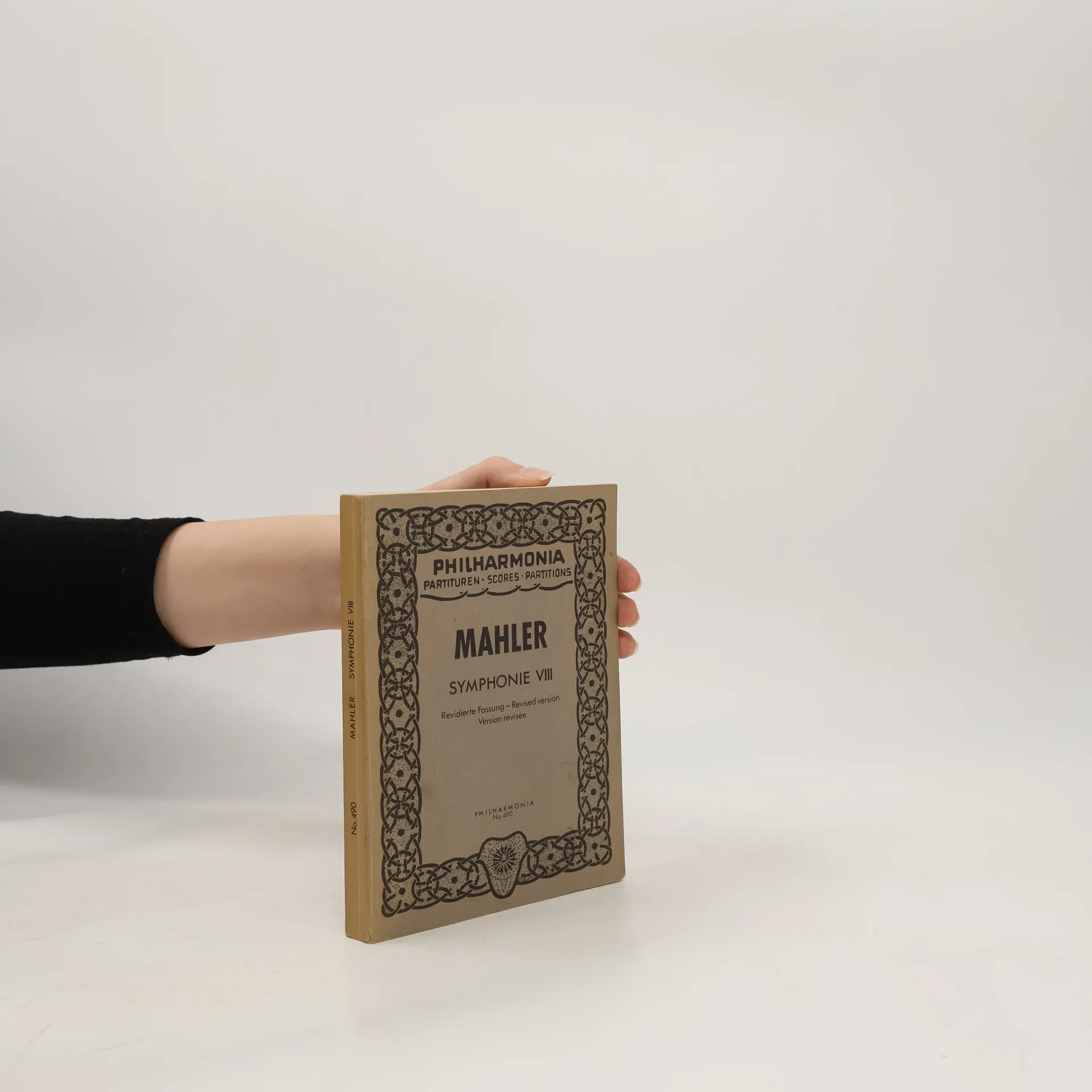
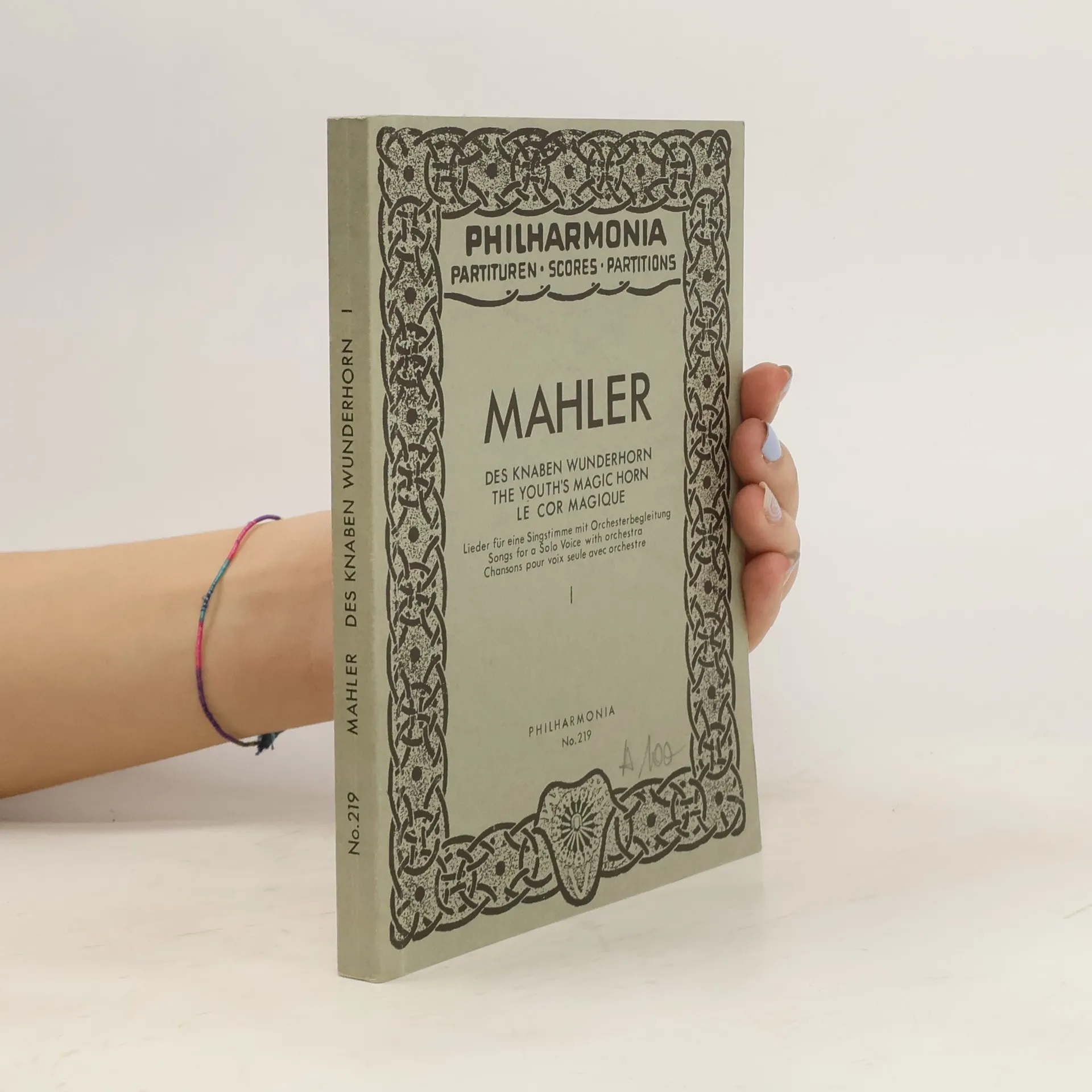
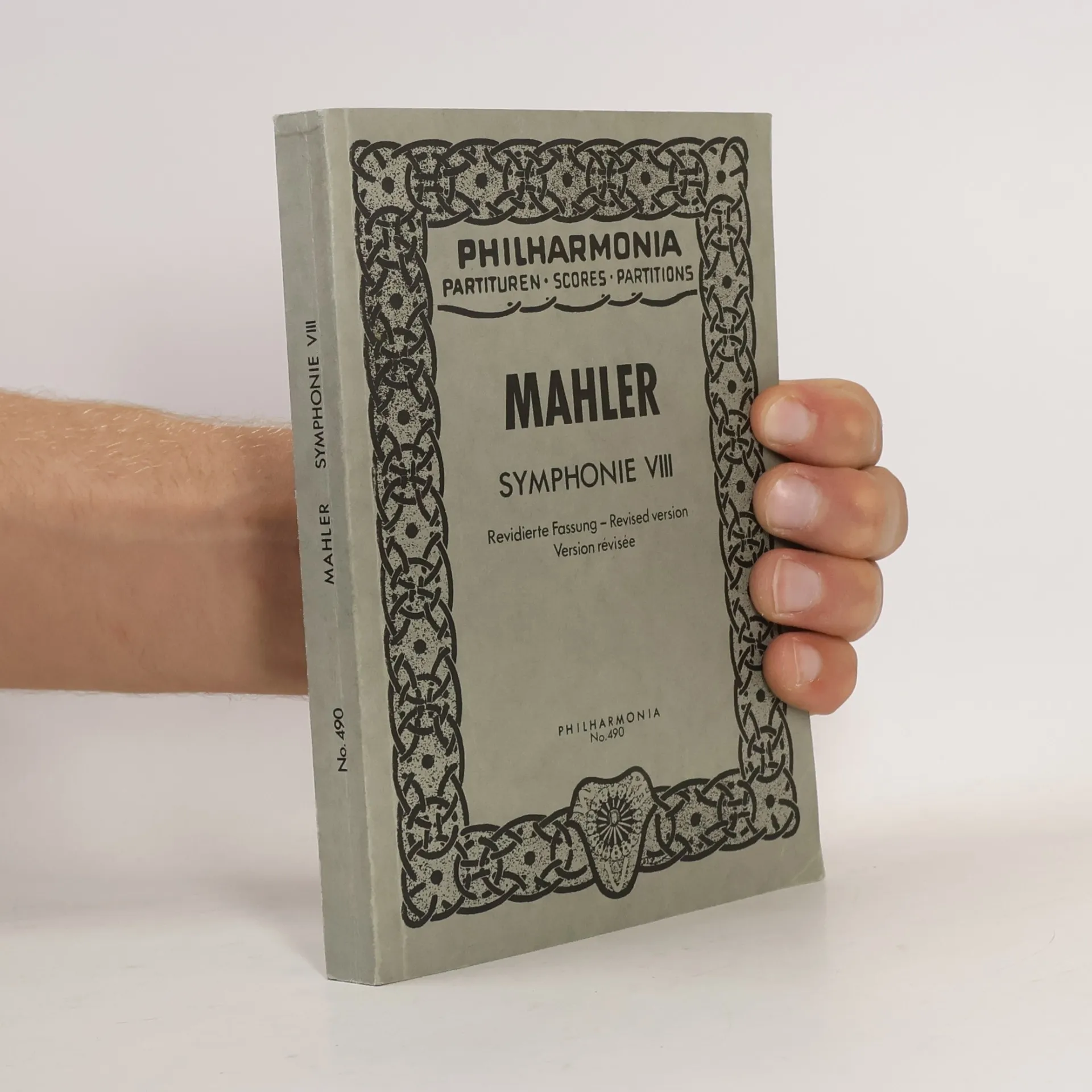
Partituren Scores Partitions
Revidierte Fassung — Revised version Version révisée
Revidierte Fassung – Revised version Version révisée
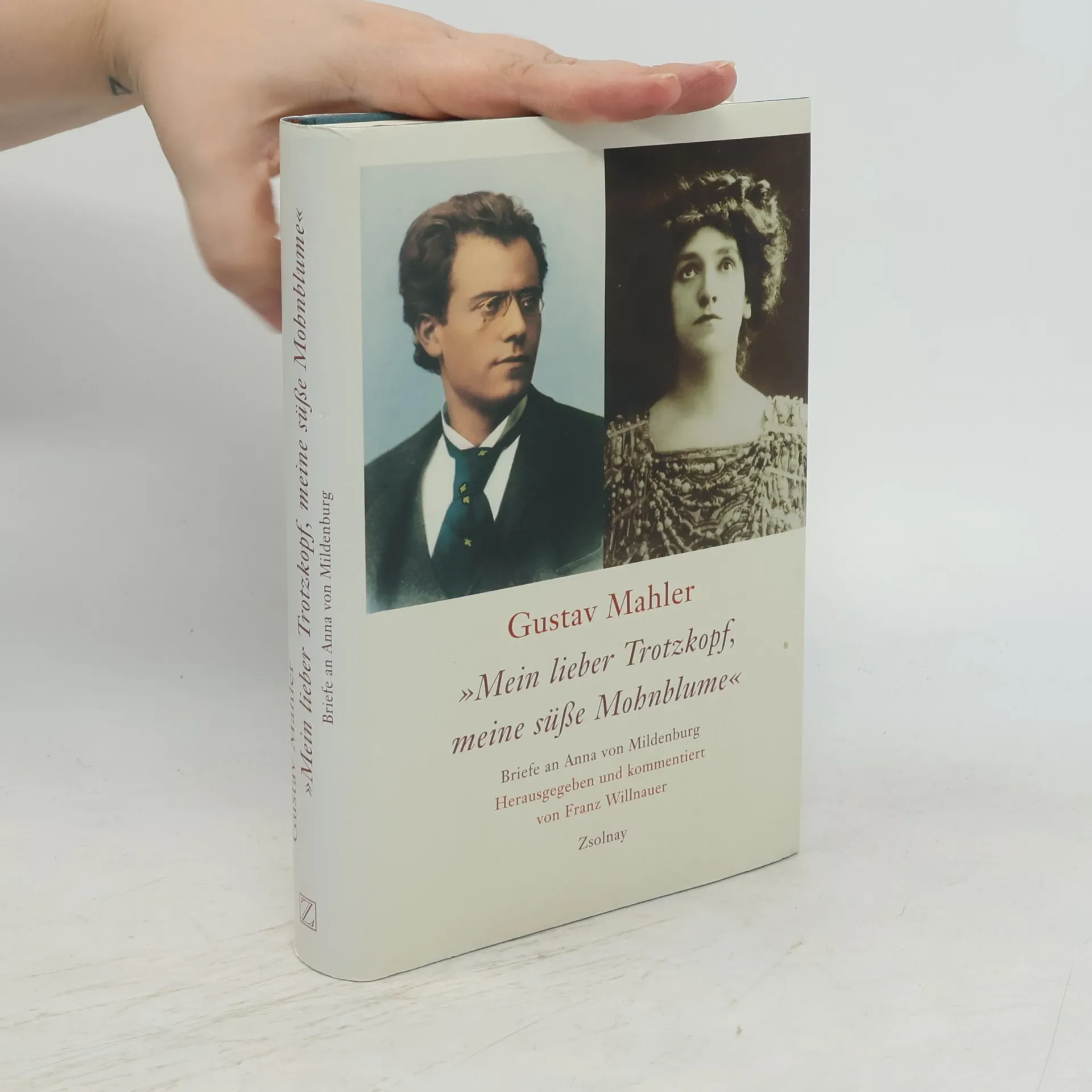
Hamburg im Frühherbst 1895: Die 23-jährige Sängerin Anna von Mildenburg debütiert am Stadttheater und wird über Nacht zum Star. Am Pult: ihr Mentor, der damals 35-jährige Gustav Mahler. Bisweilen mehrmals täglich lässt er ihr Botschaften zukommen. Von Anfang an geht es dabei um mehr als nur künstlerische Fragen. Die mehr als 200 Briefe, von denen bisher nur ein Dutzend bekannt waren, dokumentieren eine hochemotionale Liebesgeschichte und geben einen faszinierenden Einblick in das Musikleben des Fin de siècle. Ergänzt wird der von Franz Willnauer edierte Band durch die Korrespondenz zwischen Anna von Mildenburg und Alma Mahler sowie ein vollständiges Auftrittsverzeichnis der legendären Sängerin.
Die Jugendliebe Josephine Poisl und der beleidigte Dichter Hugo von Hofmannsthal, Wiens „schönste Adelige“, Gräfin Misa von Wydenbruck, und der New Yorker Konzertmeister Theodore Spiering, die Sängerin Selma Kurz und der Komponist Alexander Glasunow: sie alle waren Briefpartner Gustav Mahlers, der als Komponist, Dirigent und Operndirektor mit seiner Korrespondenz ein Netzwerk über halb Europa geknüpft hat. 35 seiner Briefpartner und mehr als 250 unbekannte Briefe versammelt dieser Band. Entstanden ist ein facettenreiches Bild von Gustav Mahler, ein Brief-Band, der sowohl spannende Lektüre für alle Freunde seiner Musik als auch korrekt edierte Quellensammlung für die Forschung sein will.
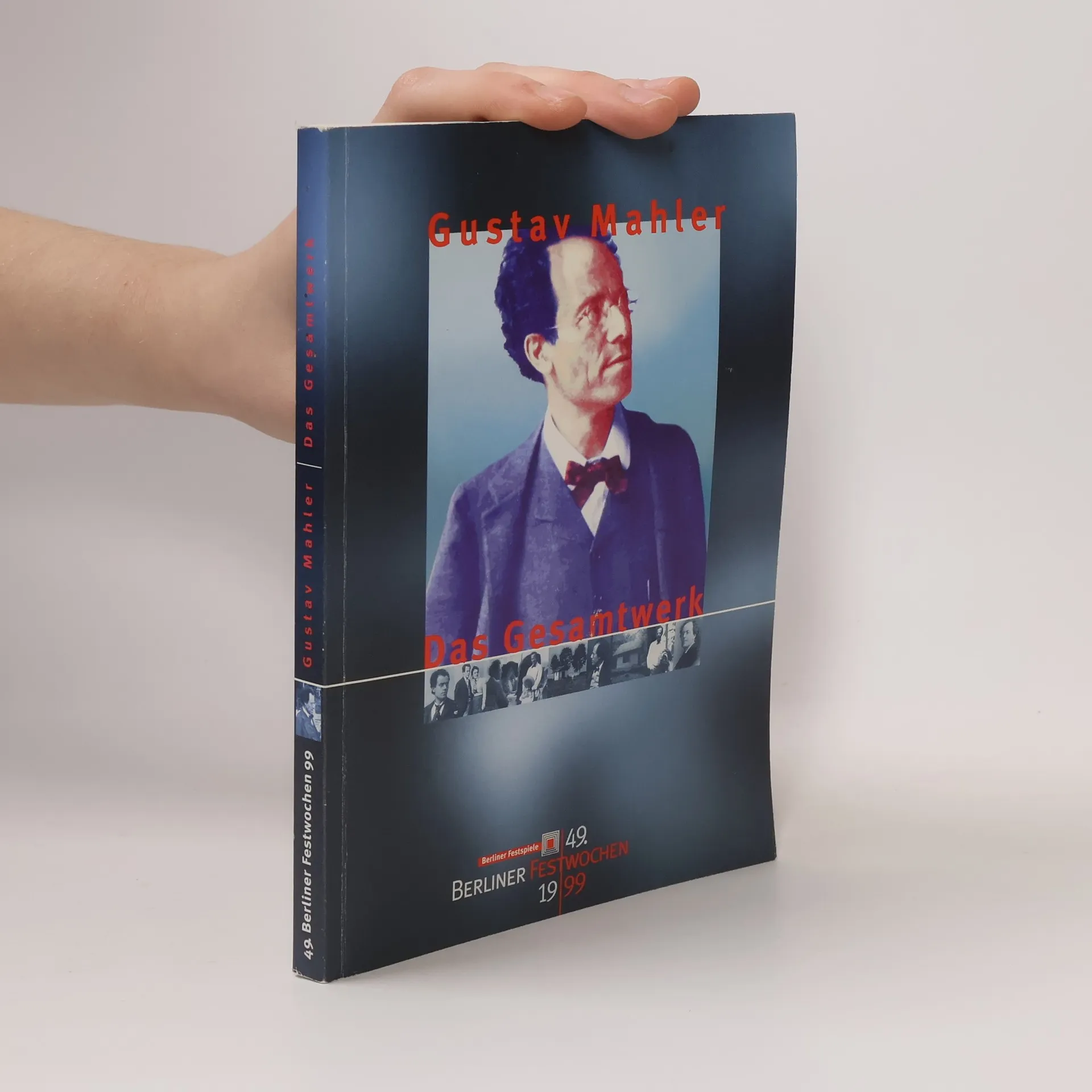
Dokumente, Berichte, Fotografien zum Leben und Schaffen des Komponisten