Upward trending and volatile materials and energy prices, difficult credit conditions and the myriad opportunities of the digital revolution are combining to make a circular economy the key value driver for the coming decades. A New Dynamic makes the contemporary case for a profound shift from throughput to 'roundput', from ownership to access. The circular economy is enabled by disruptive information technology and the design of materials and products to flow in effective cycles and at high quality - 'made to be made again'. The size of the prize is in the billions of dollars of materials cost savings per year. A New Dynamic features some of the leading writers and practitioners in the field including Walter Stahel, Michael Braungart, Amory Lovins and Chris Tuppen. The volume contains contributions on understanding the model, business case studies, the performance economy, history and development and the entrepreneurial opportunities of these fluid times. This book is a mandated reader for the MBA in Innovation, Enterprise and the Circular Economy at Bradford University School of Management.
Amory Lovins Books


Natural Capitalism
The Next Industrial Revolution – 10th Anniversary Edition with a New Introduction by Amory B. Lovins and Paul Hawken
- 448 pages
- 16 hours of reading
Offers a fresh approach that fuses ecological integrity with business acumen using the radical concept of natural capitalism. This title sets out the path that we must take to ensure the future prosperity of our civilisation and our planet.
Let It Shine
- 544 pages
- 20 hours of reading
The definitive history of solar power and technologyEven as concern over climate change and energy security fuels a boom in solar technology, many still think of solar as a twentieth-century wonder. Few realize that the first photovoltaic array appeared on a New York City rooftop in 1884, or that brilliant engineers in France were using solar power in the 1860s to run steam engines, or that in 1901 an ostrich farmer in Southern California used a single solar engine to irrigate three hundred acres of citrus trees. Fewer still know that Leonardo da Vinci planned to make his fortune by building half-mile-long mirrors to heat water, or that the Bronze Age Chinese used hand-size solar-concentrating mirrors to light fires the way we use matches and lighters today.With thirteen new chapters, Let It Shine is a fully revised and expanded edition of A Golden Thread , John Perlin’s classic history of solar technology, detailing the past forty-plus years of technological developments driving today’s solar renaissance. This unique and compelling compendium of humankind’s solar ideas tells the fascinating story of how our predecessors throughout time, again and again, have applied the sun to better their lives — and how we can, too.
Winning the Oil Endgame
- 306 pages
- 11 hours of reading
Enough about the oil problem. Here?s the solution. Over a few decades, starting now, a vibrant US economy (then others) can completely phase out oil. This will save a net $70 billion a year, revitalize key industries and rural America, create a million jobs, and enhance security. Here?s the roadmap ? independent, peer-reviewed, co-sponsored by the Pentagon ? for the transition beyond oil, led by business and profit.
Current Topics in Microbiology and Immunology - 85: Immunology of the Nicotinic Acetylcholine Receptor
- 184 pages
- 7 hours of reading
General aspects of nucleic acid uptake by mammalian cells have been the subject of several reviews during the last few years (PAGANO, 1970; BHARGAVA and SHANMUGAM, 1971; DUBES, 1971; RYSER, 1967). These reviews covered methods used for the infection of cells by viral nucleic acids as well as interaction of mammalian cells with non-viral nucleic acids. This article is restricted to a discussion of experiments with poliovirus RNA and focuses special attention on the steps following the uptake of RNA into a cell, aspects that were not discussed in earlier review articles. The fate of input RNA once inside the cell is determined by the host cell but experimental conditions can be chosen to favor the survival of input RNA and the induction of a virus growth cycle by interfering with host-cell meta bolism through events that, in the case of infection with intact virus, might be controlled by viral proteins.
Atomenergie und Kriegsgefahr
- 271 pages
- 10 hours of reading
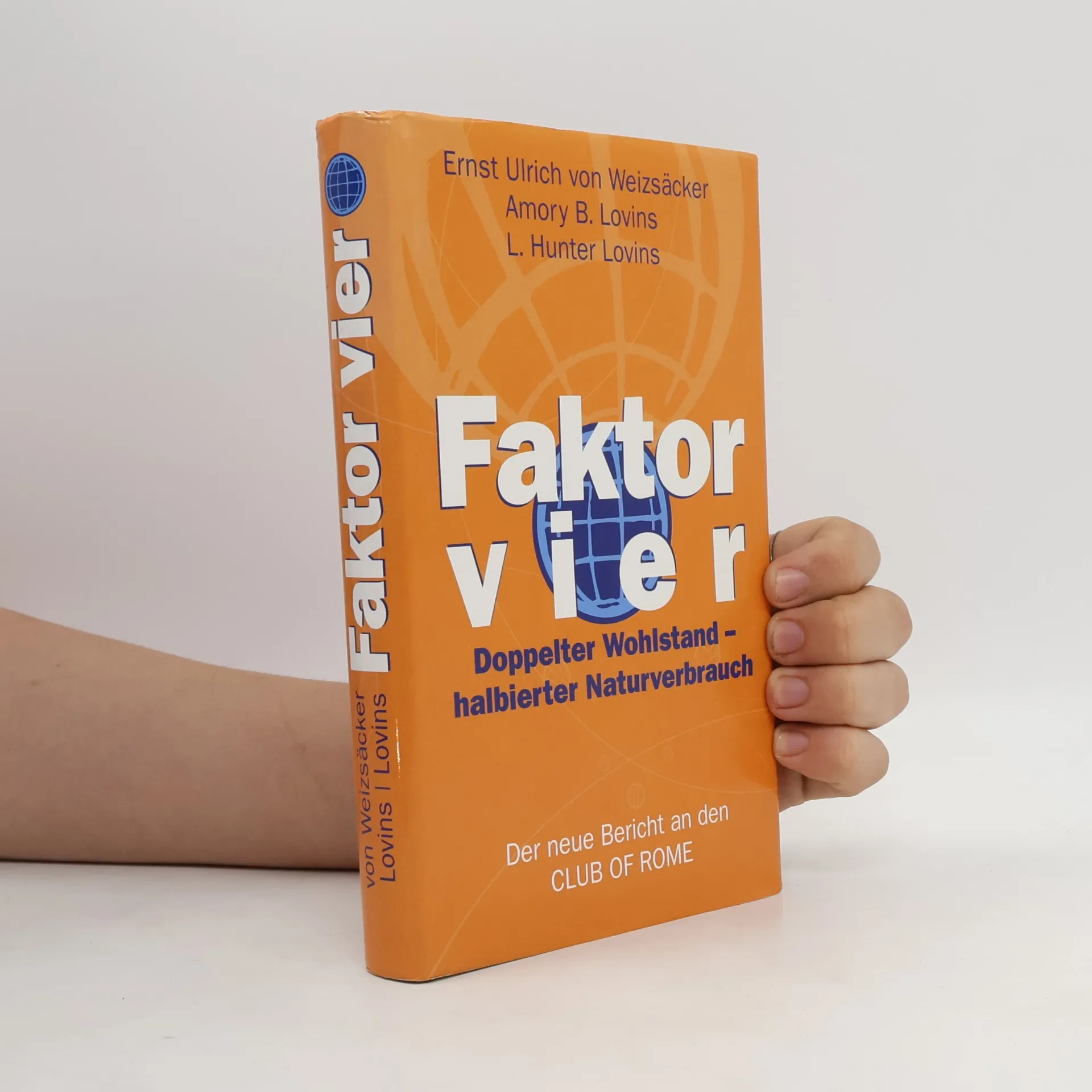
Das Know-how für eine neue umweltschonende Wachstumspolitik ist vorhanden. Wir können heute Solarhäuser bauen, deren Energiekosten fast bei Null liegen, oder Supersparautos, die nicht nur sparsam und sicher, sondern auch komfortabel sind. Der Umweltschutz, von der Wirtschaft immer als Kostenfaktor gefürchtet, ist längst dabei, zum Nutzenfaktor zu werden. Die Autoren machen sich für eine Effizienzrevolution stark, die dazu führen soll, daß wir die Naturgüter mindestens viermal besser nutzen als bisher. Das ist allerdings nur mit Unterstützung der Politik möglich, die endlich aufhören muß, Vergeudung zu subventionieren, und sich zu einer ökologischen Steuerreform entschließen sollte.
Sanfte Energie
- 363 pages
- 13 hours of reading
Voller Energie
- 265 pages
- 10 hours of reading
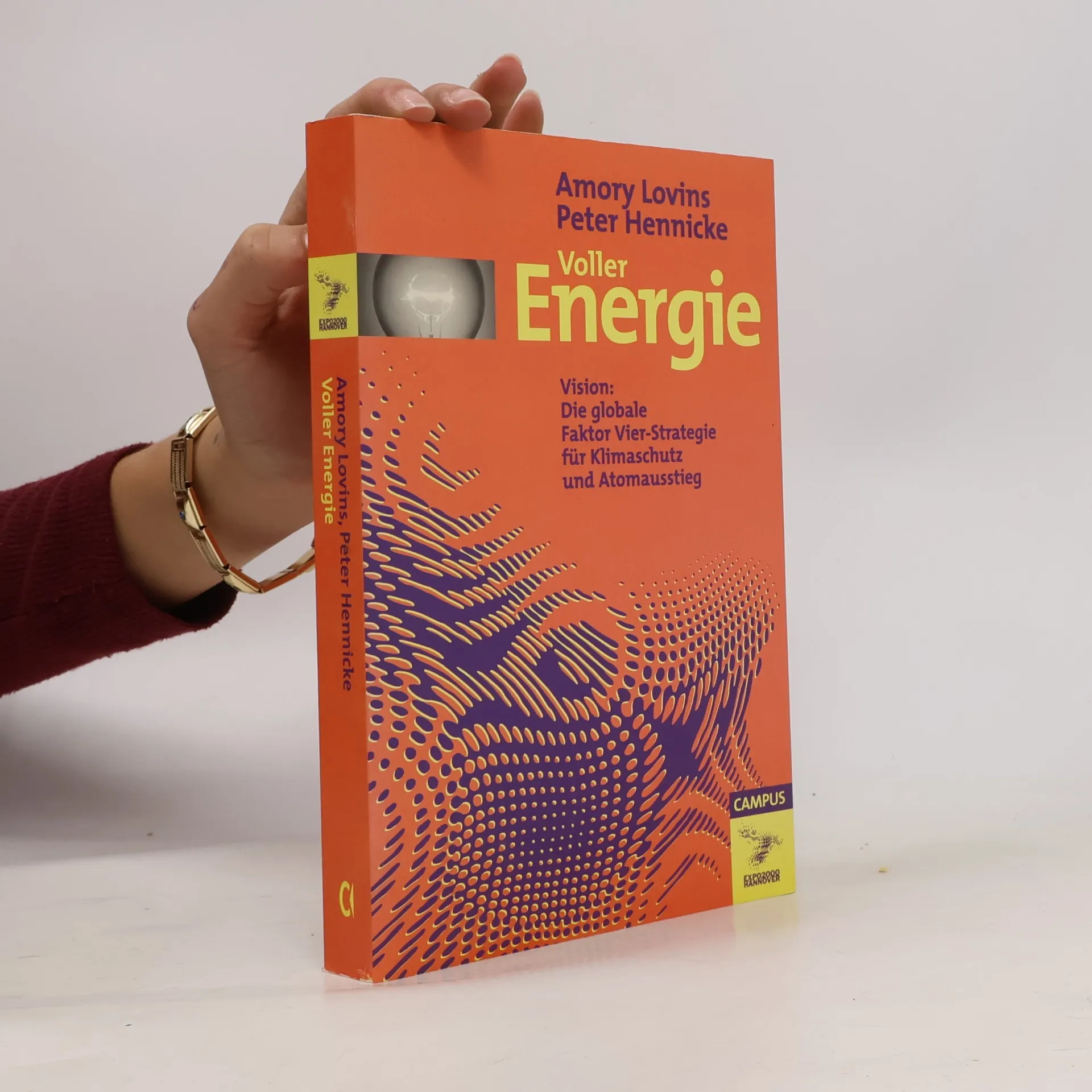
Die heutigen Energietrends führen in die Katastrophe. In diesem Nachfolgeband des Buches Faktor Vier entwickeln der international renommierte Energieexperte Amory Lovins und sein deutscher Co- Autor Peter Hennicke eine Vision für ein zukunftsfähiges Weltenergiesystem jenseits von Klimakatastrophen und Atomwirtschaft.
Rororo aktuell: Zeit zum Umdenken?
- 137 pages
- 5 hours of reading
German