

Metal clusters exist at the intersection of molecules and nanoparticles, embodying both molecular and nano-scale characteristics. This interdisciplinary field is rapidly expanding, with significant implications for chemistry, catalysis, materials science, and nanotechnology. The third volume in this series presents recent advancements in metal clusters through approximately 20 contributions that offer a comprehensive overview. Topics explored include inter-electron repulsion in transition series chemistry, stereochemical activity in heavier main group element compounds, and the nuances of close packing. Contributions also delve into praseodymium diiodide, centered zirconium clusters, titanium niobium oxychlorides, and trinuclear molybdenum and tungsten cluster chalcogenides. Other discussions cover the current state of (B, C, N)-compounds of calcium and lanthanum, polar intermetallics, rare earth Zintl phases, and structure-property relationships in intermetallics. The volume further addresses ternary and quaternary niobium arsenide Zintl phases, cation-deficient quaternary thiospinels, and innovative hybrid materials from salt inclusion synthesis. Additionally, it examines hydrogen bonding in metal halides, the synthesis and catalytic properties of titanium nitride nanoparticles, and new scintillation materials in borophosphate systems. With a focus on education, this volume is valuable for both students and specialists alike
Gerd Meyer Books
This scientist has dedicated over 30 years to the solid-state chemistry of f-elements, profoundly influencing this research area. Their work centers on the synthesis, structures, and properties of solids and coordination compounds involving rare-earth and transition metals. With extensive publications and editorial contributions, their impact on the scientific community is significant.

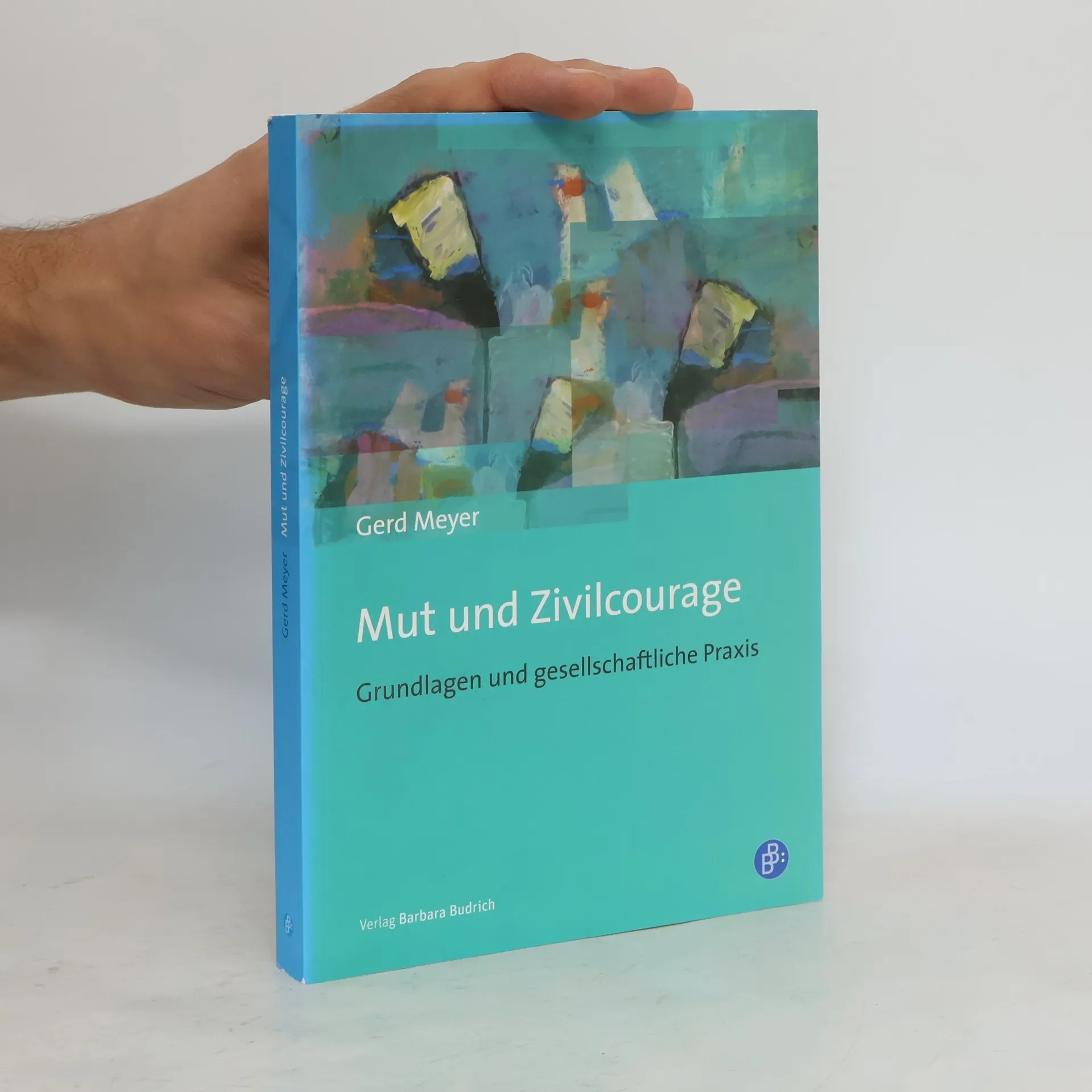


Mut und Zivilcourage – was kennzeichnet, was unterscheidet sie? Was fördert, was hindert Menschen, mit mehr Zivilcourage zu handeln – privat, beruflich und im öffentlichen Leben? Im Mittelpunkt des Buches von Gerd Meyer steht das couragierte Handeln im gesellschaftlichen Alltag, vor allem am Arbeitsplatz, in Gruppen und in der Politik. Handlungsmöglichkeiten werden ebenso diskutiert wie das kontroverse Thema Whistleblowing. Woher aber kommt die Kraft zu mutigen Entscheidungen, was macht sie zu einer besonderen Erfahrung? Was müssen Menschen und Institutionen mitbringen, damit Zivilcourage gelernt und mutiger Widerspruch gefördert wird? Die erste systematische Analyse zum Thema, praxisnah und umsichtig ermutigend.
Die Verhältnisse waren schlimmer als im Gefängnis. Zur Strafe ging es in den Bunker. Seine Notdurft musste man in einem Eimer verrichten. Spurte man nicht, konnte es sein, dass der Eimer tagelang nicht geleert wurde. Doch was haben die „Insassen“ verbrochen, um hier reinzukommen? Bei Gerd Meyer starb zuerst seine Mutter, kurz darauf sein Vater. Sein Vormund, das Jugendamt Neumünster, steckte ihn in die Sozialentsorgungskette, die sich vom Kinderheim Schleswig– Paulihof bis zur Endstation des Landesfürsorgeheims Glückstadt zog. Als Gerd Meyer dort „eingeliefert“ wird, erwartet ihn die Hölle Heim, die sich im Lauf der Zeit als ein Schlachthof der Seele erweist. Wäre dieses Buch fiktiv, würde jeder Kritiker zu Recht die Unwahrscheinlichkeit bemängeln, die einen einzigen Menschen so viele Schicksalsschläge widerfahren lässt. Doch das Leben hält sich leider nicht an solche Regeln.