

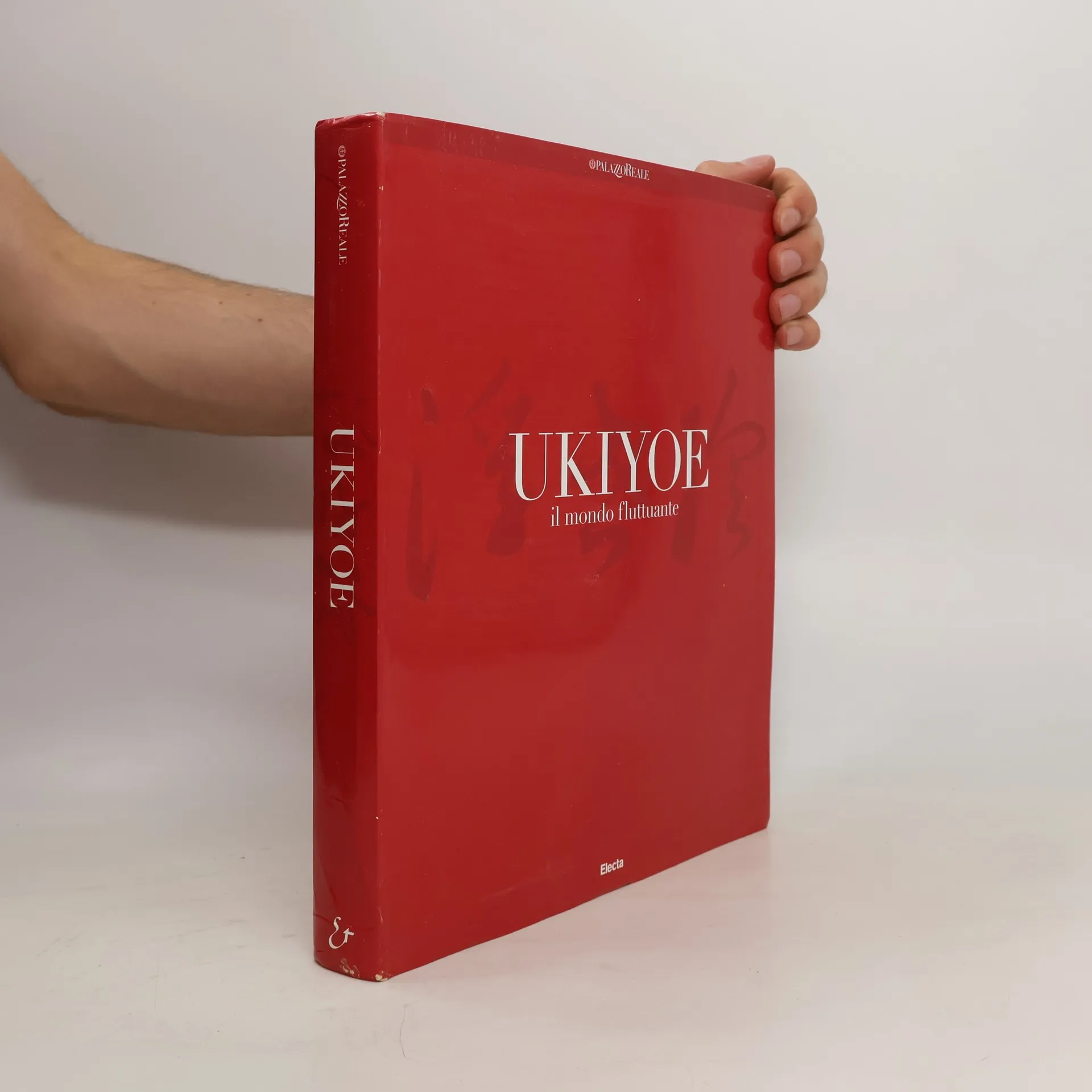
Katalog zur Ausstellung Hokusai. Il vecchio pazzo per la pittura , die im Palazzo Reale in Mailand vom 6. Oktober 1999 bis zum 9. Januar 2000 stattfand.
Gian Carlo Calza Book order (chronological)


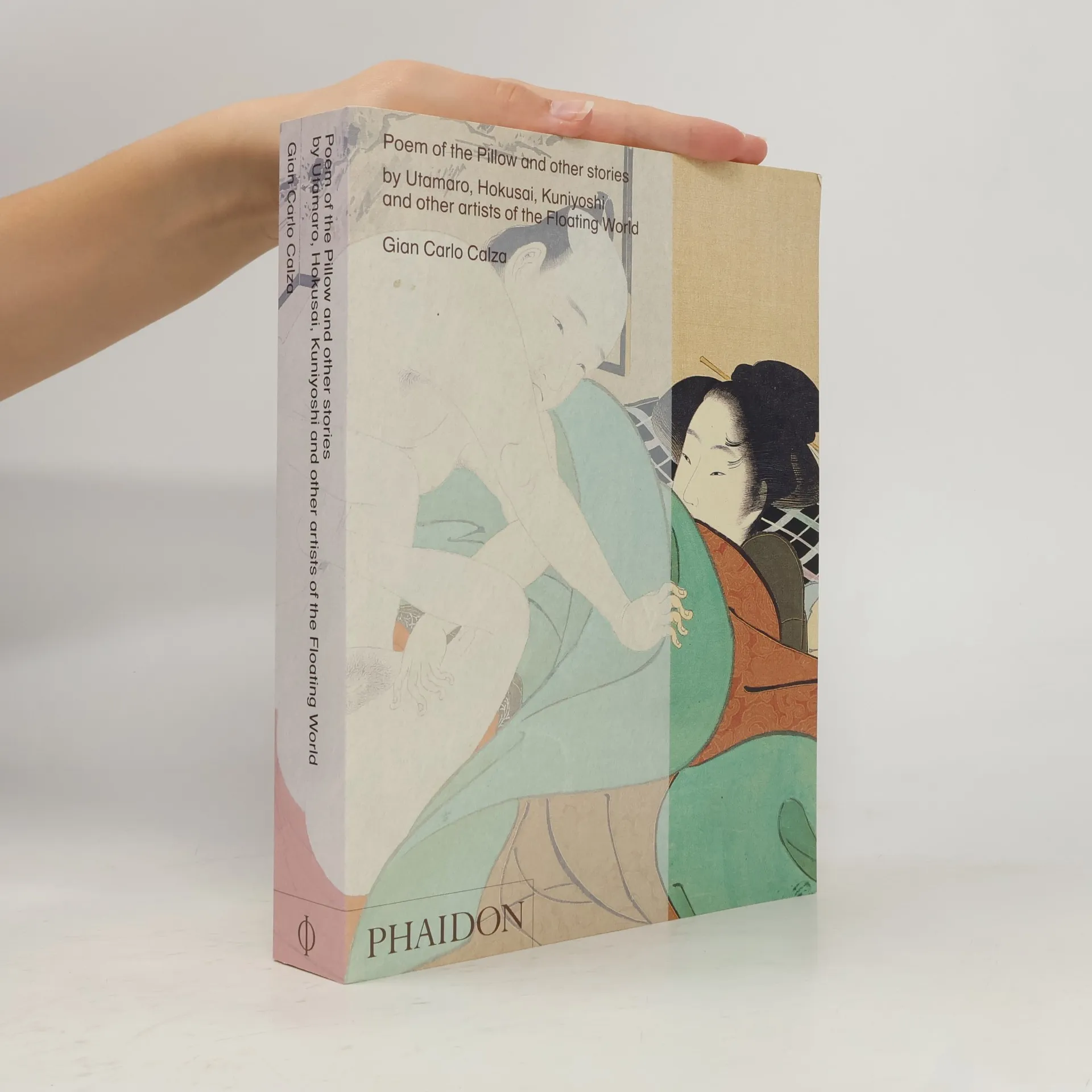
Poem Of The Pillow And Other Stories
By Utamaro, Hokusai, Kuniyoshi And Other Artists Of The Floating World
- 464 pages
- 17 hours of reading
A comprehensive and beautifully illustrated study of traditional Japanese erotic art. Poem of the Pillow and Other Stories examines the artistic developments of Japanese erotic art from the ukiyo-e period, dating from the mid-seventeenth century to the end of the nineteenth century. Known by the delicate euphemism of Shunga or ‘spring images’, these pictures were hugely popular and admired, and are today highly collectable works of art. This book illustrates major Shunga works from important ukiyo-e masters such as Utamaro, Hokusai, Harunobu, Kunisada, Kuniyoshi and many others. World-renowned scholar Gian Carlo Calza defines these fascinating erotic works in their social, historical and artistic context, providing a broad overview of a subject that is extremely nuanced and intriguing. Beautifully illustrated with over 300 images, including woodblock prints, scrolls and paintings, this book is a perfect introduction to ukiyo-e erotic art.
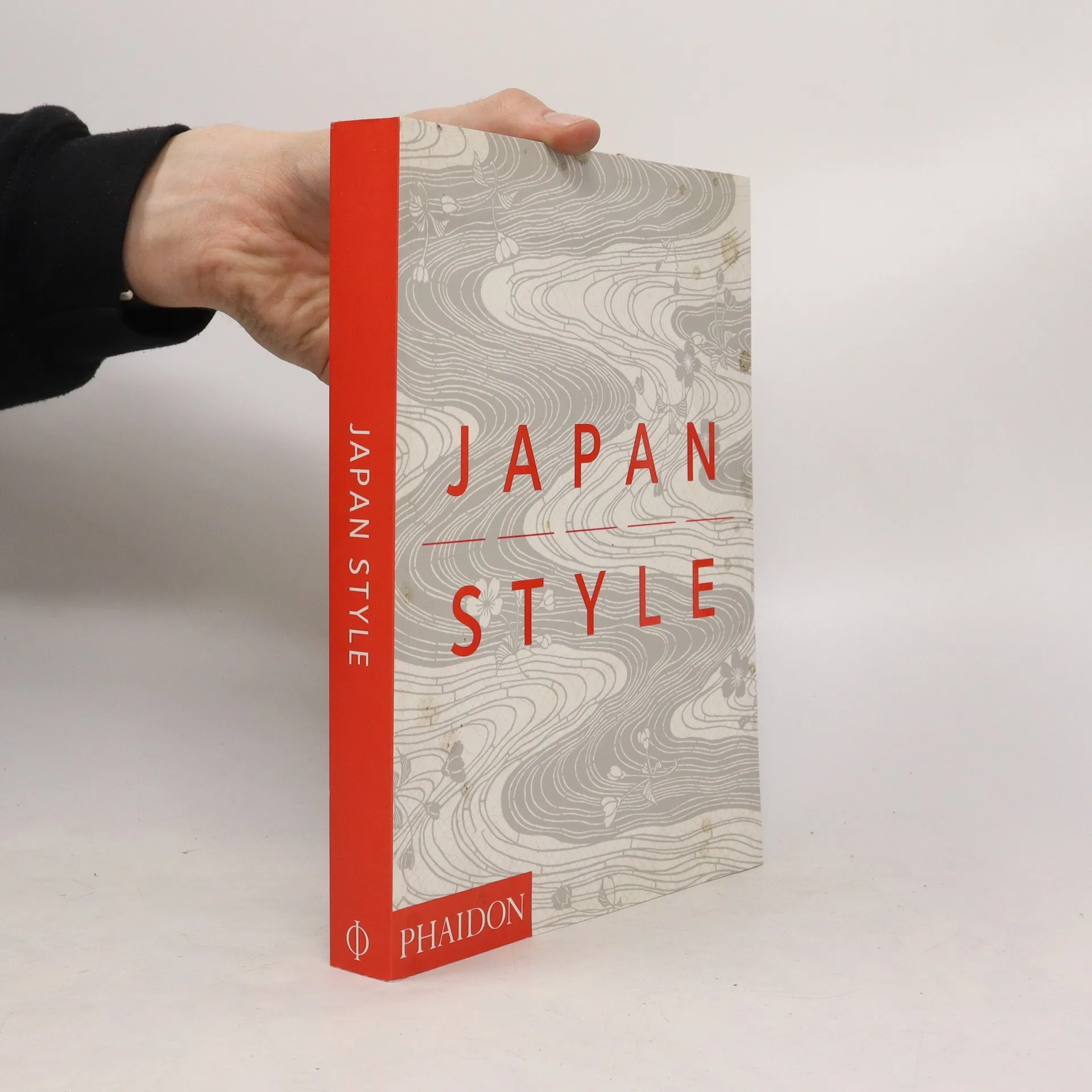
Japan Style
- 304 pages
- 11 hours of reading
Describing and defining what 'Japan style' is, this book explores specific achievements in Japanese art and architecture, offering an analysis of the Japanese culture, its vision of the world and of humankind
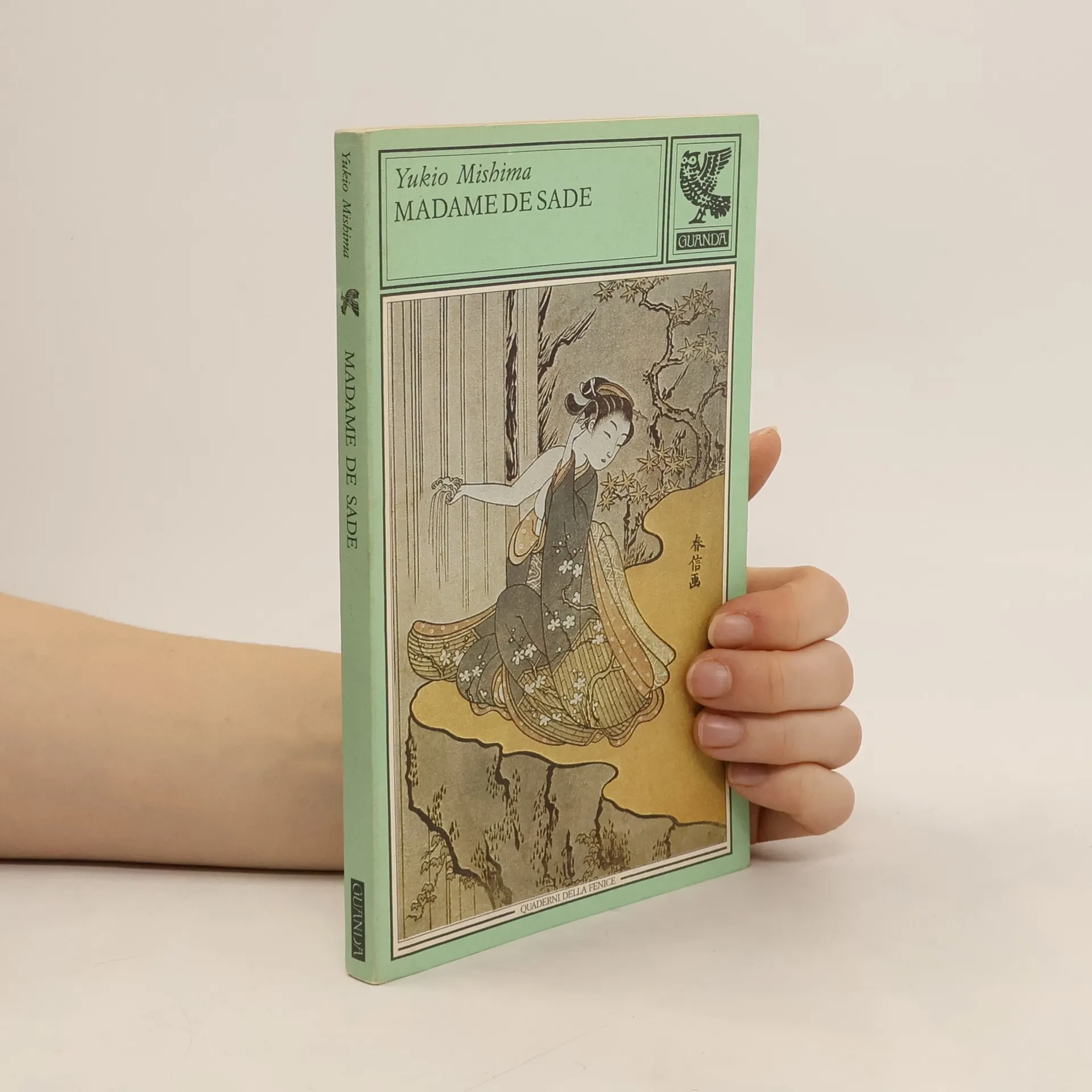
Quaderni della Fenice: Madame de Sade
- 128 pages
- 5 hours of reading
Leggendo la biografia di Sade, Mishima rimane colpito da un episodio apparentemente inspiegabile: la moglie del divino marchese, dopo aver dedicato tanti anni e tante appassionate energie al tentativo di farlo uscire dal carcere, al momento della possibile riunione, anziché accorrere da lui, decide di rimanergli lontana, fa sapere al marito che non lo incontrerà ma più. Come mai? L'ipotetica risposta a questo interrogativo si intreccia, in un testo fra i più rappresentativi della sua produzione teatrale, al tema portante della ricerca estetico-filosofica di Mishima. La bellezza fisica, per il grande scrittore giapponese, è indissolubilmente fusa col valore morale, con la volontà e la forza di incarnare nella propria esistenza ideali di vita elevati. E il Sade di Mishima, limitato nell'uso del corpo dalla sua condizione di prigioniero, ha trasferito il mondo dei sensi e delle passioni su un piano squisitamente intellettuale
Populäre Druckgraphik Japan
- 249 pages
- 9 hours of reading