

Explore the latest books of this year!
Bookbot

Otfried Jarren

    November 9, 1953
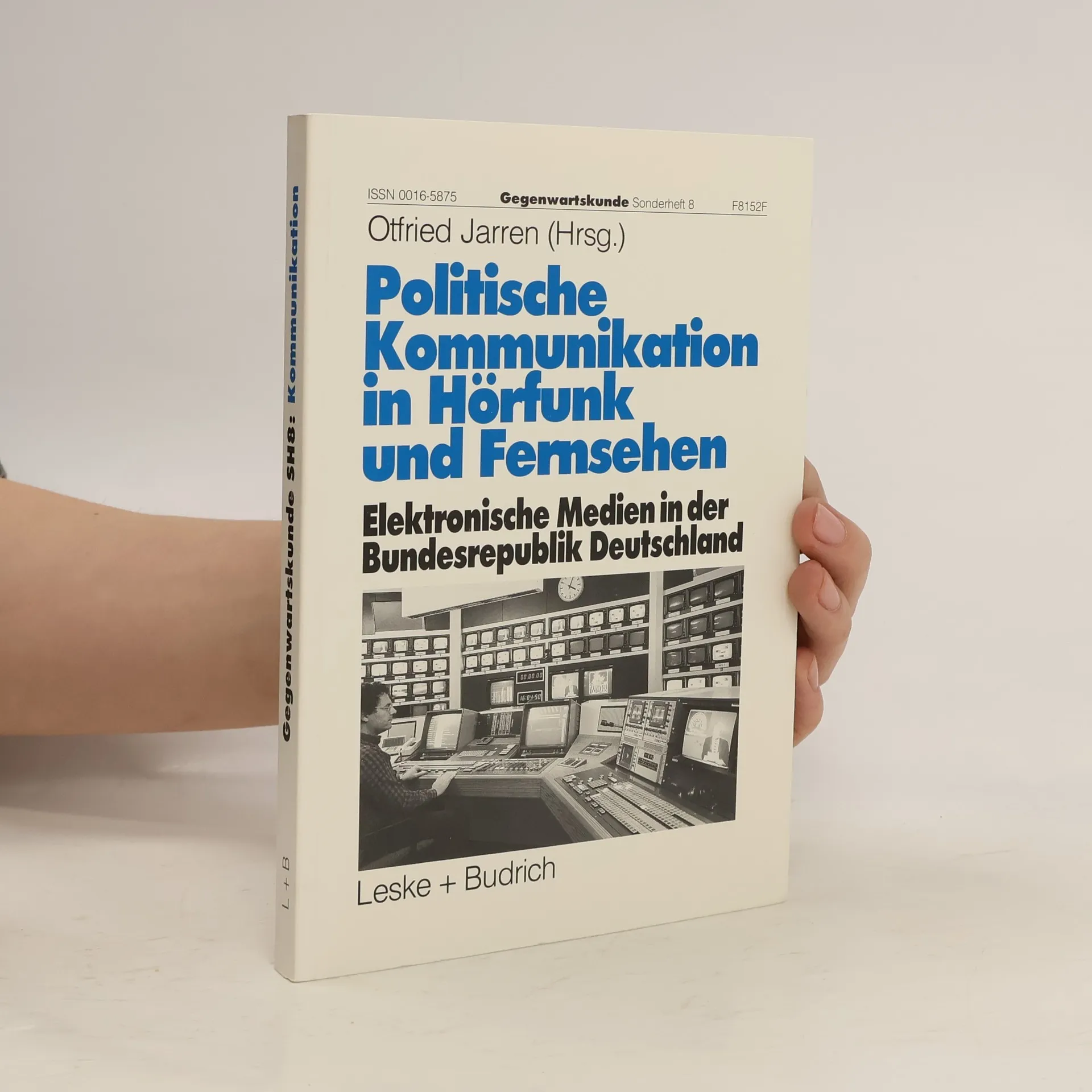
    Politische Kommunikation in Hörfunk und Fernsehen
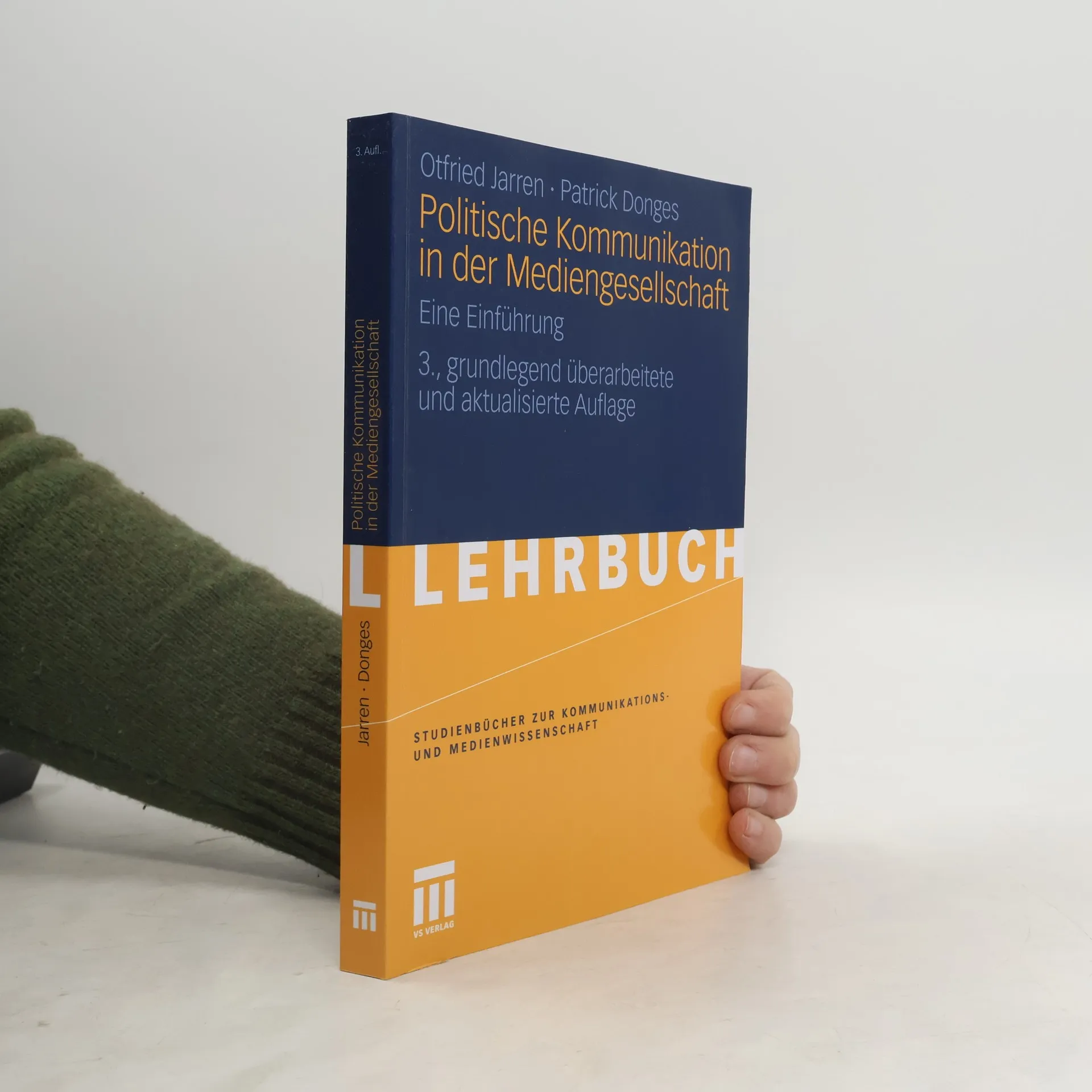
    Politische Kommunikation in der Mediengesellschaft
    • Politische Kommunikation in der Mediengesellschaft ist ein komplexer und vielschichtiger Forschungsgegenstand. Das Lehrbuch legt den Schwerpunkt auf die Strukturen, Akteure und Prozesse politischer Kommunikation und analysiert diese aus einer kommunikationswissenschaftlichen Perspektive unter Berücksichtigung der Theorie- und Forschungsbestände anderer Sozialwissenschaften. Politische Medieninhalte werden als das Ergebnis von Interaktionsprozessen verstanden, die im Rahmen von Strukturen der Politik wie der Medien zwischen politischen und medialen Akteuren stattfinden. Dabei wird der Mesoebene der Organisationen wie der Makroebene der Gesellschaft besondere Aufmerksamkeit geschenkt, da politische Kommunikation in erster Linie eine organisierte Form der Kommunikation ist – sowohl auf Seiten der Politik wie auch auf Seiten der Medien. Gegenüber der zweiten Auflage wurde das Lehrbuch grundlegend aktualisiert, gestrafft und neu strukturiert.

      Politische Kommunikation in der Mediengesellschaft
    • Politische Kommunikation in Hörfunk und Fernsehen

      Elektronische Medien in der Bundesrepublik Deutschland

      • 239 pages
      • 9 hours of reading

      This book explores the intricate relationship between media and politics, focusing on political communication in radio and television. It begins with an introduction to the overarching issues surrounding media's role in the political landscape. Key themes include the transformation of the intermediary system in a media society, the tension between media representation of politics and political action, and the dynamics of communication between politics and broadcasting. The book examines the development of broadcasting within a dual system and the implications of private broadcasting and media concentration. Subsequent sections delve into the portrayal of politics through television and radio, analyzing the offerings of television providers and the nature of political reporting across private and public channels. It addresses concerns about political alienation stemming from television's influence and evaluates the political information landscape in German radio, including findings from content analyses. The work also considers youth perspectives in a German-German context and the role of broadcasting in fostering integration. Finally, the book includes a bibliography and contributions from various authors, providing a comprehensive overview of the intersection of politics and media.

      Politische Kommunikation in Hörfunk und Fernsehen