Focusing on the transition from academic learning to real-world application, this guide serves as a vital resource for students and novice therapists. It offers practical insights, strategies, and foundational skills necessary for effective therapy practice, helping to ease the challenges faced by newcomers in the field. By addressing both theoretical concepts and practical scenarios, it prepares readers to confidently embark on their therapeutic careers.
Anthony D. Smith Books
Anthony D. Smith was a foundational figure in the interdisciplinary study of nationalism and ethnicity. He is particularly renowned for distinguishing between 'civic' and 'ethnic' forms of nations and nationalism, proposing that all nations possess a discernible 'ethnic core'. While acknowledging the modern nature of nationalism itself, Smith maintained that nations derive their origins from pre-modern roots, offering a nuanced historical perspective.



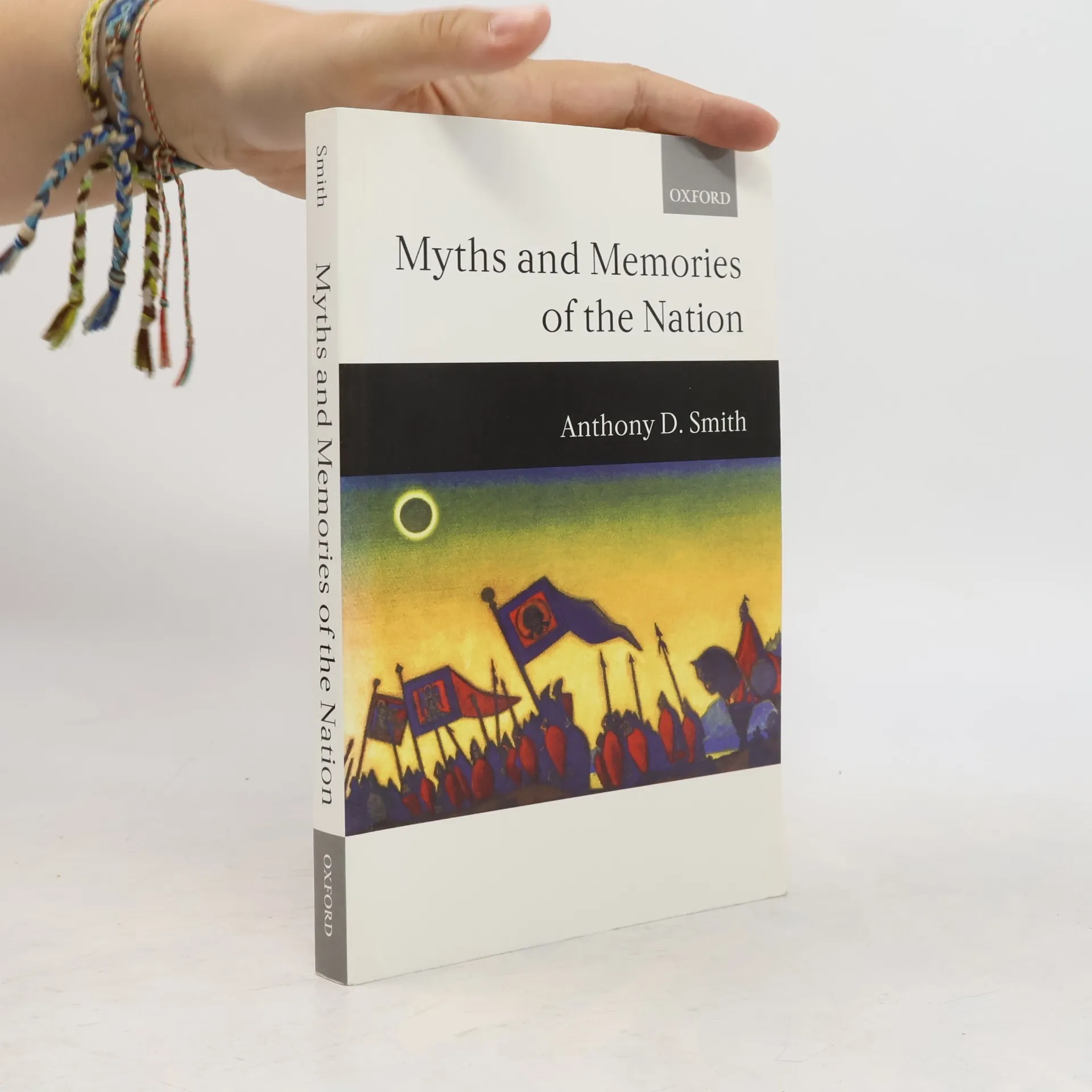

Myths and Memories of the Nation
- 298 pages
- 11 hours of reading
Focusing on the relationship between nationality and ethnic conflict, this book explores how national myths, memories, and symbols shape individual identities. It delves into the profound emotional connections people have with their nations and examines the enduring nature of national identities in contemporary society. Through this lens, it addresses the complexities of ethnic attachment and the ongoing relevance of nations in a world marked by rising tensions.
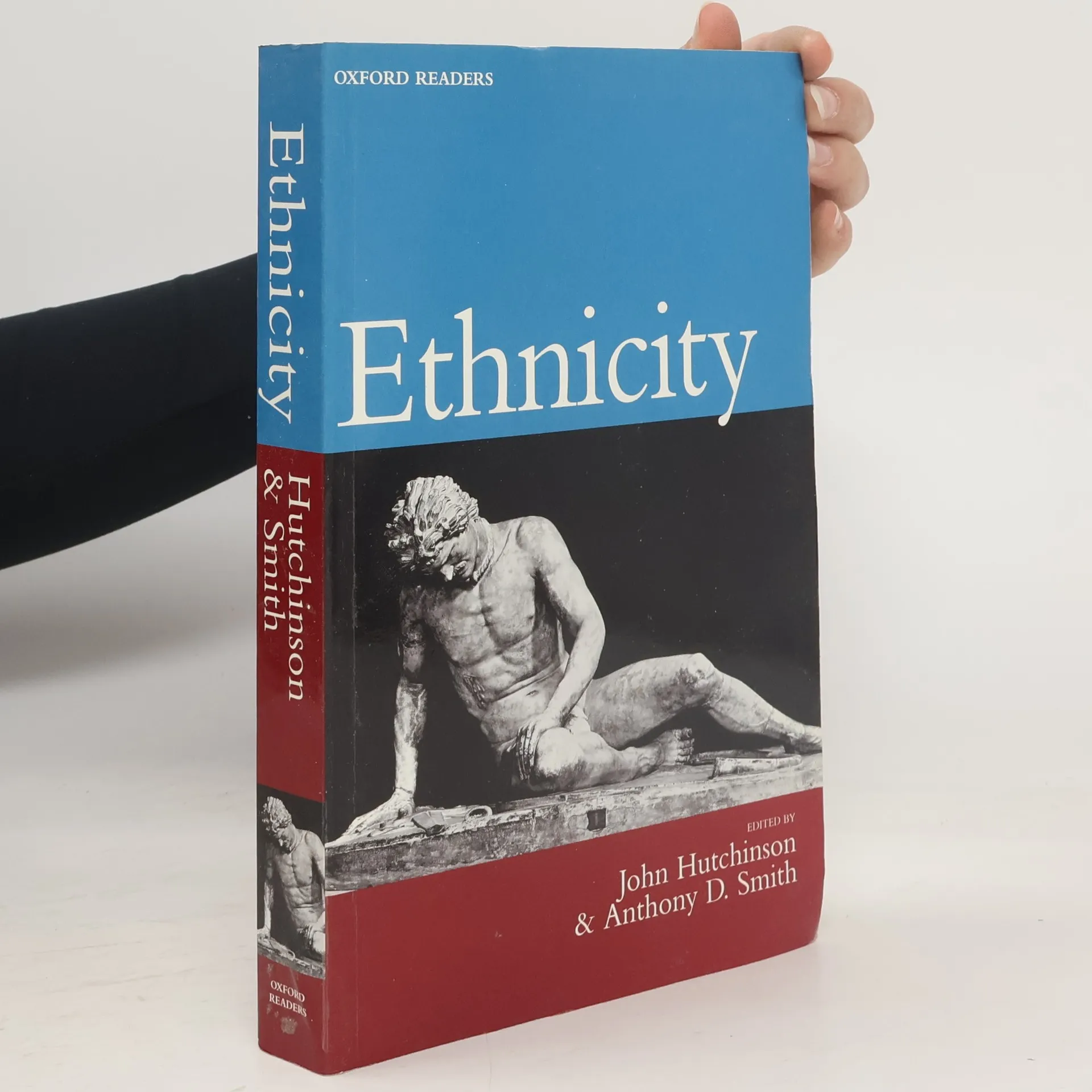
Ethnicity
- 448 pages
- 16 hours of reading
Although the term 'ethnicity' is recent, the sense of kinship, group solidarity, and common culture to which it refers is as old as the historical record: ethnic communities have been present in every period and continent. Ethnic identity is often associated with conflict, particularly with political struggles in various parts of the world, but there is no essential connection between ethnicity and conflict. So why is the nature of ethnicity so contentious? Can ethnic conflict ever be resolved? This Oxford Reader includes extracts by all the major contributors to debates on this important concept.
For the last two centuries, nationalism has been a central feature of society and politics. Few ideologies can match its power and resonance and no other symbolic language has such worldwide appeal and resilience. However, nationalism is more than an ideological movement - it is also a form of public culture which draws on much older cultural and symbolic forms.This book provides a concise, accessible introduction to the concept of nationalism. It focuses on competing paradigms and theories of nations and nationalism, and analyses the subject in terms of ideology, theory and history.The approach is broadly comparative and interdisciplinary, with concrete examples and a time-scale stretching from the ancient world to the contemporary global age. The book concludes with an assessment of the prospects of nationalism and of the transcendence of nations and nation states.Anthony Smith's book will appeal to all those interested in this dynamic subject, including students and scholars of anthropology, sociology, history, politics and international relations.
National Identity
- 227 pages
- 8 hours of reading
National identity is often cited as a major contributing factor to many of the world's worst trouble spots, for example Palestinians versus Jews in Israel, the troubles in Afghanistan, Kurdistan, Bangladesh, Armenia and Tibet. This book addresses the issue of why national identity is so important. It examines how it differs from racial, ethnic and regional identity and how it originated in both the West and the Third World. The relationship between national identity and language is shown by the author to be important, but crucial to an enduring sense of national identity is religion and it capacity to separate groups of people.
Nationalism in the Twentieth Century
- 257 pages
- 9 hours of reading
Book by Smith, Anthony D.