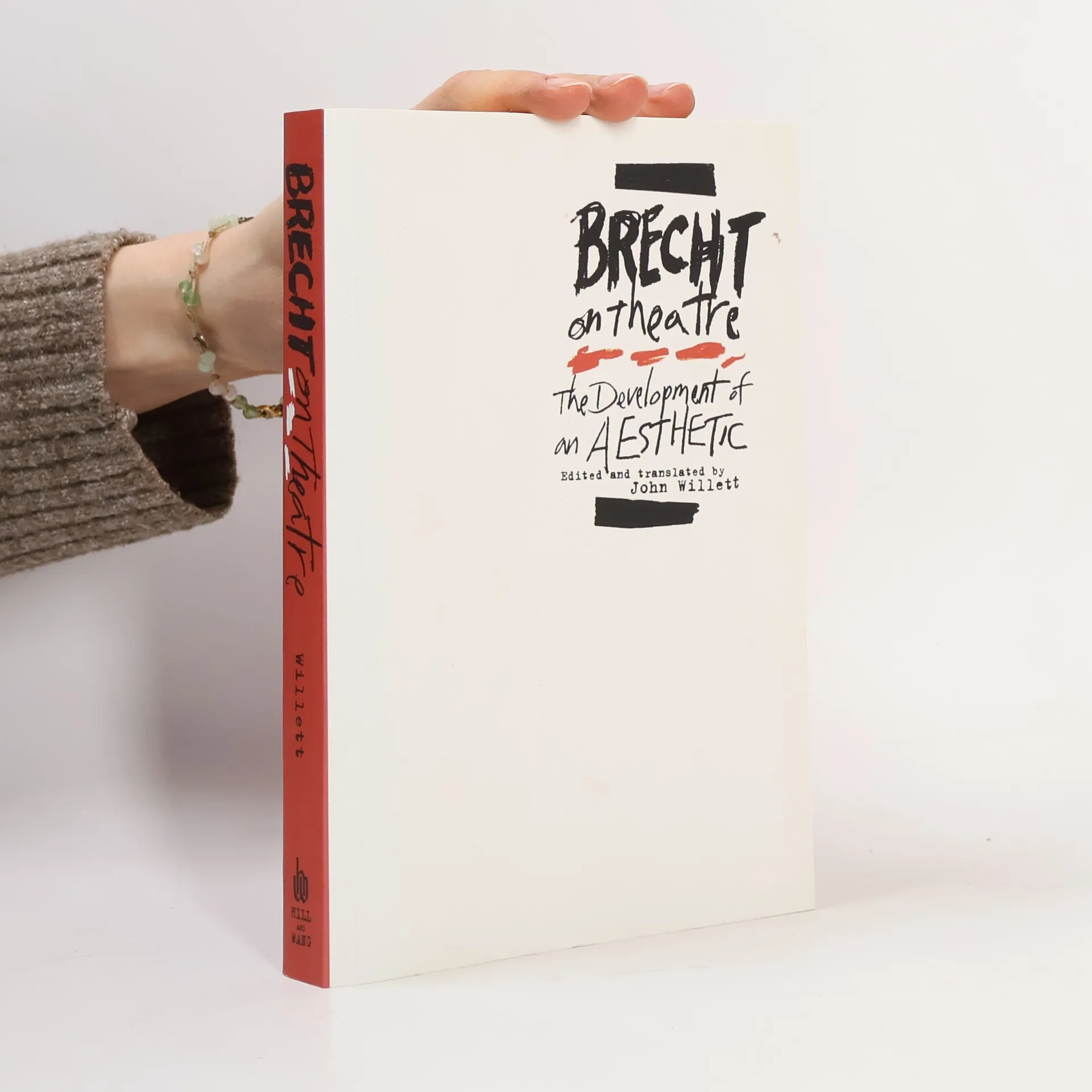
This volume offers a major selection of Bertolt Brecht's groundbreaking critical writing. Here, arranged in chronological order, are essays from 1918 to 1956, in which Brecht explores his definition of the Epic Theatre and his theory of alienation-effects in directing, acting, and writing, and discusses, among other works, The Threepenny Opera, Mahagonny, Mother Courage, Puntila, and Galileo . Also included is "A Short Organum for the Theatre," Brecht's most complete exposition of his revolutionary philosophy of drama. Translated and edited by John Willett, Brecht on Theater is essential to an understanding of one of the twentieth century's most influential dramatists.
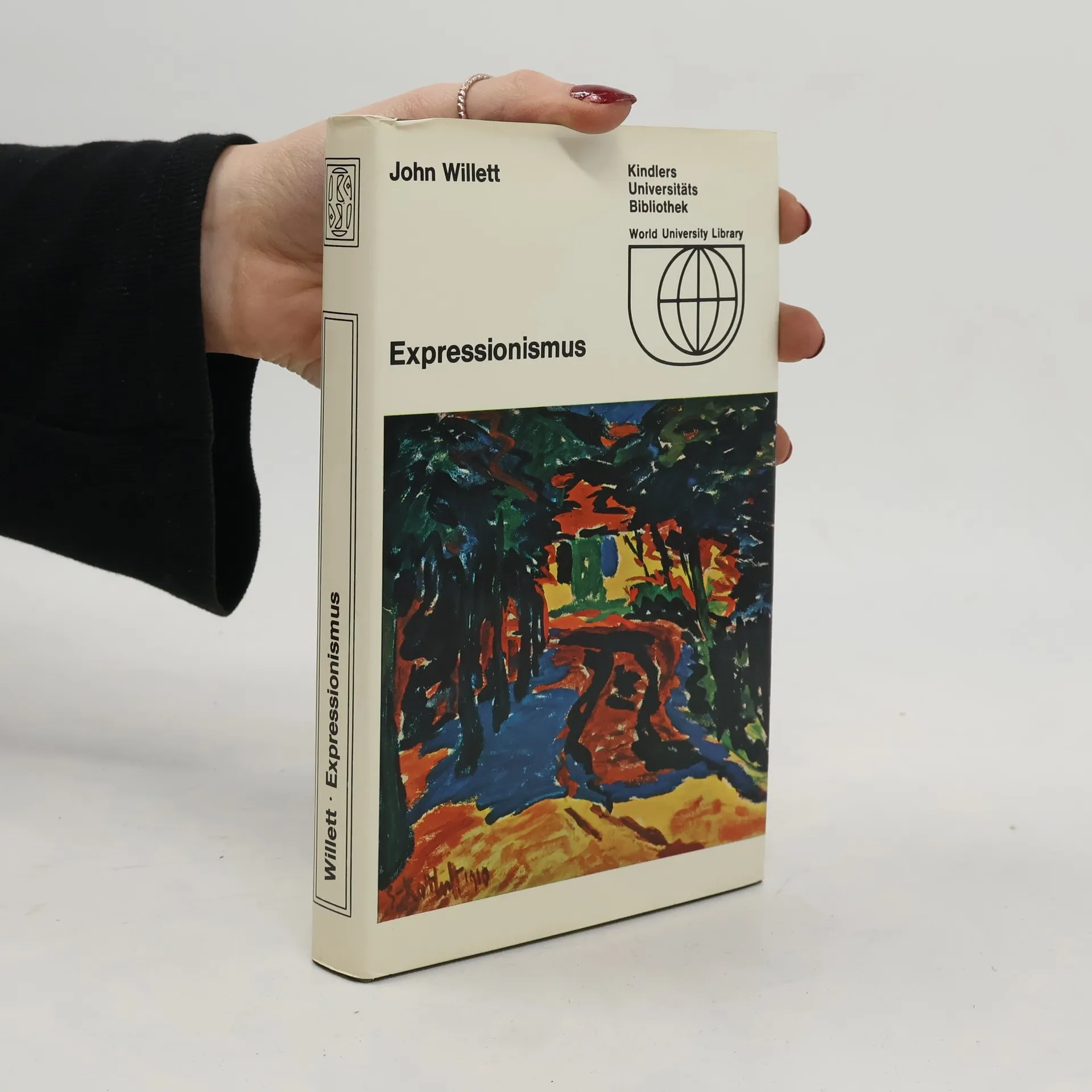
John Willett Books
June 24, 1917 – August 20, 2002
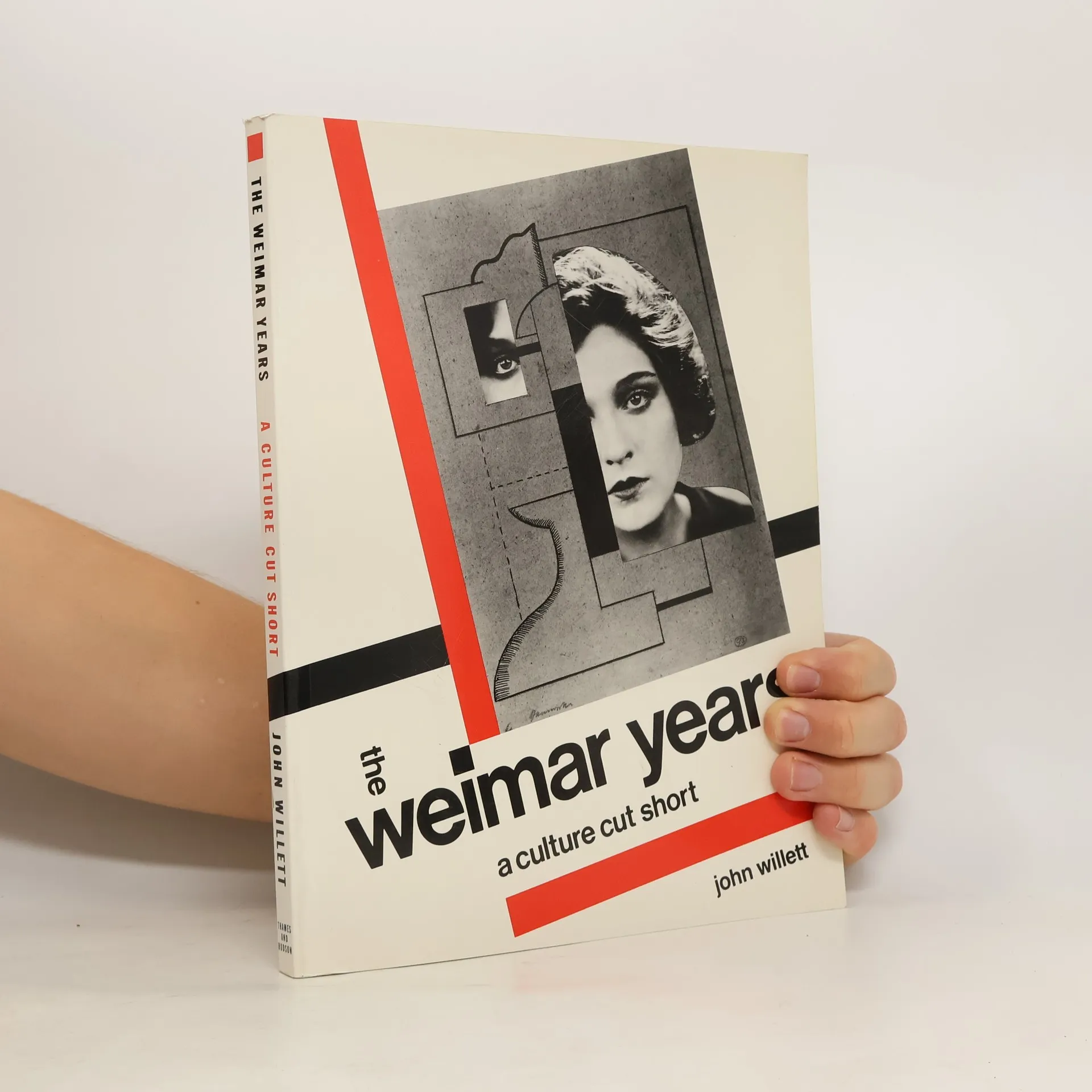

The period between the end of World War I and Hitler's ascension to power witnessed an unprecedented cultural explosion that embraced the whole of Europe but was, above all, centered in Germany. Germany housed architect Walter Gropius and the Bauhaus movement; playwrights Bertolt Brecht and Erwin Piscator; artists Hans Richter, George Grosz, John Heartfield, and Hannah Hoch; composers Paul Hindemith, Arnold Schonberg, and Kurt Weill; and dozens of others. In Art and Politics in the Weimar Period , John Willett provides a brilliant explanation of the aesthetic and political currents which made Germany the focal point of a new, down-to-earth, socially committed cultural movement that drew a significant measure of inspiration from revolutionary Russia, left-wing social thought, American technology, and the devastating experience of war.
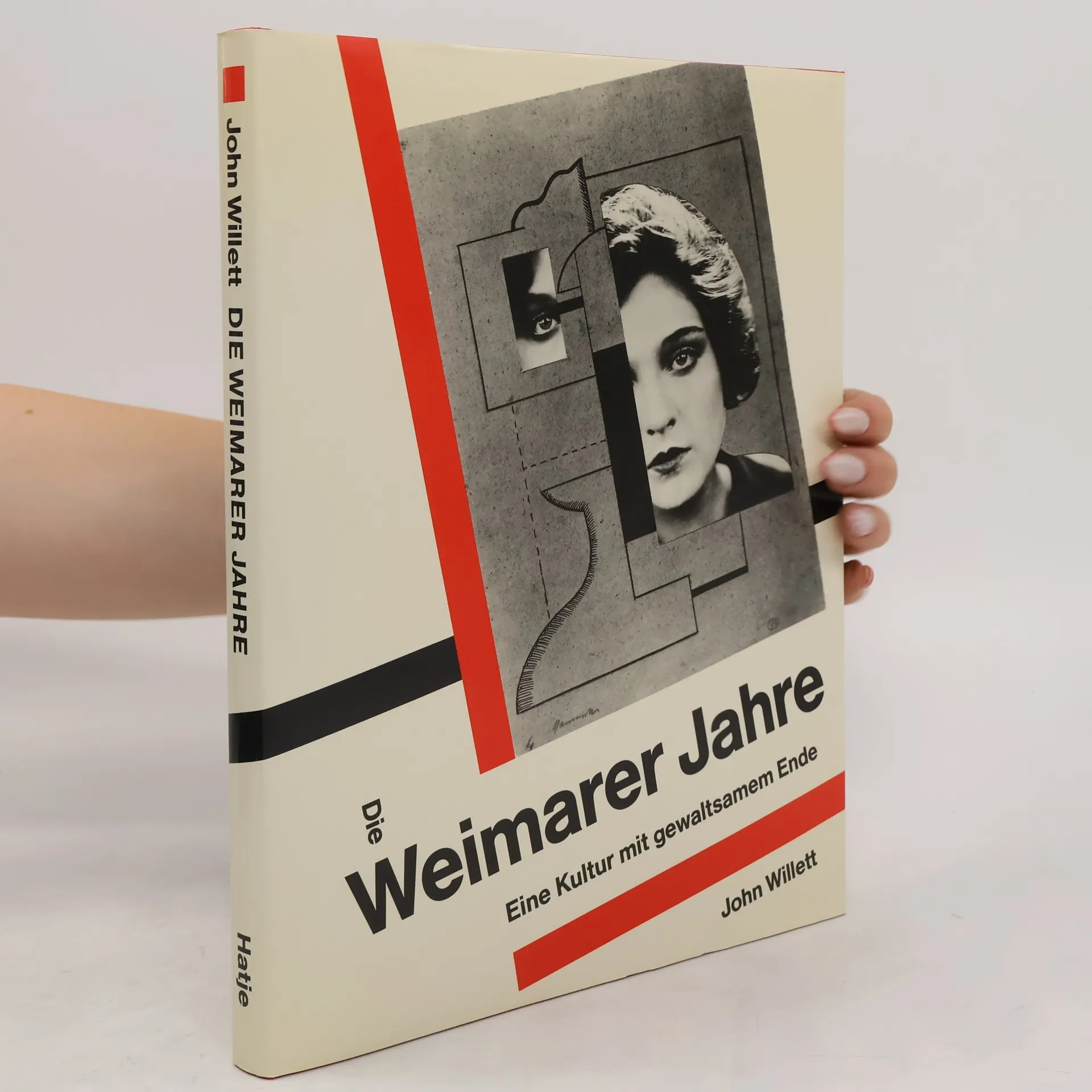
The Weimar Years
- 160 pages
- 6 hours of reading
A visual history of this intriguing artistic period, featuring work by Dix, Grosz, Heartfield, Brecht, and more.
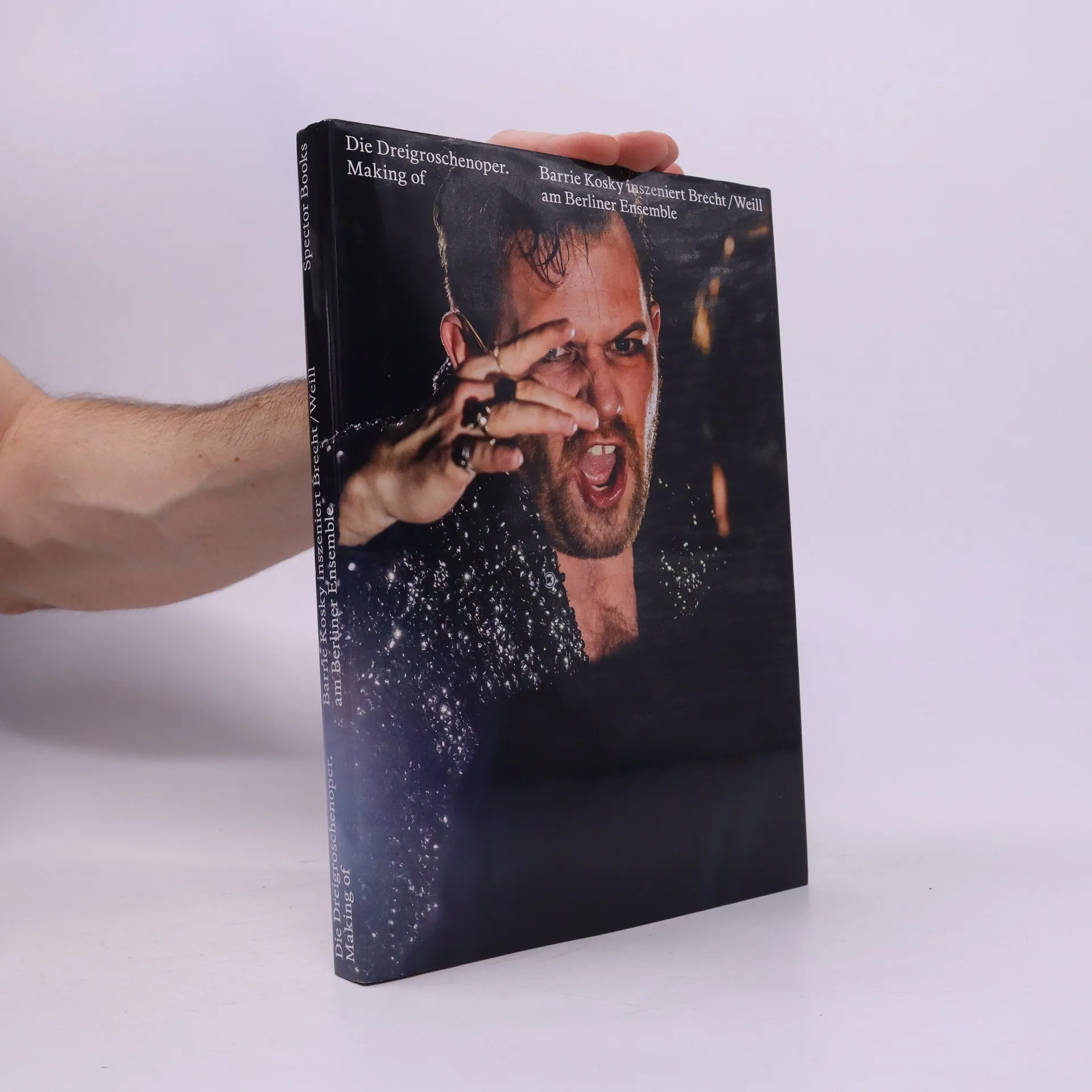
One of Bertolt Brecht's best-loved and most performed plays, The Threepenny Opera was first staged in 1928 at the Theater am Schiffbauerdamm, Berlin (now the home of the Berliner Ensemble). Based on the eighteenth-century The Beggar's Opera by John Gay, the play is a satire on the bourgeois society of the Weimar Republic, but set in a mock-Victorian Soho. With Kurt Weill's music, which was one of the earliest and most successful attempts to introduce the jazz idiom into the theatre, it became a popular hit throughout the western world. This new edition is published here in John Willett and Ralph Manhein's classic translation with commentary and notes by Anja Hartl.
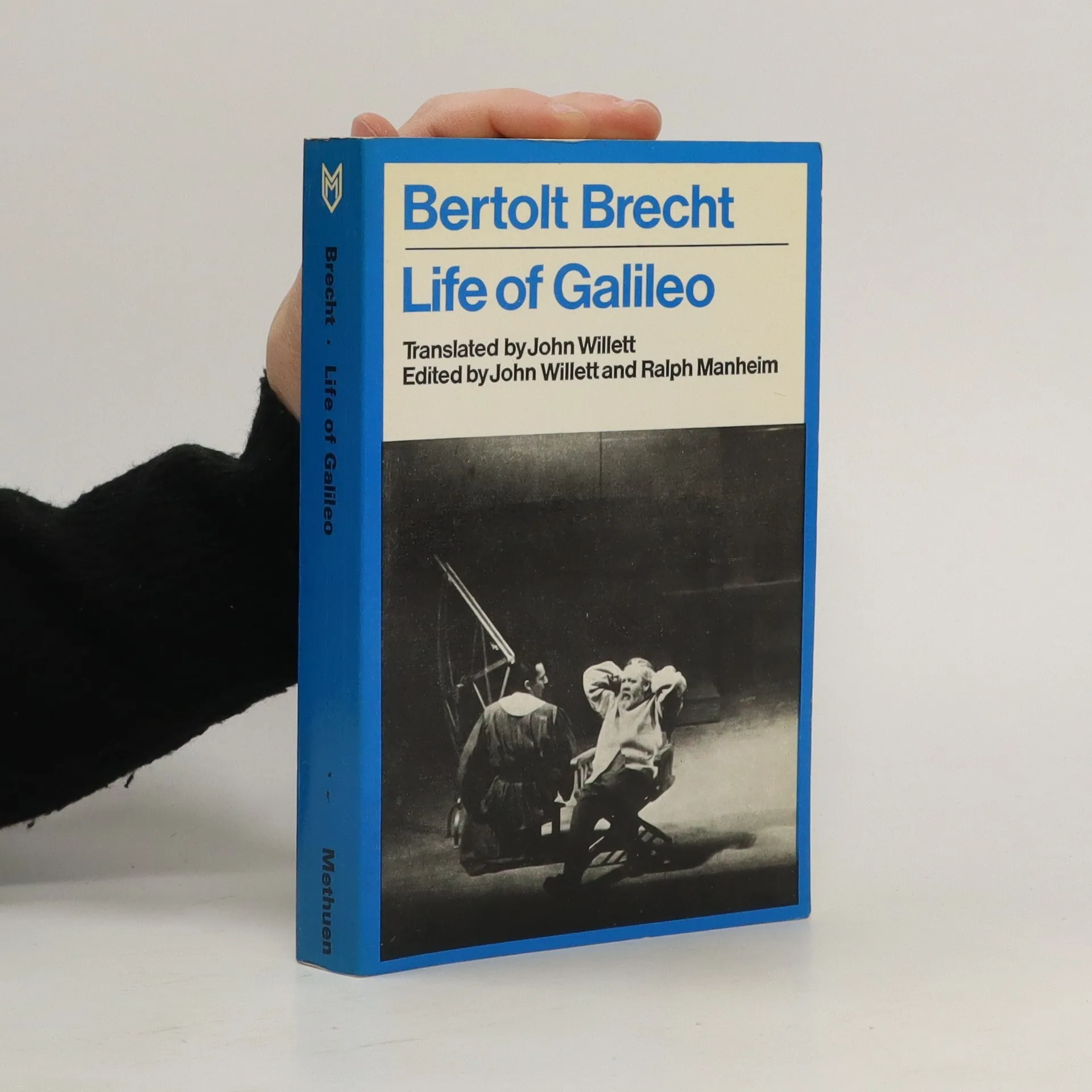
This play depicts the Renaissance scientist Galilei Galileo in a brutal struggle for freedom from authoritarian dogma. Unable to resist his appetite for scientific investigation, Galileo comes in conflict with the Inquisition and must publicly abjure his theories. schovat popis
Mother Courage and Her Children
- 176 pages
- 7 hours of reading
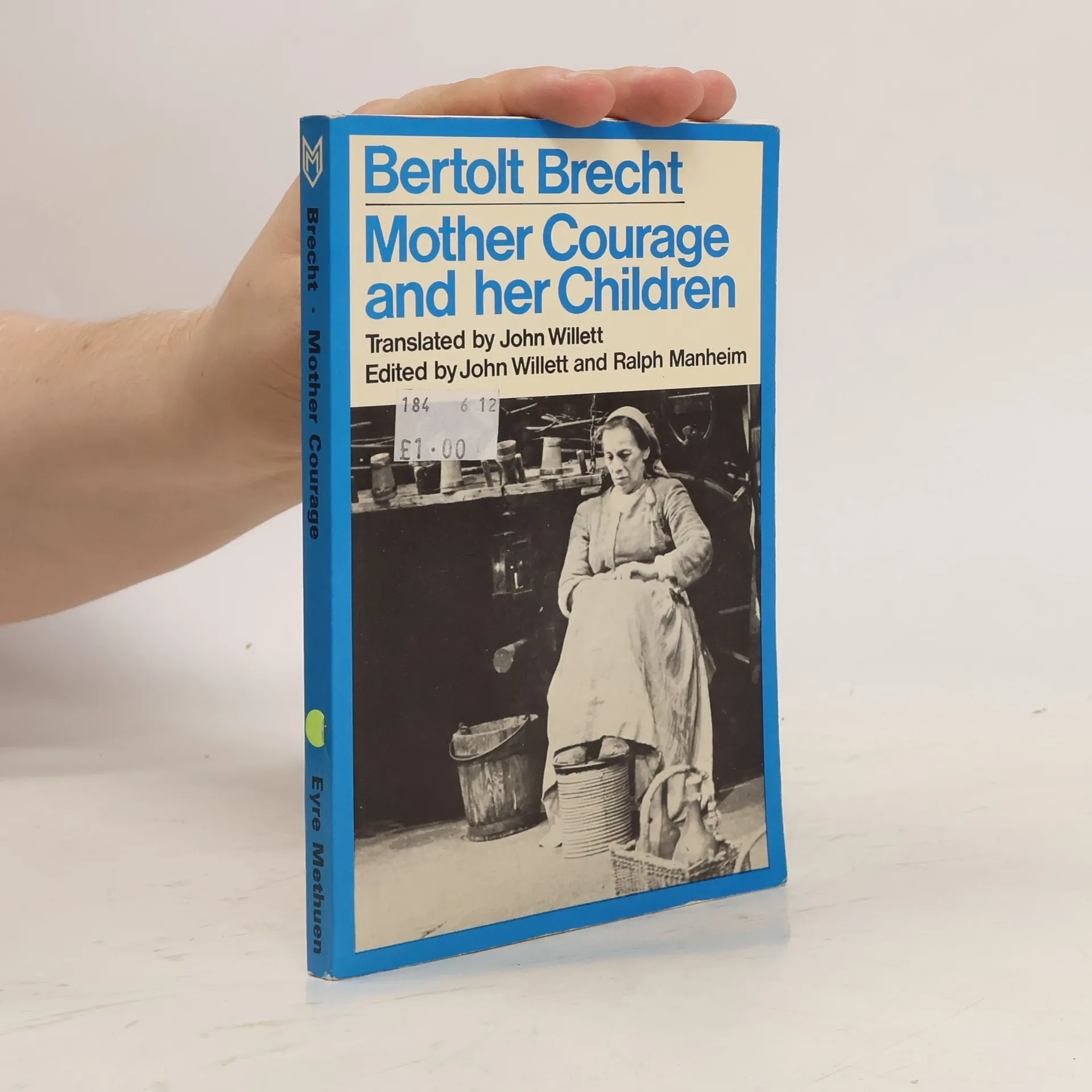
Widely considered one of the great dramatic creations of the modern stage, "Mother Courage and Her Children" is Bertolt Brecht's most passionate and profound statement against war. Set in the seventeenth century, the play follows Anna Fierling -- "Mother Courage" -- an itinerant trader, as she pulls her wagon of wares and her children through the blood and carnage of Europe's religious wars. Battered by hardships, brutality, and the degradation and death of her children, she ultimately finds herself alone with the one thing in which she truly believes -- her ramshackle wagon with its tattered flag and freight of boots and brandy. Fitting herself in its harness, the old woman manages, with the last of her strength, to drag it onward to the next battle. In the enduring figure of Mother Courage, Bertolt Brecht has created one of the most extraordinary characters in the literature of drama.
Die Weimarer Jahre
- 160 pages
- 6 hours of reading