

The global spread of English has had widespread linguistic, social and cultural implications, affecting the lives of millions of people around the world. This textbook provides a lively and accessible introduction to world Englishes, describing varieties used in places as broad-ranging as America, Jamaica, Australia, Africa and Asia, and setting them within their historical and social contexts. Students are guided through the material with chapter previews and summaries, maps, timelines, lists of key terms, discussion questions and exercises, and a comprehensive glossary, helping them to understand, analyse and compare different varieties of English, and apply descriptive terminology. The book is accompanied by a useful web site, containing textual and audio examples of the varieties introduced in the text, and links to related sources of interest. Providing essential knowledge and skills for those embarking on the study of world Englishes, this is set to become the leading introduction to the subject
Edgar W. Schneider Books


Exploring the global evolution of postcolonial English, this book examines its spread and diversification across various regions. It delves into the linguistic, cultural, and social factors that have influenced its development, highlighting the unique adaptations and variations that have emerged in different contexts. The work offers insights into the complexities of language in postcolonial societies, making it a valuable resource for understanding the interplay between language, identity, and power in a globalized world.
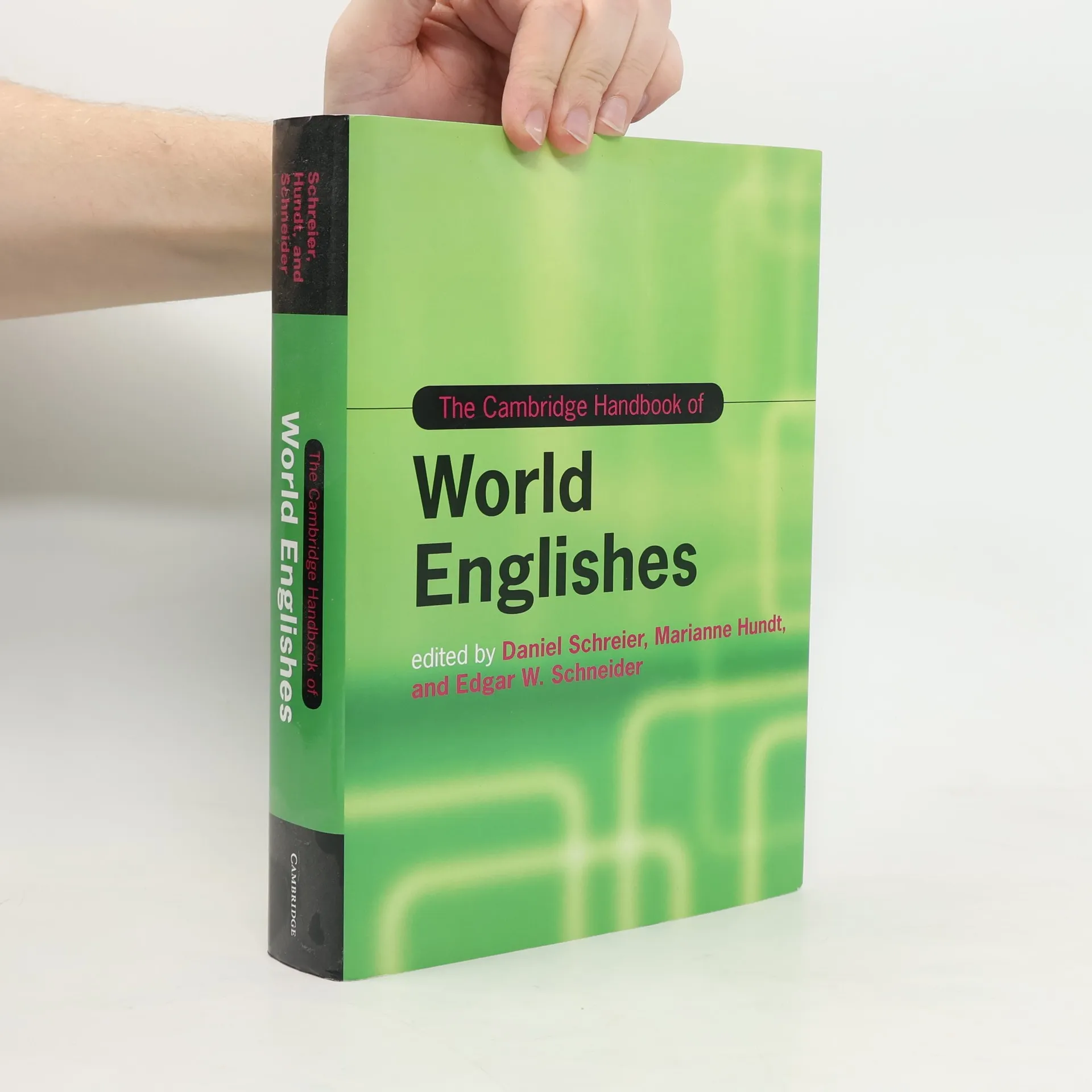
Cambridge Handbooks in Language and Linguistics: The Cambridge Handbook of World Englishes
- 728 pages
- 26 hours of reading
The plural form 'Englishes' conveys the diversity of English as a global language, pinpointing the growth and existence of a large number of national, regional and social forms. The global spread of English and the new varieties that have emerged around the world has grown to be a vast area of study and research, which intersects multiple disciplines. This Handbook provides a comprehensive and authoritative survey of World Englishes from 1600 to the present day. Covering topics such as variationist sociolinguistics, pragmatics, contact linguistics, linguistic anthropology, corpus- and applied linguistics and language history, it combines discussion of traditional topics with a variety of innovative approaches. The chapters, all written by internationally acclaimed authorities, provide up-to-date discussions of the evolution of different Englishes around the globe, a comprehensive coverage of different models and approaches, and some original perspectives on current challenges.