

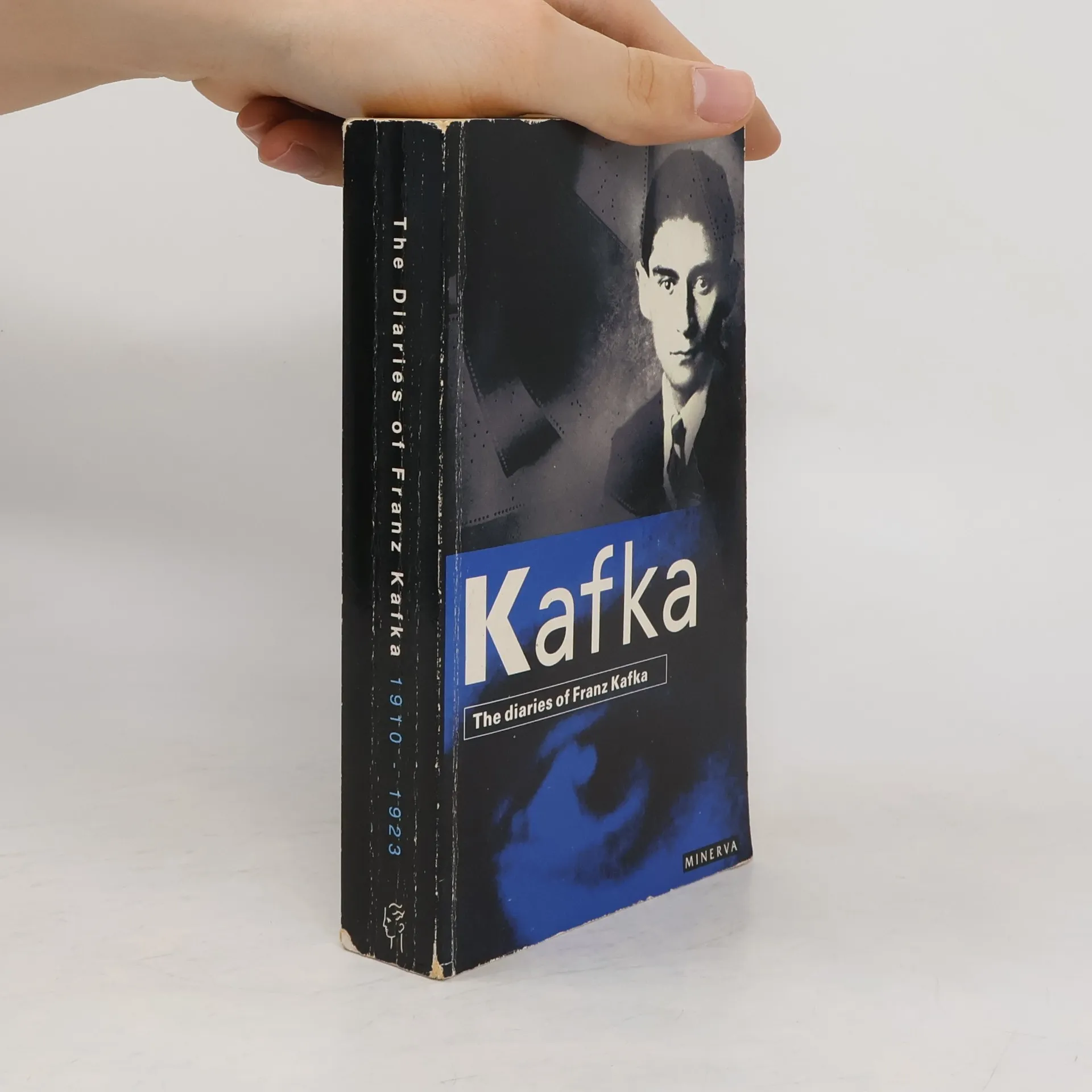
Kafka's diaries cover the period from 1910 to 1923 and reveal the inner world in which he lived. He describes his fear, isolation and frustration, his feelings of guilt and his sense of being an outcast. He also describes the father he worshipped and the woman he could not bring himself to marry.
Benjamin Rosso Books
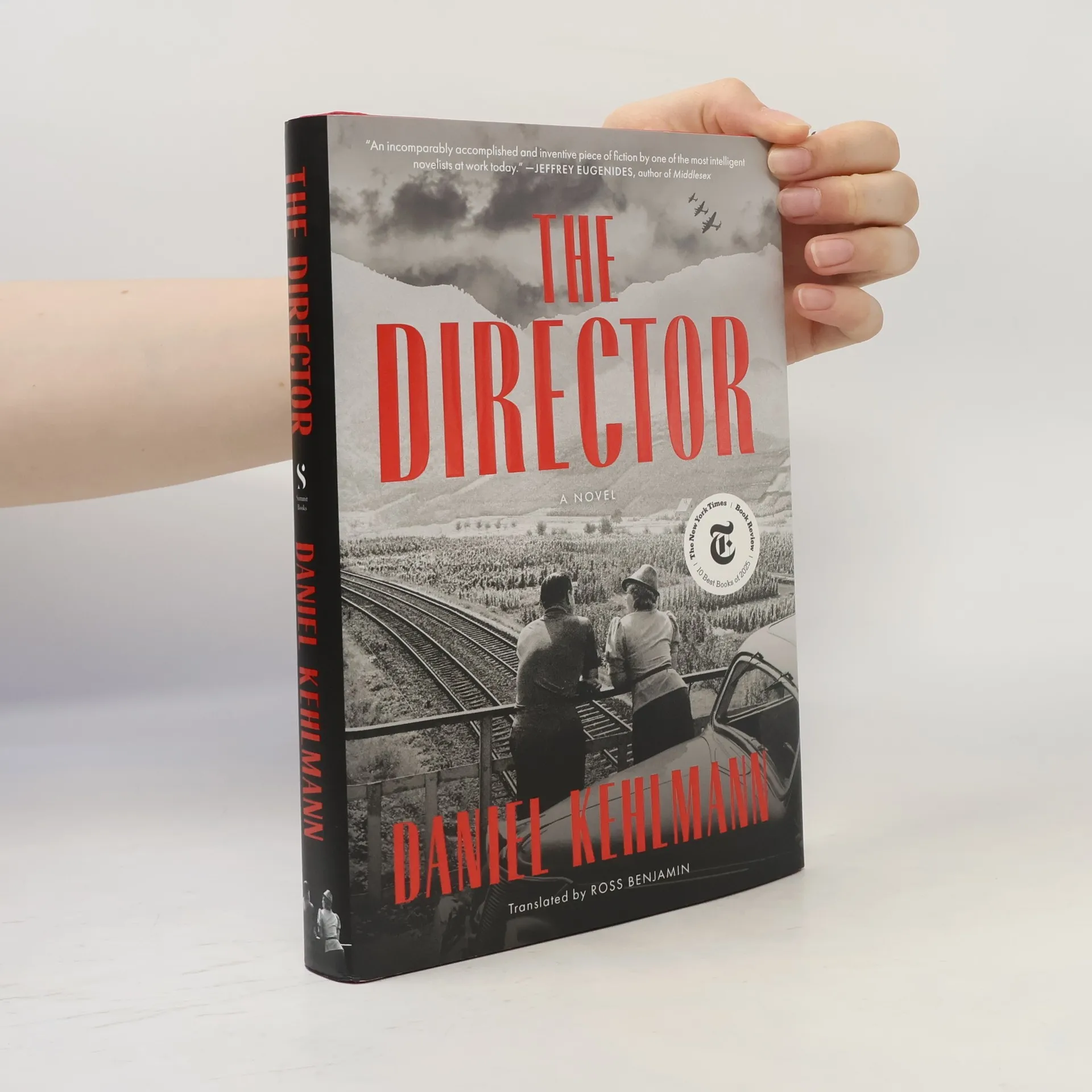
The Director
- 352 pages
- 13 hours of reading
"G.W. Pabst, one of cinema's greatest directors of the 20th century, was filming in France when the Nazis seized power. To escape the horrors of the new and unrecognizable Germany, he fled to Hollywood. But now, under the blinding California sun, the world-famous director suddenly looks like a nobody. Not even Greta Garbo, the Hollywood actress whom he made famous, can help him. When he receives word that his elderly mother is ill, he finds himself back in his homeland of Austria, which is now called Ostmark. Pabst, his wife, and his young son are suddenly confronted with the barbaric nature of the regime. So, when Joseph Goebbels--the minister of propaganda in Berlin--sees the potential for using the European film icon for his directorial genius and makes big promises to Pabst and his family, Pabst must consider Goebbels's thinly veiled order"--
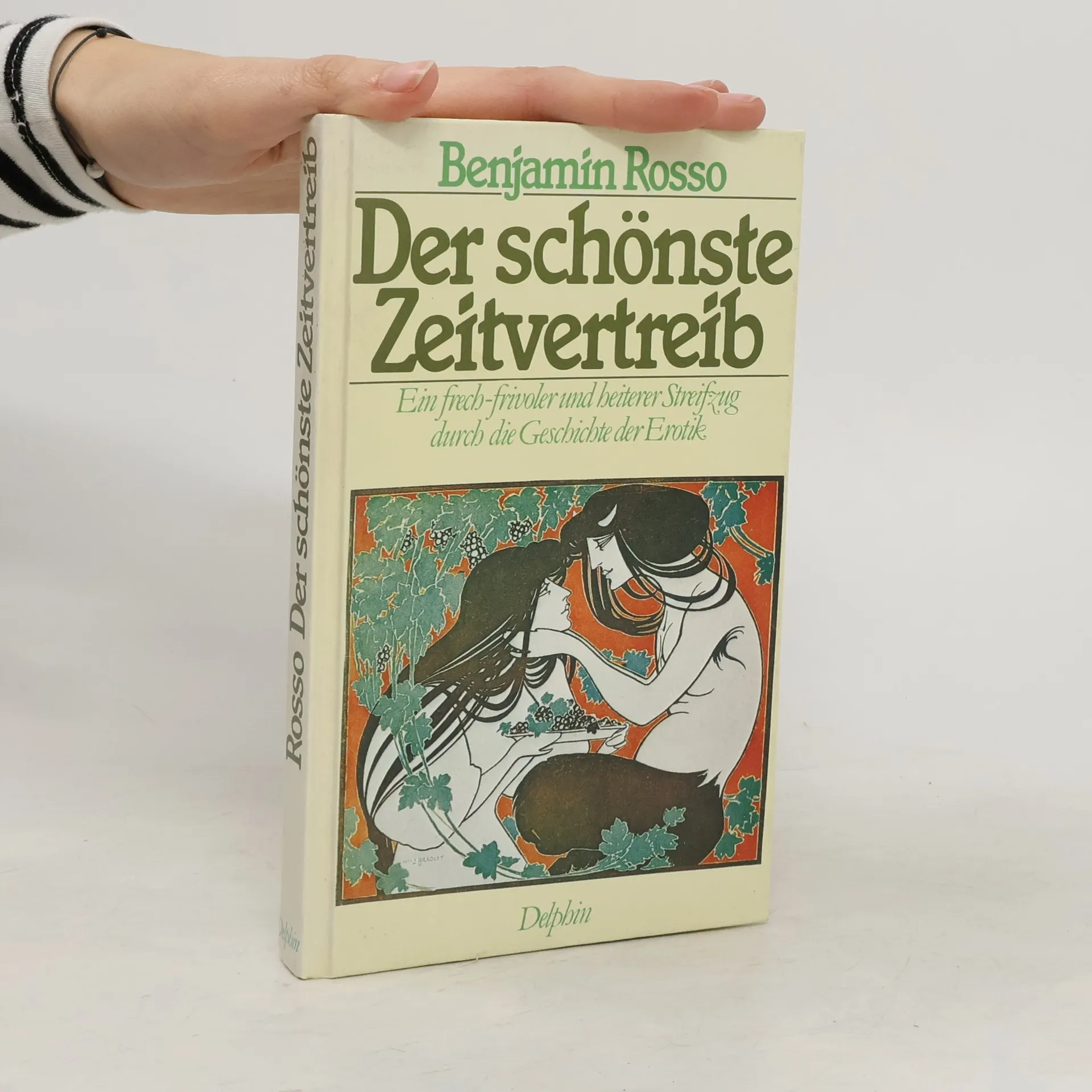
Der schönste Zeitvertreib
- 239 pages
- 9 hours of reading