Angela Stent offers astute insights into Russian and Eurasian affairs, drawing from her extensive academic and intelligence background. Her writing delves into the intricate nature of international partnerships, particularly examining the complexities of relations between major global powers. Stent's work illuminates the strategic considerations and historical currents that shape contemporary geopolitics. Readers seeking a nuanced understanding of global diplomacy will find her analysis particularly compelling.
In this revised version that includes an exclusive new chapter on the Russia-
Ukraine war, renowned foreign policy expert Angela Stent examines how Putin
created a paranoid and polarized world-and increased Russia's status on the
global stage.
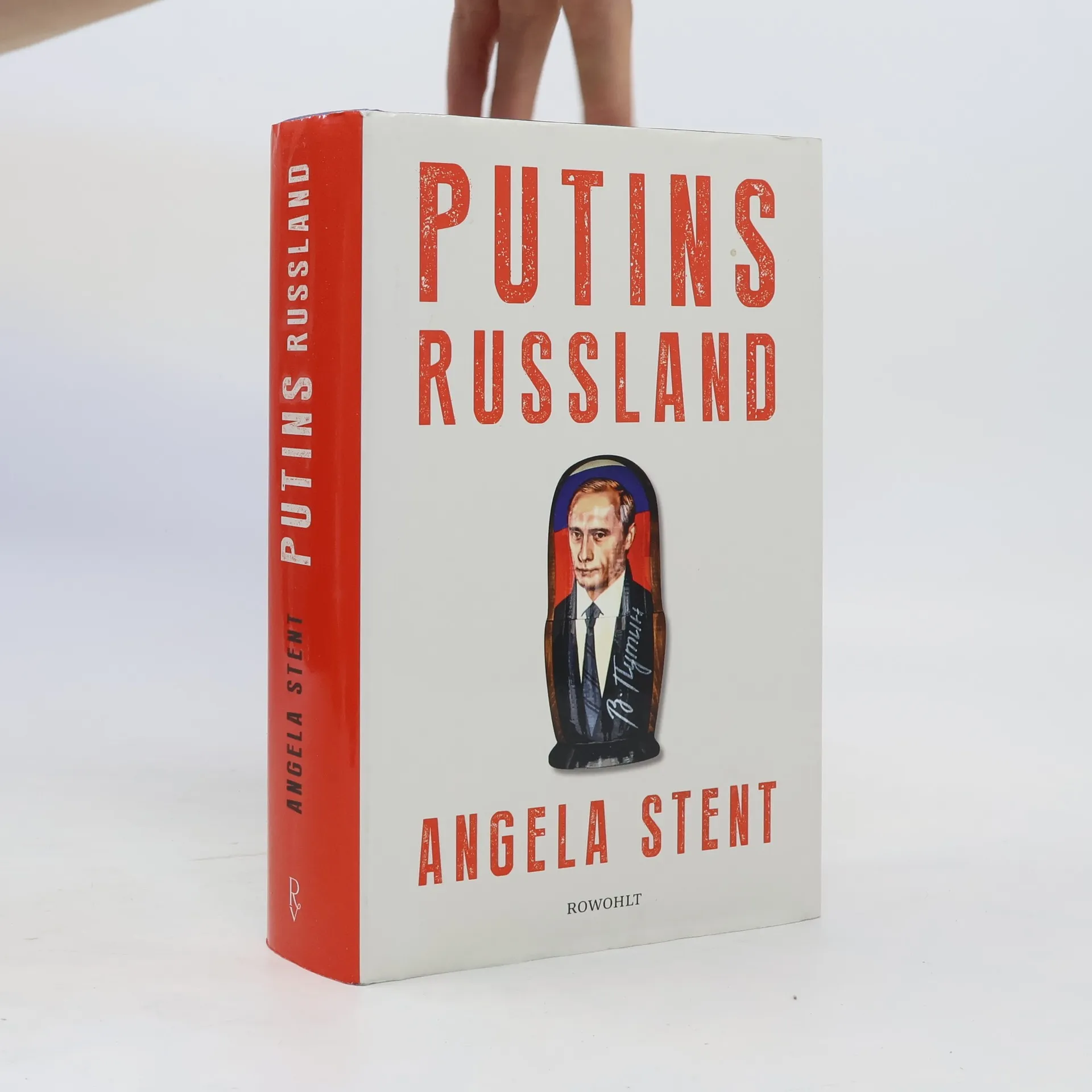
Wladimir Putin lässt Kritiker ermorden, er erobert erst die Krim und facht mitten in Europa einen Krieg an. Russland ist unter diesem Präsidenten zu einer Gefahr für den Rest der Welt geworden und zu einem Schurkenstaat. Mit seinem Angriff auf die Ukraine fordert Putin den Westen heraus - und gleichzeitig gibt es im Land weit und breit niemanden, der ihm politisch gefährlich werden könnte. Die amerikanische Politologin Angela Stent fragt, warum sich die Erwartung des Westens nicht erfüllt und Russland sich seit dem Untergang der Sowjetunion nicht zu einer liberalen marktwirtschaftlichen Demokratie entwickelt hat. Und wie stattdessen ein KGB-Agent mittleren Rangs so mächtig werden konnte, so einflussreich und populär, dass sein autokratisches System inzwischen als bedrohliches Gegenmodell zur westlichen Demokratie wahrgenommen wird. Die Autorin beschäftigt sich als Wissenschaftlerin und Politikberaterin seit Jahrzehnten mit Russland und seinen Außenbeziehungen. Sie beschreibt in diesem Buch, wie Putin sein Land geprägt und verändert hat und wie sich unter ihm Russlands Beziehungen zum Westen, zu den USA, aber auch besonders zu Deutschland dramatisch verschlechtert haben. Auf dem Höhepunkt der von Putin ausgelösten Krisen wagt Stent gleichzeitig den Blick in die Zukunft: auf ein Russland ohne Wladimir Putin.
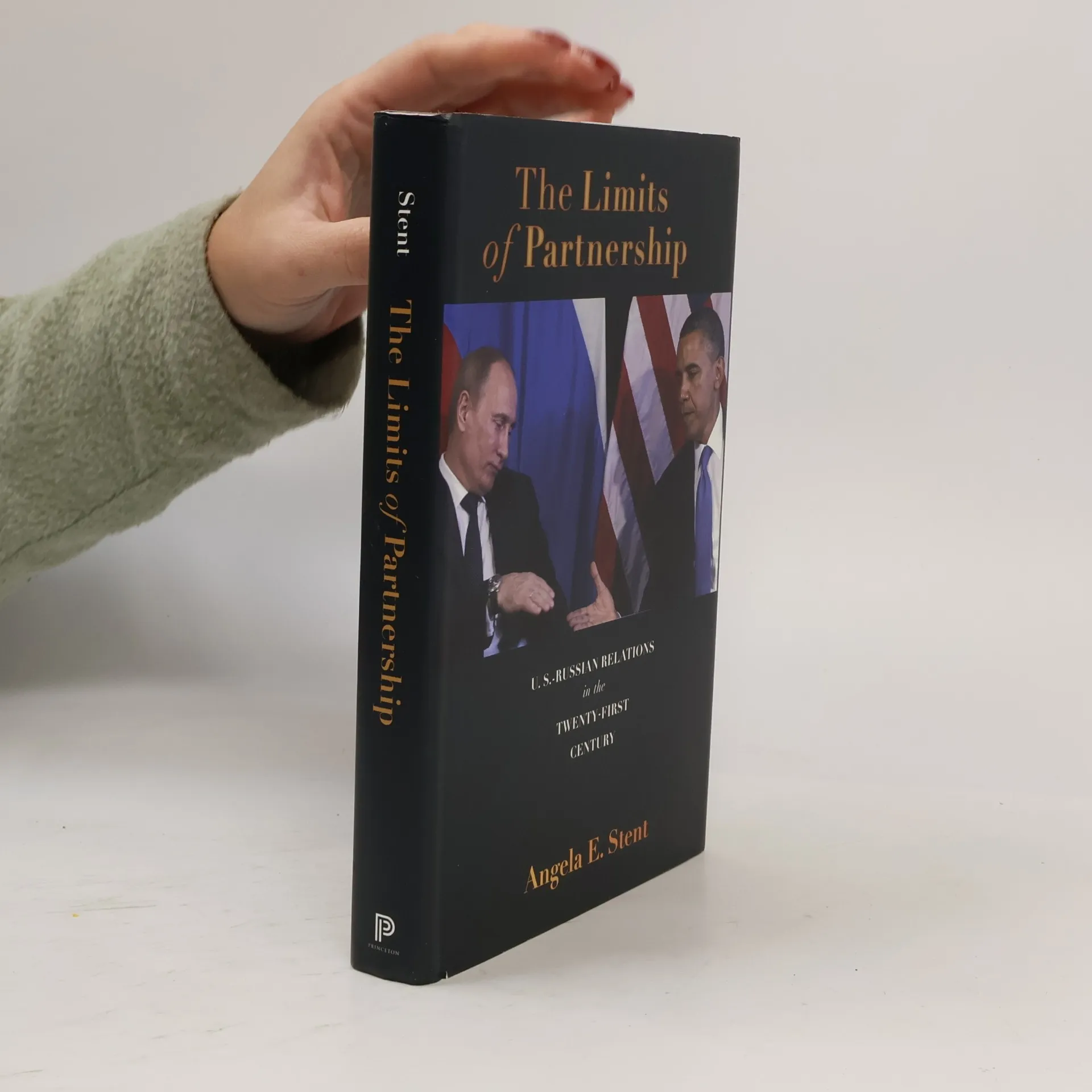
U.S.-Russian Relations in the Twenty-First Century
384 pages
14 hours of reading
This gripping account of U.S.-Russian relations since the Soviet Union's collapse offers a unique insider perspective from a leading expert. American presidents have sought to build a strong partnership but have faced deep-seated mistrust rooted in the Cold War. For the U.S., Russia remains a crucial focus due to its nuclear arsenal, strategic location, and influence on American interests. The narrative explores the persistent challenges in advancing this relationship and questions the prospects for future cooperation. Angela Stent, who advised on Russia under Bill Clinton and George W. Bush, highlights the ongoing contentious issues—terrorism, missile defense, Iran, nuclear proliferation, Afghanistan, and the greater Middle East—that have plagued every administration since the USSR's fall. Stent details how both Clinton and Bush invested in personal ties with Boris Yeltsin and Vladimir Putin, only to leave office with relations deteriorating. Barack Obama briefly improved ties, but these were later undermined by a resentful Putin regime. The text calls for a fundamental reassessment of U.S.-Russian relations and suggests a pathway to address the urgent challenges both nations face.
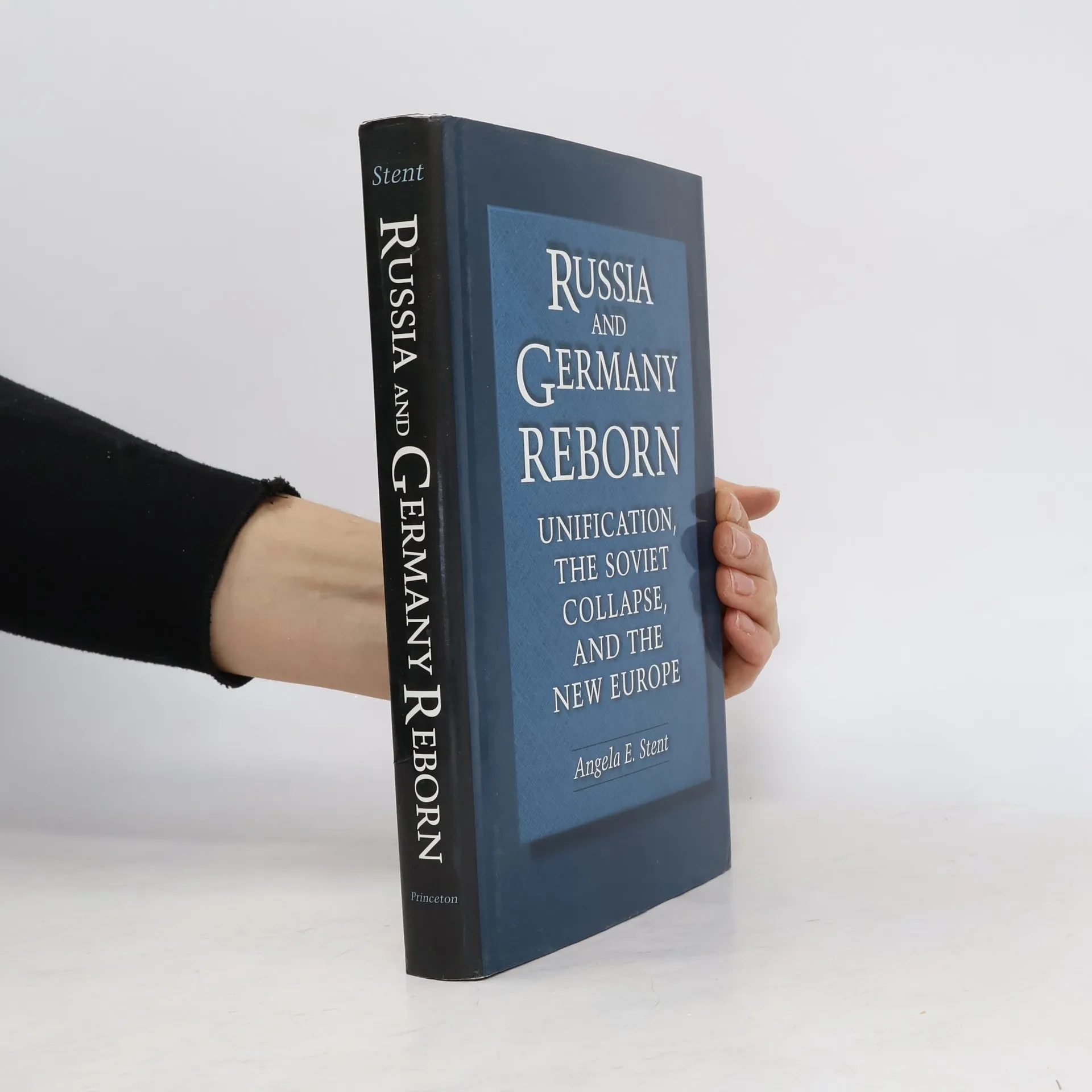
Unification, the Soviet Collapse, and the New Europe
300 pages
11 hours of reading
The relationship between Russia and Germany has been central to significant events in the twentieth century, including both World Wars, the Cold War, and the transformation of Europe post-communism. This book offers a comprehensive examination of the evolution of this complex and often tumultuous relationship from both Russian and German viewpoints. Angela Stent utilizes interviews with key figures, such as Mikhail Gorbachev, alongside insights from newly declassified East German archives and her deep understanding of the dynamics at play. She provides a thorough review of pivotal moments, including the onset of détente, German unification, the Soviet Union's collapse, and the emergence of a new European order. Stent highlights the chaotic and ambivalent Soviet negotiating strategies that ultimately led to a united Germany in NATO, despite Gorbachev's opposition. She illustrates how the interplay of German strength and Russian weakness has shaped the power dynamics between the two nations. The book also presents various potential futures for their relationship, ranging from optimistic to those overshadowed by the rise of authoritarianism. This work is essential for anyone interested in a relationship that significantly influenced the twentieth century and will continue to shape the future.