

The Conspiracy of Catiline is a historical monograph by Gaius Sallustius Crispus, detailing the 63 BC conspiracy led by Lucius Sergius Catilina, which aimed to establish a dictatorship in Rome and ultimately resulted in Catiline's death. Sallust views this conspiracy as indicative of the moral and social decay within the Roman ruling class, criticizing the corruption among senators. Written between 43 and 40 BC, the work has survived through medieval manuscripts under various titles, including Bellum Catilinae. The term "conspiracy" underscores Sallust's negative perspective on the events. The narrative structure is non-linear, alternating between factual accounts and digressions, which disrupts the continuity of the story. Following the Hellenistic monograph model, it includes a prologue, a character portrait, political digressions, and speech analyses. This work offers a cohesive perspective on Roman history during the Republic's final century, emphasizing the social and political context. Covering events from June 64 BC to January 62 BC, it culminates in the Battle of Pistoia and Catiline's demise. Amid a crisis for the Republic, various political factions emerged, with Catiline leading a diverse group of conspirators united by their contempt for the status quo.
Jürgen Blänsdorf Books

Interpretationsmethoden in der griechischen und römischen Philologie
- 474 pages
- 17 hours of reading
Die Untersuchung beleuchtet die Interpretationsmethoden der antiken Philologie, die darauf abzielten, die griechische und römische Literatur vor theologischer und moralischer Kritik zu schützen. Dabei werden die Beiträge griechischer Philosophen und Philologen vom 5. Jahrhundert v. Chr. bis zum Hellenismus sowie die römischen Philologen vom 2. Jahrhundert v. Chr. bis zum 5. Jahrhundert n. Chr. analysiert. Die Arbeit bietet einen tiefen Einblick in die Verteidigungsstrategien und die literarischen Diskurse dieser Epochen.
Essays zur lateinischen Literatur des Mittelalters und der Neuzeit
- 490 pages
- 18 hours of reading
Dieser Sammelband enthält 24 Essays, die aus Vorlesungen und Seminaren über lateinische Literatur des Mittelalters und der Renaissance entstanden sind. Die Themen wurden oft für Tagungen ausgearbeitet und umfassen Texte vom 9. bis zum beginnenden 20. Jahrhundert.
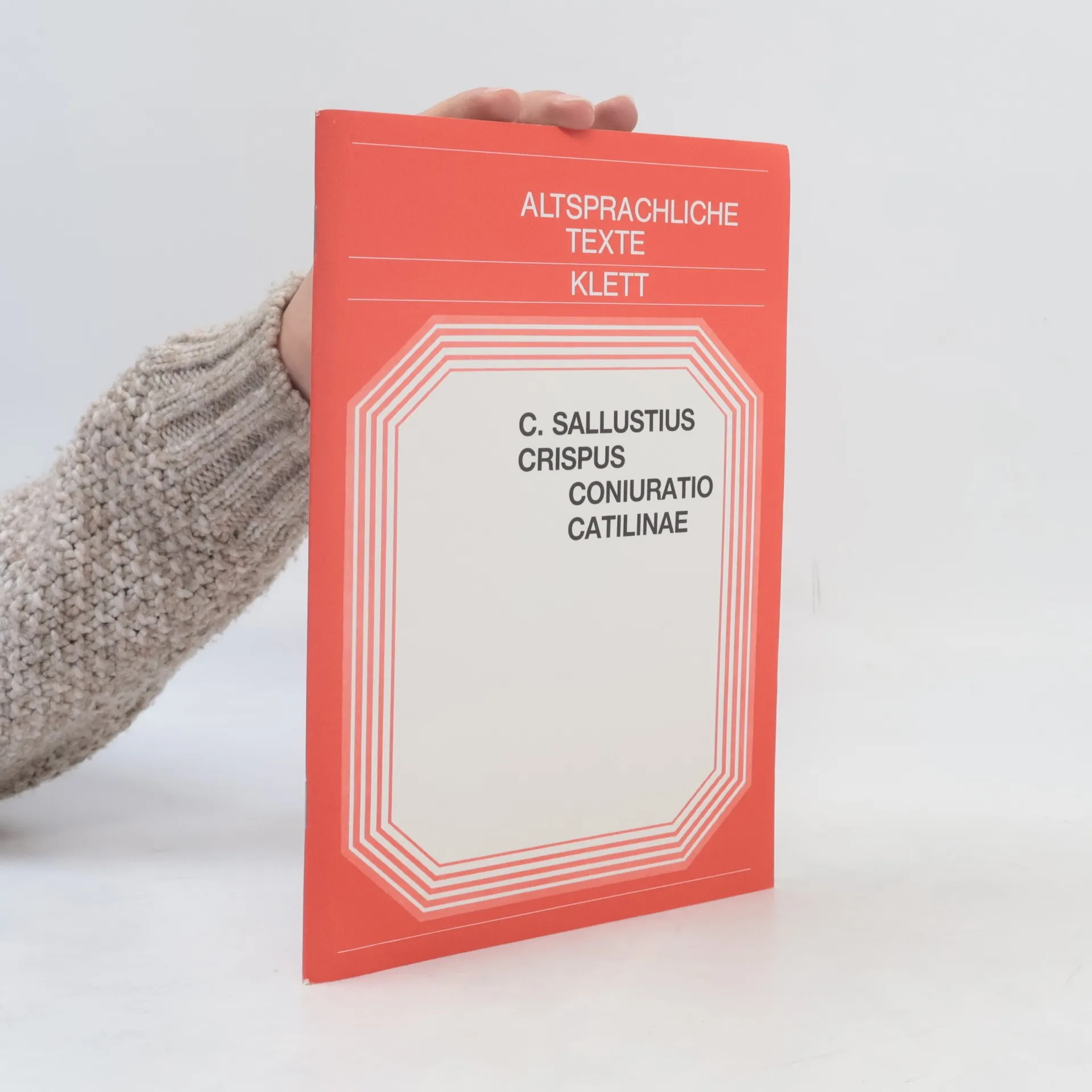
Coniuratio Catilinae, Tl.1-2, Text mit Worterläuterungen und Sacherläuterungen
- 49 pages
- 2 hours of reading