Siegfried Schaarschmidt Books

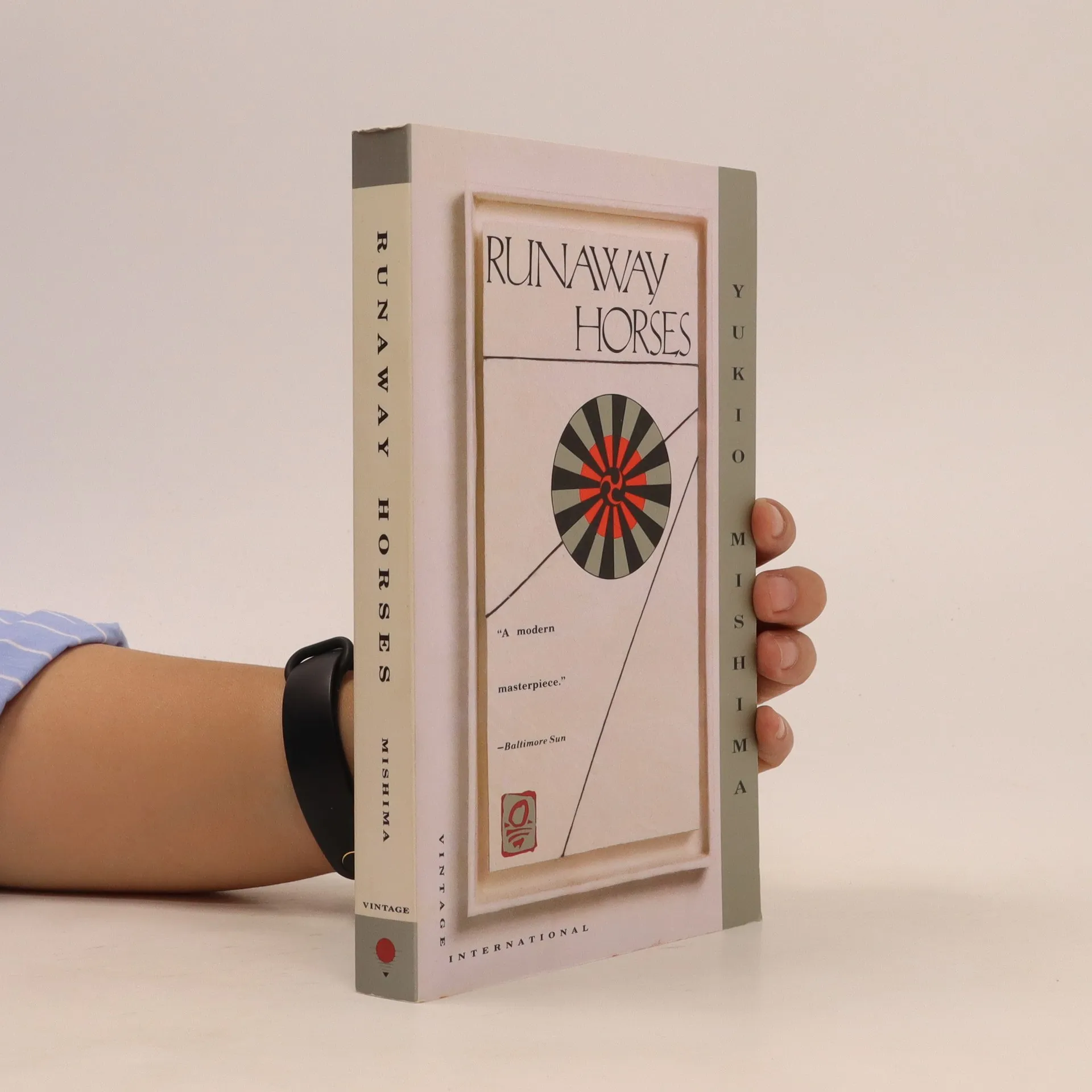
Runaway Horses
- 421 pages
- 15 hours of reading
Yukio Mishima’s Runaway Horses is the second novel in his masterful tetralogy, The Sea of Fertility. Again we encounter Shigekuni Honda, who narrates this epic tale of what he believes are the successive reincarnations of his childhood friend Kiyoaki Matsugae. In 1932, Shigeuki Honda has become a judge in Osaka. Convinced that a young rightist revolutionary, Isao, is the reincarnation of his friend Kiyoaki, Honda commits himself to saving the youth from an untimely death. Isao, driven to patriotic fanaticism by a father who instilled in him the ethos of the ancient samurai, organizes a violent plot against the new industrialists who he believes are usurping the Emperor’s rightful power and threatening the very integrity of the nation. Runaway Horses is the chronicle of a conspiracy — a novel about the roots and nature of Japanese fanaticism in the years that led to war.
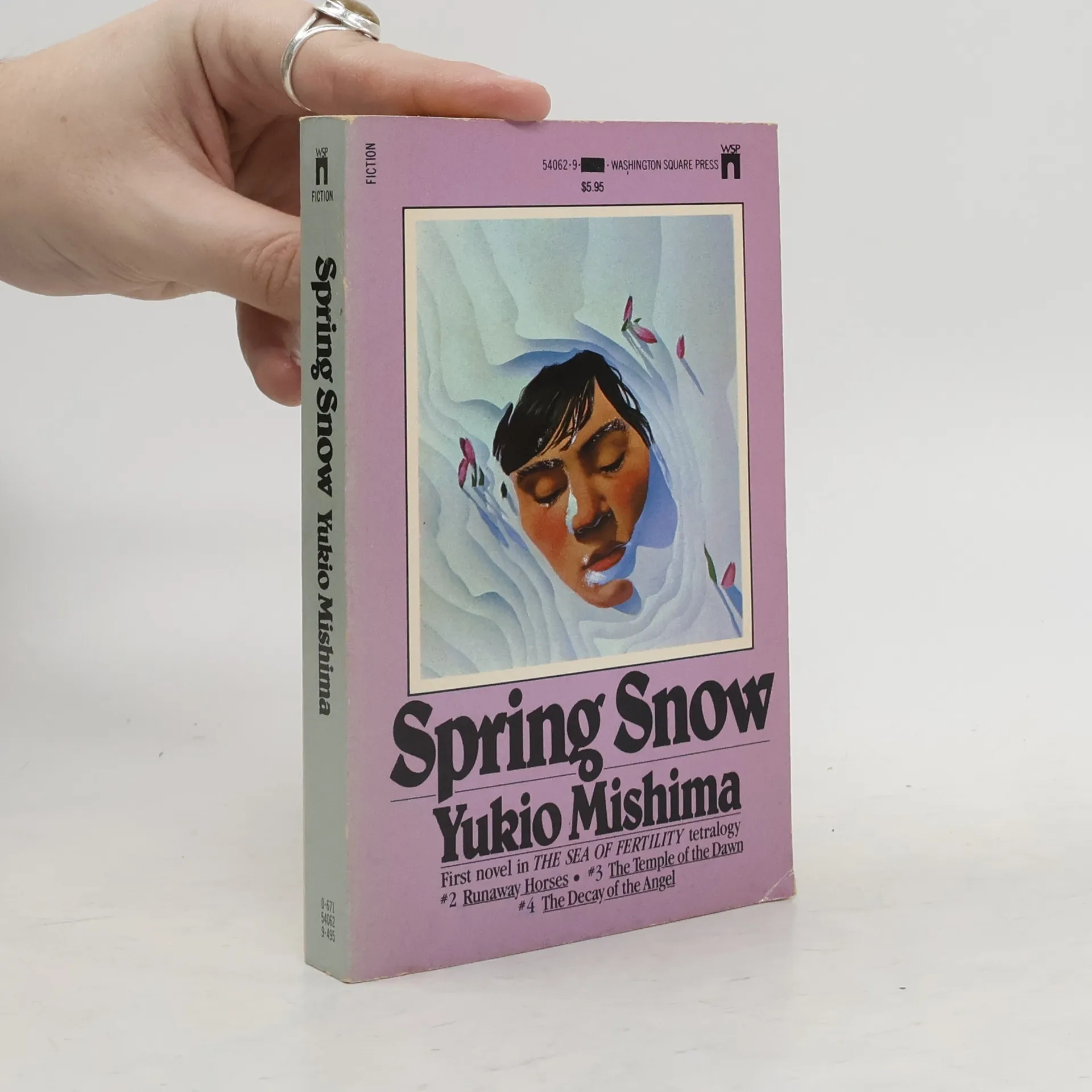
Spring Snow
- 376 pages
- 14 hours of reading
The first novel of Mishima's landmark tetralogy, The Sea of fertility Spring Snow is set in Tokyo in 1912, when the hermetic world of the ancient aristocracy is being breached for the first time by outsiders -- rich provincial families unburdened by tradition, whose money and vitality make them formidable contenders for social and political power. Among this rising new elite are the ambitious Matsugae, whose son has been raised in a family of the waning aristocracy, the elegant and attenuated Ayakura. Coming of age, he is caught up in the tensions between old and new -- fiercely loving and hating the exquisite, spirited Ayakura Satoko. He suffers in psychic paralysis until the shock of her engagement to a royal prince shows him the magnitude of his passion, and leads to a love affair that is as doomed as it was inevitable.
The Decay of the Angel
- 236 pages
- 9 hours of reading
Yukio Mishima’s The Decay of the Angel is the final novel in his masterful tetralogy, The Sea of Fertility. It is the last installment of Shigekuni Honda’s pursuit of the successive reincarnations of his childhood friend Kiyoaki Matsugae. It is the late 1960s and Honda, now an aged and wealthy man, once more encounters a person he believes to be a reincarnation of his friend, Kiyoaki — this time restored to life as a teenage orphan, Tōru. Adopting the boy as his heir, Honda quickly finds that Tōru is a force to be reckoned with. The final novel of this celebrated tetralogy weaves together the dominant themes of the previous three novels in the series: the decay of Japan’s courtly tradition; the essence and value of Buddhist philosophy and aesthetics; and, underlying all, Mishima’s apocalyptic vision of the modern era.
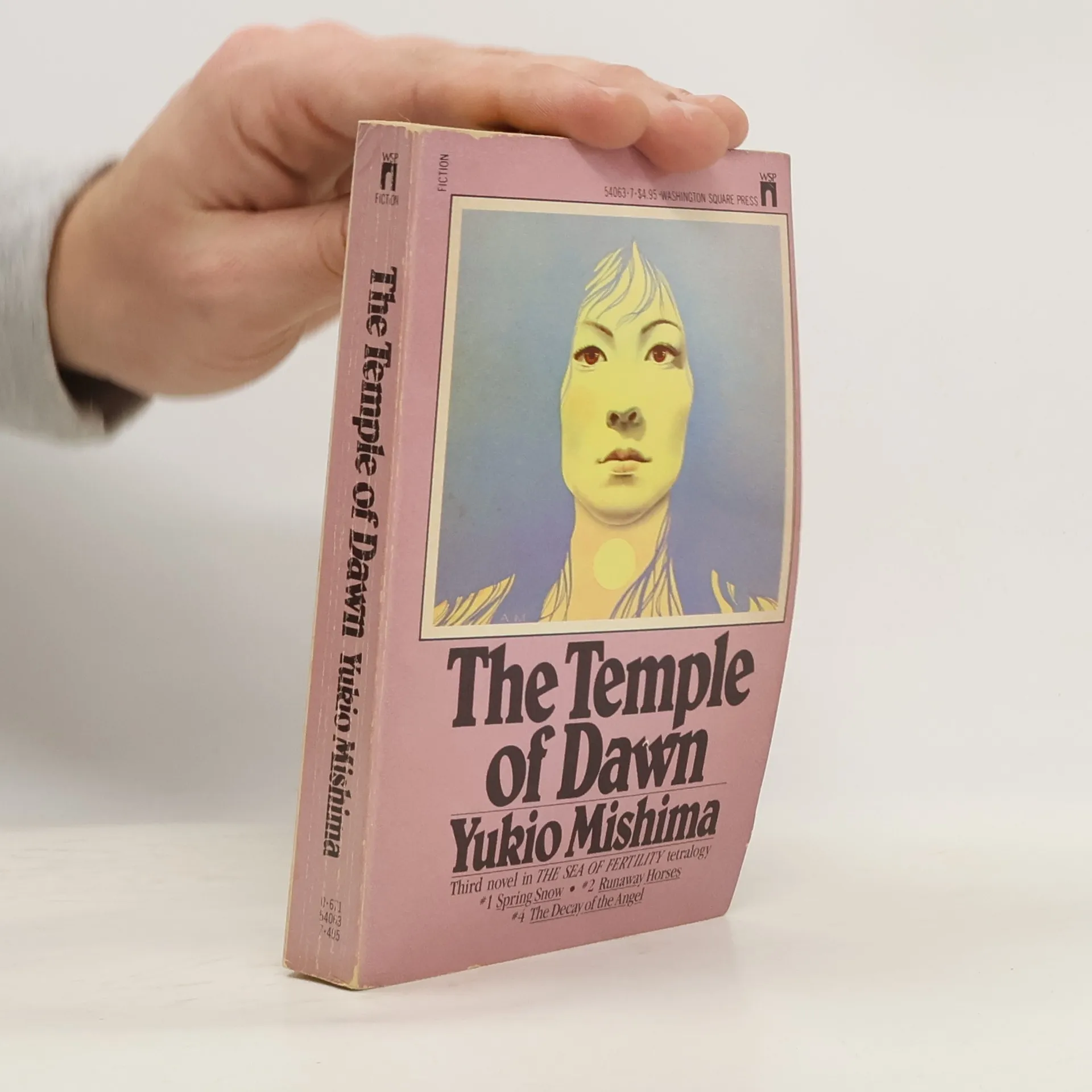
Temple of Dawn
- 320 pages
- 12 hours of reading
Yukio Mishima’s The Temple of Dawn is the third novel in his masterful tetralogy, The Sea of Fertility . Here, Shigekuni Honda continues his pursuit of the successive reincarnations of Kiyoaki Matsugae, his childhood friend. Travelling in Thailand in the early 1940s, Shigekuni Honda, now a brilliant lawyer, is granted an audience with a young Thai princess—an encounter that radically alters the course of his life. In spite of all reason, he is convinced she is the reincarnated spirit of his friend Kiyoaki. As Honda goes to great lengths to discover for certain if his theory is correct, The Temple of Dawn becomes the story of one man’s obsessive pursuit of a beautiful woman and his equally passionate search for enlightenment.
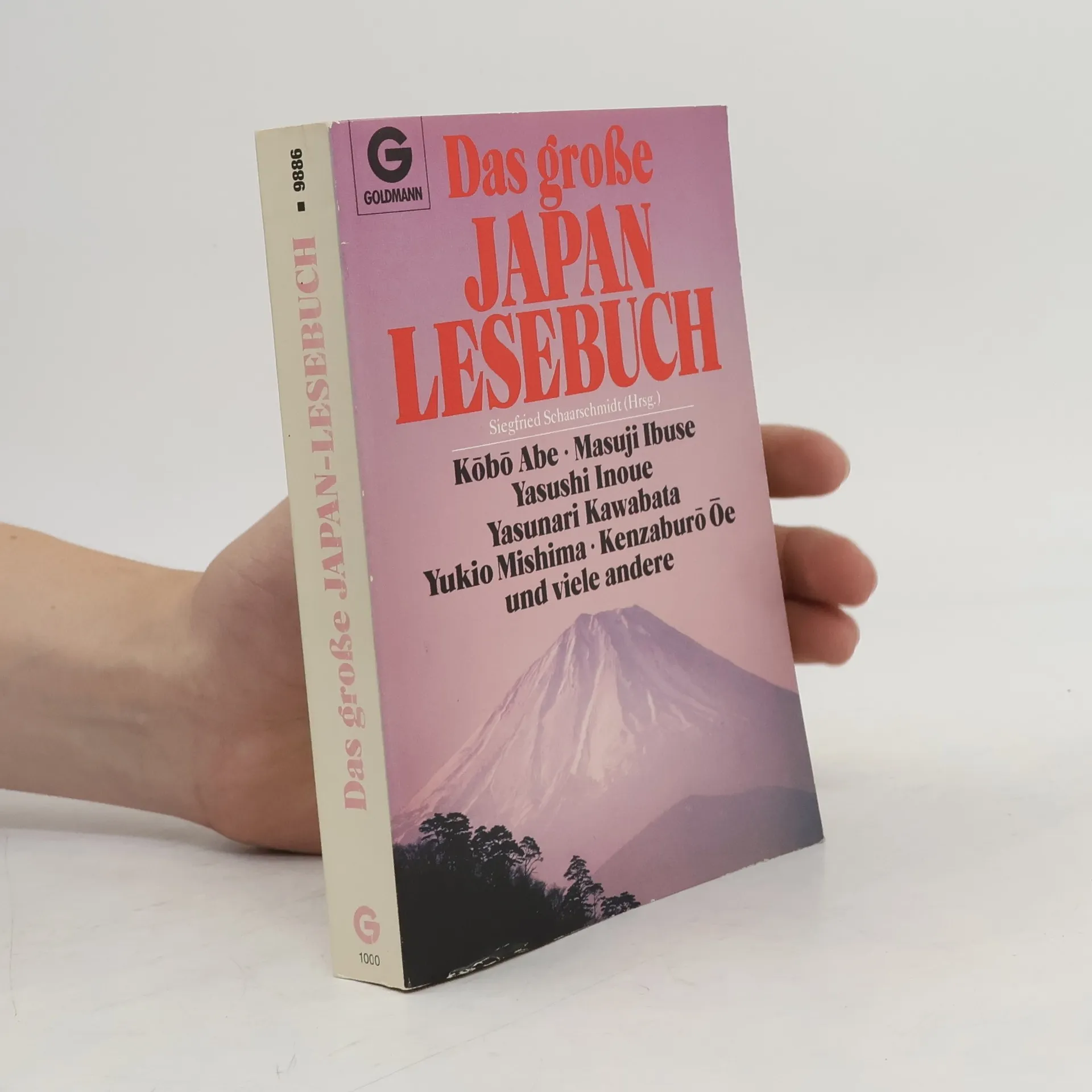
Das große Japan-Lesebuch.
- 384 pages
- 14 hours of reading
„Eine gut erzählte Geschichte verträgt zehn Münder, oder sie ist keine. Das Tuti Nameh hat wie alle Klassiker tausendundeinen Mund vertragen und strahlt heute in einer Frische, als hätten die genialen Erzähler vor tausend Jahren in Indien unsere Zeit gemeint“, schreibt Rafik Schami in seinem Vorwort zu den /k/Geschichten des Papageien/k/. Siegfried Schaarschmidt hat aus der Fülle der Geschichten, die der weise Papagei dem Sultan Kobad in Damaskus erzählt, die schönsten ausgewählt und sie in eine zeitgemäße Sprache übertragen. Auf diese Weise ist ein verschütteter Schatz orientalischer Märchenpoesie endlich zugänglich geworden.
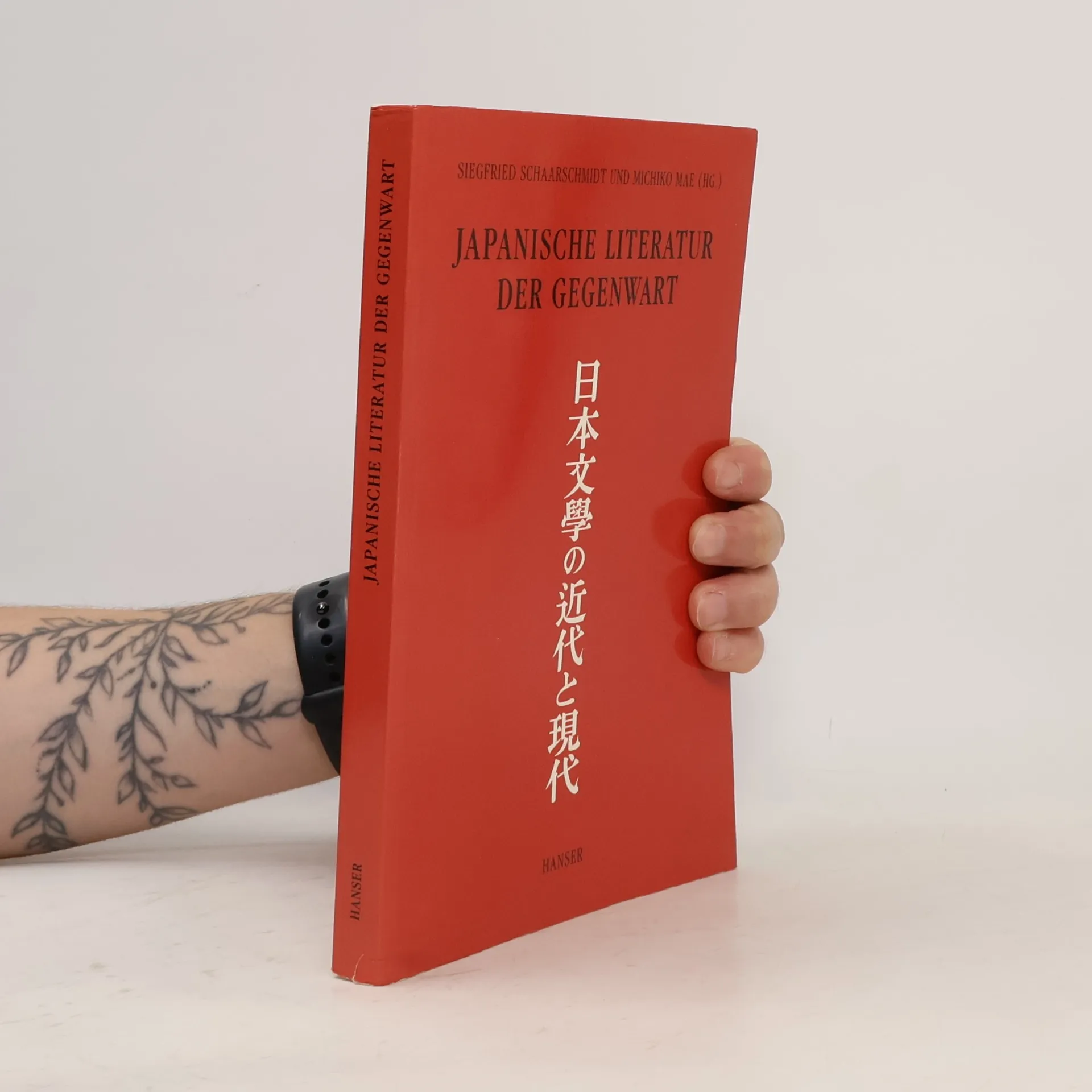
Japanische Literatur der Gegenwart
- 189 pages
- 7 hours of reading
Die japanische Literatur, eine der vielfältigsten und interessantesten Literaturen der Gegenwart, ist hierzulande immer noch »terra incognita«. Für entdeckungsfreudige Leser bietet der vorliegende Band in einführenden Einzeldarstellungen mit Autorenporträts und einer Bibliographie der nach 1945 übersetzten japanischen Literatur umfassende und übersichtliche Information.
Schrei nach Frieden
- 269 pages
- 10 hours of reading