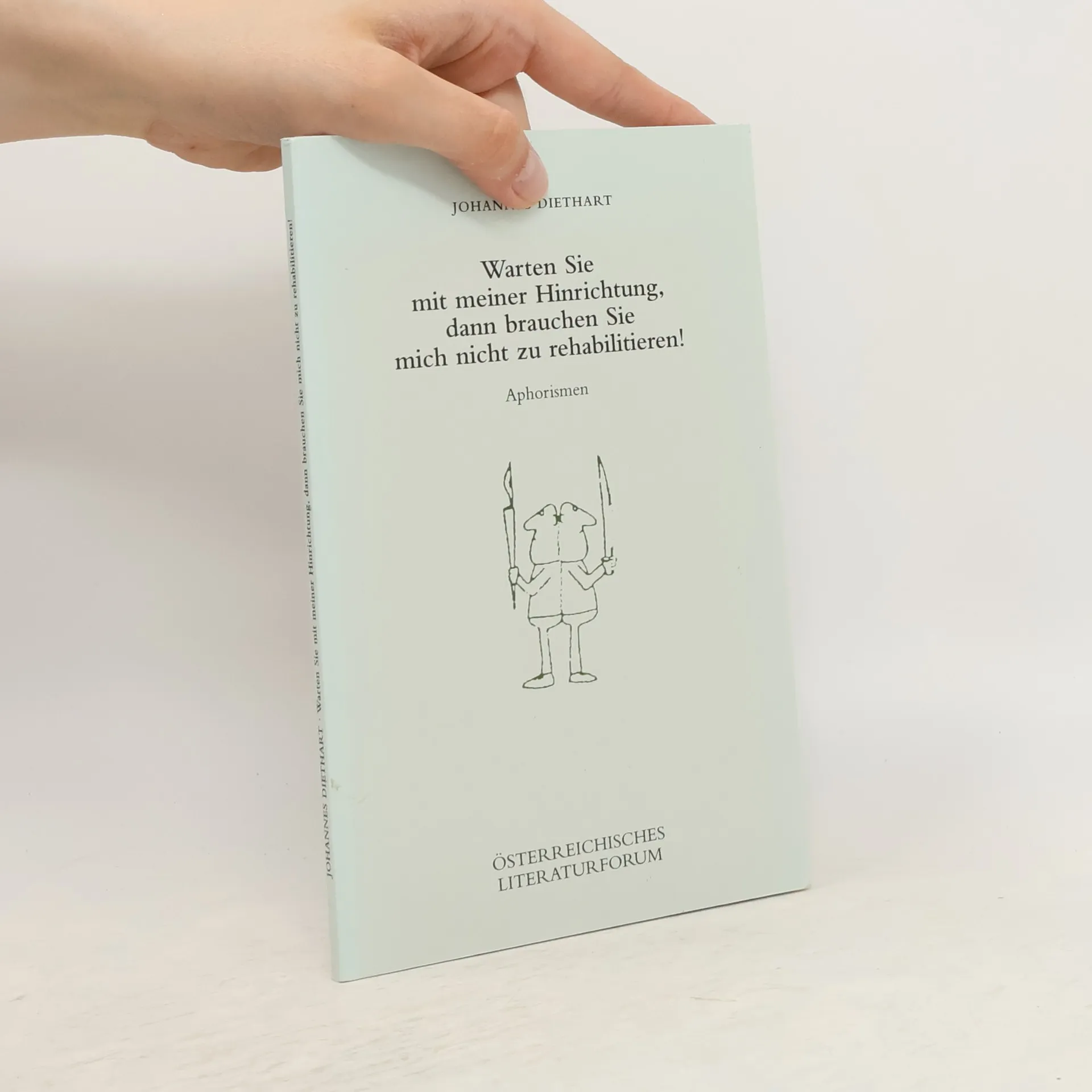
Warten Sie mit meiner Hinrichtung, dann brauchen Sie mich nicht zu rehabilitieren!
- 64 pages
- 3 hours of reading


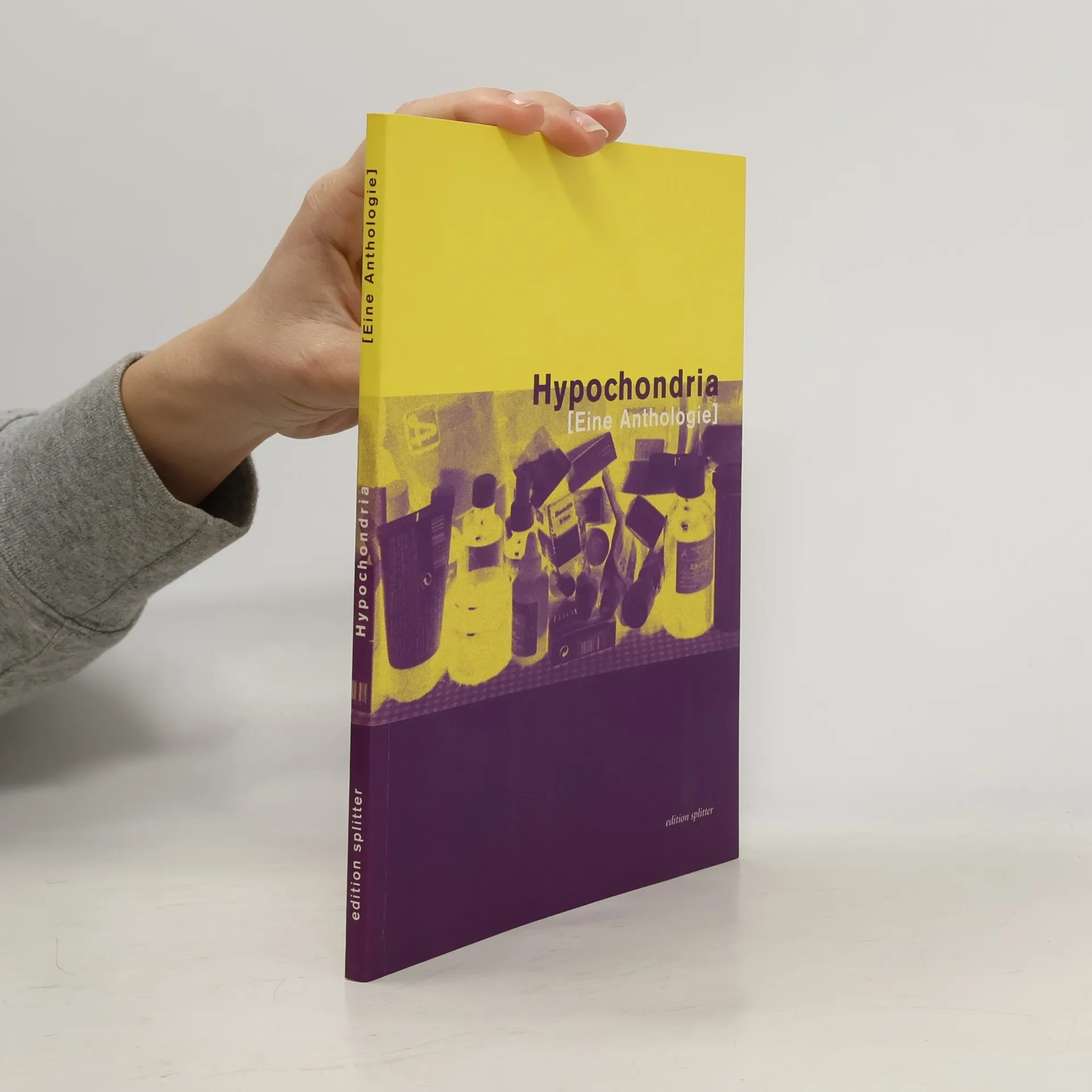
Eine Anthologie
»Plötzlich erkrankte ich ernsthaft an Hypochondrie und erst ein kleiner [aber realer] MagenSchmerz hob mich da wieder heraus« resümiert Anselm Glück über seine Erfahrung zum Thema. AutorInnen und KünstlerInnen wie Helmut Eisendle, Friederike Mayröcker, Bodo Hell, Tone Fink, Elfriede Gerstl, Andreas Okopenko, Renald Deppe, Alf Poier und Franzobel schreiben & zeichnen über ihren ganz persönlichen Zugang zur Hypochondrie, entblättern mit ihren Text- bzw. Graphikbeiträgen die geheimsten Winkel ihres Inneren.
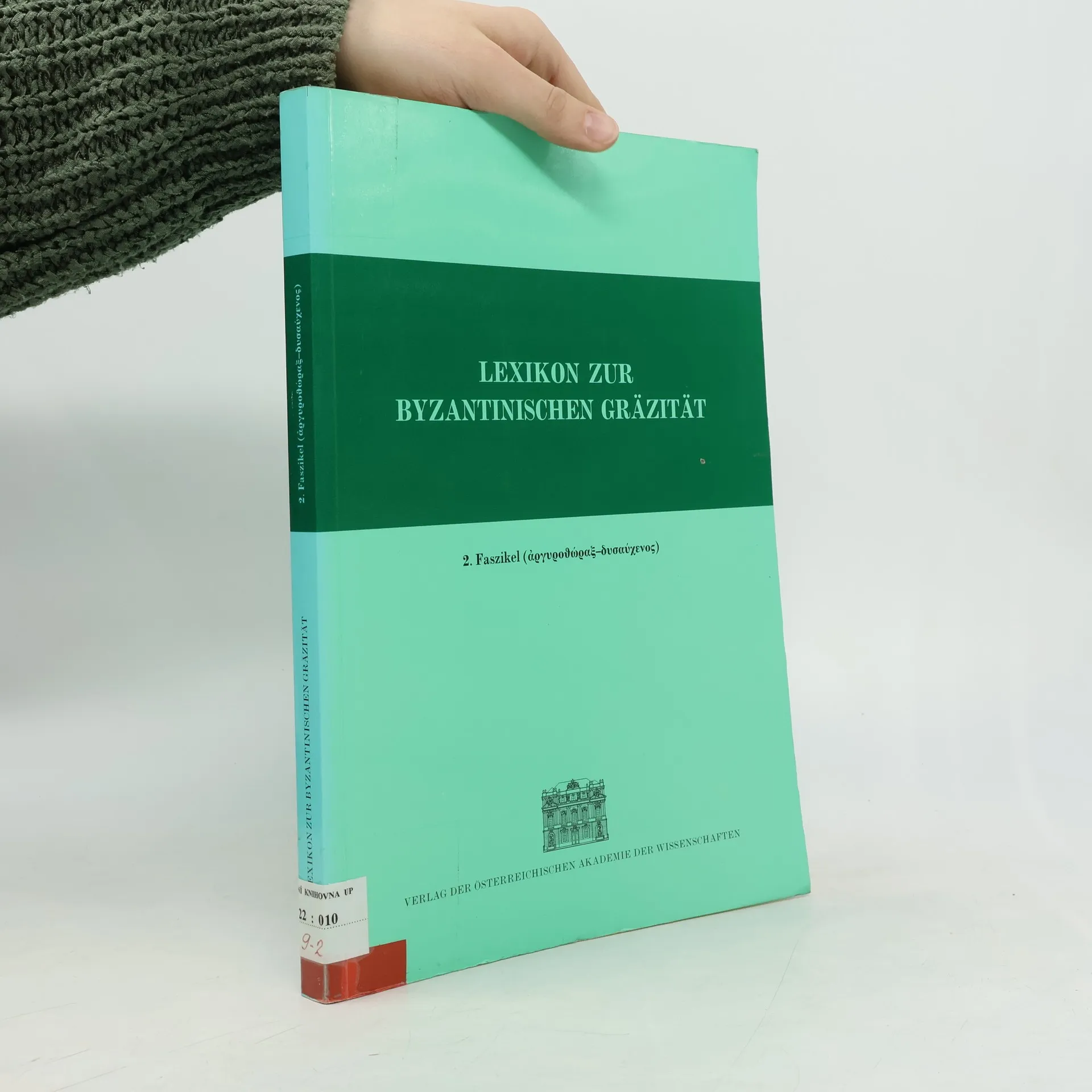
Since Charles Dufresne Sieur du Cange's pioneering work (Lyon 1688) Greek lexicography of the mediaeval period has been widely neglected with the result that a wide gap in the documentation of Greek vocabulary has now opened between late antique and Patristic Greek on the one hand and late Byzantine vernacular Greek on the other. The Lexikon zur byzantinischen Grazitat (LBG) attempts to fill this lacuna by gathering systematically new words and meanings from texts from the 9th to 12th centuries, supplemented by material from the earlier and later centuries. Besides literary texts, documents as well as selected legal and scientific sources have been included. The Lexicon will serve as a working instrument not only for Byzantinists, but also for classicists, mediaevalists, theologians, linguists etc. It will appear in eight fascicles of about 200 pages each. Fasc. 1-4 and 5-8 will form one volume. Subscribers will receive the cover for vol. I together with fasc. 4, the cover for vol.II and the definitive list of abbreviations together with fasc. 8.