

Explore the latest books of this year!
Bookbot

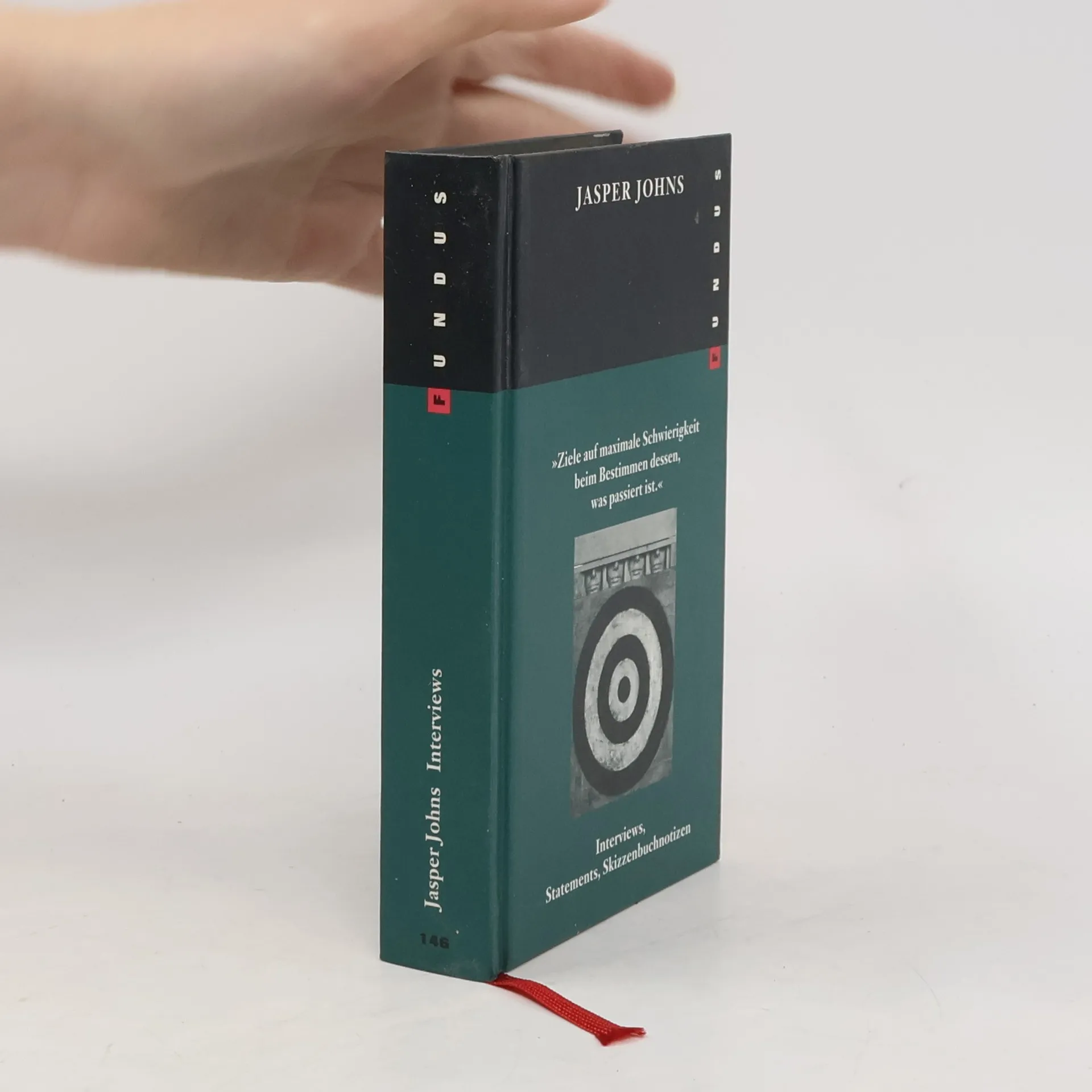
Jasper Johns

    May 15, 1930
    "Ziele auf maximale Schwierigkeit beim Bestimmen dessen, was passiert ist"
    In honor of Leo Castelli Gallery's 30th anniversary
    Jasper Johns
    The Broad Collections: Jasper Johns to Jeff Koons
    • The Broad Collections: Jasper Johns to Jeff Koons

      Four Decades of Art from the Broad Collections

      • 208 pages
      • 8 hours of reading

      Jasper Johns to Jeff Four Decades of Art from the Broad Collections, organized by the Los Angeles County Museum of Art (LACMA), is the first large-scale exhibition of the Broads' achievement, presenting more than 100 works of art from these two significant collections. The show highlights American artists whose paintings, sculptures, and photographs the Broads have acquired in depth, among them Andy Warhol, Jean-Michel Basquiat, Roy Lichtenstein, Cindy Sherman, and Cy Twombly, Johns, Koons, and the Los Angeles artists John Baldessari, Sharon Lockhart, Charles Ray, Ed Ruscha, and Robert Therrien. German artists such as George Baselitz and Anselm Kiefer are also represented. Together, these works form an invaluable record of the artistic achievements of the past forty years.This catalogue, published in conjunction with the exhibition, illustrates the objects in the exhibition as well as several related works from the Broad collections. The accompanying texts include an interview with Eli and Edythe Broad by exhibition curators Stephanie Barron and Lynn Zelevansky, as well as essays by art historians Thomas Crow, Sabine Eckmann, Joanne Heyler, and Pepe Karmel, which place the works in critical and historical context.

      The Broad Collections: Jasper Johns to Jeff Koons
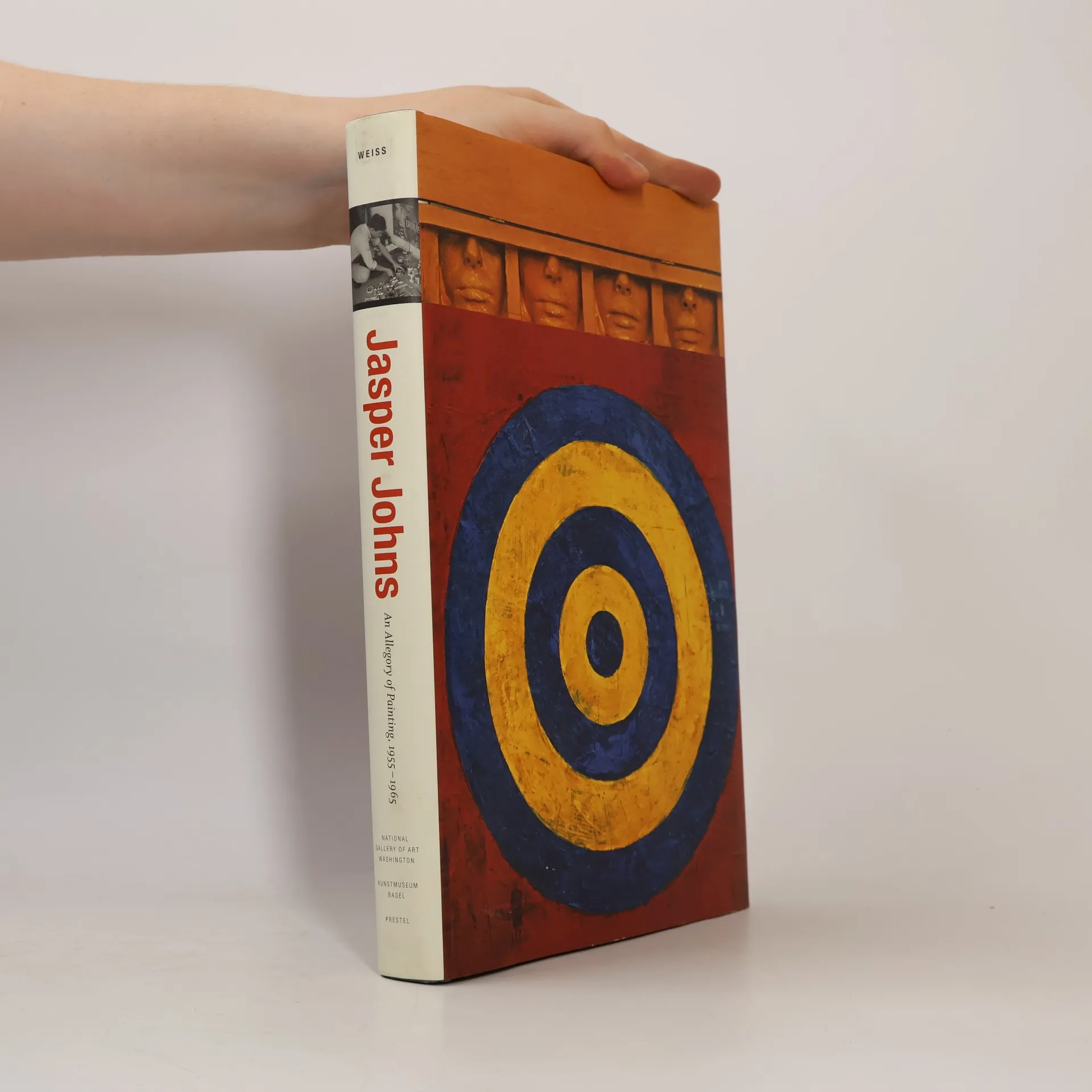
    • Jasper Johns (b. 1930) is one of the most significant figures in the history of postwar art. His work from 1955 to 1965 was pivotal, exercising an enormous impact on the subsequent development of pop, minimalism, and conceptual art in the United States and Europe. This is the first publication to approach Johns’s work of this ten-year period through a thematic framework. It examines the artist's interest in the condition of painting as a medium, a practice, and an instrument of encoded meaning through several interrelated motifs: the target, the “device,” the naming of colors, and the imprint of the body.In this handsome book, leading scholars, a conservator, and a contemporary artist consider Johns’s activity in this critical decade and discuss many of his iconic paintings, such as Target with Four Faces (1955), Diver (1962), Periscope (Hart Crane) (1963), and Arrive-Depart (1963). Their new critical and historical perspectives are grounded in an unusually close visual and material analysis of Johns's work.

      Jasper Johns