Alan Turing Book order (chronological)
Alan Turing was an English mathematician and logician whose influence on the development of computer science and artificial intelligence cannot be overstated. His theoretical work, particularly the concept of the Turing machine, laid the groundwork for modern computing and the understanding of algorithms. During World War II, he played a pivotal role in breaking German ciphers, significantly contributing to the Allied victory. Turing's legacy extends beyond computer science, as he also delved into mathematical biology, exploring the chemical basis of morphogenesis.



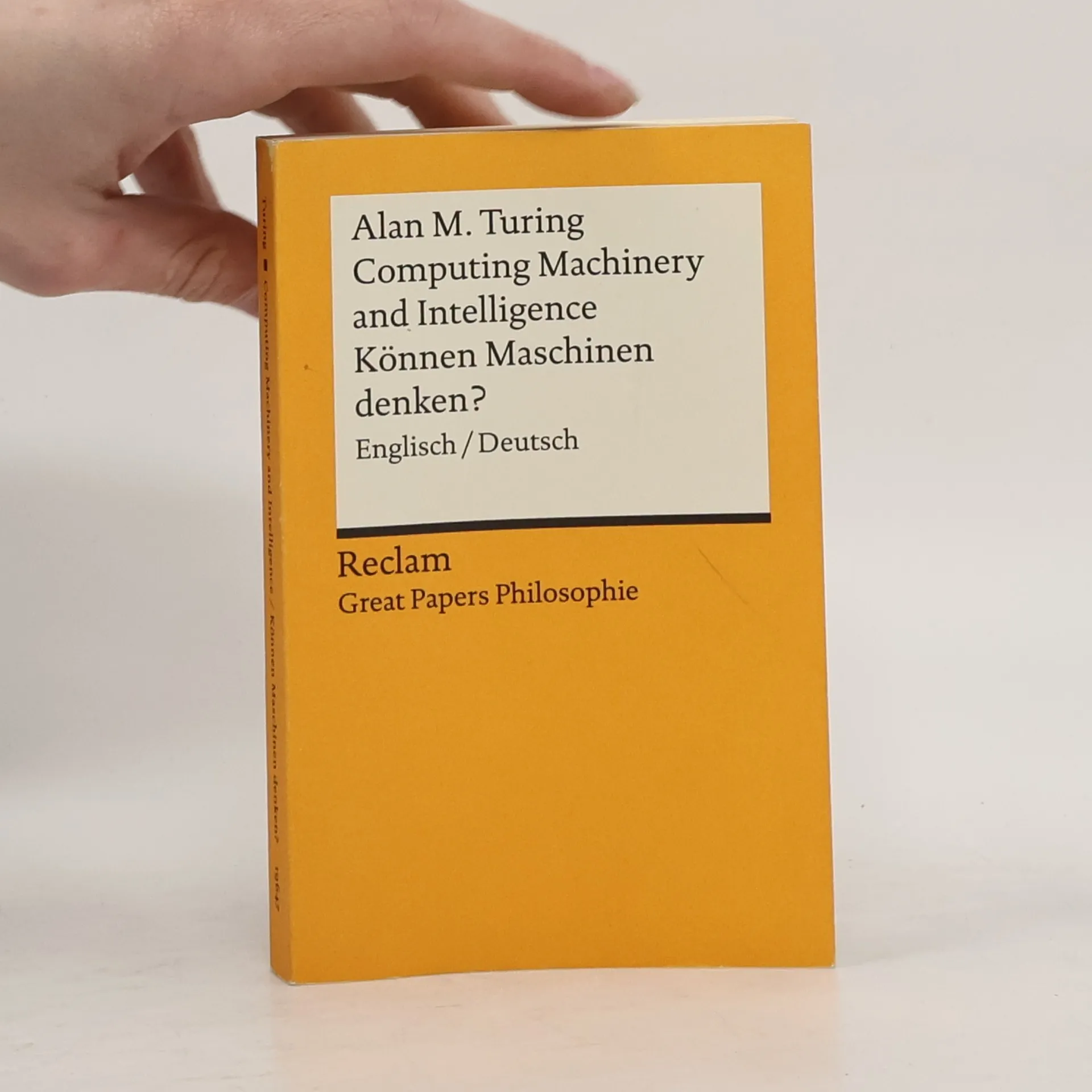

De leukste breinbrekers voor kinderen
- 144 pages
- 6 hours of reading
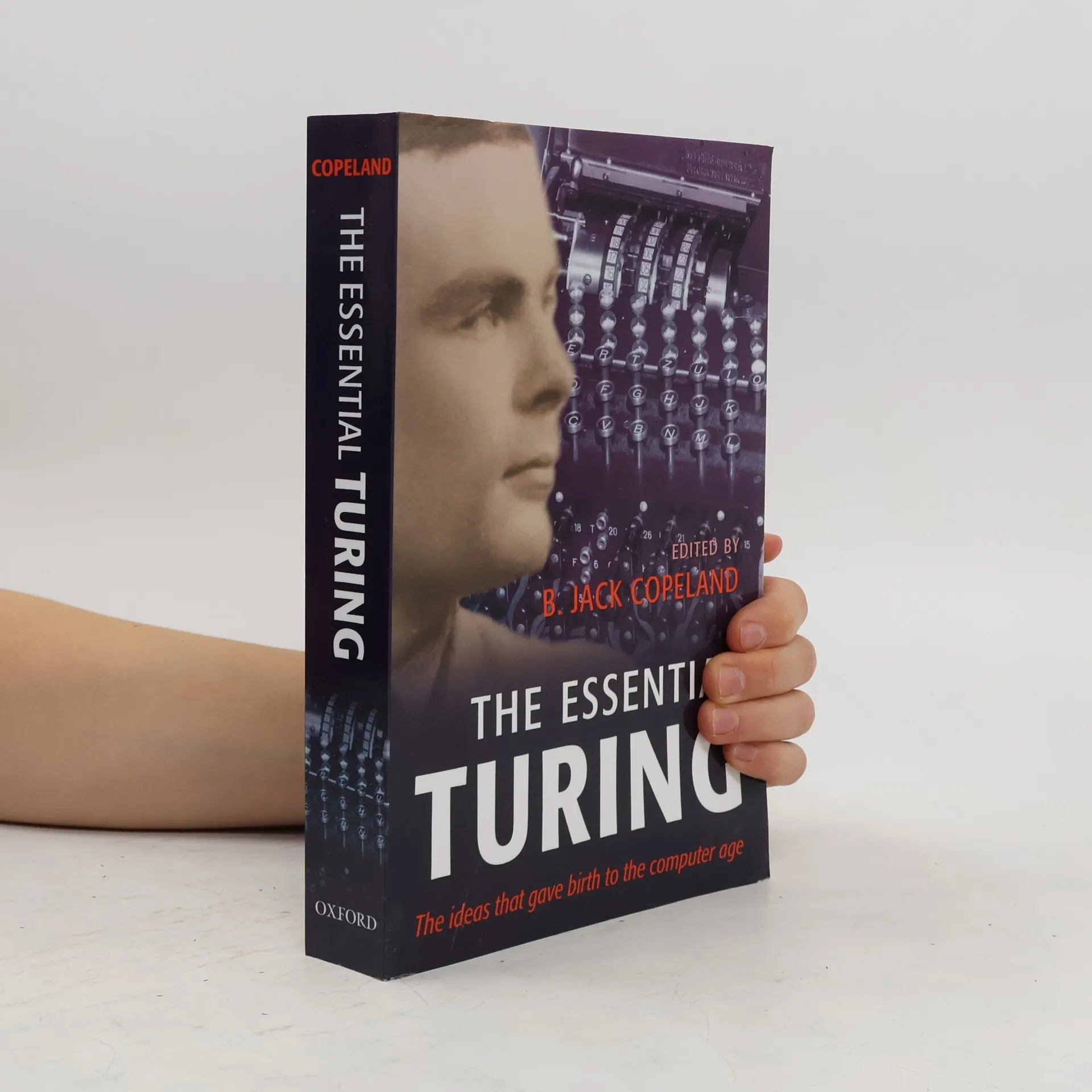
The Essential Turing
Seminal Writings in Computing, Logic, Philosophy, Artificial Intelligence, and Artificial Life Plus the Secrets of Eni
- 622 pages
- 22 hours of reading
Exploring the foundational concepts that led to the development of computers, this book delves into the revolutionary ideas and innovations that shaped the digital landscape. It highlights key figures and their contributions, illustrating how theoretical principles transformed into practical technologies. The narrative emphasizes the interplay between mathematics, engineering, and computer science, providing insights into the evolution of computing from its inception to its current state. Readers will gain a deeper understanding of the intellectual legacy that underpins modern technology.