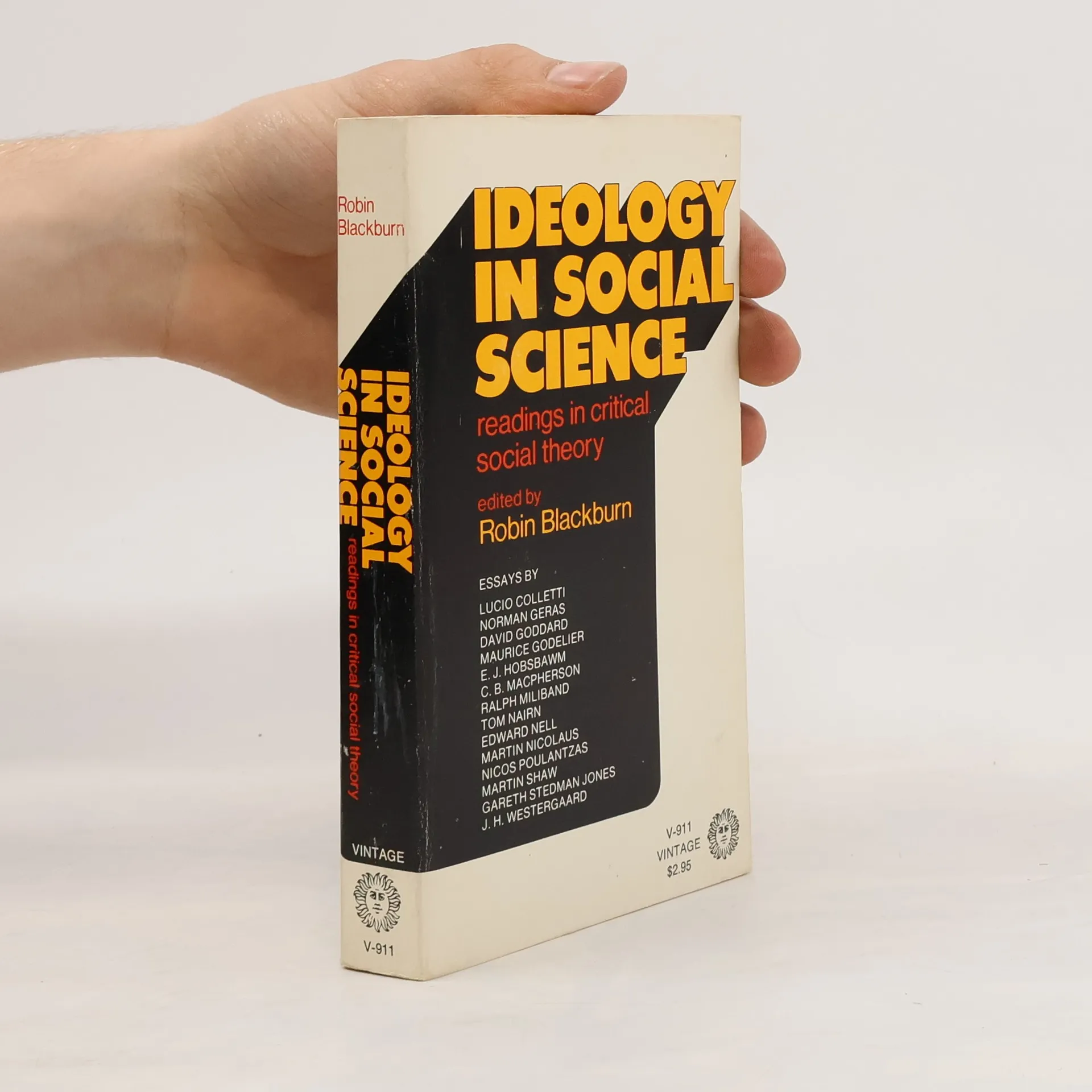
This book challenges the predominant conceptions of the meaning and development of 'class consciousness'.

4.3




This book challenges the predominant conceptions of the meaning and development of 'class consciousness'.
First Vintage Books Edition, March 1973. Mild shelf wear, small tear at top of back cover, pages moderately tanned, and spine has creases from reading. Everything looks good and perfectly readable. Overall pretty decent condition.
Masters of the Universe describes neoliberalism's road to power, beginning in interwar Europe but shifting its center of gravity after 1945 to the United States, especially to Chicago and Virginia, where it acquired a simple clarity that was developed into an uncompromising political message. Neoliberalism was communicated through a transatlantic network of think tanks, businessmen, politicians, and journalists that was held together by Friedrich Hayek and Milton Friedman. After the collapse of Bretton Woods in 1971, and the "stagflation" that followed, their ideas finally began to take hold as Keynesianism appeared to self-destruct. Later, after the elections of Reagan and Thatcher, a guileless faith in free markets came to dominate politics.
A deeply original and illuminating account of Marx's journey through the intellectual history of the nineteenth century ... a profound reappraisal and a gripping read' Christopher Clark 'Rich and deeply researched' John Gray As the nineteenth century unfolded, its inhabitants had to come to terms with an unparalleled range of political, economic, religious and intellectual challenges. Distances shrank, new towns sprang up, and ingenious inventions transformed the industrial landscape.
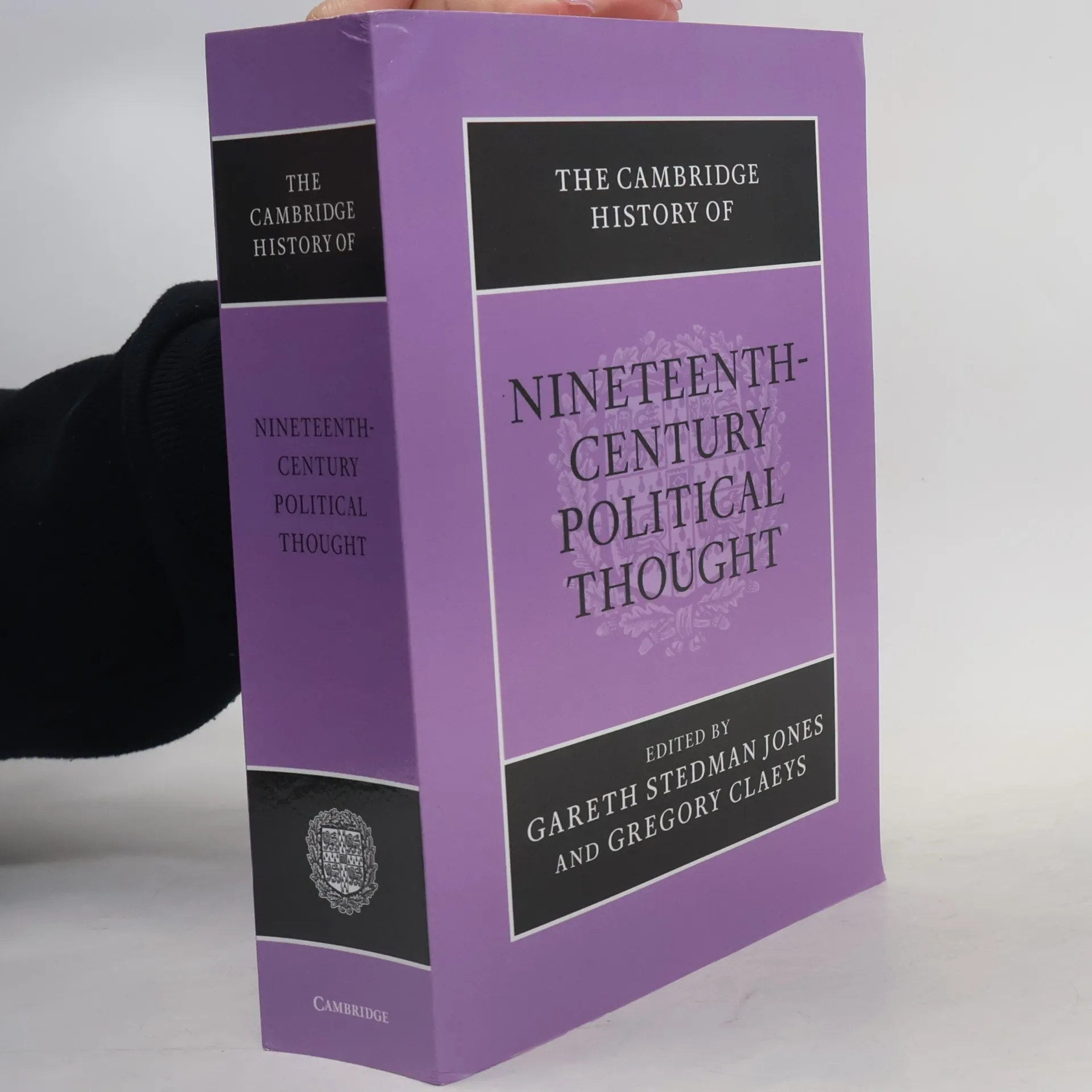
This major work of academic reference provides the first comprehensive survey of political thought in Europe, North America and Asia in the century following the French Revolution. Written by a distinguished team of international scholars, this Cambridge History is the latest in a sequence of volumes firmly established as the principal reference source for the history of political thought. In a series of scholarly but accessible essays, every major theme in nineteenth-century political thought is covered, including political economy, religion, democratic radicalism, nationalism, socialism and feminism. The volume also includes studies of major figures, including Hegel, Mill, Bentham and Marx, and biographical notes on every significant thinker in the period. Of interest to students and scholars of politics and history at all levels, this volume explores seismic changes in the languages and expectations of politics accompanying political revolution, industrialisation and imperial expansion and less-noted continuities in political and social thinking.
The debate on world poverty and globalisation is one which began two centuries ago in the wake of the French Revolution. In this book, a major historian, Gareth Stedman Jones, traces the history of those arguments and relates them to current discussions and policies.

Vorwort: Stedman Jones, Gareth
Das Kommunistische Manifest ist einer der einflussreichsten politischen Texte, die je geschrieben wurden. Entstanden im Vorfeld der europäischen Revolutionen von 1848 enthält es die Grundzüge des historischen Materialismus und beschreibt Idee und Ziele des Kommunismus. Es bildete den Grundtext der kommunistischen Weltbewegung und prägte das Leben von Millionen Menschen. Noch heute vermag sein Inhalt zu provozieren und Debatten auszulösen über Vergangenheit und Zukunft des Kapitalismus. Das Buch bietet den Originaltext des kommunistischen Manifests zusammen mit den Kommentaren und der berühmten Einleitung von Gareth Stedman Jones. Sein meisterhafter Text ist die ausführlichste und gründlichste Einführung, die es zu diesem Schlüsseltext der Weltgeschichte gibt. Sie macht seinen Inhalt verständlich, verortet ihn in der politischen Ideengeschichte, seziert die unterschiedlichen Einflüsse, denen Marx und Engels bei der Abfassung unterlagen und fragt nach der gegenwärtigen Relevanz seiner Thesen. Dabei werden die Grundideen sichtbar, auf denen Marx das Manifest aufbaute und an deren theoretischer Begründung er bei der Arbeit an seinem Hauptwerk, dem „Kapital“, scheitern sollte.
