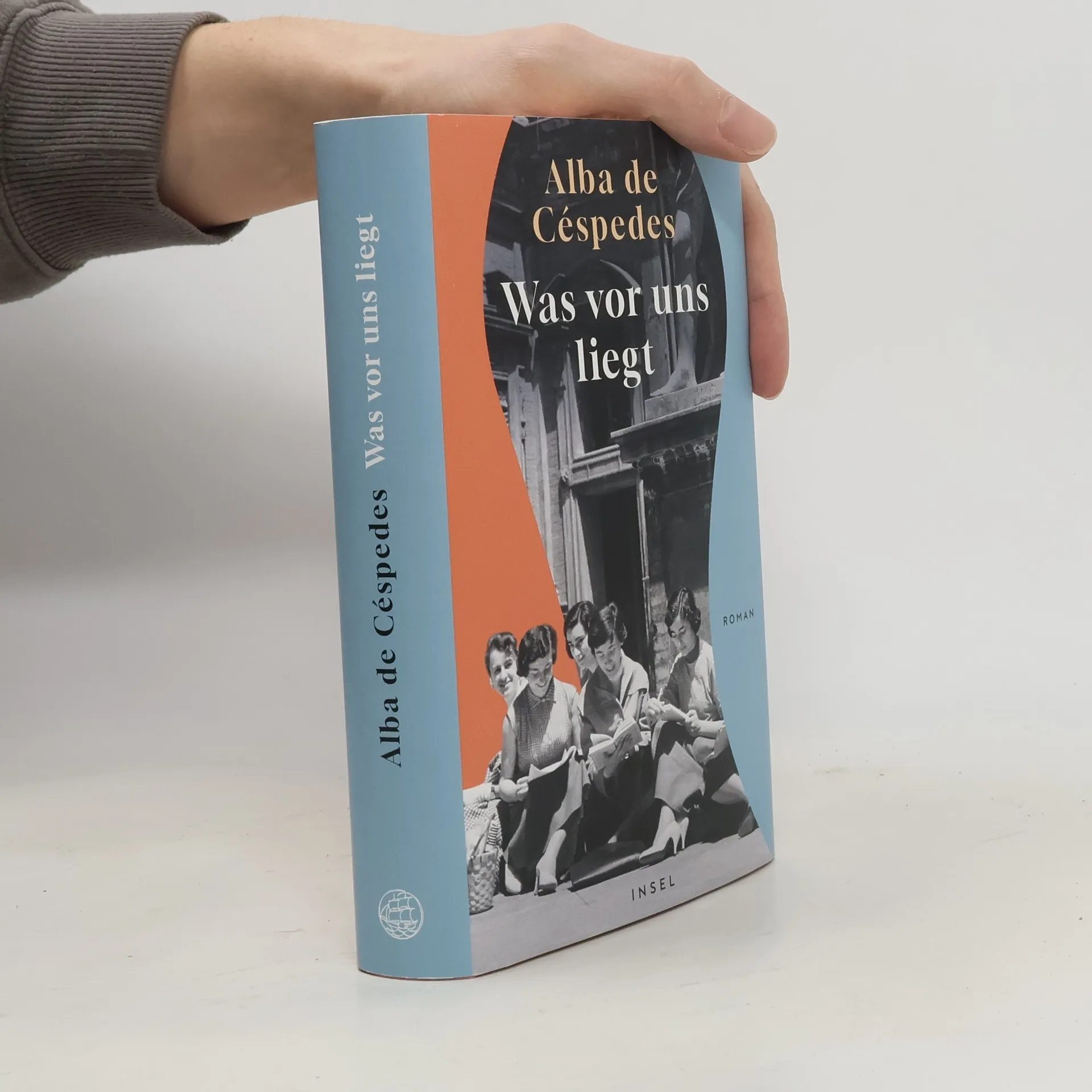
Acht junge Frauen leben und studieren 1934 am Grimaldi-Konvikt in Rom. Sie sehnen sich nach einem freien, selbstbestimmten Leben, haben Träume, die über die enge Welt von Heim und Herd weit hinausreichen. Unter den strengen Augen der Nonnen bilden sie rasch eine enge Gruppe von Freundinnen, in der sie ihre Sehnsüchte und Hoffnungen für die Zukunft miteinander teilen. Doch so nah sie sich sind, hat doch jede ihre Geheimnisse - ein Kind aus einer frühen Liebesbeziehung, fehlgeschlagene künstlerische Ambitionen, heftige Leidenschaften und kleinliche Eifersüchte. Die Monate vergehen, und eine jede von ihnen folgt ihrer eigenen Vision von Freiheit. Und doch ahnen sie nicht, was vor ihnen liegt. Zum Zeitpunkt seiner Publikation 1938 erlebte Alba de Céspedes' grandioser Debütroman sofortige Zensur durch die faschistischen Behörden unter Mussolini. Was vor uns liegt, ein virtuoses Gruppenporträt und eine radikal neue Darstellung moderner Frauenleben, erscheint nun in einer schillernden Neuübersetzung.
Alba de Céspedes Book order (chronological)
Alba de Céspedes was a writer whose experiences fueled a literary exploration of the human condition. Her works delve into the complexities of relationships and the inner lives of characters, often confronting themes of freedom and societal oppression. De Céspedes's fearless critique of political regimes led to censorship and imprisonment, lending her writing a potent, authentic voice. Her distinctive style offers profound psychological insight, revealing truths about human nature.



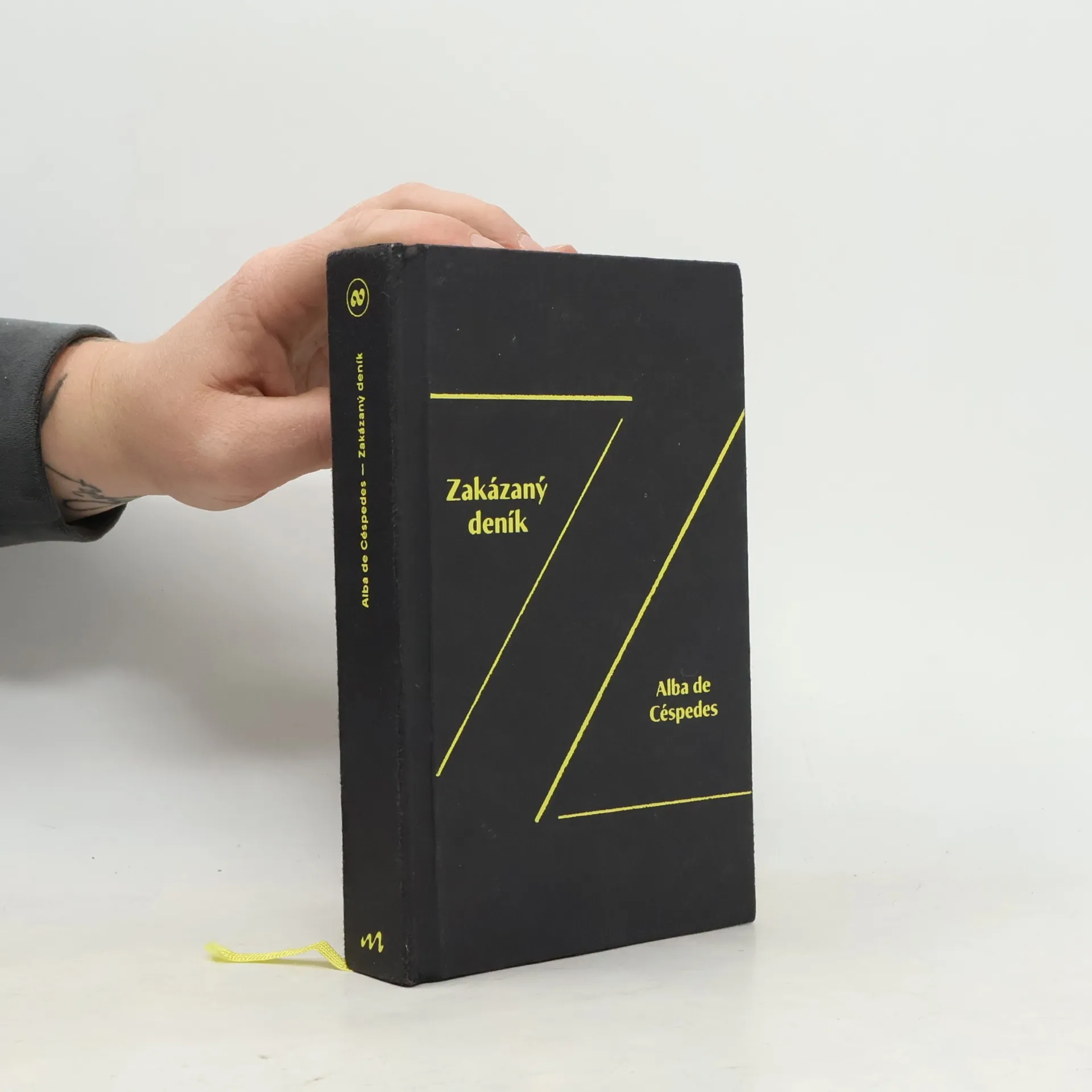
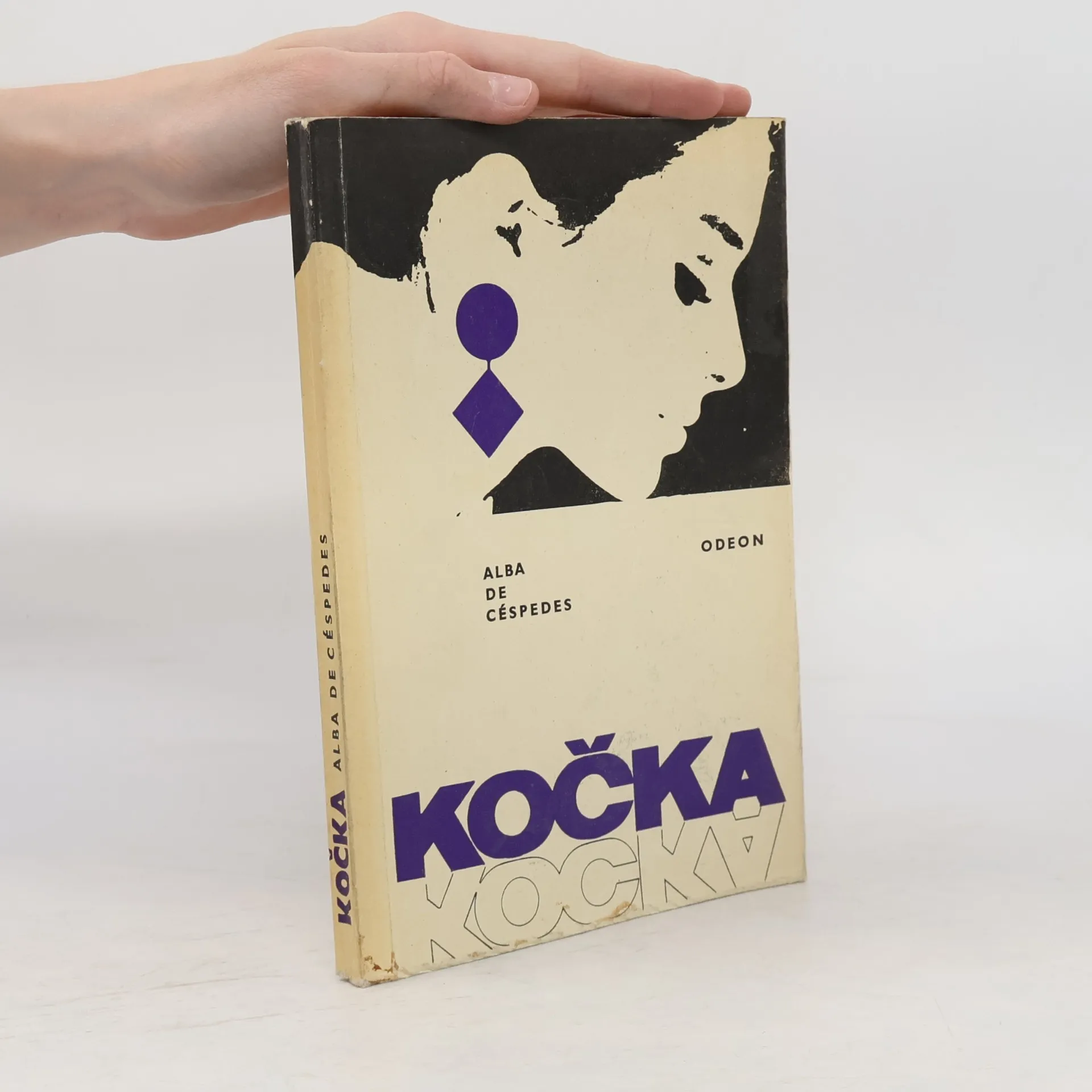
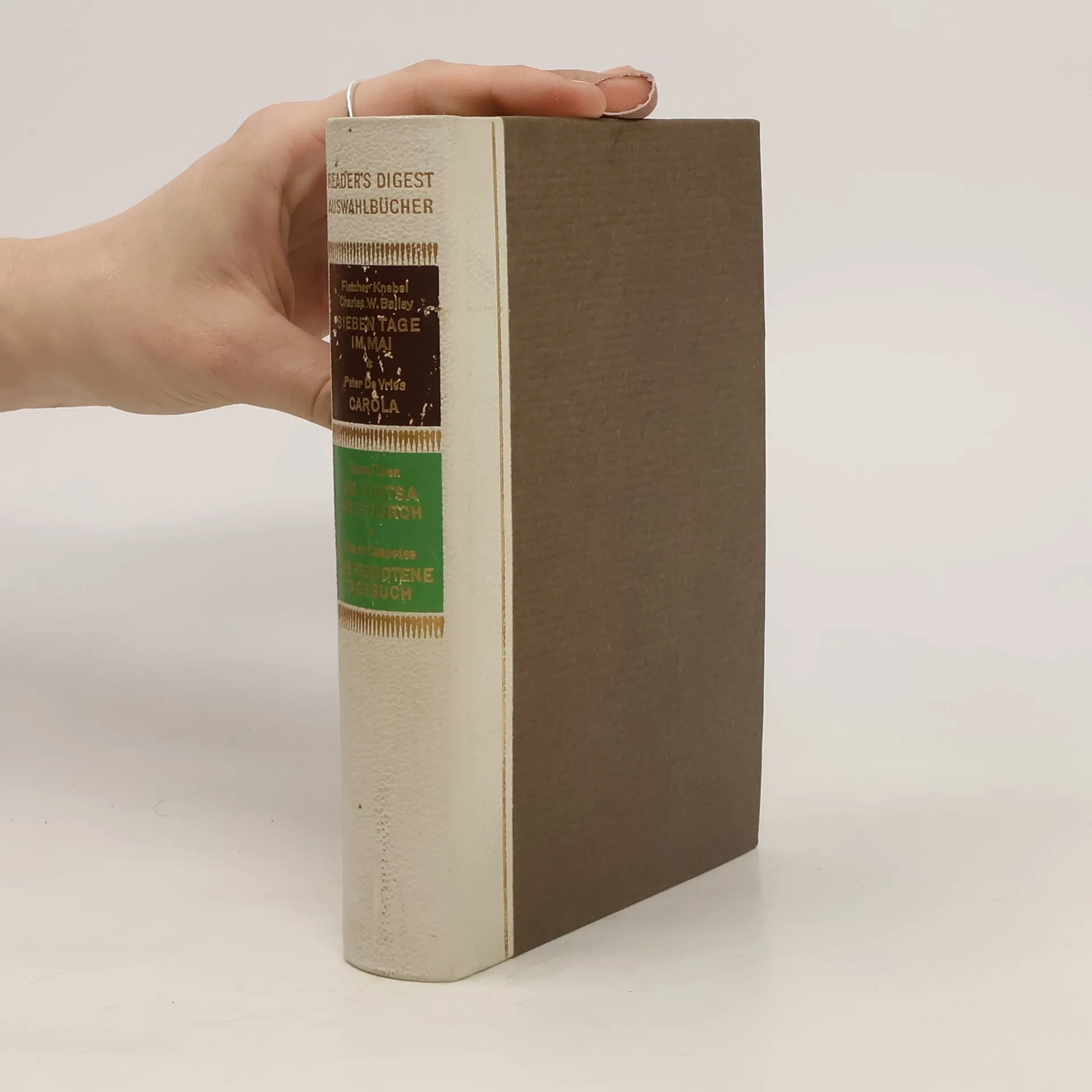
Zakázaný deník
- 304 pages
- 11 hours of reading
Komorní rodinné drama z pera spisovatelky, která se stala mezinárodní bestselleristkou před druhou světovou válkou, se zaměřuje na psaní jako akt osvobození, sebepoznání a revolty. Hlavní postava Valeria, úřednice s manželem a dvěma dětmi, žije v Římě roku 1950. Její cesta k sobě začíná náhodným nákupem „zakázaného“ sešitu, což spouští reflexi každodenní rutiny a konfrontaci s vlastními touhami. Valeria nemá „vlastní pokoj“ a v zaběhnutém rodinném životě se snaží ukrást čas pro sebe a své psaní, na němž se stává závislou. Čelí tradiční matce a pokrokové dceři, přičemž si uvědomuje, že v životě, který ji byl předurčen, je nešťastná. Nechce být obětí literatury, ale – i když si to plně neuvědomuje – autorkou. Její deník, který vycházel od prosince 1950 do června 1951 v týdeníku La Settimana Incom illustrata, byl později vydán knižně nakladatelstvím Mondadori v roce 1952. Tento příběh zkoumá vnitřní svět ženy, která se snaží najít své místo v tradičním uspořádání společnosti.
When Valeria, a forty-year-old Roman woman, develops an obsessive interest in keeping a secret diary, she cannot imagine that her habit will ultimately challenge the entire structure on which her life and her family's is based. For with writing comes the dangerous habit of questioning scrutiny. And from these questions, the docile, self-sacrificing woman sees herself and those about her in a disturbing new perspective: her husband, Michele, married too young to pursue his interests, in his fifties a failure, victimized by an embryonic dream; her daughter, defiant, emancipated, and strong, whom she loves, and hates in the manner of a mother approaching menopause who sees her beautiful daughter mature and take a lover; her son, Ricardo, emulating his father's failures; her employer, who falls in love with the image Valeria's new self-awareness projects; and Valeria, herself, always compliant to tradition and martyred to the demands of her family who loves her, but reflects her own indifference to her needs. In the end there is no escape and little comfort. The diary will be burned, for after all, even if despised, the chains of circumstance are binding. This meticulous account of a woman's mature consciousness is revealed quietly and undramatically, but with the certain force of verity. KIRKUS REVIEW
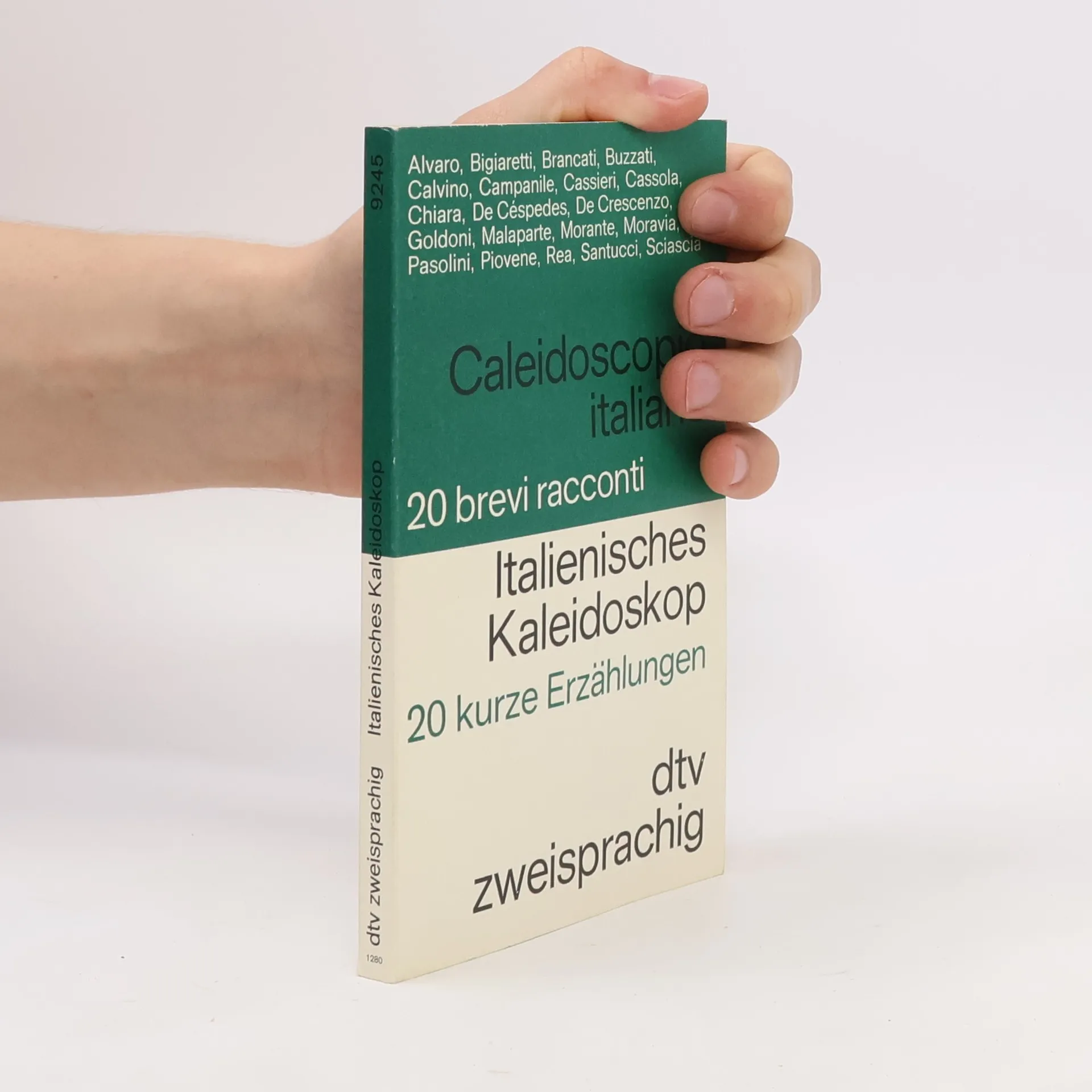
dtv zweisprachig: Caleidoscopio italiano Italienisches Kaleidoskop
20 brevi racconti – 20 kurze Erzählungen
- 180 pages
- 7 hours of reading
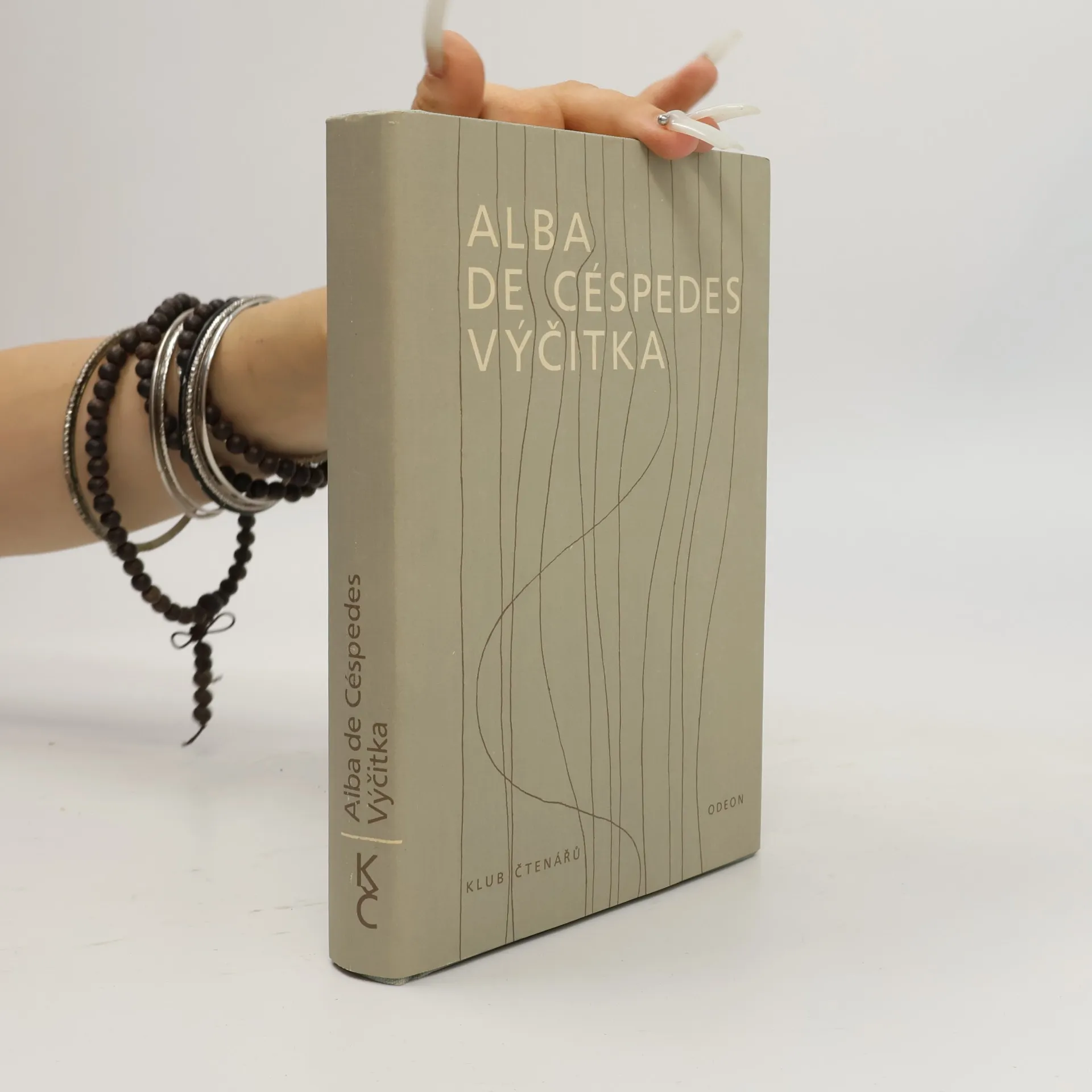
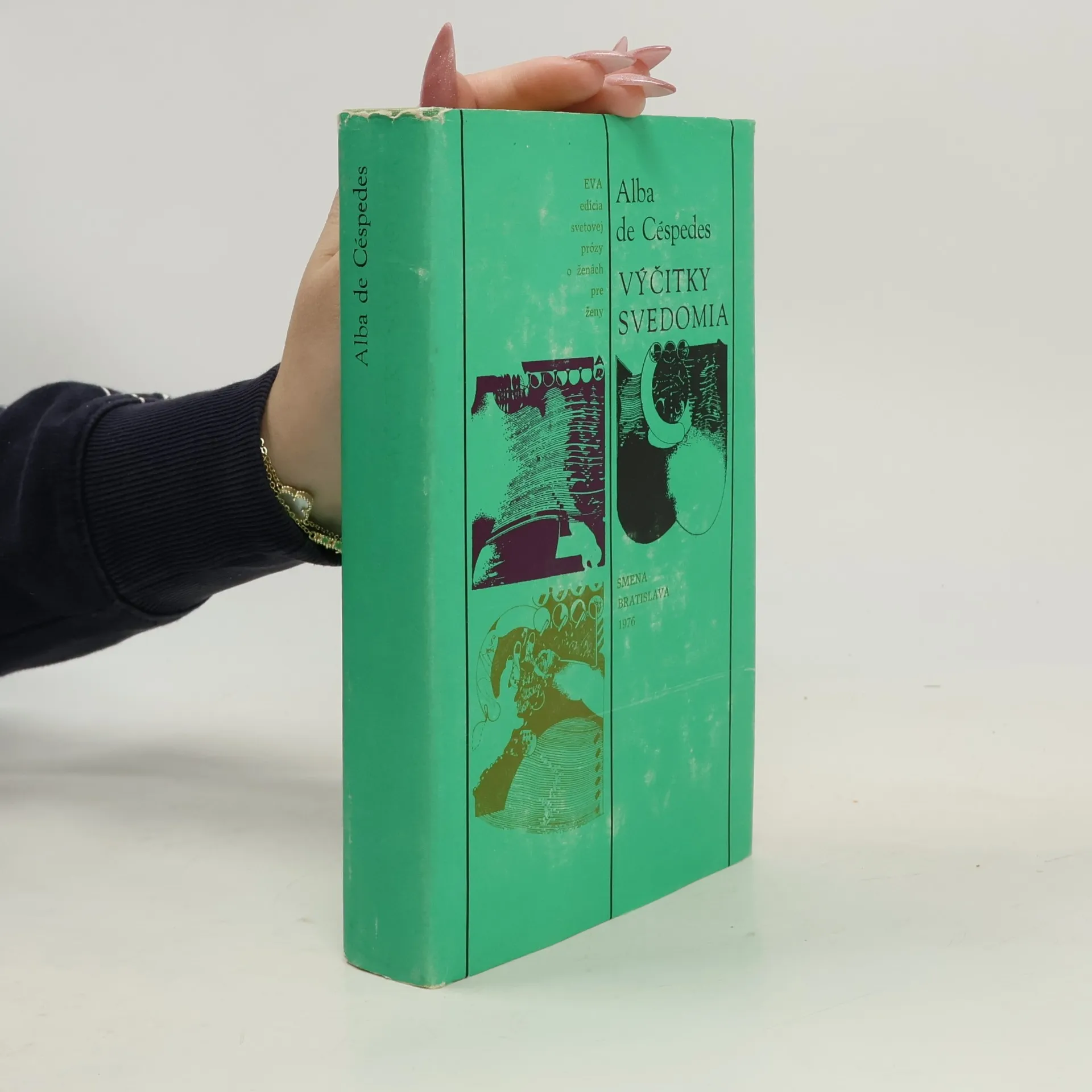
Pochybnosti a hledání náplně života intelektuálů v Itálii šedesátých let 19. století jsou námětem tohoto psychologického románu. Román je psán formou dopisů, ve kterých se hlavní hrdinové zpovídají z pohnutek svého jednání a svěřují se se svými touhami a záměry. Hrdinka i jejípartner po očistném vnitřním boji opouštějí život plný přetvářky a lží s odvahou začínají nový život. Autorce se daří stupňovat napětí a dramaticky komponovat děj a zároveň hodnověrně zobrazit svéráznou atmosféru líčením prostředí a doby.
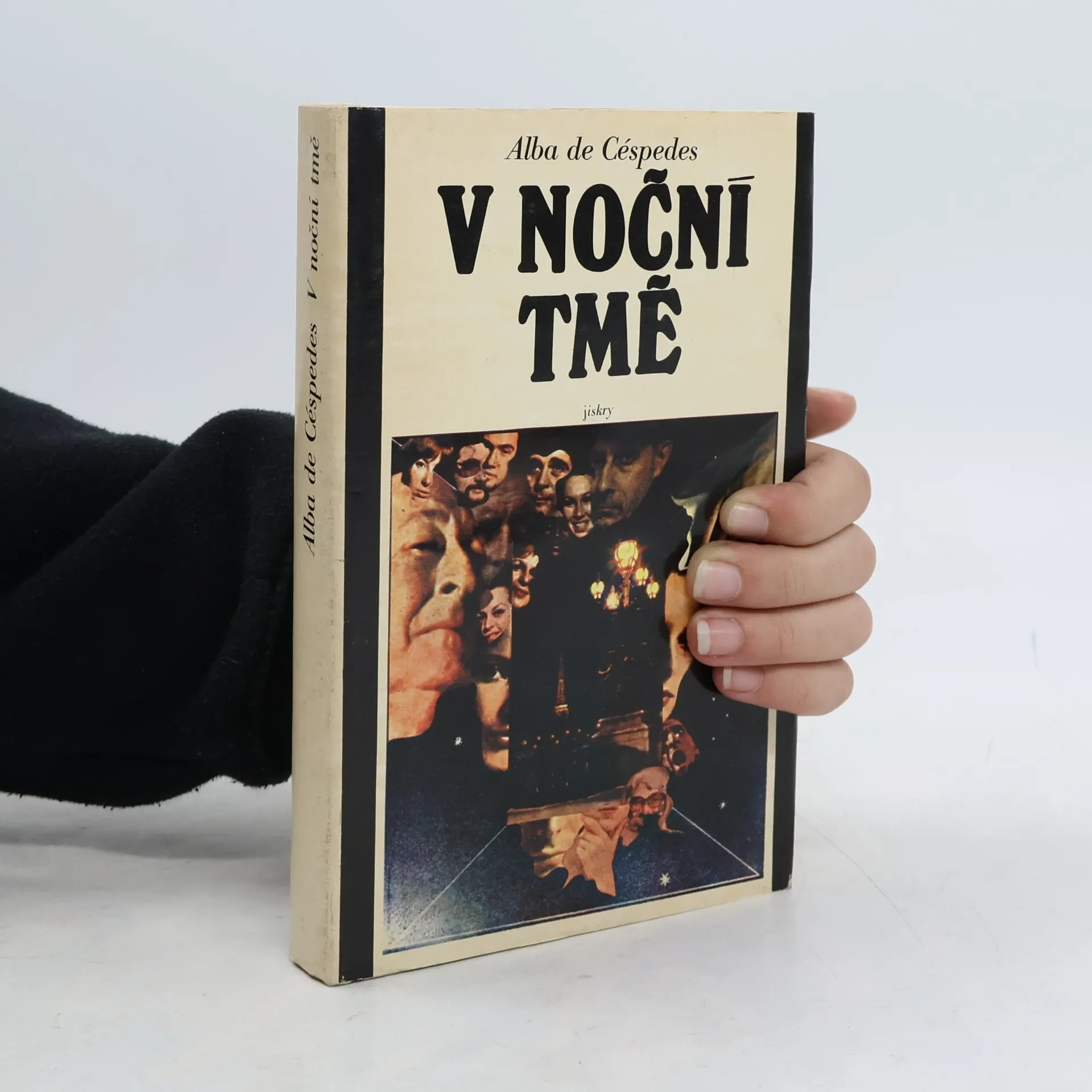
Román italské spisovatelky se odehrává v Paříži za jarní noci. Vypráví několik příběhů, jejichž hrdinové odhalují uprostřed noční tmy svou pravou tvář, a přibližuje tak chaotický svět západního velkoměsta.
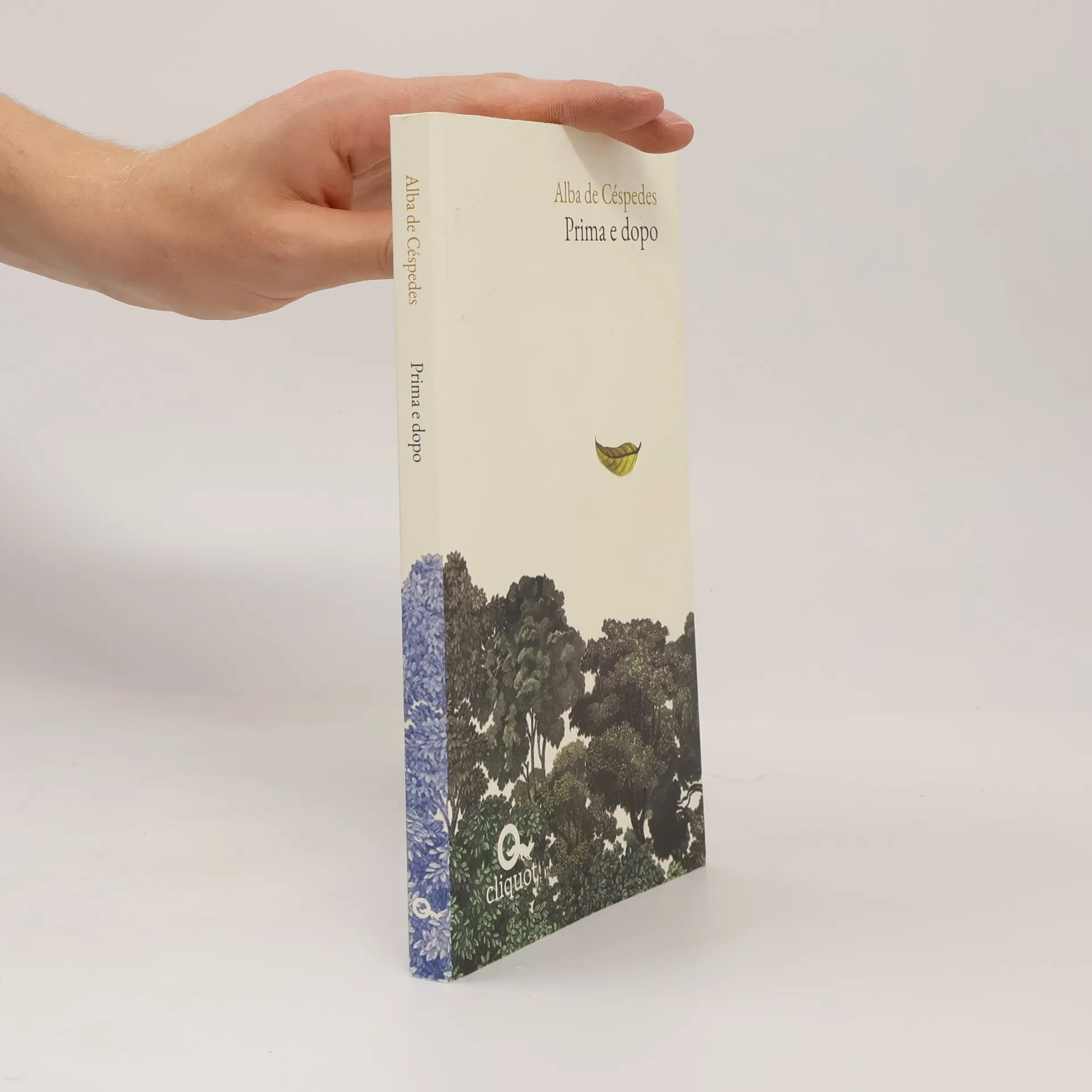
Prima e dopo
- 128 pages
- 5 hours of reading
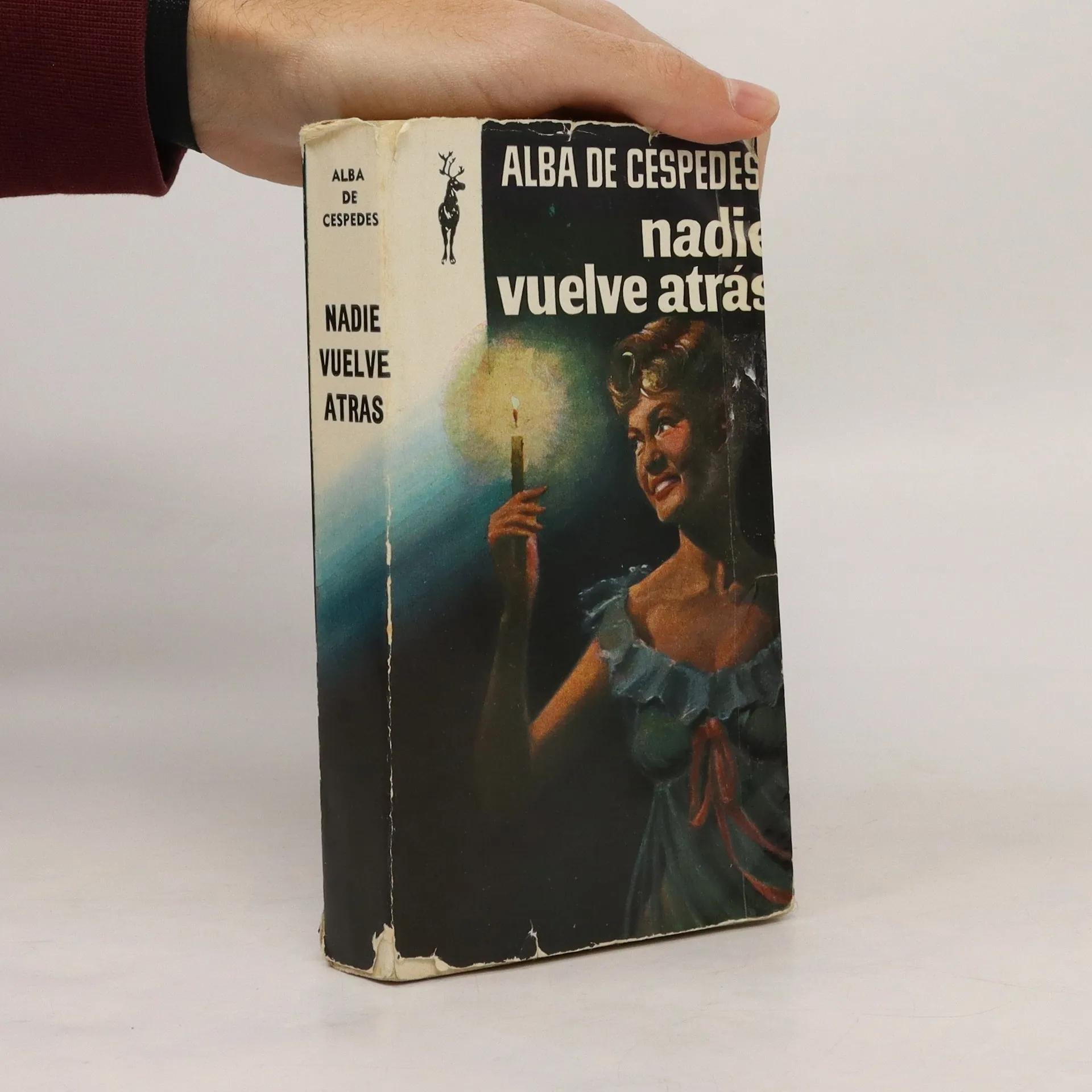
آلبا دسس پدس در ۱۹۱۱ در رم به دنیا آمد. نویسندگی را در سال ۱۹۳۴ با انتشار مقالاتی شروع کرد. در ۱۹۳۵ به زندان افتاد و تا آزادی رم در سال ۱۹۴۴ در زندان بود. اولین مجموعه داستانهای او به نام کنسرت در ۱۹۳۷ منتشر شد. کتاب هیچ کس به گذشته برنمیگردد و فرار هر دو توسط فاشیستها توقیف شد. در سال ۱۹۴۴ مجلهی سیاسی، ادبی، علمی مرکوری را بنیان نهاد. دسس پدس امروزه یکی از مشهورترین نویسندگان ایتالیا و جهان است؛
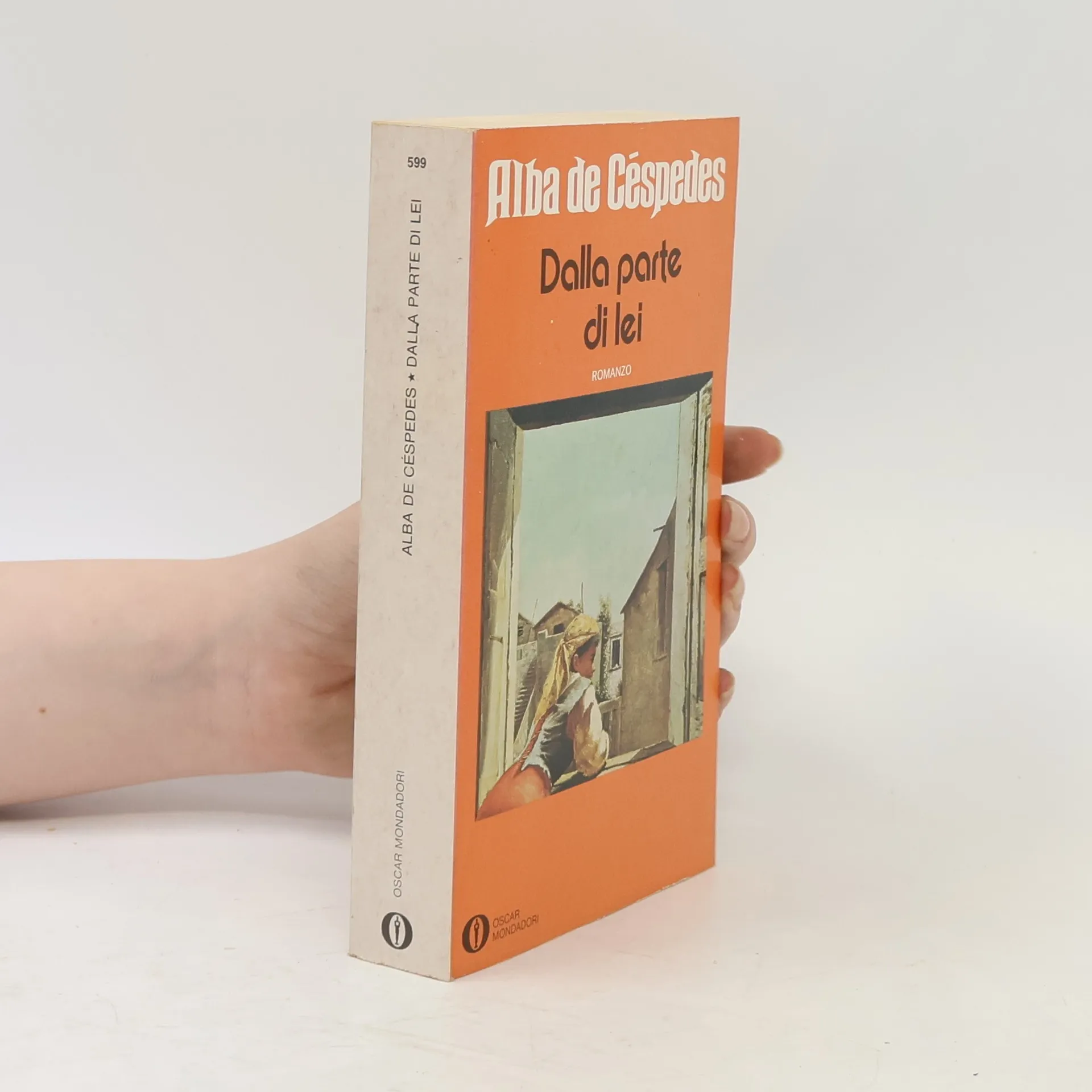
«La storia di un grande amore e di un delitto»: così l'autrice stessa definì Dalla parte di lei. Narratrice e protagonista è Alessandra Corteggiani che in questo lungo memoriale rievoca le proprie vicende familiari e personali per raccontare - rigorosamente "dalla parte di lei" - la storia italiana degli anni a cavallo tra fascismo, Resistenza e ricostruzione. Spicca in particolare il personaggio della madre, suicida per amore, di cui la figlia rifiuta di ripetere il destino. Mandata dal padre presso i parenti in un remoto paesino dell'Abruzzo con la speranza che faccia suo il dovere della sottomissione, Alessandra cresce invece sempre più consapevole della "questione femminile" e determinata a ottenere per le donne lo stesso rispetto tributato abitualmente agli uomini. L'evento cruciale nella sua vita è l'innamoramento per Francesco, professore antifascista, che sposerà; ma il loro amore è destinato a una fine tragica... Sullo sfondo della guerra e della lotta partigiana, Alba de Céspedes compone un romanzo stupefacente per la varietà delle situazioni, l'esattezza dei ritratti, la ricchezza dei toni. Un sofisticato gioco di specchi dal quale emerge la presa di coscienza di una donna che, in un mondo sempre più dominato dagli uomini, riesce a trasformare la rassegnazione in ribellione.
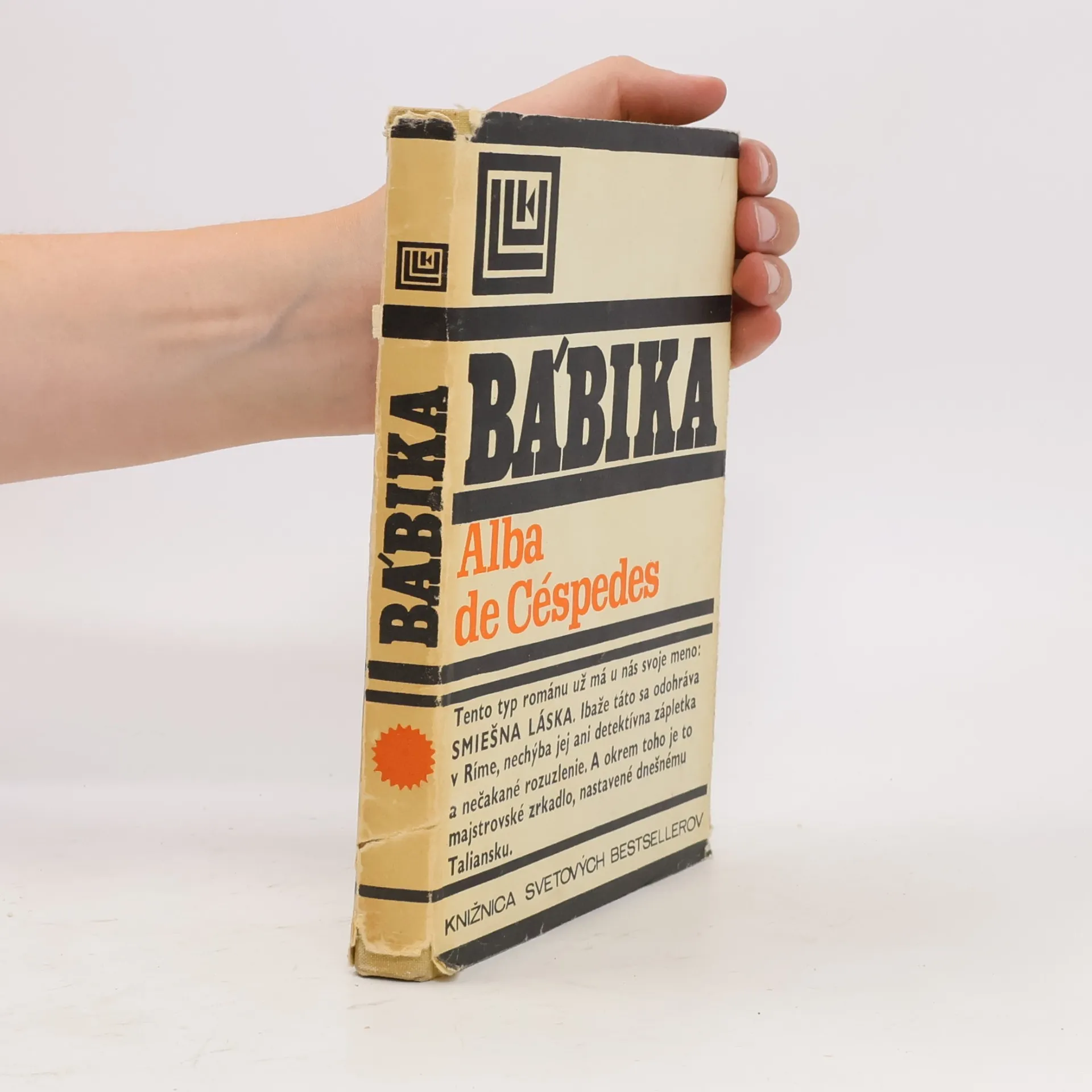
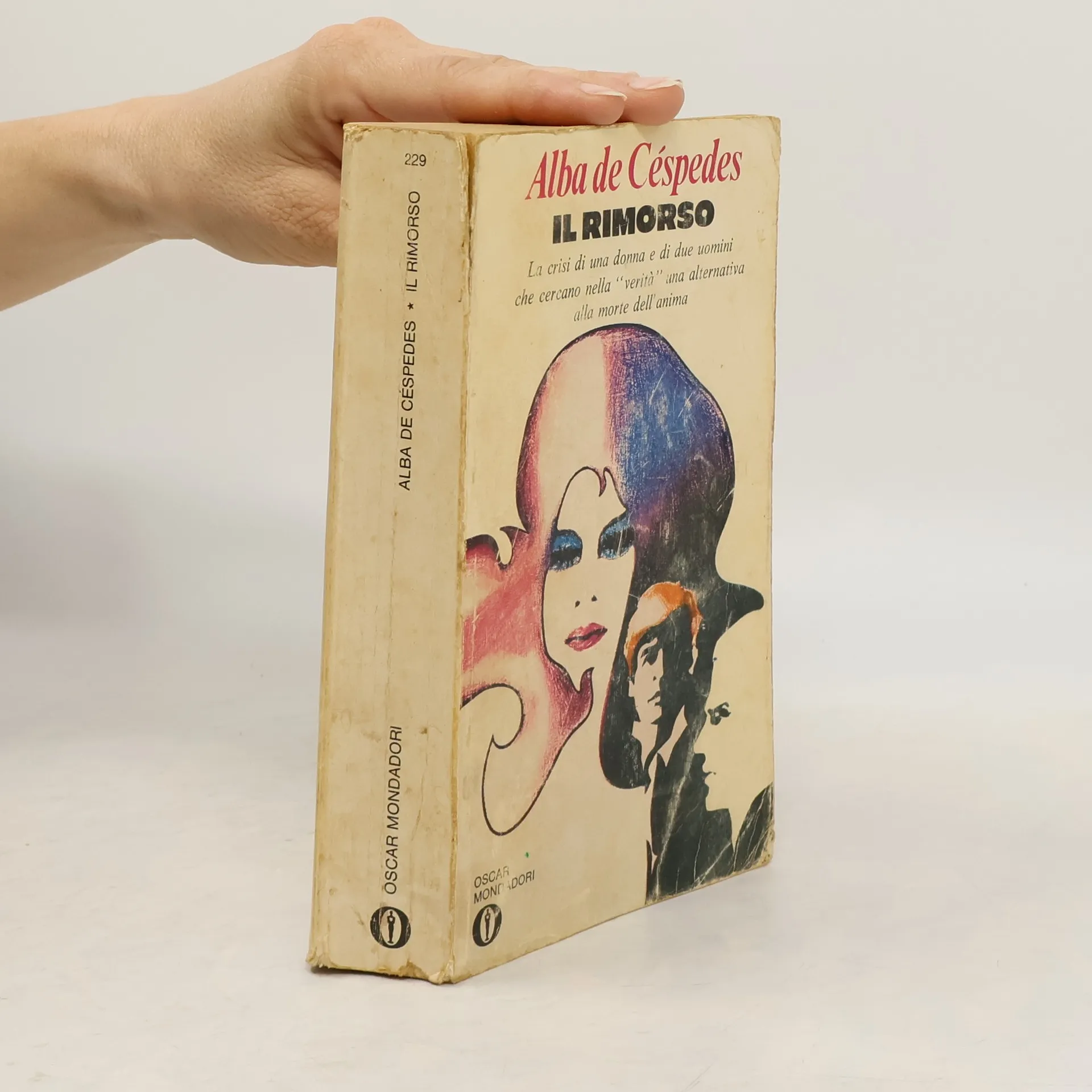
V centre diela Výčitky svedomia na rozdiel od predchádzajúcich románov nestojí iba dnešná žena, ale aj dnešný muž ich problémy, pochybnosti a hľadanie. Je to román epištolárny — vo forme listov medzi hlavnými postavami, pričom sú tieto listy akousi spoveďou, ktorou sa očisťujú od výčitiek svedomia. Hlavné postavy rozdeľuje neprekonateľná svetonázorová bariéra. Na jednej strane stoja ateisti Francesca a Gerardo, nekompromisní k sebe i k ostatným, nezakrývajú si podstatu svojich problémov. Postupne si vyjasňujú i svoj vzťah k sebe a neboja sa riskovať, lebo chcú žiť inak tak, ako to človeku káže svedomie. Na druhej strane stoja „kresťania" - meštiaci ktorí si pod kepienkom svojej viery neodrieknu nijaké potešenie.
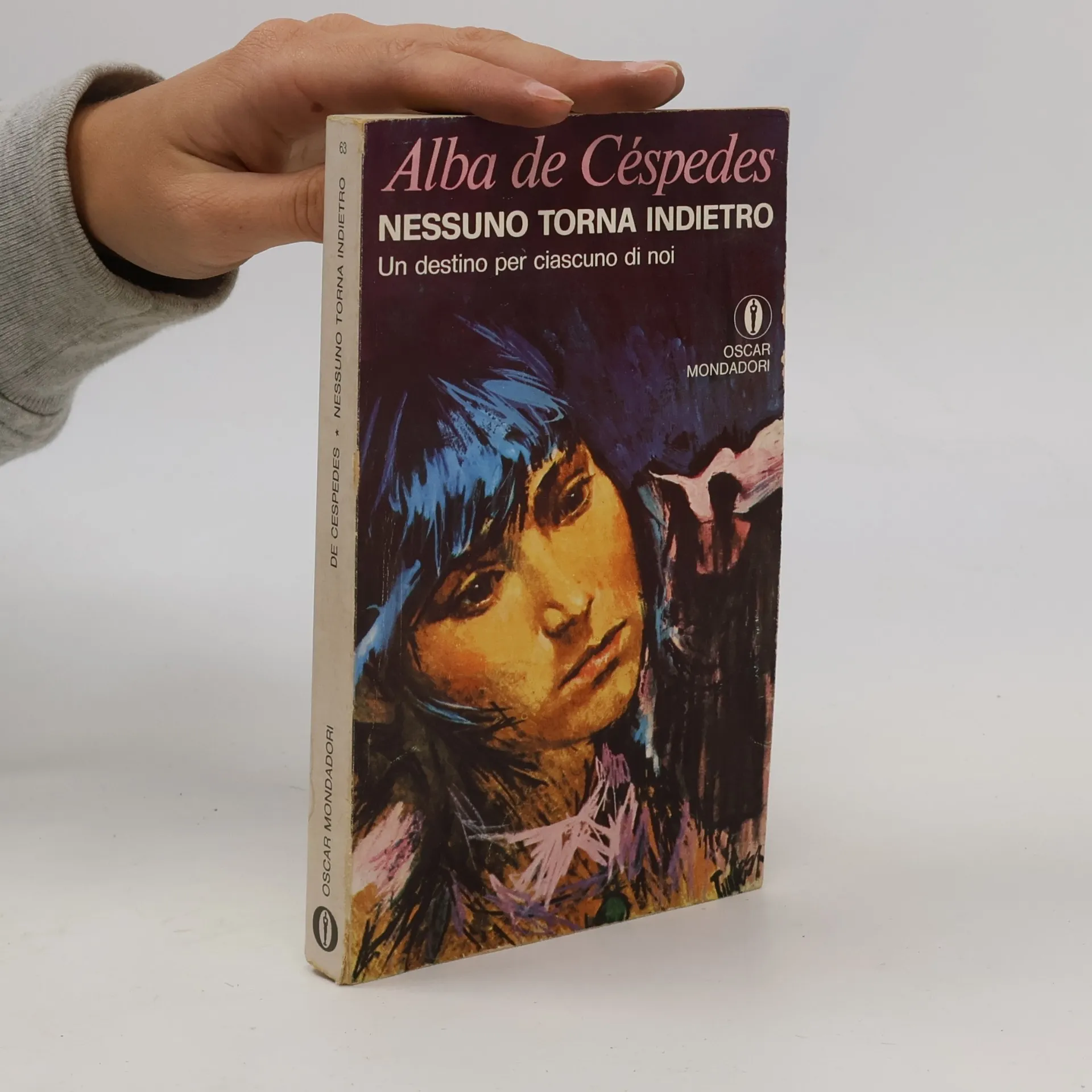
NESSUNO TORNA INDIETRO
Un destino per ciascuno di noi
Sans autre lieu que la nuit
- 410 pages
- 15 hours of reading
Un petit appartement du Quartier Latin, une soirée mondaine à Marly, un hôpital psychiatrique ou un bar, dans le métro ou un taxi : le Paris nocturne, inquiétant et complexe, nous "parle".
Set in fascist Rome, this novel explores the intense emotional turmoil of a woman who finds herself compelled to commit murder against the man she loves. The story delves into themes of passion, betrayal, and the moral complexities of love in a politically charged environment, offering a gripping narrative that examines the darker sides of human relationships.
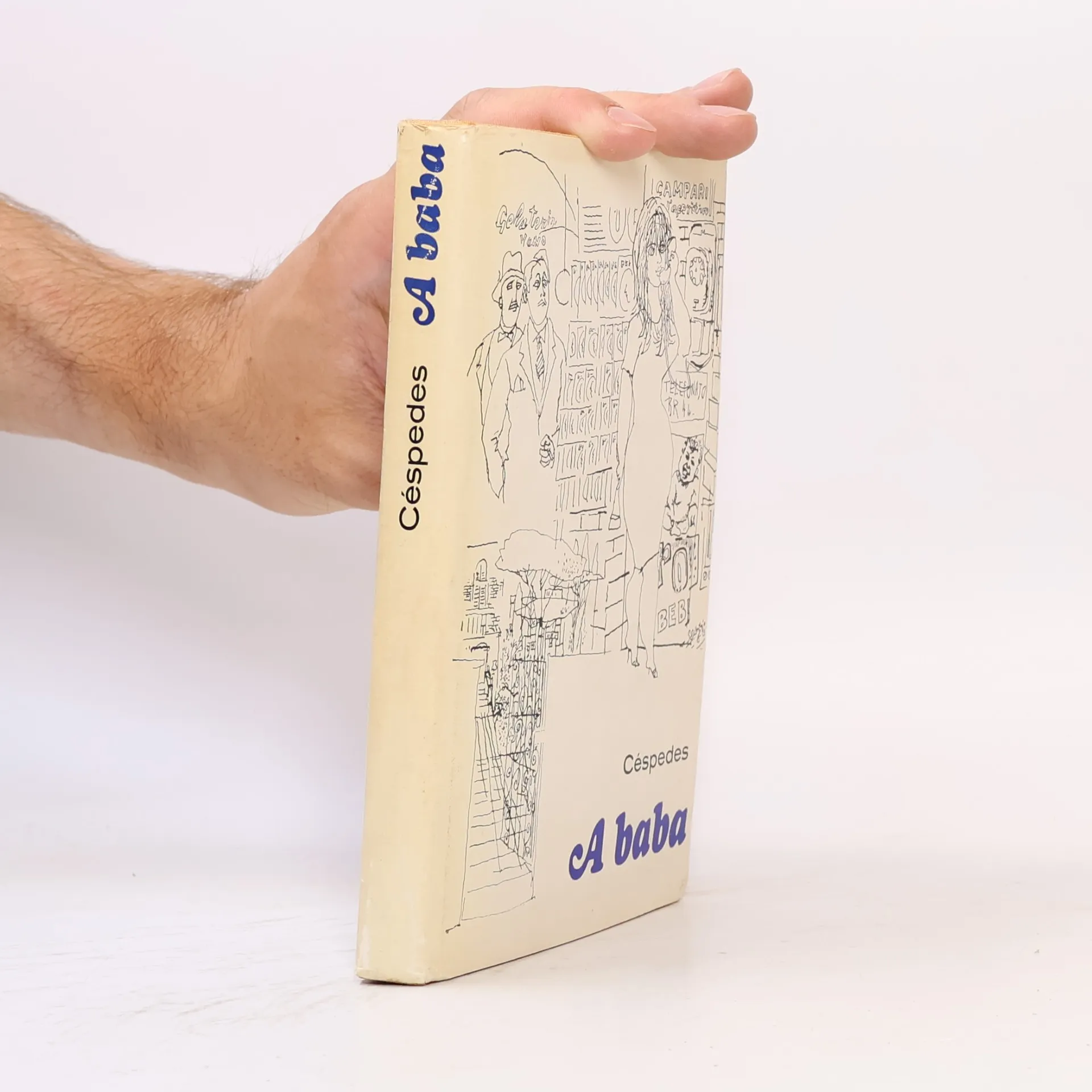
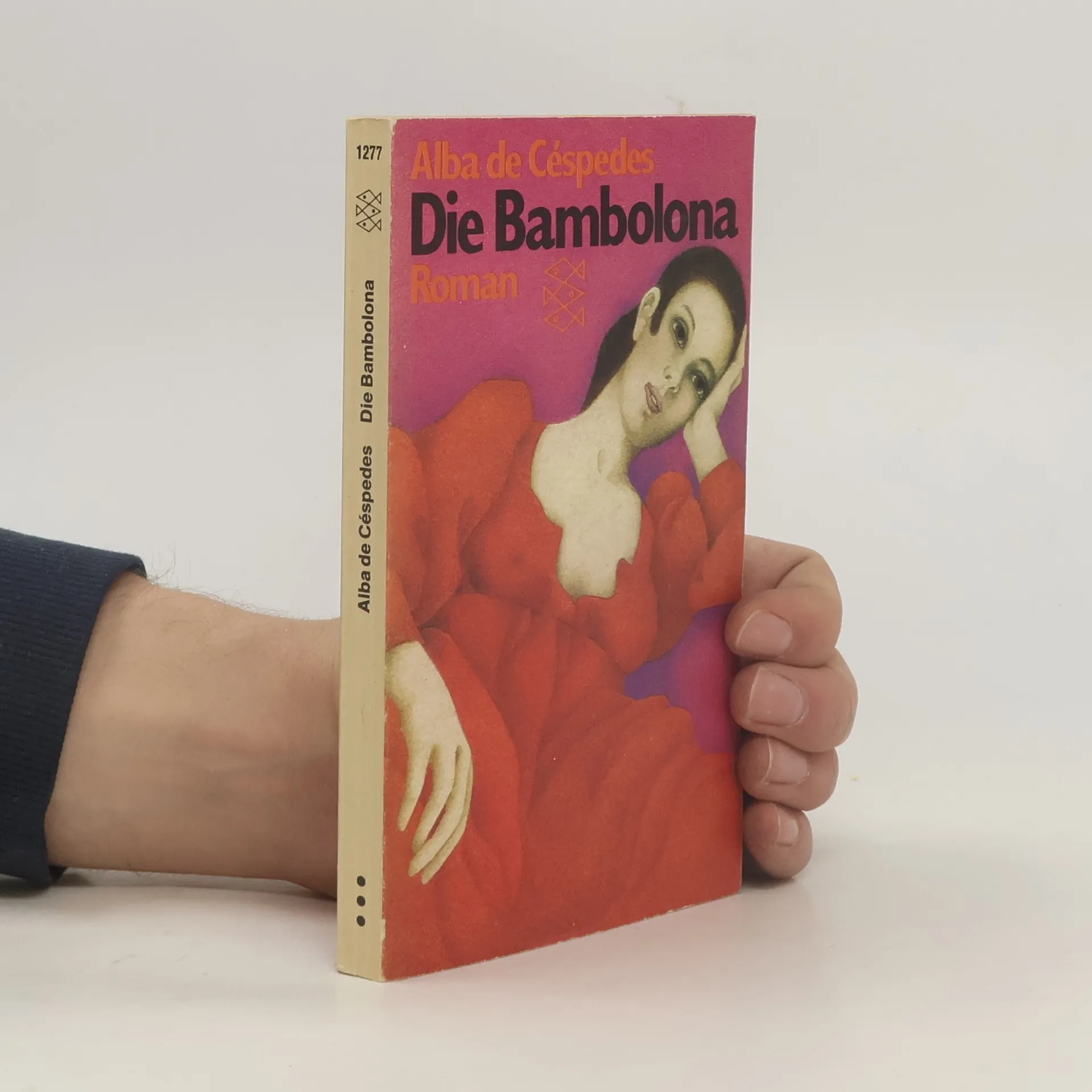
Príbeh úspešného muža v stredných rokoch, ktorý vášnivo zatúži po sedemnásťročnej dievčine. Pôvab „bábiky“ je v telesnej príťažlivosti, o to dráždivejšej, že „bábika“ je naivná a úplne nevinná, ako sa zaľúbencovi zdá. Pointa prekvapí nielen čitateľa, ale i hlavného hrdinu. Nejde tu však len o „smiešnu lásku“, autorka, stopercentná Rimanka, nás tu oboznamuje s mnohými tajmi dnešného Ríma a zasvätene nám dáva nazrieť do zákulisia mravopočestných talianskych rodín.
Die Bambolona
- 224 pages
- 8 hours of reading
Úspěšný a právě zfilmovaný román italské autorky, v současné době velmi překládané. Hrdinou je známý advokát, proslulý jako světák a donchuán, který se ve své čtyřicítce přes svou inteligenci a zkušenosti zamiluje do osmnáctileté dívky krásných forem, avšak mentálně zaostalé.Tento vztah přivádí jej do trapných i groteskních situací a dává mu příležitost, aby sebe a své konání spatřoval v nelichotivém tragikomickém světle.
Novela italské spisovatelky pozoruhodně zachycuje niterné stavy mladé intelektuálky, která zavrhla morální pokrytectví měšťácké společnosti, po svém si buduje existenci a řeší svůj vztah k milovanému muži.
Román italské spisovatelky, vyprávějící o osudech několika dívek a jejich milostných vztazích, se ve své době stal bestsellerem a v roce 1943 byl zfilmován.