


Explore the latest books of this year!
Bookbot

Georges Lefèbvre

    August 6, 1874 – August 28, 1959

    Georges Lefebvre was a French historian, best known for his work on the French Revolution and peasant life. His scholarship delves deeply into the social and economic underpinnings of these pivotal historical periods. Lefebvre's analyses offer invaluable insights into the daily existence of ordinary people and their roles in shaping historical events. His research approach redefined the understanding of mass movements and their societal impact.

    La grande peur de 1789
    1789
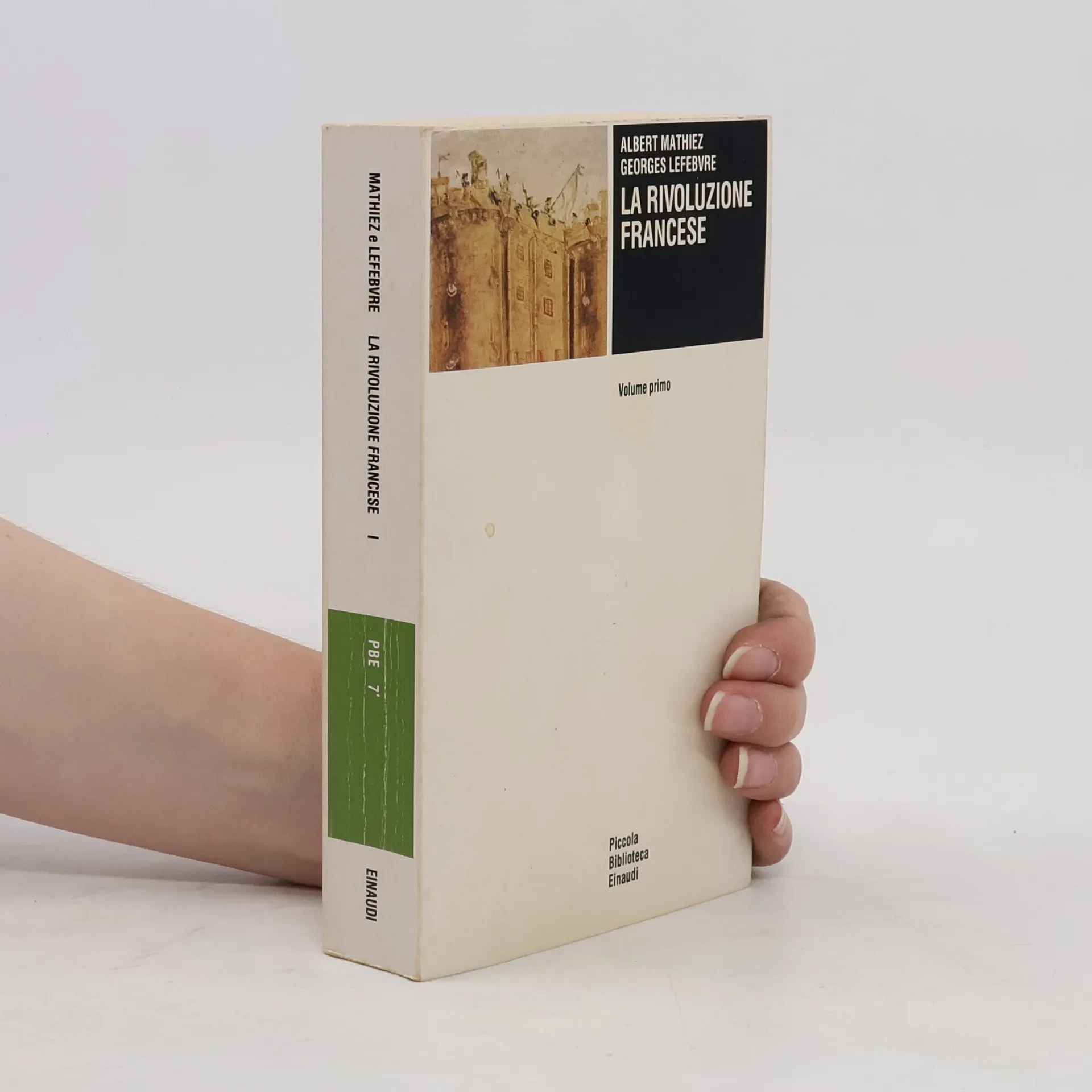
    La Rivoluzione Francese
    The French Revolution
    Napoleon
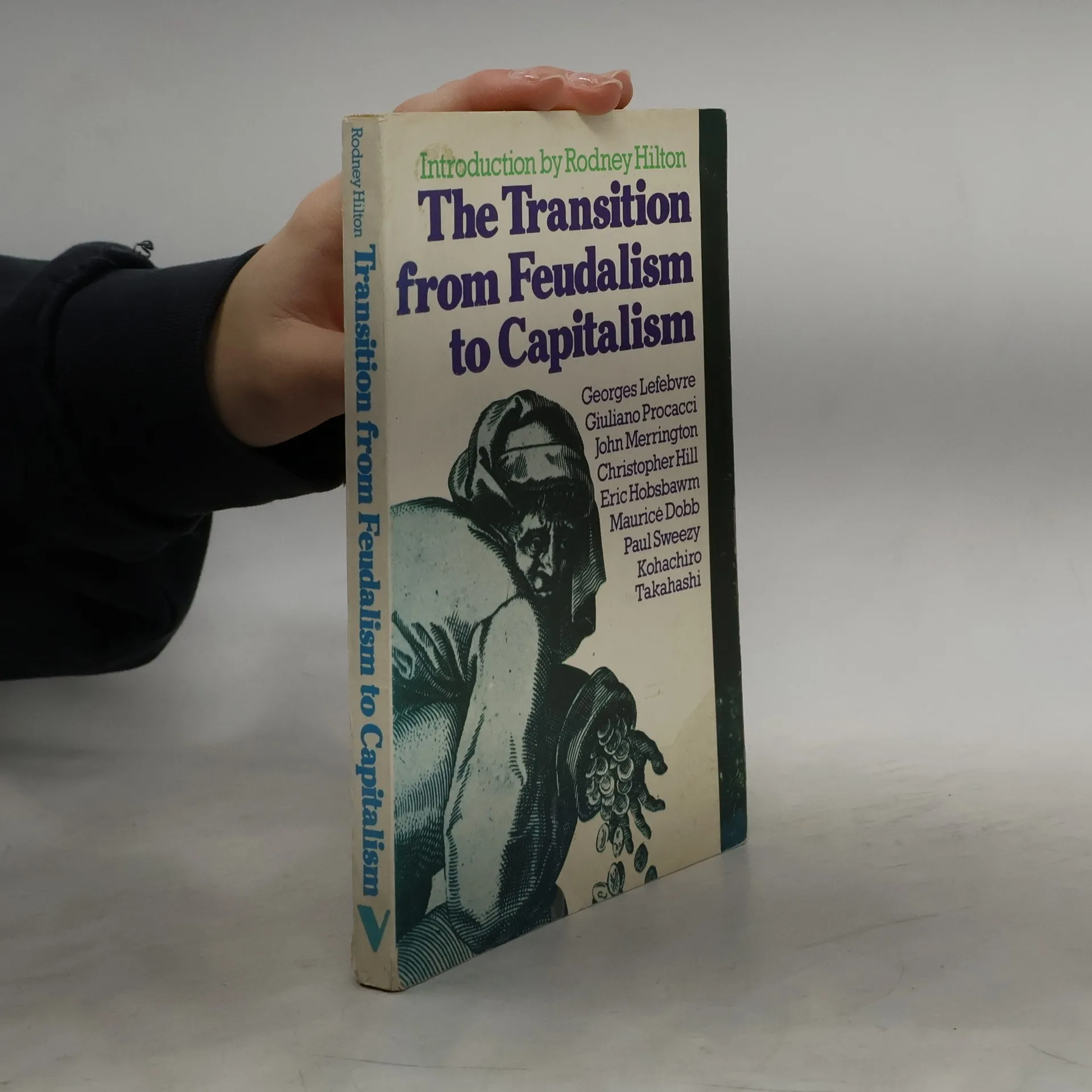
    The Transition from Feudalism to Capitalism
    • La grande peur de 1789

      • 303 pages
      • 11 hours of reading

      La grande peur de 1789 est un événement étonnant. En réaction aux incertitudes de la Révolution, d'un bout à l'autre du royaume, se répand l'idée que des aristocrates arment des brigands pour ravager les récoltes et massacrer le peuple. Aux contemporains déconcertés, elle apparut comme un mystère. Ceux qui voulurent, à toutes forces, en improviser une explication l'attribuèrent à un complot qu'ils rapportèrent, suivant leurs opinions, à l'aristocratie ou aux révolutionnaires. Œuvre majeure de Georges Lefebvre (1874-1959), cet ouvrage se situe à la croisée de l'histoire sociale et de l'histoire des mentalités. Il constitue une étude inégalée sur le rôle et la signification des foules dans la Révolution française et dans l'Histoire

      La grande peur de 17892021
    • Georges Lefebvre's portrayal of Napoleon and his era is regarded as a classic and comprehensive biography of the great Corsican. His brilliant psychological sketch is among the finest written about him. The author narrates not only the military and political events but also illuminates the social and economic aspects of the time. In a sophisticated manner, he reflects Napoleon's biography and personality within the context of an epoch, its historical conditions, and its dynamics. With Napoleon, the French Revolution comes to an end, ushering in a new era. As a brilliant strategist, he exploited the political vacuum and the security needs of the new bourgeois society to establish his dictatorship. He waged wars across old Europe until it collapsed, paving the way for a reconstruction modeled after France: the modern Europe of nation-states and the contemporary European social order emerged.

      Napoleon2003
      3.9
    • The French Revolution

      • 400 pages
      • 14 hours of reading

      Written by the greatest authority on the French Revolution, this masterly overview has taken its place as the definitive account.

      The French Revolution2001
      3.8
    • Frei und gleich an Rechten werden die Menschen geboren und bleiben es. Die sozialen Unterschiede können sich nur auf das gemeine Wohl gründen. Eklärung der Menschen- und Bürgerrechte 1789, Artikel I

      17891989
      3.0
    • La Rivoluzione Francese

      • 989 pages
      • 35 hours of reading

      Un'opera diventata un classico imprescindibile della storia rivoluzionaria; un'opera in cui il grande storico della Rivoluzione francese Albert MATHIEZ (1874-1932) voleva "tracciare un quadro, il più esatto, chiaro e vivo possibile, di ciò che fu la Rivoluzione francese sotto i suoi diversi aspetti" e "mettere in luce l'enchainement dei fatti spiegandoli attraverso i modi di pensare dell'epoca e attraverso il gioco degli interessi e delle forze in presenza, senza trascurare i fattori individuali". Contiene: I. La caduta della monarchia (1787-1792); II. La Gironda e la Montagna; III. La paura.

      La Rivoluzione Francese1987
      4.3
    • This book contains writings from a discussion that took place in the pages of the journal Science and Society between 1950 and 1953 on the "transition from feudalism to capitalism." Although the participants' specific fields of study vary, they all attempt to approach events based on the fundamental principles and concepts of historical materialism. As a result of this method, they have tried to integrate their specific disciplines, achieving varying levels of success depending on the depth of their knowledge in economics and history. We believe the book will provide theoretical clarity to the discussions on the "Transition from Feudalism to Capitalism."

      The Transition from Feudalism to Capitalism1978
      4.0