


Explore the latest books of this year!
Bookbot

Gerrit Heinemann

    January 1, 1960
    Web-Exzellenz im E-Commerce
    Plattformökonomie und eCommerce im Banking
    Der neue Online-Handel
    The new online trade
    Intelligent retail
    B2B eCommerce
    • B2B eCommerce

      Basics, Business Models and Best Practices in Business-to-Business Online Trade

      This textbook covers the basics of business-to-business (B2B) eCommerce, where similar principles of customer targeting can be observed as in B2C eCommerce. Gerrit Heinemann highlights the specifics and business models of B2B eCommerce, analyzes the digital challenges and shows the consequences and opportunities for online sales in B2B. Recognised best-practice examples illustrate how successful B2B eCommerce can work and which risks have to be considered.

      B2B eCommerce
    • Intelligent retail

      The Future of Stationary Retail

      • 393 pages
      • 14 hours of reading

      This book shows stationary retail a way to reinvent itself after Corona, in order to be able to survive against the strong competition of online retail. The focus is on the central issues that will shape the retail of the future. For example, brick-and-mortar retail in particular must now work with intelligent systems based on data and adopt or even surpass methods that the large online marketplaces have been using successfully for a very long time. In this regard, artificial intelligence also plays a major role in retail. This is not just about automation and robots taking over tasks, but also about instruments and machines being able to learn and draw conclusions themselves in all retail functions. This is becoming increasingly difficult because our shopping and search behavior is constantly changing. Therefore, a customer should receive intelligent recommendations in the store, which are also based on his already known interests and behavior patterns. Gerrit Heinemann shows how intelligent action can save stationary retail in city centres and shopping centres. The content - From stationary Retail to intelligent Retail - Threats to the stationary retail trade - Basic requirements and manifestations of intelligent Retail - Examples of intelligent retail of the future - Risks for intelligent Retail

      Intelligent retail
    • The new online trade

      Business models, business systems and benchmarks in e-commerce

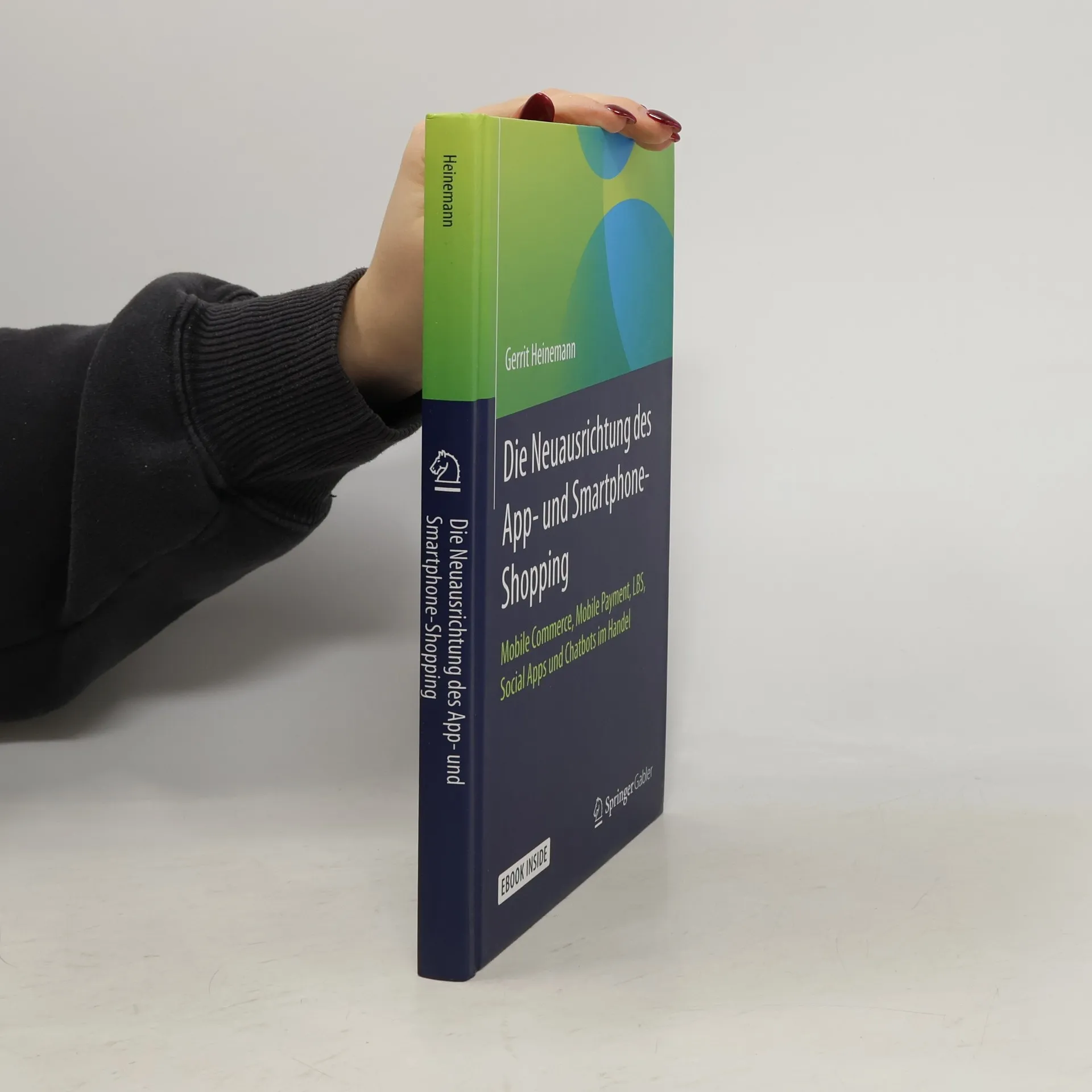
      This book explores developments and future trends in e-commerce, influenced by evolving digital communication and consumption patterns. Gerrit Heinemann examines various e-commerce business models, emphasizing channel excellence and critical success factors like digital time advantages and customer centricity. The analysis addresses digital challenges while highlighting the consequences and opportunities of online commerce. Best practices illustrate effective digital commerce strategies and the lessons learned over recent years. The 13th edition outlines new approaches shaping online retail's future and identifies long-term issues. For instance, while app and smartphone commerce, including mobile payments, remain significant, sustainability has emerged as a pressing concern in e-commerce. This shift reflects a growing consumer demand for environmental consideration. The work focuses on sustainable e-commerce within online logistics, contrasting with the trend towards quick commerce. Topics such as climate neutrality and returns management are gaining prominence. Additionally, the book delves into current issues like marketplaces and social commerce, while addressing new legal requirements that impose greater responsibilities on marketplace operators. Key content includes meta-targeting, business models, forms of online trade, benchmarks, best practices, and risks in online retailing.

      The new online trade
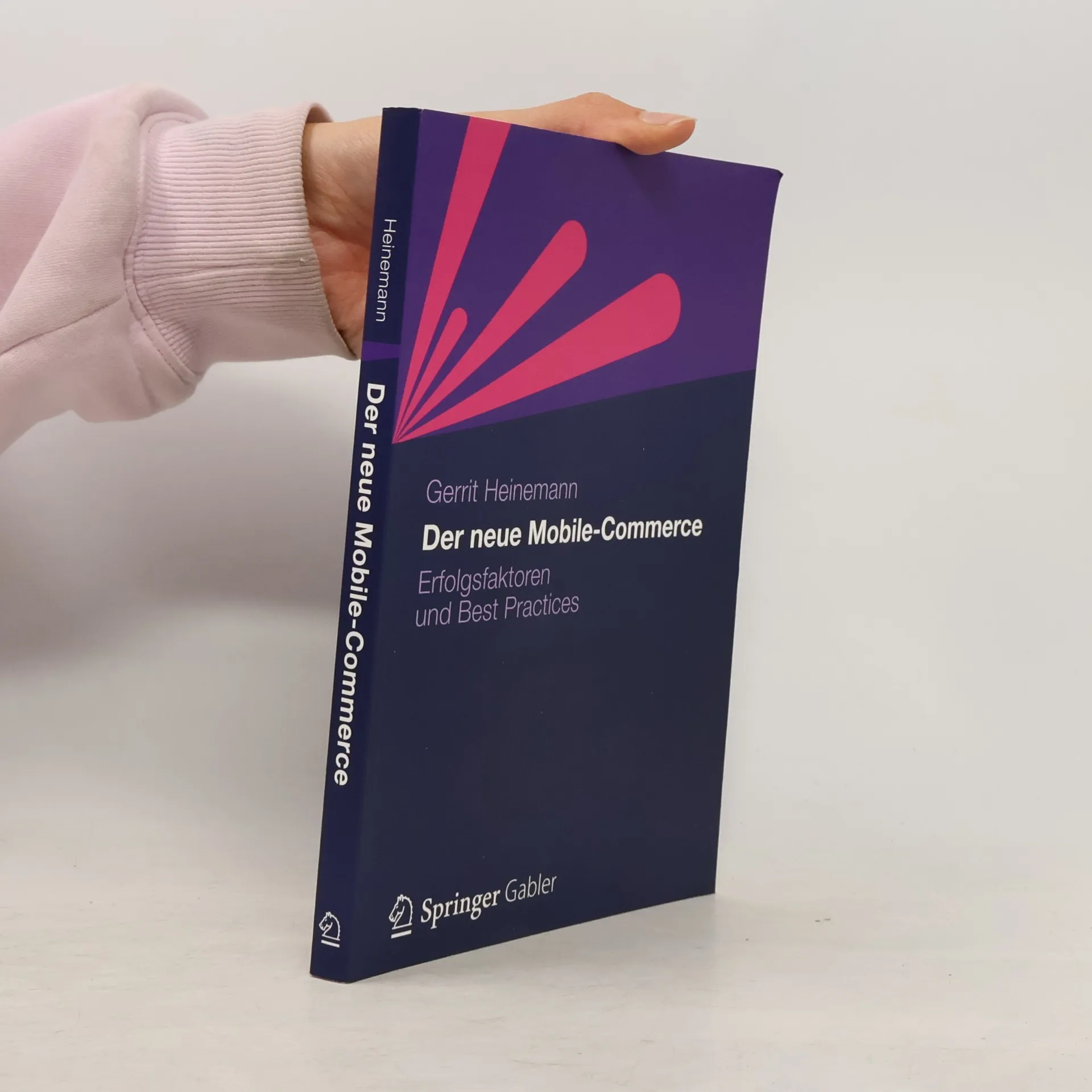
    • Gerrit Heinemann erläutert die Besonderheiten des neuen Online-Handels und zeigt auf, welche spezifischen Voraussetzungen gegeben sein müssen, damit der Online-Handel zum Erfolg wird. Anerkannte Best Practices machen anschaulich, wie erfolgreicher Internet-Handel funktioniert und was die "Lessons Learned" der letzten Jahre sind. In der 4. Auflage wurden alle Kapitel grundlegend überarbeitet und die Best Practices ausgetauscht. Neu hinzu kommt das Thema Controlling des Online-Handels. Den Key-Trends im Online-Handel und vor allem dem neuen Mobile-Commerce wurde ein besonderer Stellenwert eingeräumt.

      Der neue Online-Handel
    • Plattformökonomie und eCommerce im Banking

      Grundlagen, Plattform-Geschäftsmodelle, Optionen und Lösungsansätze

      • 168 pages
      • 6 hours of reading

      Dieses Buch will Banken und Sparkassen dabei unterstützen, die schon in anderen Branchen gemachten Fehler bei der Umsetzung der Plattformökonomie zu vermeiden. Dazu werden die wichtigsten Plattformmodelle anderer Branchen skizziert und es wird systematisch aufgezeigt, welche Geschäftsmodelle und Optionen plattformökonomisch im Banking zur Verfügung stehen. Die digitale Revolution stellt gerade den Bankensektor auf den Kopf. Den letzten Kick dazu gab die neue Zahlungsdienstrichtlinie der EU, die im September 2019 in Kraft getreten ist. Sie soll den Wettbewerb verstärken und die Teilnahme von Nichtbanken am Zahlungsverkehr erhöhen. Was aus Verbrauchersicht durchaus von Vorteil sein kann, bedeutet für die Bankenwelt eine enorme Zäsur und bricht ihr lukratives Monopol beim Zugriff auf Kontodaten. Für Banken geht es nun schlicht und ergreifend darum, sich entweder von FinTechs und branchenfremden Plattformen auch bei komplexen Bankprodukten die Butter vom Brot nehmen zu lassen oder aber mit einer eigenen wettbewerbsfähigen Plattformlösung zu kontern. Jedoch ohne zeitraubende Experimente, denn die FinTechs sowie vor allem externe Plattformen und Vergleichsseiten wie Check24 oder Verivox haben die Bankkunden bereits ins Visier genommen. Der Inhalt - Standortbestimmung der Plattformökonomie- Plattformökonomie für Finanzdienstleistungen- Customer Journey: Bankkunden und ihre Entscheidungswege- Digital Readiness der Banken und Sparkassen - Zukünftige Plattformmodelle für Sparkassen und ihre Bewertung Inhaltsverzeichnis Standortbestimmung der Plattformökonomie.- Plattformökonomie für Finanzdienstleistungen.- Customer Journey: Bankkunden und ihre Entscheidungswege.- Digital Readiness der Banken und Sparkassen.- Zukünftige Plattform-Modelle für Sparkassen und ihre Bewertung.- Umsetzung digitaler Plattformmodelle und Ausblick.

      Plattformökonomie und eCommerce im Banking
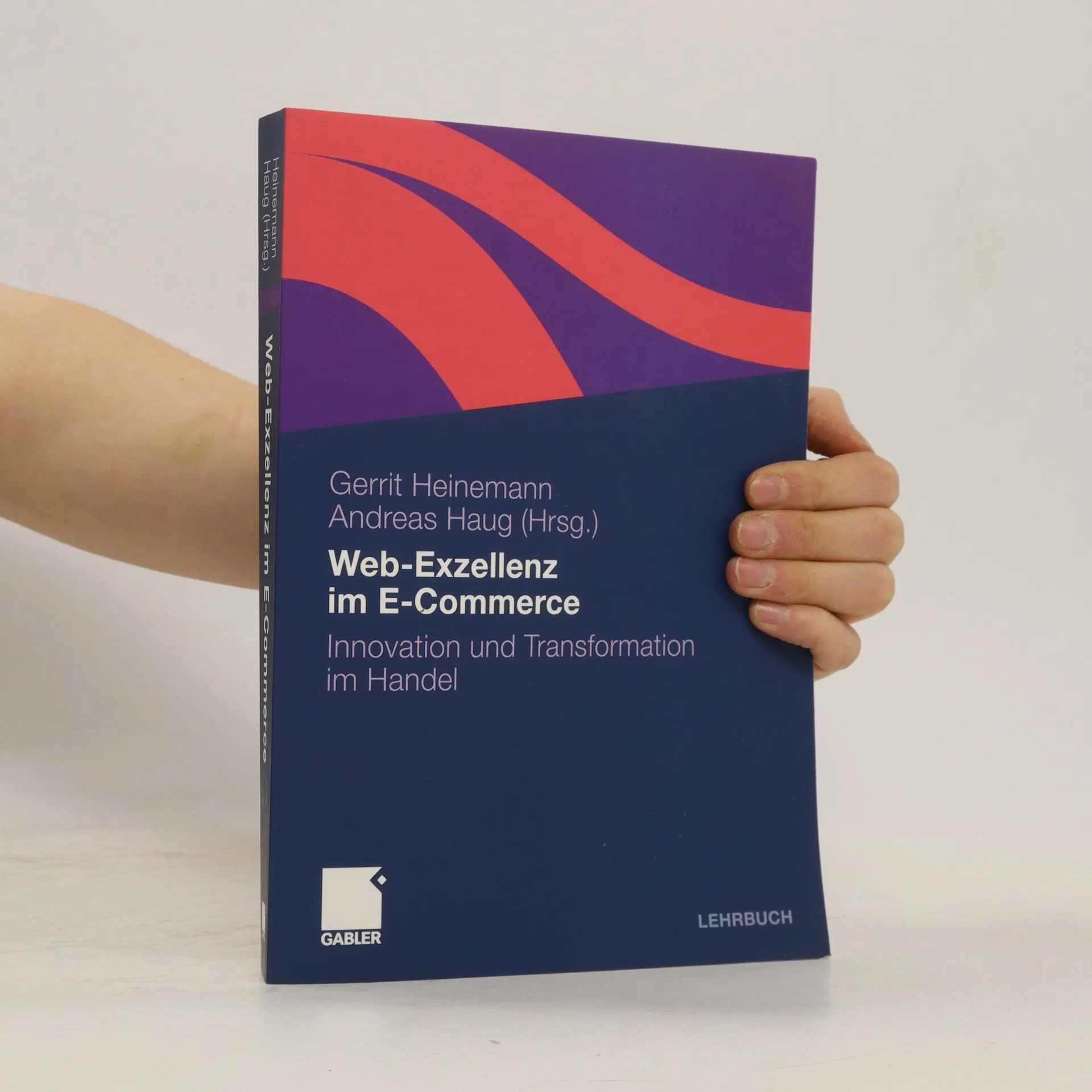
    • Web-Exzellenz im E-Commerce

      Innovation und Transformation im Handel

      • 358 pages
      • 13 hours of reading

      E-Commerce bietet für Unternehmen nur Chancen, wenn diese zu fundamentalen Veränderungen bereit sind und sich dabei mit den Besten messen. Das betrifft nicht nur die Geschäftsidee, sondern auch das Geschäftsmodell und behandelt alle relevanten Themen des E-Commerce von der Innovation bis zur Transformation. Heinemann/Haug stellen die Kernthemen des erfolgreichen E-Commerce fundiert dar und veranschaulichen anhand von umsetzungserprobten, aktuellen Beispielen (wie z. B. brands4friends, smatch, mindwyse, Tube4Fashion, Douglas. de, Galeria-Kaufhof. de, hagebau. de, Otto Group, eVenture Capital Partners u. a.) die moderne und erfolgreiche Handelspraxis.

      Web-Exzellenz im E-Commerce