Curating in a Time of Ecological Crisis reaffirms the relevance and impactful
role of art, revealing how contemporary art exhibitions can capture the
zeitgeist and advance new and collaborative approaches to a more sustainable
inhabitation of Earth.
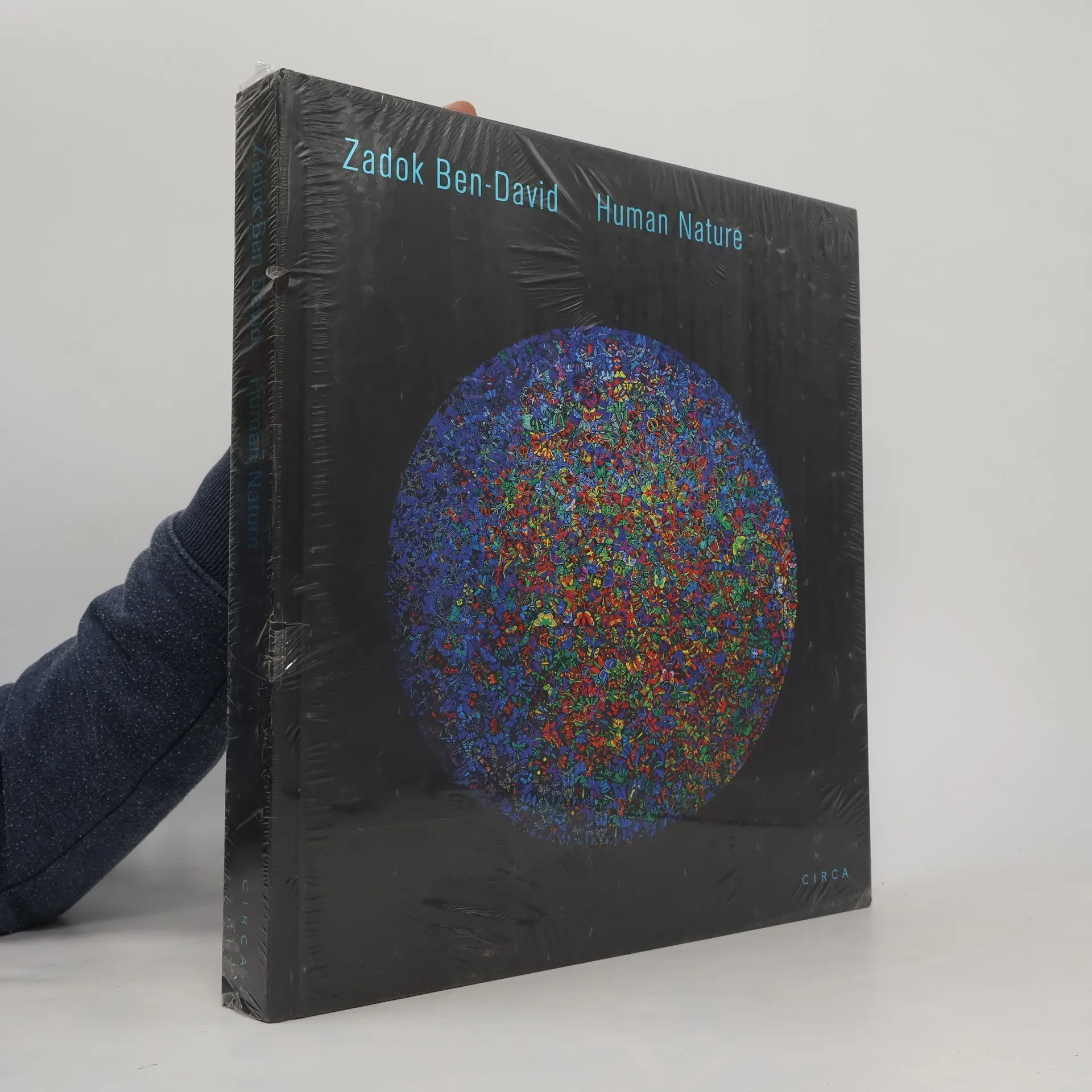
Zadok Ben-David's inspiration derives from nature, science, magic and illusion. From Evolution and Theory (1995), where he explores scientific discoveries, to the psychological installation Blackfield (2007), with thousands of flowers, and the magical The Other Side of Midnight (2013), which incorporates hundreds of insects, one of the characteristics of Ben-David's work is the use of multiplicity as an organizing principle. He creates an alternate amplified viewing space where the relationship between viewer (human) and artwork (nature) is both sacred and destabilizing. The new ongoing installation People I Saw but Never Met, features thousands of miniatures of people that he has photographed and drawn during his travels, suggesting ways in which we are both isolated yet always close together. Together with outdoor works, completed over a twenty-year period, this new book brings these four installations together for the first time, in all their magical detail.