Schwarze Athene
Die afroasiatischen Wurzeln der griechischen Antike; wie das klassische Griechenland "erfunden" wurde
- 807 pages
- 29 hours of reading


Die afroasiatischen Wurzeln der griechischen Antike; wie das klassische Griechenland "erfunden" wurde
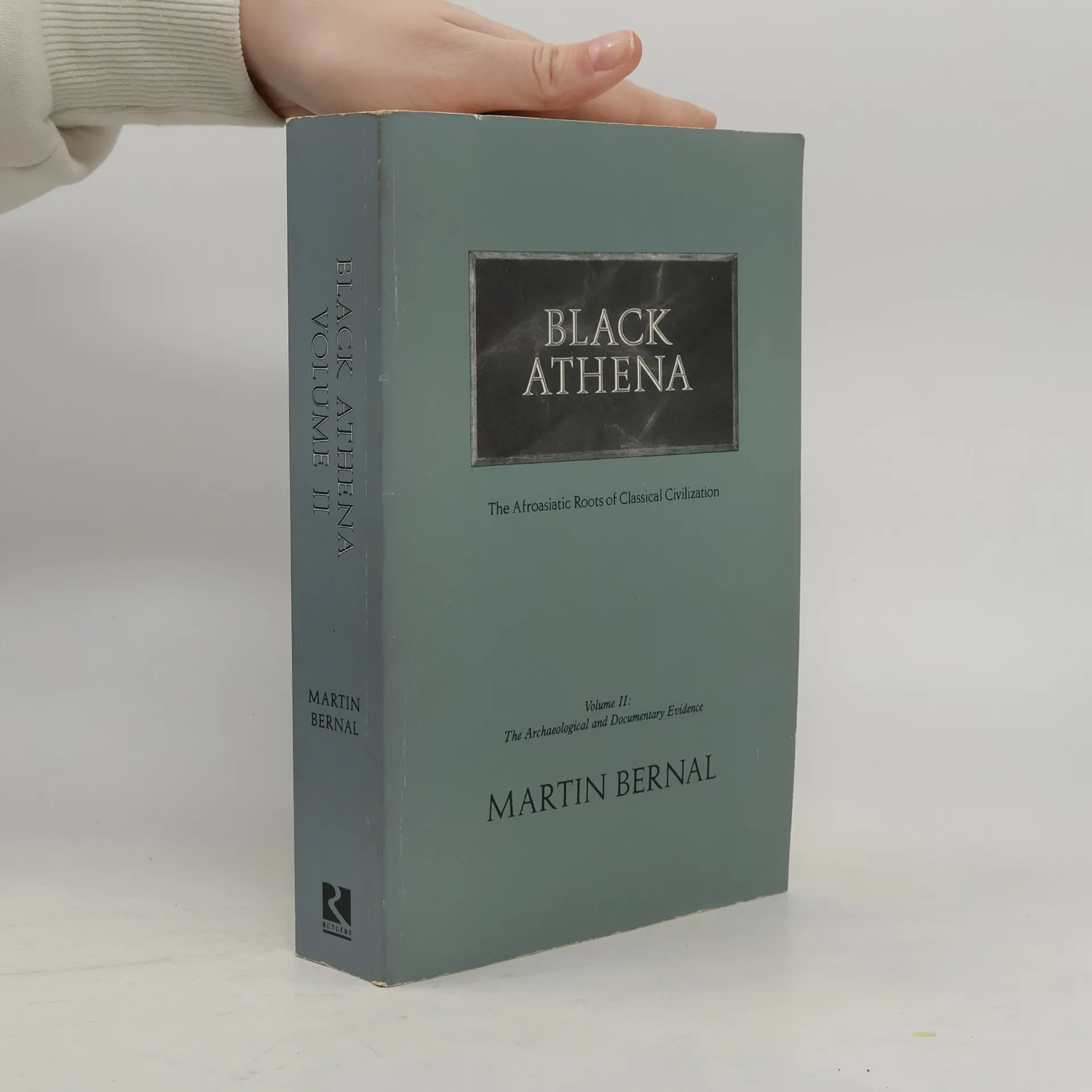
Winner of the American Book Award in 1990, this volume is the second in a projected four-part series examining the competition between two historical models for the origins of Greek civilization. The Aryan Model posits that Greek culture emerged from the conquest of native "pre-Hellenes" by Indo-European speakers or "Aryans" from the north. In contrast, the Ancient Model, upheld in Classical Greece, claimed that the native population was initially civilized by Egyptian and Phoenician colonists, with further Near Eastern cultural influences introduced through Greek interactions in Egypt and Southwest Asia. Martin Bernal introduces a Revised Ancient Model, suggesting that while Indo-European elements are fundamental to Greek language and culture, significant non-Indo-European influences primarily stem from Egyptian and Levantine sources. Volume II focuses on archaeological and documentary evidence of interactions between Egypt, the Levant, and the Aegean during the Bronze Age, approximately from 3400 B.C. to 1100 B.C. This exploration is enriched by insights from later Greek myths, legends, religious practices, and language. Bernal concludes that the extent and impact of these contacts were far greater than commonly acknowledged. Additionally, he addresses reviews and criticisms of Volume I in the introduction.
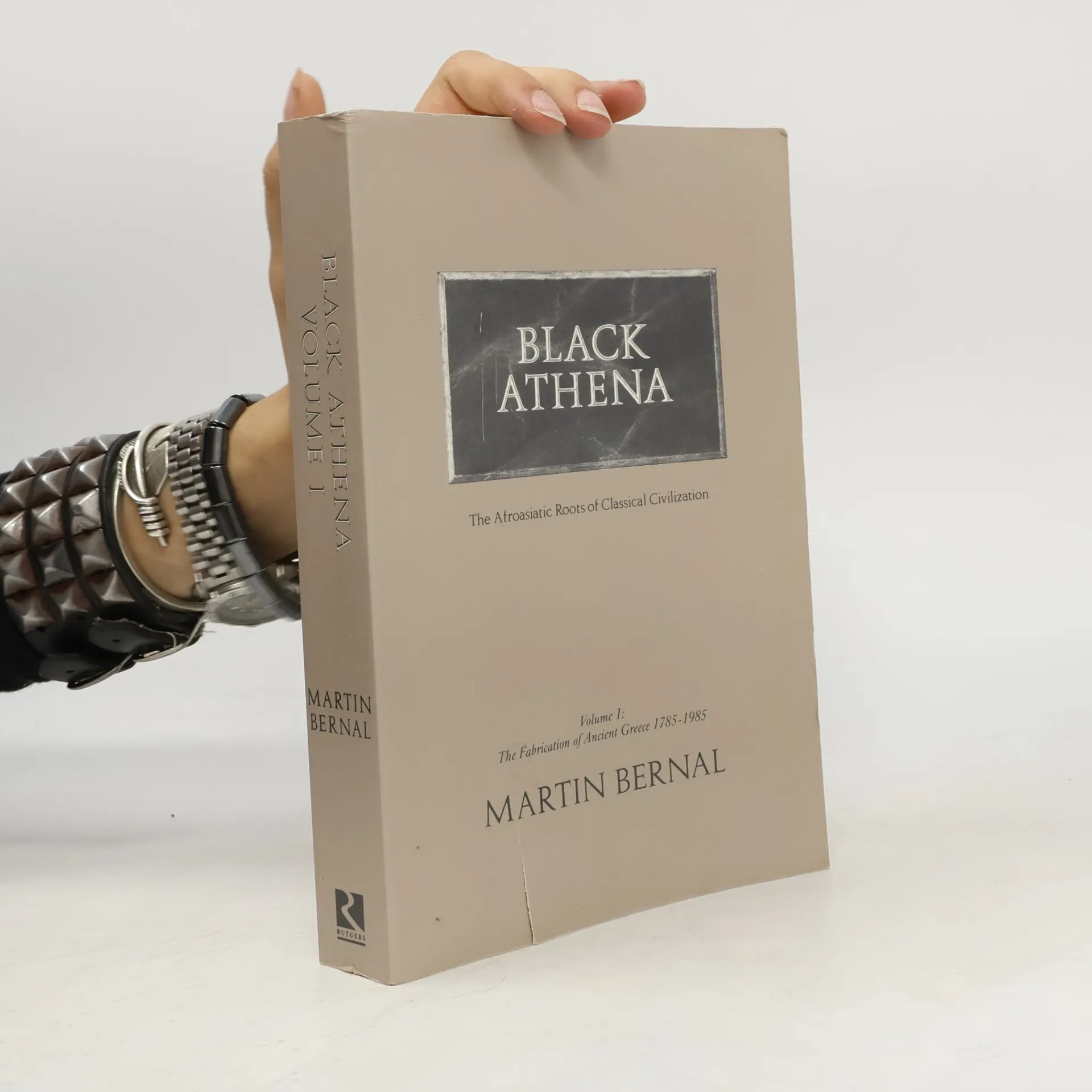
Could Greek philosophy have roots in Egyptian thought? Might the Pythagorean theory have originated by the Nile and Euphrates rather than in ancient Greece? For nearly two centuries, Western scholars have largely dismissed such ideas. In a bold three-volume series, Martin Bernal challenges Eurocentric views, questioning two long-standing explanations for the origins of classical civilization. The Aryan Model posits that Greek culture emerged from the conquest of native "pre-Hellenes" by Indo-European speakers, while the Ancient Model suggests that Greece was initially civilized by Egyptian and Phoenician colonists, with additional influences from Greeks studying in Egypt and Southwest Asia. Bernal introduces a Revised Ancient Model, arguing that classical civilization has deep roots in Afroasiatic cultures. This final volume focuses on linguistic evidence that contradicts the Aryan Model, showing that nearly 40 percent of Greek vocabulary likely derives from Ancient Egyptian and West Semitic languages. These derivations extend beyond trade to encompass politics, religion, and philosophy. Bernal asserts that an Indo-European people in Greece were culturally dominated by speakers of these Afroasiatic languages. This provocative volume culminates a significant reevaluation of history that has sparked academic and political debate since the series began.