
Explore the latest books of this year!
Bookbot

Anatxu Zabalbeascoa

    Die neue spanische Architektur
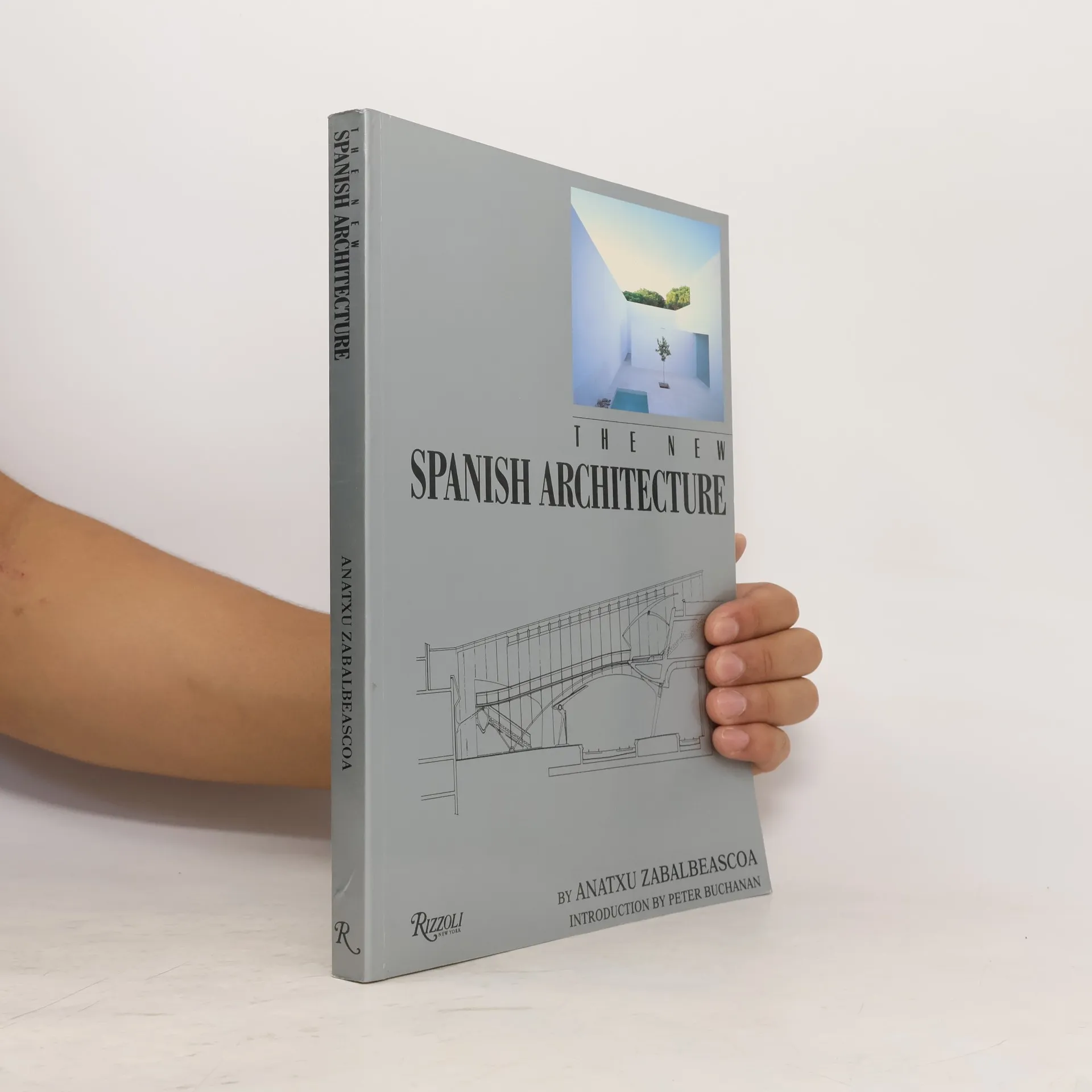
    The New Spanish Architecture
    Minimalisms
    The House of the Architect
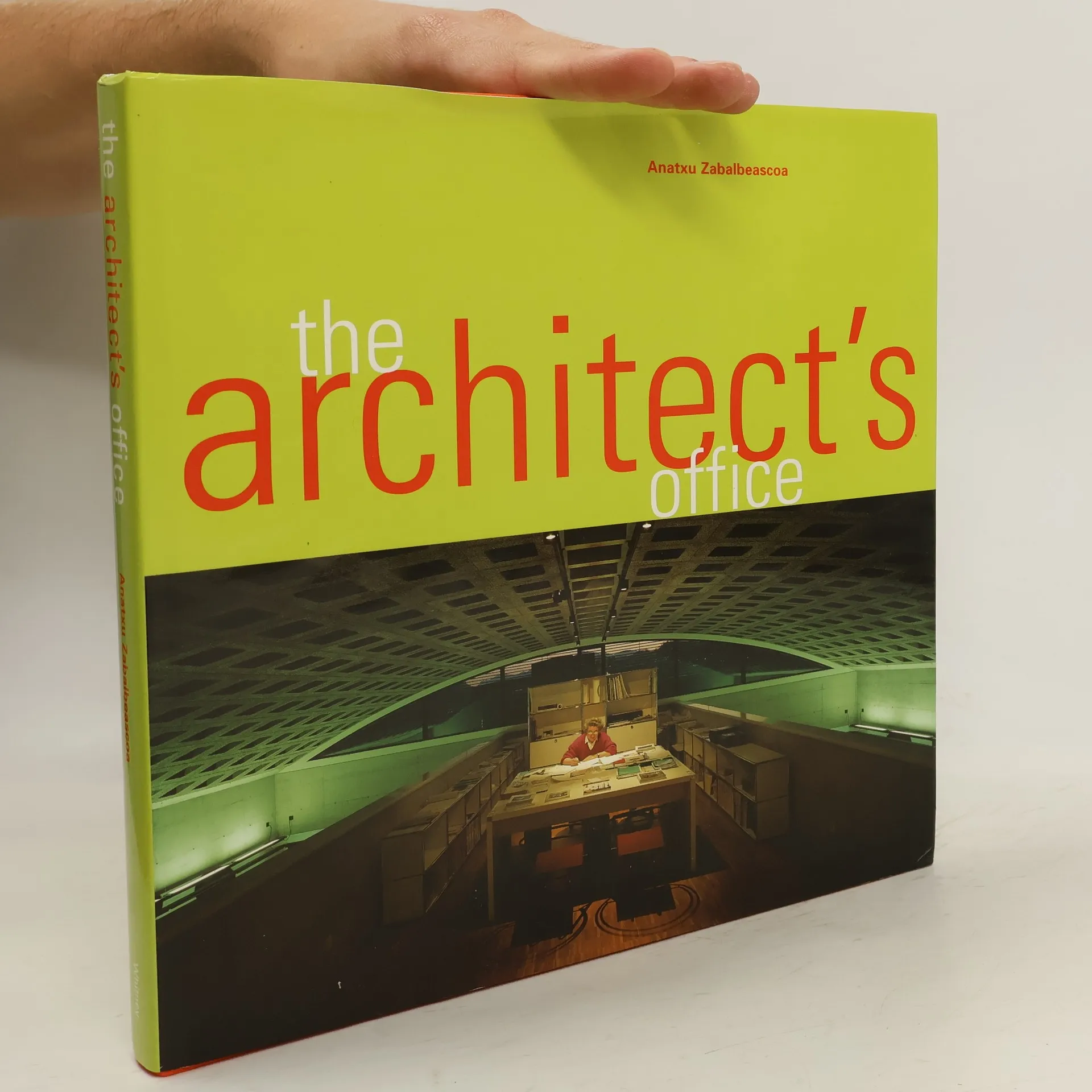
    The Architect's Office
    • The Architect's Office

      • 192 pages
      • 7 hours of reading

      A translation of the Spanish work published in 1996 by Editorial Gustavo Gili S.A., Barcelona. An introductory essay describes the history of the profession of architecture and of architects' workspaces. Following the introduction are profiles of 38 well-known architecture offices from around the world. Full-page color photos of exteriors and interiors are accompanied by descriptive text. Among those Michael Graves, Robert Venturi, Richard Meier, Mario Botta. Also included is biographical information (and a small b&w photo) for each architect. 10x10 Annotation c. by Book News, Inc., Portland, Or.

      The Architect's Office
      5.0
    • Minimalisms

      • 144 pages
      • 6 hours of reading

      In recent years terms such as geometrical purity, technical precision, elimination of ornament and abstraction have tended to be summed up in a single word: minimalism. This book establishes, in art and architecture, the genealogy of a concept whose currency in our daily lives transcends any one discipline. After reviewing the work of the minimalist sculptors who came to the fore in the 1960s (Donald Judd, Carl Andre, Sol LeWitt, Robert Morris), the book goes on to consider the austere rationalism of architects such as Adolf Loos and Mies van der Rohe. On this basis, Minimalisms sets out to present examples of recent architectural practice (Herzog & de Meuron, Peter Zumthor, John Pawson) which, in their combination of the purest forms of the Modern Movement with the most advanced techniques and materials, have helped popularise an aesthetic and a word that has become a sign of the times.

      Minimalisms
      4.0
    • The New Spanish Architecture

      • 222 pages
      • 8 hours of reading

      Spain, a country that has become a hotbed for creativity and style, is now more than ever in the international spotlight. Since the end of Franco's reign in 1975, Spanish architects have succeeded in rebuilding the public and cultural realms in what Peter Buchanan, in his introduction, has described as "an extraordinary act of self-transformation."The New Spanish Architecture features both world-renowned figures, such as Rafael Moneo and Santiago Calatrava, and a fresh selection of up-and-coming stars, among them Enric Miralles and Alberto Campo Baeza. Anatxu Zabalbeascoa's comprehensive essay traces the history of architecture in Spain since the end of World War II and analyzes the new, innovative work featured here, placing it in the context of local trends and larger movements. The thirteen architects and firms whose work is documented in this book are presented individually in generously illustrated chapters.The New Spanish Architecture continues the successful series that began with The New French Architecture , The New Japanese Architecture , and, most recently, The New Finnish Architecture . Up-coming volumes will cover Germany, Austria, and Mexico.

      The New Spanish Architecture