

The second volume of Derek Beales's comprehensive biography explores the life and reign of Emperor Joseph II, highlighting his ambitious reforms and complex personality. It delves into his efforts to modernize the Habsburg Empire, his struggles with tradition, and his relationships with key figures of his time. Through detailed analysis, the book captures the challenges and achievements of a ruler who sought to balance enlightenment ideals with the realities of governance.
Derek Edward Dawson Beales Books

Exploring the intense and suffocating environment surrounding Joseph's upbringing, the book delves into his training for leadership and his complex relationship with his powerful mother as they co-regent after 1765. It highlights the challenges he faced in navigating his role and the dynamics of their partnership in governance.
History: The Risorgimento and the Unification of Italy
- 176 pages
- 7 hours of reading
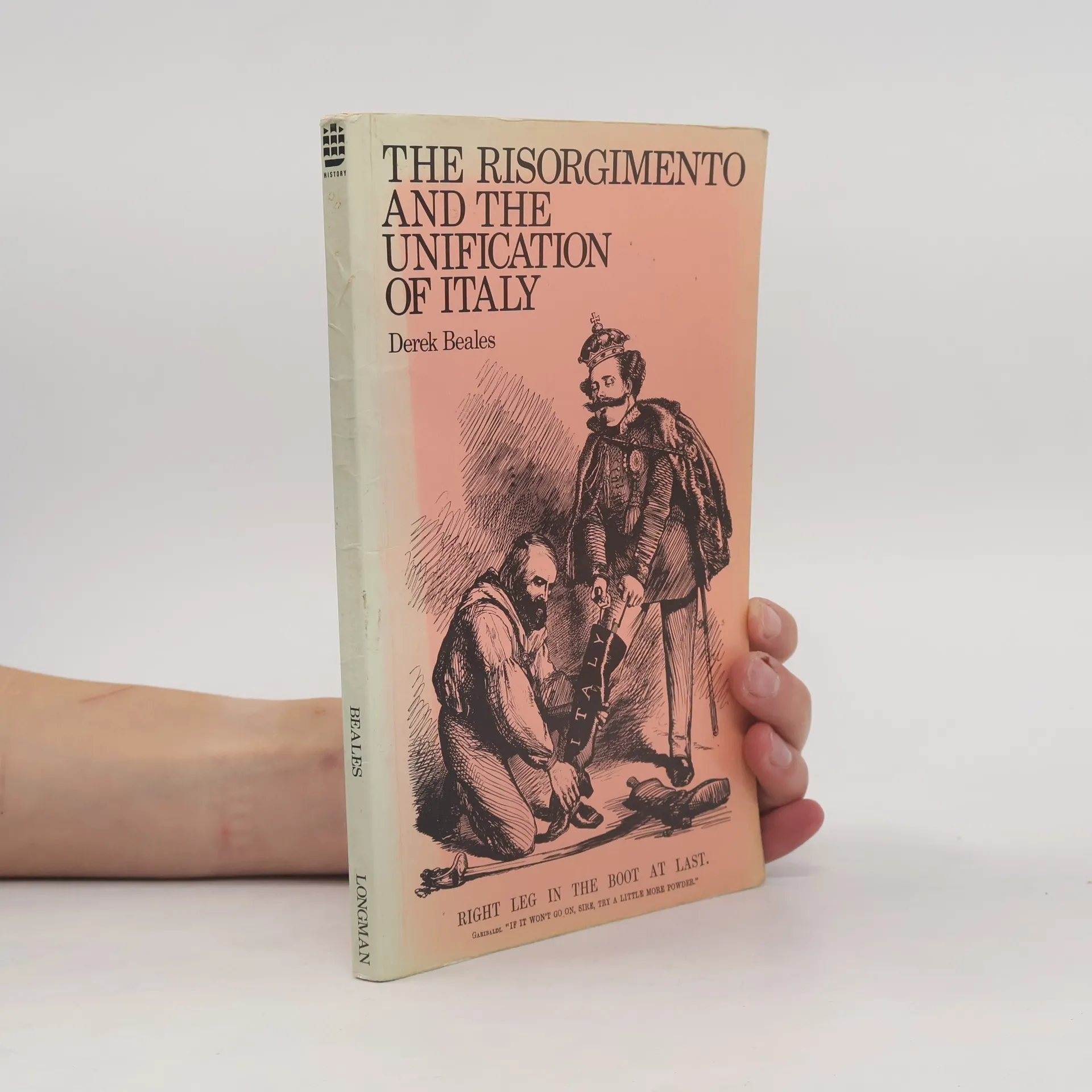
This book introduces the reader to the relationship between the Italian national movement, achieved by the Risorgimento, and the Italian unification in 1860. These themes are discussed in detail and related to the broader European theatre. Covering the literary, cultural, religious and political history of the period, Beales and Biagini show Italy struggled towards nation state status on all fronts.The new edition has been thoroughly rewritten. It also contains a number of new documents. In addition, all the most up to date research of the last 20 years has been incorporated.The Risorgimento and the Unification of Italyremains the major text on nineteenth century Italy. The long introduction and useful footnotes will be of real assistance to those interested in Italian unification.
Mozart and the Habsburgs
- 27 pages
- 1 hour of reading
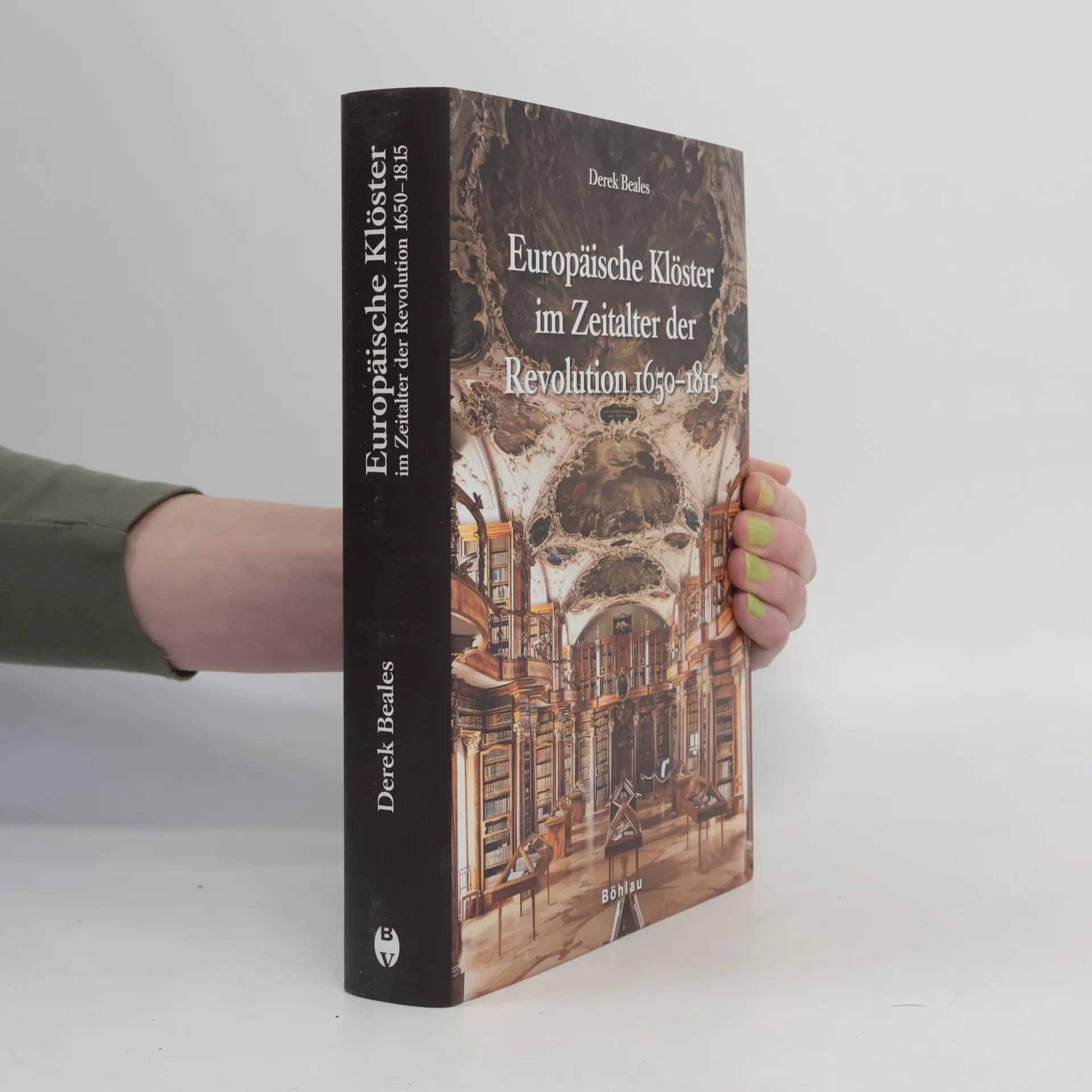
Europa 1750. Die katholischen Klöster erleben eine bespiellose Hochblüte. 25.000 Ordenshäusen und 350.000 Mönchen und Nonnen prägen als Lehrer, Gelehrte, Priester, Missionare, Grundbesitzer, Bauherren und fürstliche Berater das gesellschaftliche und kulturelle Leben in Deutschland und Österreich, in Frankreich, in Spanien und Portugal. Viele von ihnen sind wohlhabend, wie die Benediktiner, die Zisterzienser, die Augustiner oder Kartäuser, manche bleiben Bettelorden . Im gesamten sind sie aber Grundbesitzer und Herren über Millionen Bauern, sie besitzen Höfe und Wälder, sie bauen Vorstädte auf, produzieren und verkaufen Bier, Wein und Schnaps und übernehmen die Aufgaben einer Bank.