

Explore the latest books of this year!
Bookbot

Matthias Kunze

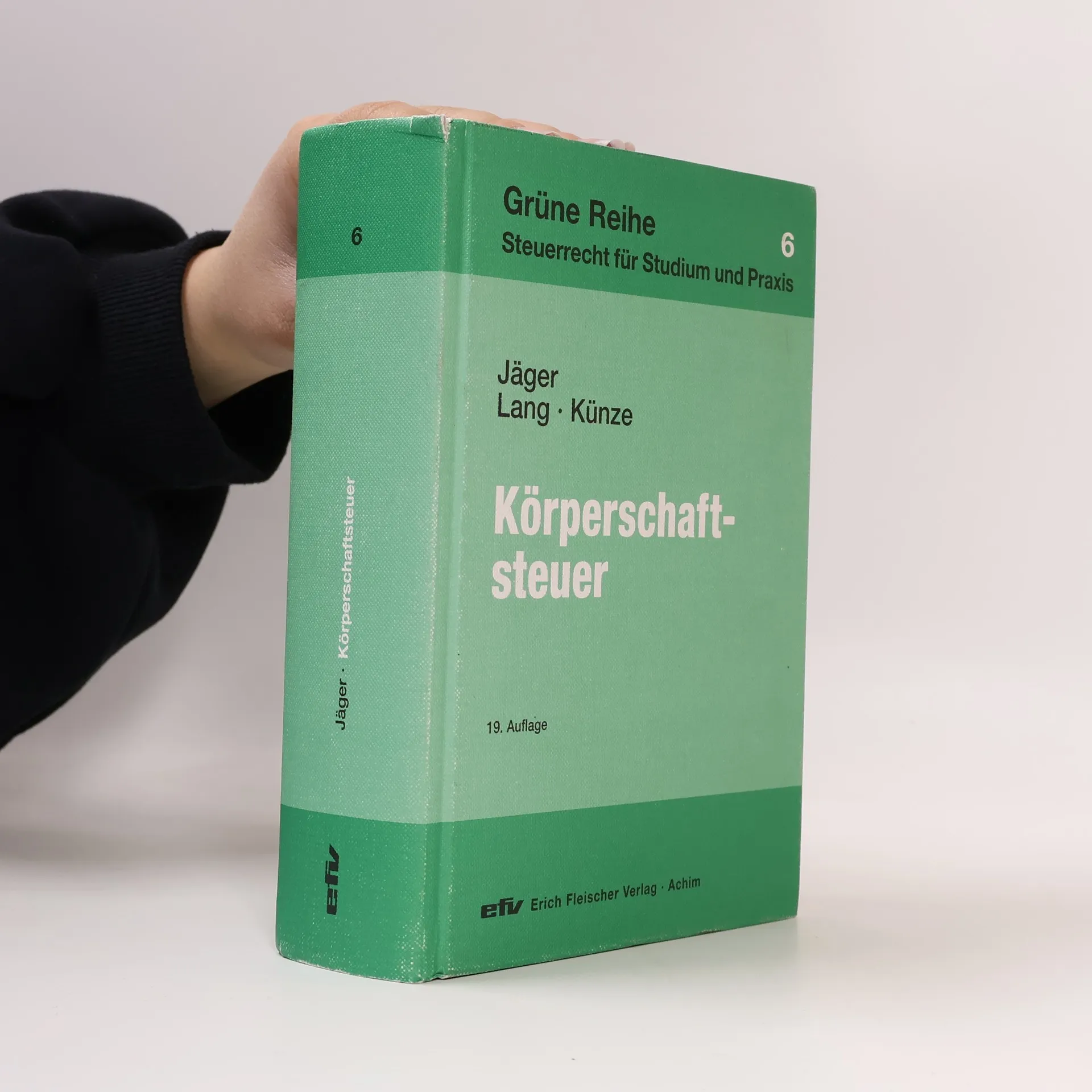
    Grüne Reihe - 6: Körperschaftsteuer
    Vorbild Tiepolo - Die Zeichnungen des Franz Martin Kuen aus dem Museum Weissenhorn
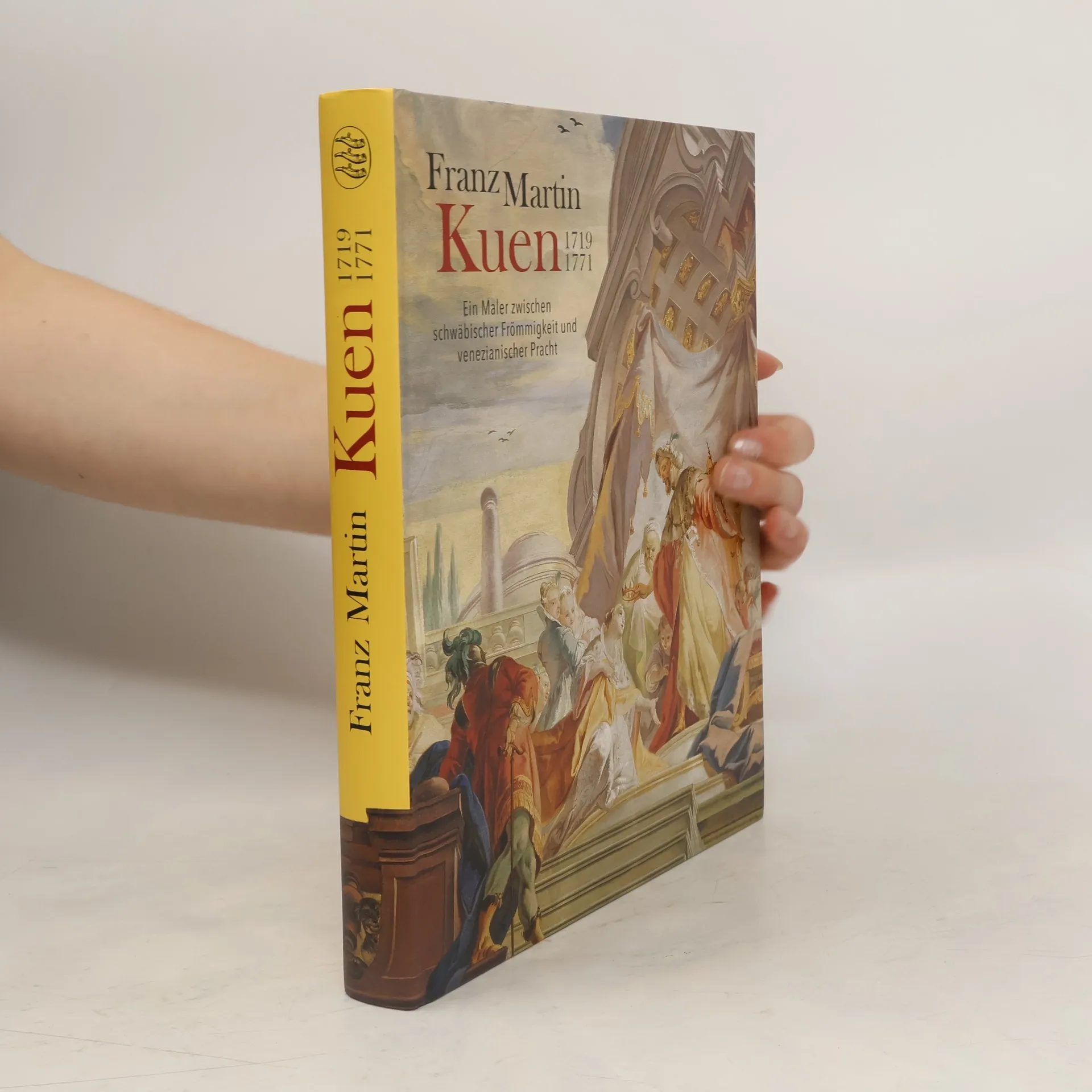
    Franz Martin Kuen 1719-1771
    Daniel Seiter
    Behavioural Models
    • Franz Martin Kuen 1719-1771

      • 328 pages
      • 12 hours of reading

      Der Rokoko-Maler Franz Martin Kuen ist einer der bedeutenden Freskanten Süddeutschlands. 0Mit seiner in Weißenhorn gelegenen Werkstatt konzentriert sich sein Schaffen auf Mittelschwaben, reicht aber auch darüber hinaus vom Feder- und Bodensee im Westen bis zum Ammersee im Osten. Kuen wird in der Werkstatt seines Vaters in Weißenhorn und von Johann Georg Bergmüller in Augsburg ausgebildet. Im Ulmer Wengenstift und vor allem mit dem Bibliothekssaal der Benediktinerabtei Wiblingen schafft er mit Bravour erste Großaufträge. Danach setzt Kuen seine Ausbildung mit einer Italienreise fort. Dabei nahm er vor allem in der venezianischen Werkstatt des Giovanni Battista Tiepolo für sein weiteres künstlerisches Schaffen prägende Eindrücke auf. Mit Kuens weiterem Werk untrennbar verbunden ist das Reichsstift Roggenburg (Landkreis Neu-Ulm), dessen komplette malerische Ausstattung er über Jahre hinweg übernimmt. Dr. Matthias Kunze ist Kunsthistoriker und Museumsleiter in Kuens Geburtsstadt Weißenhorn, Ulrich Hoffmann ist Vorstand des Museumsvereins.

      Franz Martin Kuen 1719-17712021
    • Behavioural Models

      From Modelling Finite Automata to Analysing Business Processes

      • 291 pages
      • 11 hours of reading

      This textbook introduces the fundamentals of modeling and analyzing discrete dynamic systems, including computer programs, hardware systems, and business processes. It covers essential concepts and concrete modeling techniques such as finite automata, state machines, and Petri nets, with a strong emphasis on business processes. The book is structured in three parts. The first part lays the groundwork for behavioral modeling, presenting transition systems as a formalism for representing discrete dynamic system behavior and discussing causality, a key concept for modeling and reasoning about behavior. Part II, the core of the book, focuses on behavior models, detailing sequential and concurrent systems, and introducing finite automata, state machines, and various types of Petri nets. A dedicated chapter discusses business process models, workflow patterns, and BPMN, the industry standard for business process modeling. Finally, Part III explores system behavior analysis, introducing state spaces and covering behavior comparison, as well as formal analysis and verification of behavioral models. This book is designed for computer science and software engineering students, as well as programmers and system analysts interested in understanding system behavior, guiding readers from basic concepts to advanced modeling and analysis techniques applicable to real-world scenarios.

      Behavioural Models2016