Of the few composers who possessed an intrinsic mastery of the string quartet, Haydn was the first and, Hans Keller argues, the greatest. This seminal study of forty-five quartets by one of the leading music critics of his day provides an extraordinarily deep understanding of Haydn's methods and genius.
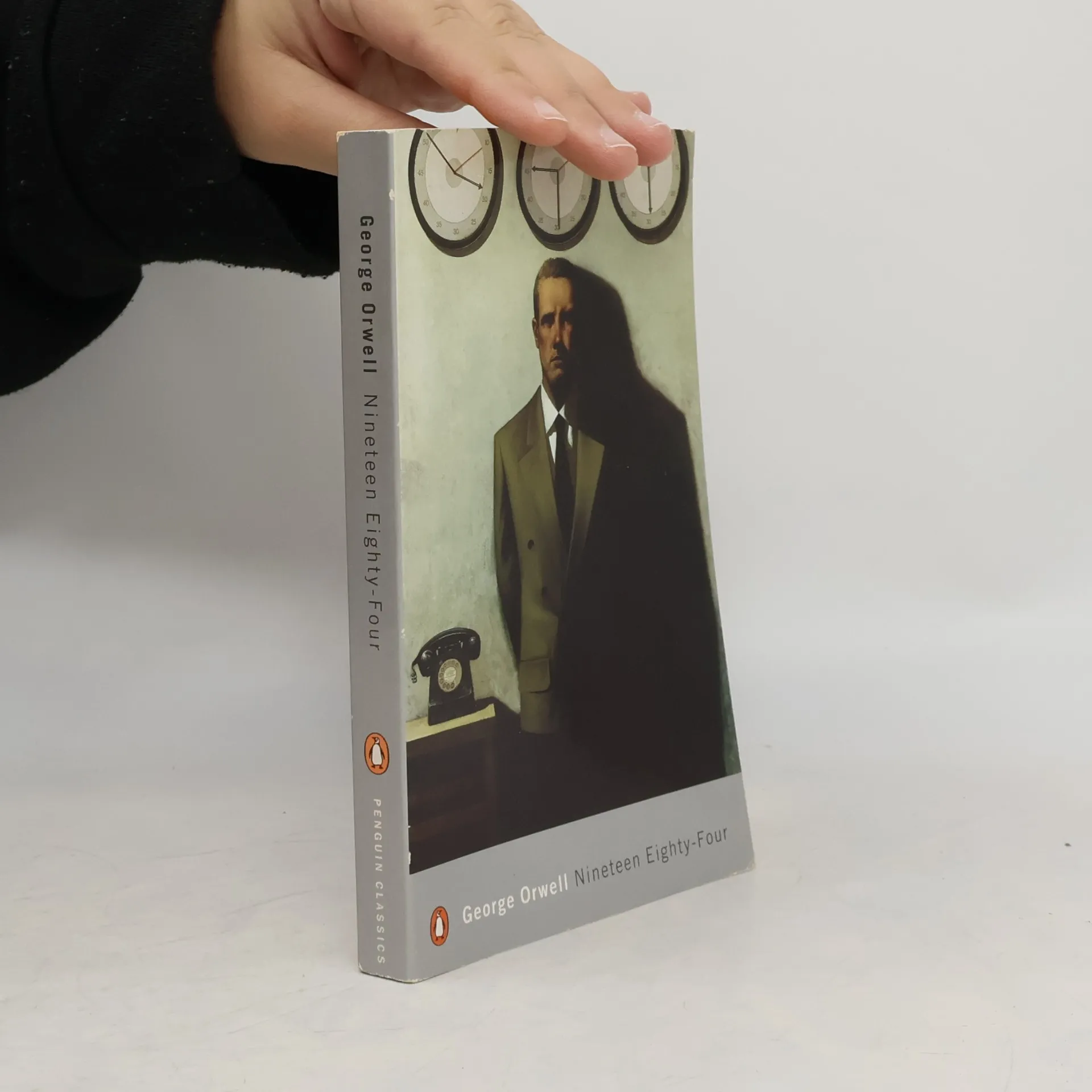
George Orwell's dystopian masterpiece is one of the most influential books of the twentieth century, featuring an introduction by Ben Pimlott in Penguin Modern Classics. In a world where "who controls the past controls the future," Winston Smith works in the Record Department of the Ministry of Truth, rewriting history to align with the Party's needs. Despite his role, he secretly rebels against the totalitarian regime that demands absolute obedience, monitored by telescreens and the omnipresent Big Brother. In his quest for truth and freedom, Smith embarks on a clandestine love affair with Julia, only to realize that the cost of freedom may be betrayal.
Eric Arthur Blair, known as George Orwell, was born in India and became a prominent literary figure. His political allegory, Animal Farm, published in 1945, alongside Nineteen Eighty-Four (1949), solidified his global fame. His other works, including Burmese Days, Down and Out in Paris and London, The Road to Wigan Pier, and Homage to Catalonia, are also part of Penguin Modern Classics.
Critics praise this work as "his final masterpiece" and "the book of the twentieth century," highlighting its enduring relevance in understanding modern history. If you appreciated this novel, you may also enjoy Orwell's Animal Farm, available in Penguin Modern Classics.
O objektívny obraz prvej Slovenskej republiky sa v zahraničí pokúšali iba niekoľkí neslovenskí autori, ktorých diela však nikto nesprístupnil Slovákom v ich rodnom jazyku. Dva takéto texty, ktoré uverejňujeme v slovenských prekladoch, predstavujú fundované svedectvo zahraničného diplomata na základe jeho vlastných osobných pozorovaní a zážitkov. Práve pre svoj jedinečný charakter toto svedectvo môže prispieť na vytvorenie oveľa objektívnejšieho obrazu prvej Slovenskej republiky, než ako ju predstavuje značná časť bežnej slovenskej a zahraničnej historiografie, a tým sa priblížiť k historickej pravde.
Text vyšiel pôvodne v časopise Geschichte historisches Magazin Nr. 69, März-April 1985, s. 14 – 23 pod titulom Die kurzen Jahre der Slowakischen Republik. Úvodné slovo napísal Milan S. Ďurica.