
Explore the latest books of this year!
Bookbot

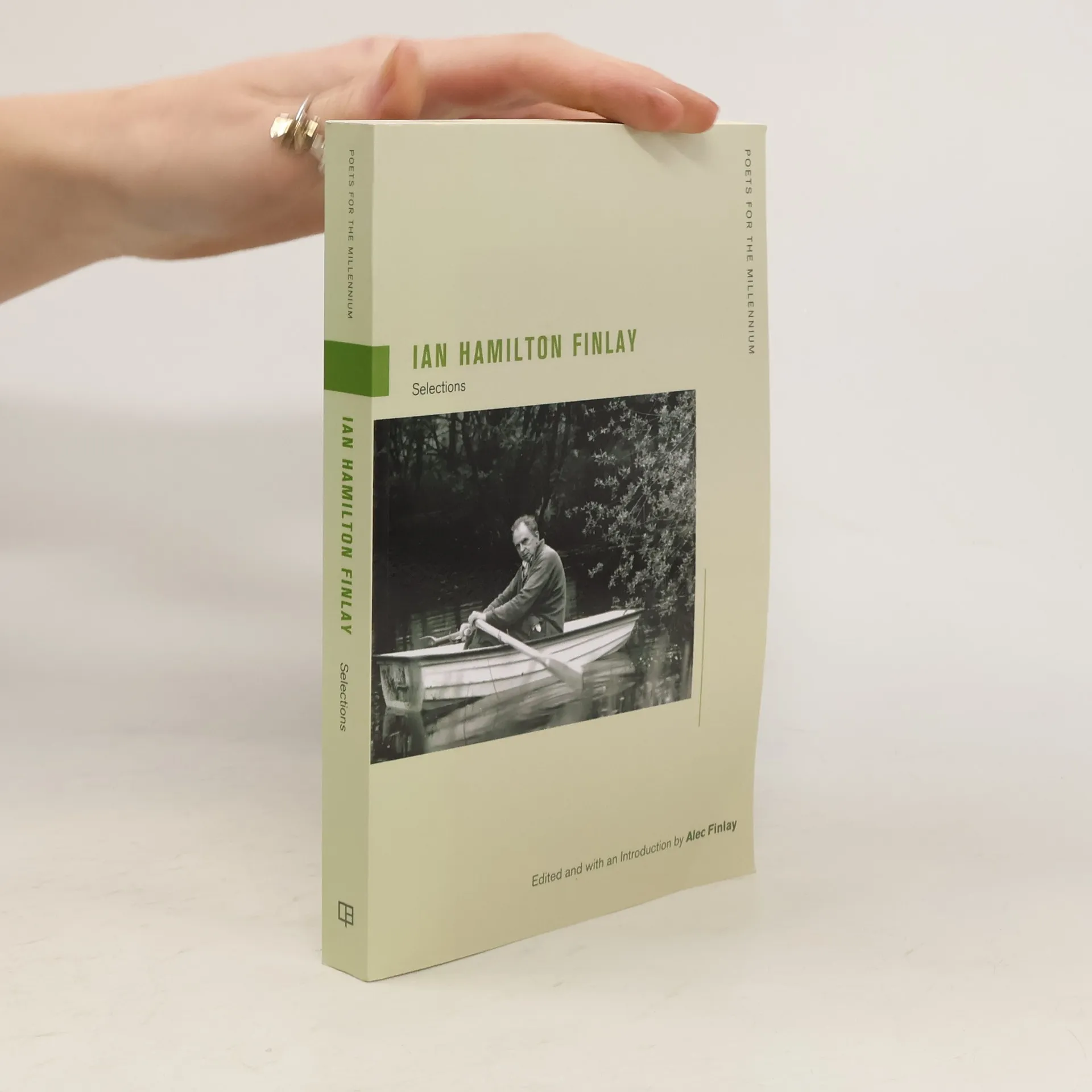
Ian Hamilton Finlay

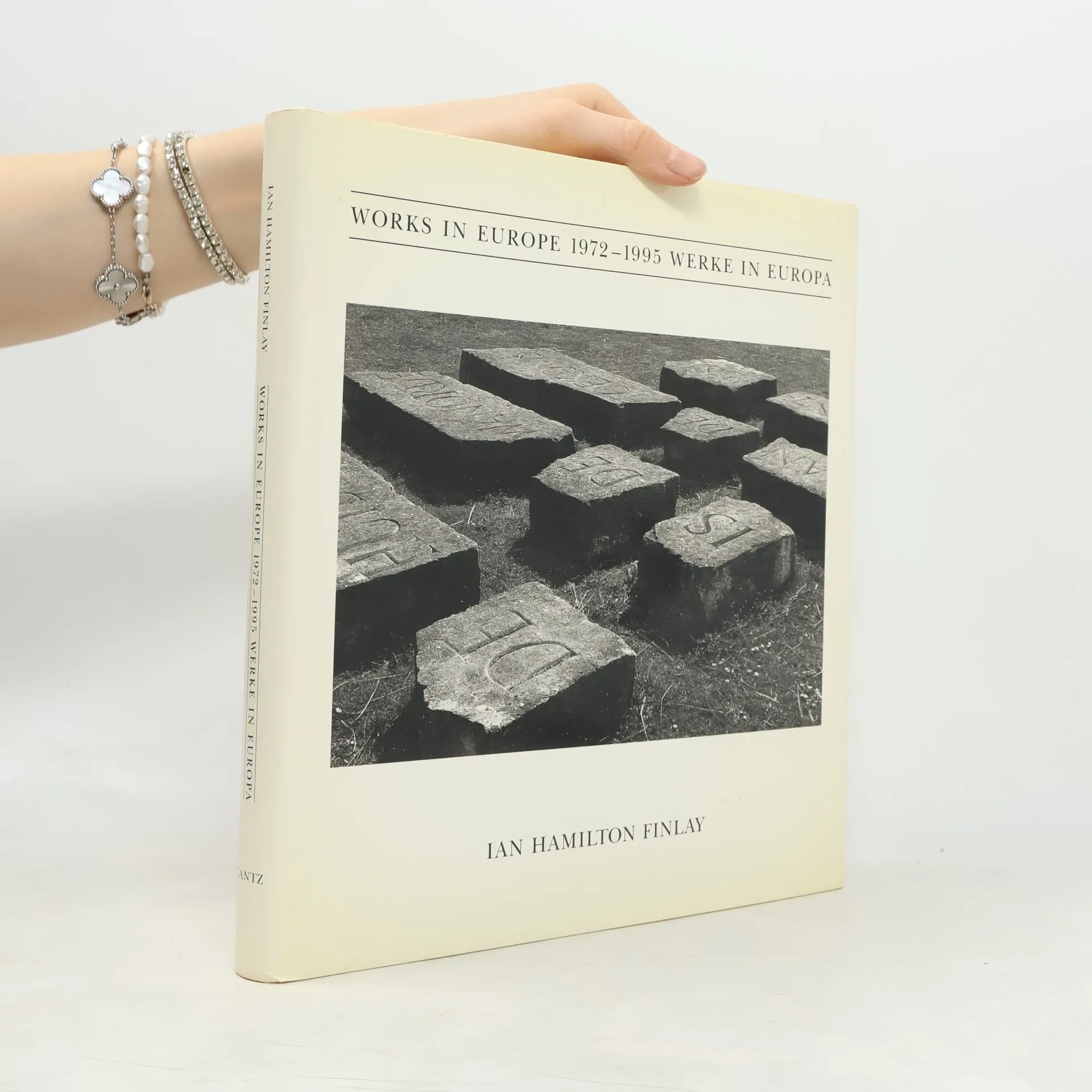
    Ian Hamilton Finlay was a Scottish artist renowned for his innovative work with concrete poetry, where the layout and typography of words contribute to the overall effect. His artistic practice evolved from writing stories and poems to creating 'poem-objects' inscribed into stone. He frequently integrated these works into natural settings, exemplified by his celebrated garden, Little Sparta. Finlay's oeuvre explores the relationship between language, art, and nature through visual and textual elements.

    Marine
    Land & Environmental Art
    Selections
    • Selections

      • 334 pages
      • 12 hours of reading

      This volume surveys the life and work of the Scottish poet Ian Hamilton Finlay, who is best known for his extraordinary garden, Little Sparta, a unique "poem of place" in which poetry, sculpture, and horticulture intersect. This book directs sustained attention to Finlay the verbal artist, revealing the full breadth and richness of his poetics. It illuminates the evolution from his early years of composing plays, stories, and lyrical poems to his discovery of Concrete poetry and his emergence as a key figure in the international avant-garde of the 1960s.

      Selections
      4.2
    • Land & Environmental Art

      • 304 pages
      • 11 hours of reading

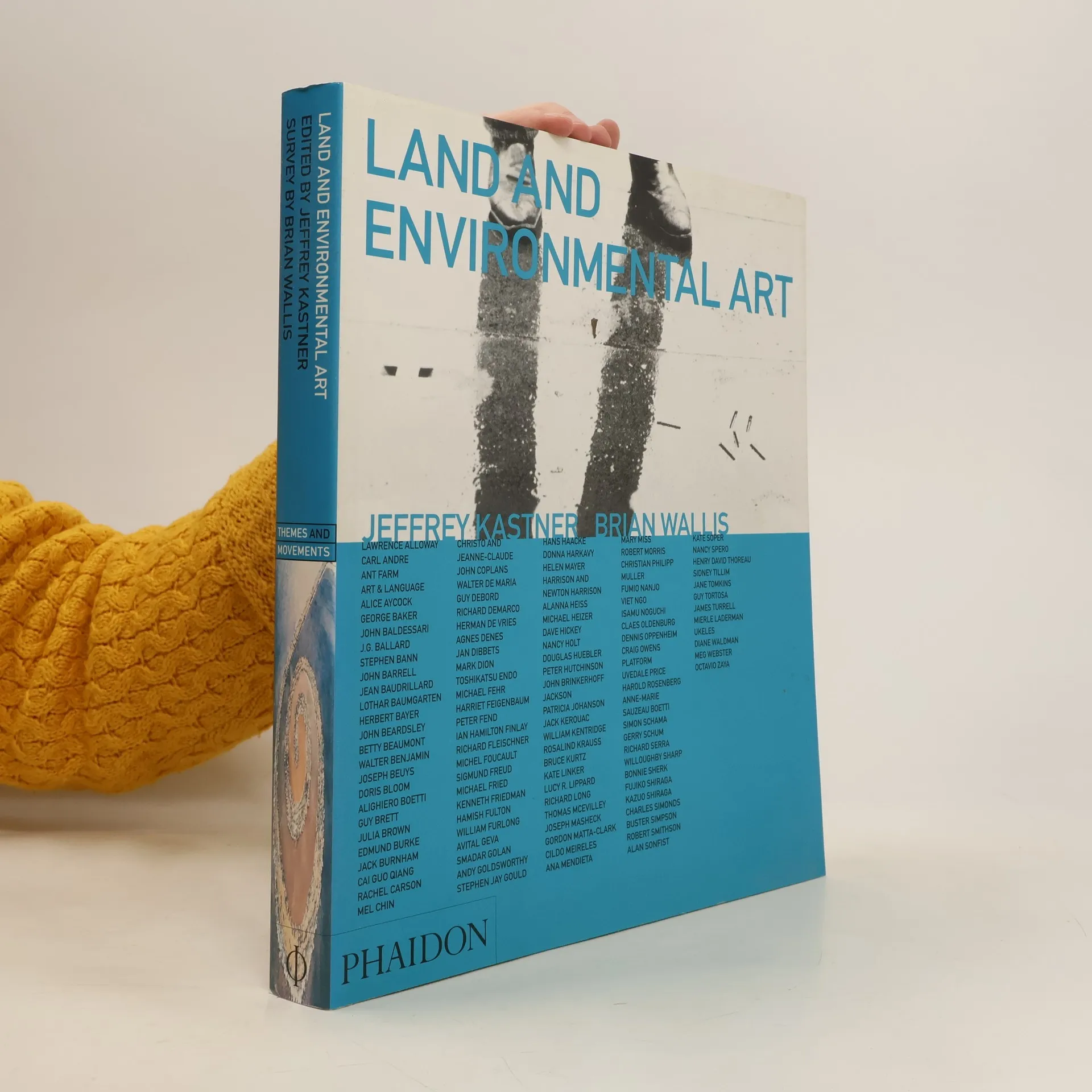
      The traditional landscape genre was radically transformed in the 1960s when many artists stopped merely representing the land and made their mark directly in the environment. Drawn by the vast uncultivated spaces of the desert and mountain as well as post-industrial wastelands, artists such as Michael Heizer, Nancy Holt or Robert Smithson moved earth to create colossal primal symbols. Others punctuated the horizon with man-made signposts, such as Christo's Running Fence or Walter de Maria's Lightning Field. Journeys became works of art for Richard Long whilst Dennis Oppenheim and Ana Mendieta immersed their bodies in the contours of the land.

      Land & Environmental Art
      4.1