

Eine faszinierende Analyse des Militarismus und seines Einflusses auf die deutsche Geschichte der Neuzeit. Peter H. Wilson entfaltet die Militärgeschichte des deutschsprachigen Raumes der letzten fünf Jahrhunderte und betrachtet dabei nicht nur militärische Aspekte wie Waffenentwicklung und Kriegsstrategie, sondern auch Politik, Wirtschaft, Technologie und gesellschaftliche Entwicklungen sowie die Folgen der Kriege. Der Autor bietet einen nuancierten und komplexen Blick auf die Geschichte Zentraleuropas, von der Zeit des römisch-deutschen Reiches bis zum Nationalstaat. Er analysiert die Entwicklung der Kriegsführung an Land, zur See und in der Luft sowie die Rolle von Kriegen, Feldzügen und Generälen. Bismarcks berühmte „Eisen und Blut“-Rede verdeutlicht den integralen Bestandteil des militärischen Komplexes in der deutschen Geschichte. Das Militär prägte entscheidend die politische Landschaft, und die gängige Verengung des Blicks auf Preußen und die Jahre 1914 bis 1945 greift zu kurz. Wilson zeigt, wie wichtig es ist, die deutsche Militärgeschichte in einen größeren Kontext zu stellen, um ein umfassenderes Verständnis der historischen Entwicklungen zu erlangen.
Peter H. Wilson Book order (chronological)
Peter H. Wilson is a leading historian of war focusing on the early modern period. His work explores the political, social, and military dimensions of warfare and its impact on European history. Wilson is known for his deep analysis and ability to connect large-scale historical events with individual human experiences. His expertise offers readers valuable insights into the complexities of war and its enduring influence.

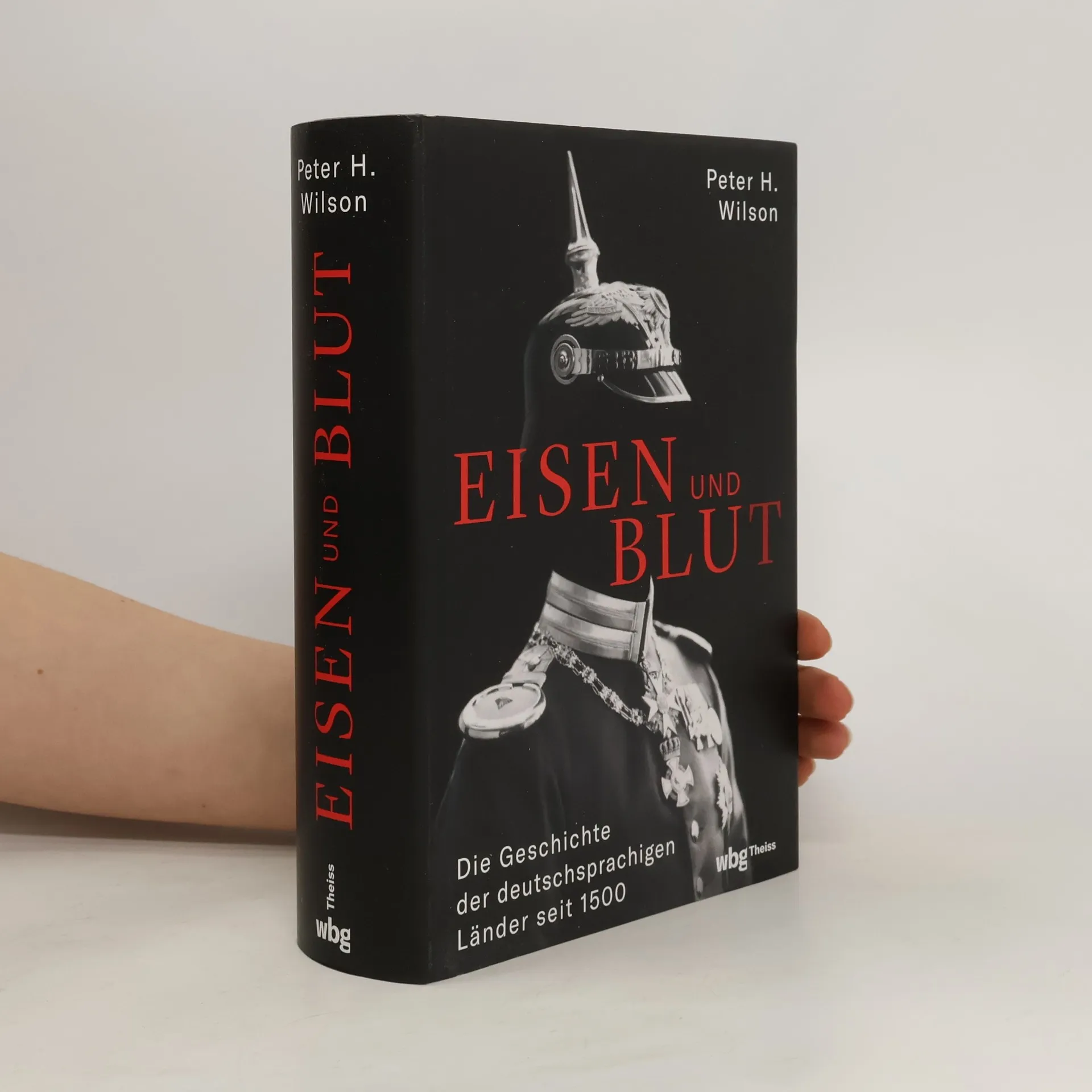

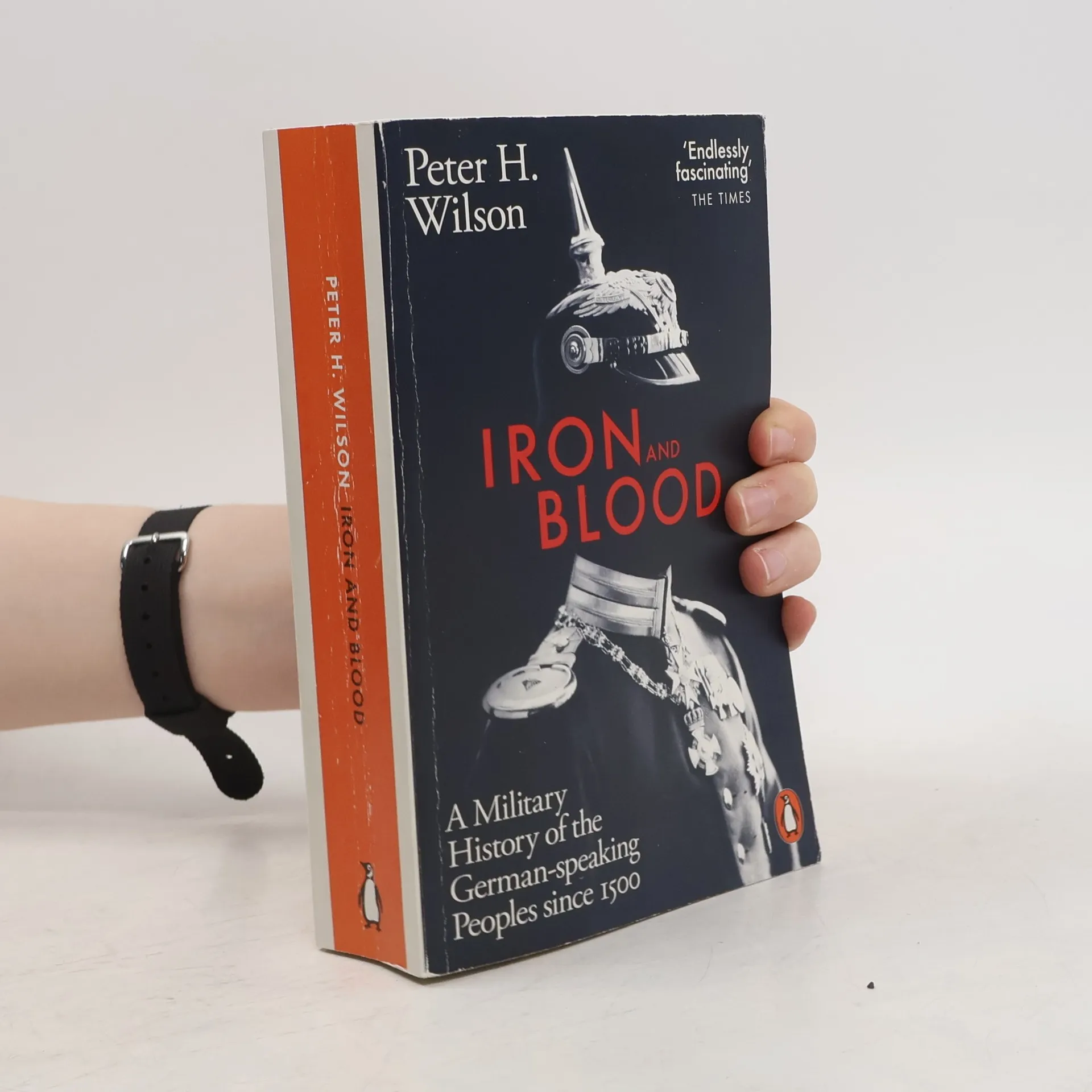
Iron and Blood
- 913 pages
- 32 hours of reading
A DAILY TELEGRAPH BOOK OF THE YEAR 2022 'No one interested in the history of Europe can afford not to read this stupendous book' Simon Heffer, Daily Telegraph 'Endlessly fascinating ... History has returned to Europe, and Iron and Blood is an excellent place to start getting reacquainted with it' The Times Iron and Blood is a startlingly ambitious and absorbing book, encompassing five centuries of political, military, technological and economic change to tell the story of the German-speaking lands, from the Rhine to the Balkan frontier, from Switzerland to the North Sea. Wilson's narrative considers everything from weapons development to recruitment to battlefield strategy. Germans' military impact on the rest of Europe has been immense. If there is one constant it has been the sense of being beset by seemingly more powerful enemies - France or Russia or Turkey - and the need to strike a rapid knockout blow to ensure a favourable result. Almost inevitably, this has in practice meant protracted, relentless and often unwinnable wars, and - in 1939-1945 - moral catastrophe. The author of definitive books on the Holy Roman Empire and the Thirty Years War, Peter Wilson has with Iron and Blood written his masterpiece. 'Hugely impressive' Richard J. Evans, Times Literary Supplement
The Holy Roman Empire : a thousand years of Europe's history
- 1008 pages
- 36 hours of reading
THE SUNDAY TIMES AND ECONOMIST BOOKS OF THE YEAR 2016 'Hugely impressive... Wilson is an assured guide through the millennium-long labyrinth of papal-imperial relations' Literary Review A great, sprawling, ancient and unique entity, the Holy Roman Empire, from its founding by Charlemagne to its destruction by Napoleon a millennium later, formed the heart of Europe. It was a great engine for inventions and ideas, it was the origin of many modern European states, from Germany to the Czech Republic, its relations with Italy, France and Poland dictated the course of countless wars - indeed European history as a whole makes no sense without it. In this strikingly ambitious book, Peter H. Wilson explains how the Empire worked. It is not a chronological history, but an attempt to convey to readers why it was so important and how it changed over its existence. The result is a tour de force - a book that raises countless questions about the nature of political and military power, about diplomacy and the nature of European civilization and about the legacy of the Empire, which has continued to haunt its offspring, from Imperial and Nazi Germany to the European Union.
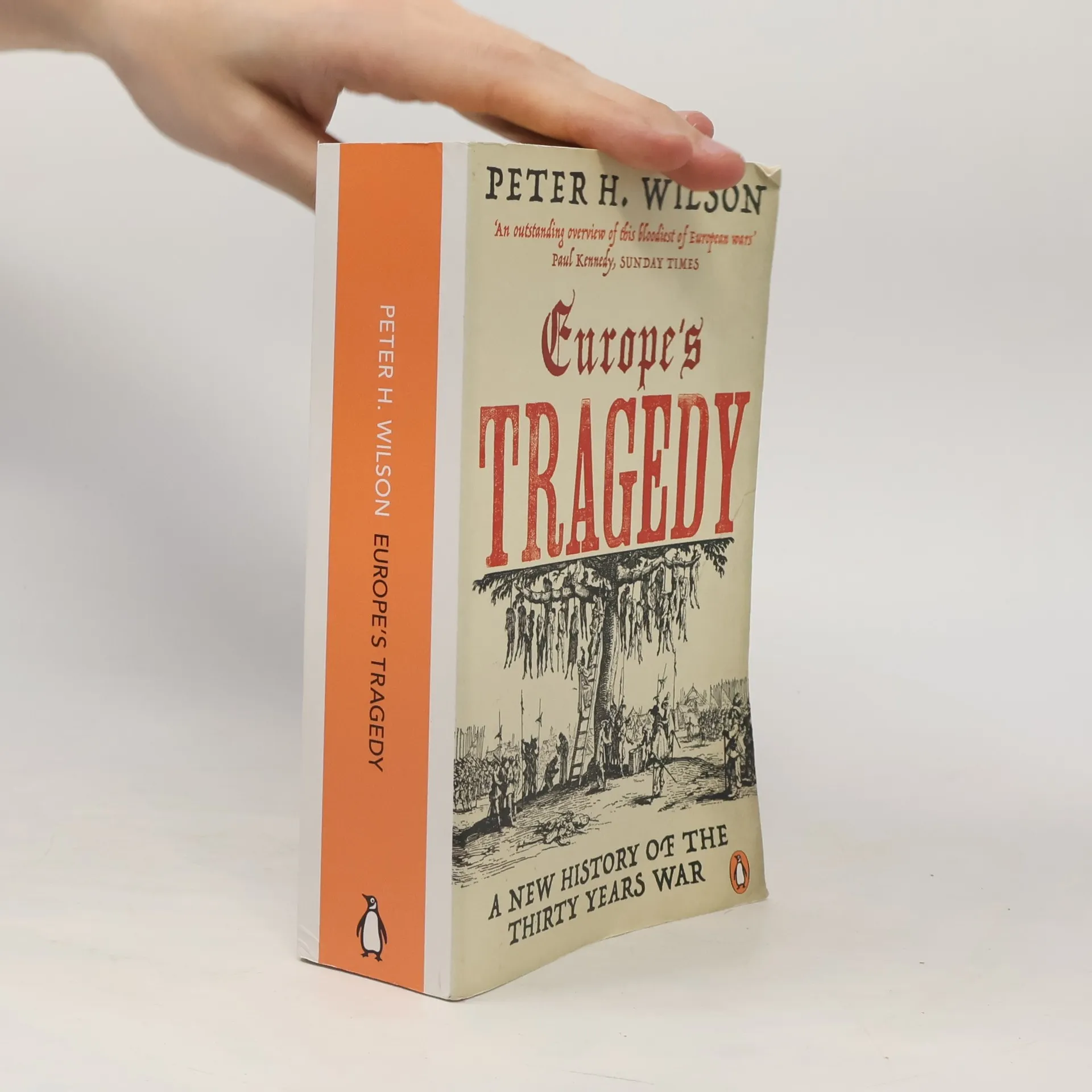
Europe's Tragedy
- 1024 pages
- 36 hours of reading
The horrific series of conflicts known as the Thirty Years War (1618-48) tore the heart out of Europe, killing perhaps a quarter of all Germans and laying waste to whole areas of Central Europe to such a degree that many towns and regions never recovered. This title explains a compelling series of events.